Premium Merino Knitted Beanies: 5 Quality Factors for Wholesale Gift Market Buyers (2026)
Premium merino knitted beanies sit in one of the most interesting spaces in winter accessories: practical enough for everyday wear, premium enough for gifting, and flexible enough for private label retail programs. In 2026, buyers are no longer satisfied with generic acrylic beanies that look fine on a rack but stretch out, pill, or overheat after limited wear. They want fiber honesty, clean construction, and a product story that supports retail pricing across the USA, Europe, Australia, and increasingly gift-led Gulf markets.

A premium beanie is judged first by touch, then by recovery, then by how it wears over time. If the fiber story sounds good but the beanie pills or stretches too fast, the premium claim falls apart immediately.
Why merino beanies are gaining ground in premium retail
Direct answer: Merino beanies are gaining ground because they balance softness, warmth, breathability, and a more credible premium story than basic synthetic winter hats.
Merino wool offers a combination that retailers love: it feels softer than standard wool to many customers, handles temperature shifts better than many synthetic yarns, and supports higher-value product storytelling. That makes it commercially useful across premium casual retail, outdoor gifting, airport stores, and winter accessory capsules.
It also gives buyers more room to differentiate. Instead of competing purely on color or cuff logos, a merino-based beanie can be sold on genuine product value. The hat becomes easier to position next to better scarves, premium knitwear, or holiday gift bundles. For many brands, that means stronger average order value without needing excessive branding.
- Soft handfeel that supports premium shelf presentation.
- Better temperature regulation than many basic acrylic styles.
- Stronger giftability for holiday and corporate programs.
- Works naturally alongside other knitted beanies and seasonal accessories.
That combination is why merino remains one of the most commercially sensible upgrades in winter headwear.
Fiber quality: what buyers should know before placing an order
Direct answer: Buyers should evaluate merino percentage, yarn softness, anti-pill behavior, gauge suitability, and whether the blend matches the target retail price and use case.
The word “merino” alone is not enough. A high-merino-content yarn behaves differently from a lower-content blend designed for durability or price efficiency. Some programs use pure merino for a softer, more elevated feel. Others blend merino with nylon or acrylic to improve strength, reduce price, or stabilize the knit over time. Both can be valid if the product brief is honest.
What matters is fit between the yarn and the retail promise. If the product is meant for gifting, holiday merchandising, or premium urban retail, the beanie needs to feel good immediately. If it is designed for volume mid-market retail, a performance-oriented merino blend may make more sense commercially. The best decision depends on the channel, not just the raw material label.
| Yarn Type | Handfeel | Durability | Typical Use |
|---|---|---|---|
| 100% Merino | Very soft | Moderate | Premium retail / gifting |
| Merino + Nylon | Soft | High | Outdoor and premium utility |
| Merino + Acrylic | Moderate to soft | High | Accessible premium retail |
| Acrylic-heavy blend | Variable | High | Entry-level volume programs |
The right yarn is the one that supports the product promise and survives how customers will actually use it.
Construction details that separate premium from generic
Direct answer: Gauge, recovery, cuff construction, seam finishing, and pilling control are what separate a premium beanie from a generic one.
Many buyers focus on the fiber label but ignore construction. That is a mistake. A beautiful merino yarn can still produce a disappointing beanie if the knit is too loose, the cuff collapses, or the crown seam finishes badly. Premium winter accessories are judged in hand. Customers notice whether the beanie snaps back, whether it keeps shape after repeated wear, and whether the cuff sits neatly without rolling in the wrong places.
Double-layer construction often works well in gift-led retail because it increases comfort and perceived value. Fine-to-medium gauge knits offer a cleaner premium look than chunky novelty knits in many urban or corporate settings. If the beanie is being sold as a refined gift item, these details matter even more than bold decoration.
- Test recovery after stretch, not only on first touch.
- Check for pilling potential against scarves or coat collars.
- Decide if the cuff is fixed, foldable, or slouch-oriented.
- Match gauge to the product’s price point and audience.
Construction quality is what turns a nice yarn into a product customers recommend and reorder.
The gift market opportunity for premium beanies in 2026
Direct answer: Premium knitted beanies work well in gifting because they are practical, size-flexible, easy to brand, and strong enough to sit in holiday, corporate, and travel retail programs.
The gift market likes products that are useful without being overly personal. Beanies solve that neatly. They are easier to size than apparel, easier to freight than bulky winter goods, and easier to position across holiday bundles, premium stocking programs, and corporate gifting. A merino or merino-blend beanie also feels like a real upgrade from the cheap acrylic hat most customers already own.
This makes the category especially attractive for Q4 and travel seasons. Airport retail, winter tourism, hotel boutiques, and corporate gift channels can all use the same core silhouette with slightly different packaging or branding treatments. That kind of flexibility reduces development waste and makes replenishment easier.
- Choose one refined core silhouette with excellent recovery.
- Use premium but simple branding such as a woven label or tonal embroidery.
- Offer limited high-confidence colors instead of too many fashion experiments.
- Match packaging to gifting use without overcomplicating the cost structure.
That is one reason premium beanies fit naturally into broader headwear and accessories sourcing plans.
How to source premium merino beanies from a dependable manufacturer
Direct answer: Choose a supplier that understands yarn sourcing, knit consistency, pilling risk, and export packaging while giving realistic MOQ and lead time guidance.
China-based sourcing remains attractive for premium knit accessories because buyers can combine yarn procurement, knitting, finishing, labeling, and packaging in one export-ready workflow. Guangdong suppliers can be especially useful when buyers want flexible private label development and dependable communication into Western retail channels.
Ask potential suppliers the hard questions. What merino percentage is actually being used? How do they test recovery and pilling? Can they provide yarn certification or traceability support where needed? Can they maintain color consistency across reorder runs? These details tell you whether the supplier understands premium knitwear or is just offering a commodity beanie with a better label.
External trade context from sources like the International Trade Administration can also help buyers think more clearly about destination-market timing and import planning. custom knitted beanie decoration guide how buyers compare embroidery woven patches and jacquard logos without ruining stretch single layer vs double layer knitted beanies
Final checklist for a stronger premium beanie program
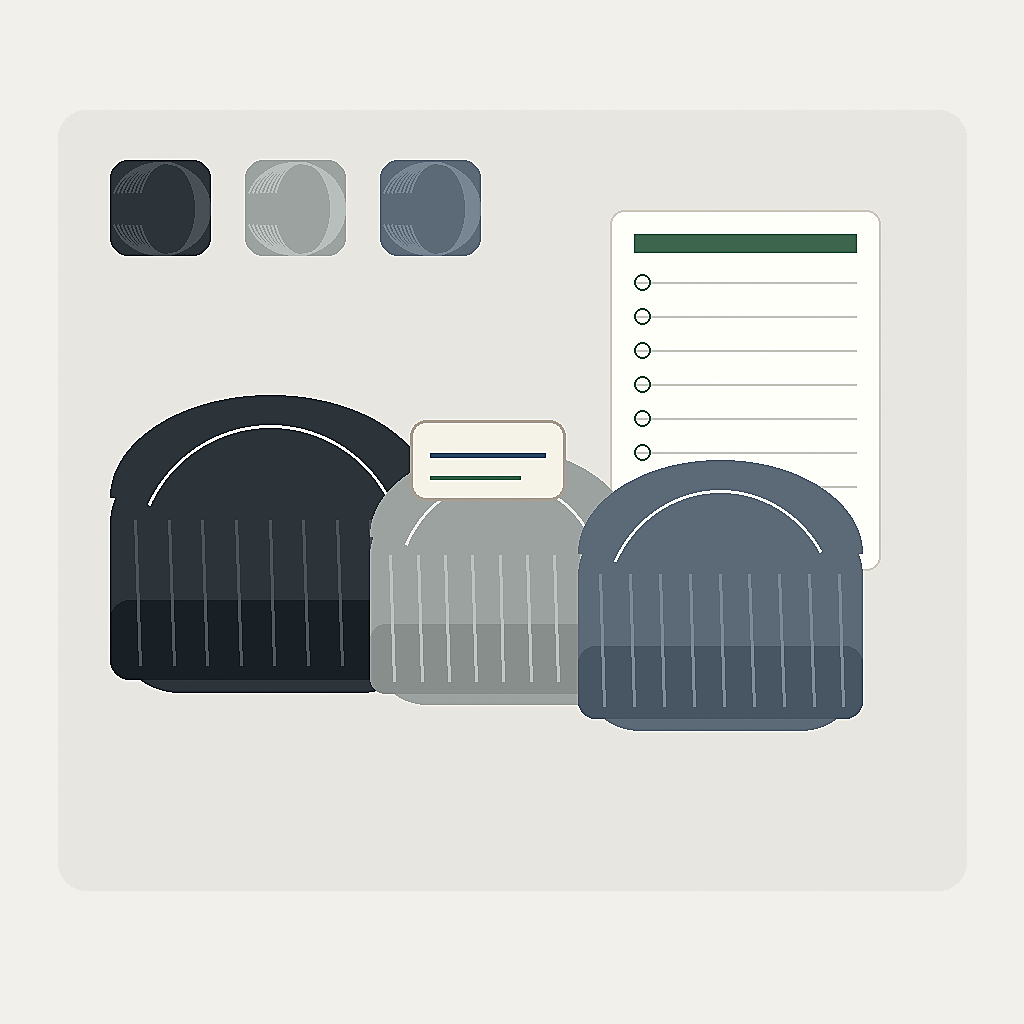
- Clarify yarn composition and whether the premium claim is honest.
- Test recovery, pilling, and seam quality before bulk approval.
- Build the product into a gift and winter retail strategy, not a standalone afterthought.
- Use internal links to your contact page, beanie category, and related headwear categories.
- Keep the color range disciplined for better Q4 and seasonal sell-through.
Planning a premium beanie line or gifting program? Contact Hongyue Cap for yarn recommendations, MOQ guidance, and direct factory sourcing support from Guangdong, China.
External Quality Reference for Buyers
For additional sourcing discipline, buyers can compare supplier claims against public trade and textile references such as the International Trade Administration and textile testing resources from ASTM International before locking specifications for bulk orders.
Written by the Hongyuecap Product Team — 10+ years in B2B custom headwear manufacturing. Last updated: May 03, 2026.