
Single Layer vs Double Layer Knitted Beanies for Wholesale Buyers
Single layer vs double layer knitted beanies is not a small product detail. It is one of the most important assortment decisions winter accessory buyers make. Layer construction affects warmth, cost, cuff behavior, logo application, freight efficiency, giftability, and where the product fits in different retail climates. Buyers who understand that logic build cleaner winter programs. Buyers who ignore it often overbuy the wrong level of warmth and end up discounting inventory that looked good on paper but did not match real demand.
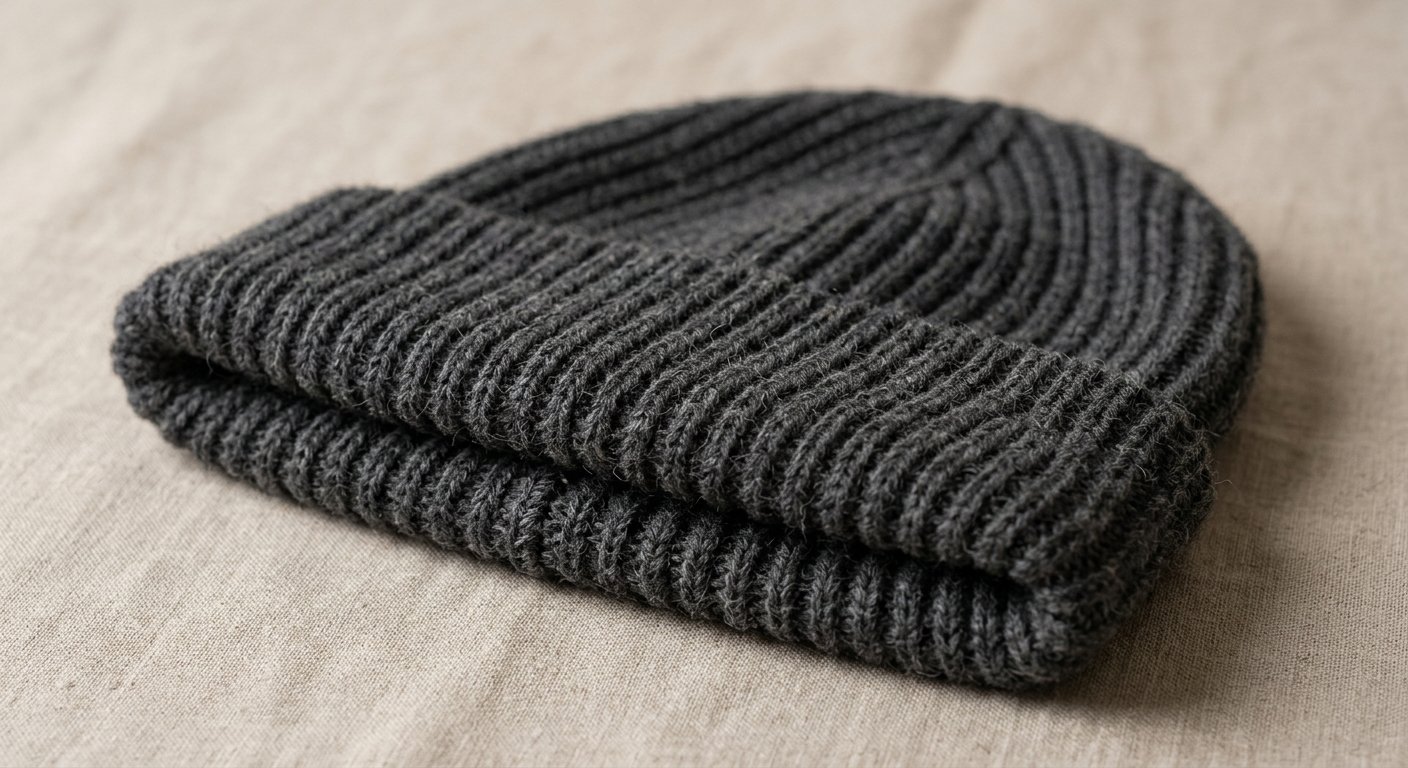
The beanie mistake most retailers make is assuming “warmer is always better.” In reality, the right construction depends on climate, price point, gifting intent, and how customers actually wear the hat in their market.
Why layer construction matters more than many buyers expect
Direct answer: Layer construction matters because it changes both product performance and retail positioning, influencing how the beanie feels, sells, and gets reordered.
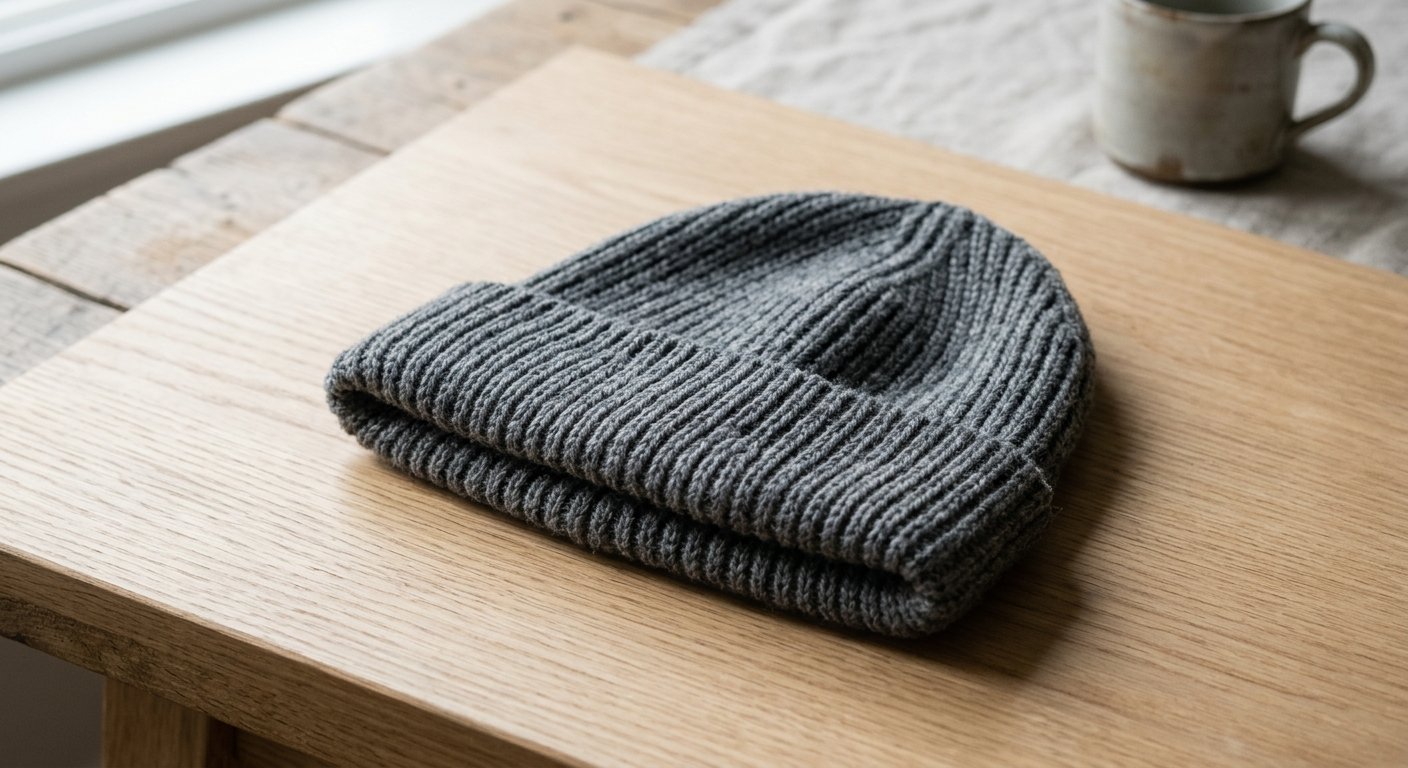
At first glance, many knitted beanies look similar on a supplier sheet. But once you compare single-layer and double-layer construction properly, the differences become commercially significant. Single-layer beanies usually feel lighter, easier, and more price-flexible. Double-layer beanies tend to feel warmer, fuller, and more premium, but they also cost more and can be harder to place in milder winter markets.
That distinction matters because retailers are not buying “a beanie.” They are buying a role inside an assortment. Is the product meant for everyday urban wear, airport gifting, cold-weather outdoor use, or Q4 promotional volume? Layer construction helps answer that question before color, trim, or label decisions even begin.
- Single-layer styles usually support lighter everyday wear.
- Double-layer styles often improve warmth and perceived value.
- Construction affects logo handling and cuff behavior.
- The right choice depends on market, not supplier preference.
How single-layer beanies perform in retail
Direct answer: Single-layer beanies perform well when buyers need lower weight, easier pricing, simpler gifting, and broader wearability in moderate winter conditions.
A single-layer knitted beanie often works best where winter exists but does not stay severe for long stretches. That includes many urban markets, shoulder-season gift programs, and parts of the USA, UK, Japan, southern Europe, and Australia where customers still want a winter accessory without extreme thermal bulk. Single-layer construction also helps when the retailer wants a cleaner silhouette that sits close to the head and feels more fashion-friendly.
Commercially, single-layer beanies are often easier to buy because they keep cost pressure lower and freight efficiency higher. They also work well for promotional, lifestyle, and lighter private-label programs where the target is a versatile winter basic rather than a heavy-duty cold-weather product. The risk, of course, is that some single-layer styles can feel too light if the yarn choice or gauge is weak.
That is why buyers should test not only thickness but recovery, handfeel, and cuff stability. A good single-layer beanie should still feel deliberate, not flimsy. If it collapses too easily or lacks shape memory, it can read as low value even in markets where lighter warmth is acceptable.
| Feature | Single-Layer | Retail Benefit |
|---|---|---|
| Weight | Lighter | Easier everyday wear |
| Cost | Lower | Better entry or mid-tier pricing |
| Profile | Cleaner, closer fit | Fashion-friendly styling |
| Warmth | Moderate | Works in milder winter markets |
Where double-layer beanies make more sense
Direct answer: Double-layer beanies make more sense when warmth, premium feel, and gifting value matter more than absolute cost or compactness.
Double-layer construction usually gives the customer a fuller first-touch impression. That matters in gifting and in colder climates where the buyer wants the product to feel substantial immediately. In department-store accessories, airport travel retail, boutique winter capsules, and select northern markets, that added body can support a healthier price position and stronger customer confidence.
But buyers should avoid assuming every double-layer beanie is automatically premium. A heavy construction can still underperform if the yarn quality, cuff control, or finishing is weak. The best double-layer pieces feel soft, stable, and intentionally built. The worst feel bulky, slow to recover, or overly warm for the actual market. This is why the climate map matters so much.
A double-layer beanie also changes decoration choices. Embroidery, woven labels, and folded cuffs can look cleaner because the structure supports them better. That can be useful for branded winter programs and premium private-label assortments, especially when the end customer expects a stronger gift feel.
- Double-layer improves warmth and fuller handfeel.
- It often supports more premium merchandising.
- It can handle some branding methods more cleanly.
- It must still match the actual temperature reality of the market.
Warmth is only one buying variable
Direct answer: Warmth matters, but buyers should evaluate it alongside cost, market latitude, shelf story, gifting logic, and how the hat behaves in real wear.
This is where many winter programs drift off course. Buyers focus on thermal language and ignore the rest of the selling equation. A beanie that is technically warmer may still be commercially weaker if it feels too bulky, prices too high for the channel, or sits unused in a moderate-climate market. In many places, customers buy beanies as a seasonal accessory with emotional value, not only as survival gear.
That means retailers need to think region by region. A double-layer beanie may be the right anchor for northern or gift-focused channels, while a single-layer style may outperform in mixed urban climates where customers want versatility. A multi-market distributor may even need both, but with clear logic for where each one goes.
- Map the actual winter intensity of each sales region.
- Decide whether the beanie is for gifting, everyday wear, or heavy winter use.
- Compare construction with the expected retail price band.
- Review how the cuff and silhouette support the branding plan.
Cuff behavior, branding, and packaging differences
Direct answer: Construction affects cuff memory, logo placement, and packaging presentation, which can change the product’s retail value more than buyers expect.
A stronger double-layer build often helps a folded cuff hold shape better, which can improve visual consistency on shelf and in packaging. That matters in gifting and branded programs where neat presentation helps close the sale. Single-layer beanies can still work beautifully, but they require more discipline in yarn selection and knit tension if the cuff is expected to stay crisp.
Branding also changes with construction. A thinner single-layer beanie may suit small woven labels or subtle trims, while a fuller double-layer style can support embroidery or structured fold presentation more comfortably. Packaging is affected too. If the product is built for gift boxes, airport racks, or premium folded display, construction should support that format rather than fight it.
Retail buyers should therefore review samples not just on head, but also folded, packed, and displayed. The way a beanie behaves in those contexts often reveals whether it belongs in a low-risk commercial program.
- Review cuff memory after repeated folding.
- Check if the logo method suits the knit thickness.
- Compare how each style presents in a shelf-ready package.
- Choose construction that supports the story you want to sell.
How to source the right construction from China
Direct answer: Buyers should choose suppliers that can explain yarn, gauge, recovery, and market fit clearly instead of offering vague “winter quality” claims.
China remains an efficient sourcing base for knitted beanies because yarn procurement, knitting, finishing, labeling, and export packaging can be coordinated in one production flow. Guangdong-based suppliers are often attractive for private-label winter programs because communication can be faster and development more flexible. But the buying standard still has to be commercial rather than cosmetic.
Ask suppliers to explain why they recommend single-layer or double-layer for your channel. Ask what yarn blend they pair with each structure. Ask how cuff stability is tested and how the beanie recovers after display handling. A supplier who can answer those questions clearly is more useful than one who simply says “this one is more premium.”
Retailers who want broader sourcing context can also compare export-market guidance through the International Trade Administration. That is useful when planning different winter assortments for the USA, EU, and other destination markets.
For site navigation, buyers often move between knitted beanies, baseball caps, the home page, and the contact page while comparing broader headwear programs.
Final assortment checklist for winter buyers
Direct answer: The right assortment comes from matching layer construction to climate, price band, branding needs, and the intended customer use case.
There is no universal winner in the single-layer versus double-layer decision. The better option depends on your market reality. Retailers who stay disciplined on that point usually build better winter sell-through and cleaner reorders.
- Use single-layer where lighter warmth and easier pricing matter more.
- Use double-layer where premium feel and stronger warmth justify the cost.
- Check cuff behavior, packaging, and branding before you approve bulk.
- Do not buy “more warmth” if your market actually needs more versatility.
- Keep the first assortment tight and expand only after real sales data arrives.
Related: Eco-Friendly Knitted Beanie Materials Guide
Need help planning a better winter beanie range? Contact Hongyue Cap for construction advice, MOQ planning, and direct sourcing support from Guangdong, China.
External Quality Reference for Buyers
For additional sourcing discipline, buyers can compare supplier claims against public trade and textile references such as the International Trade Administration and textile testing resources from ASTM International before locking specifications for bulk orders.
Written by the Hongyuecap Product Team — 10+ years in B2B custom headwear manufacturing. Last updated: May 03, 2026.
Related Sourcing Resources:
Planning a wholesale beanie program?
Send your target quantity, yarn or material preference, single- or double-layer construction, cuff style, logo method, destination country, and delivery date. Review our custom beanie manufacturing capabilities or request samples and a bulk quote.