
WHAT WE MAKE
Snapback closures, and five other starting points
Crown height, front panel stiffness and the snap closure are all set to your brief. Choose a style below; every detail is confirmed with you before sampling.
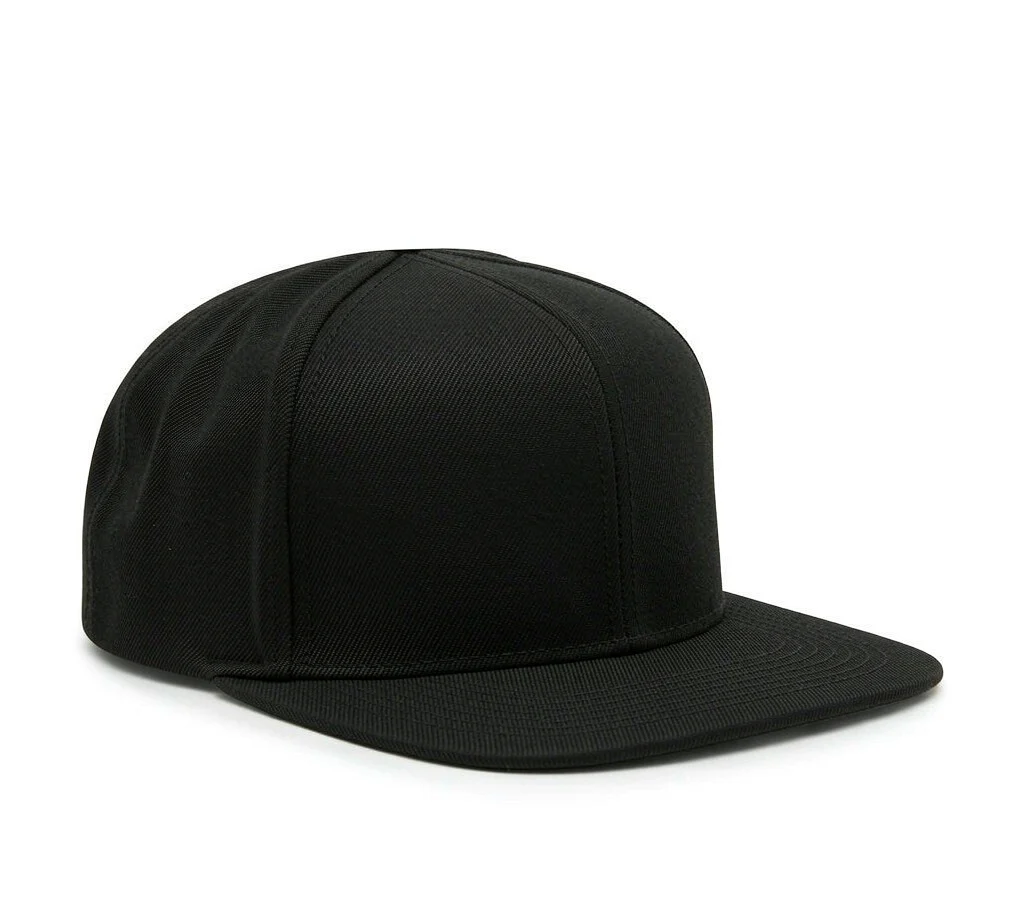
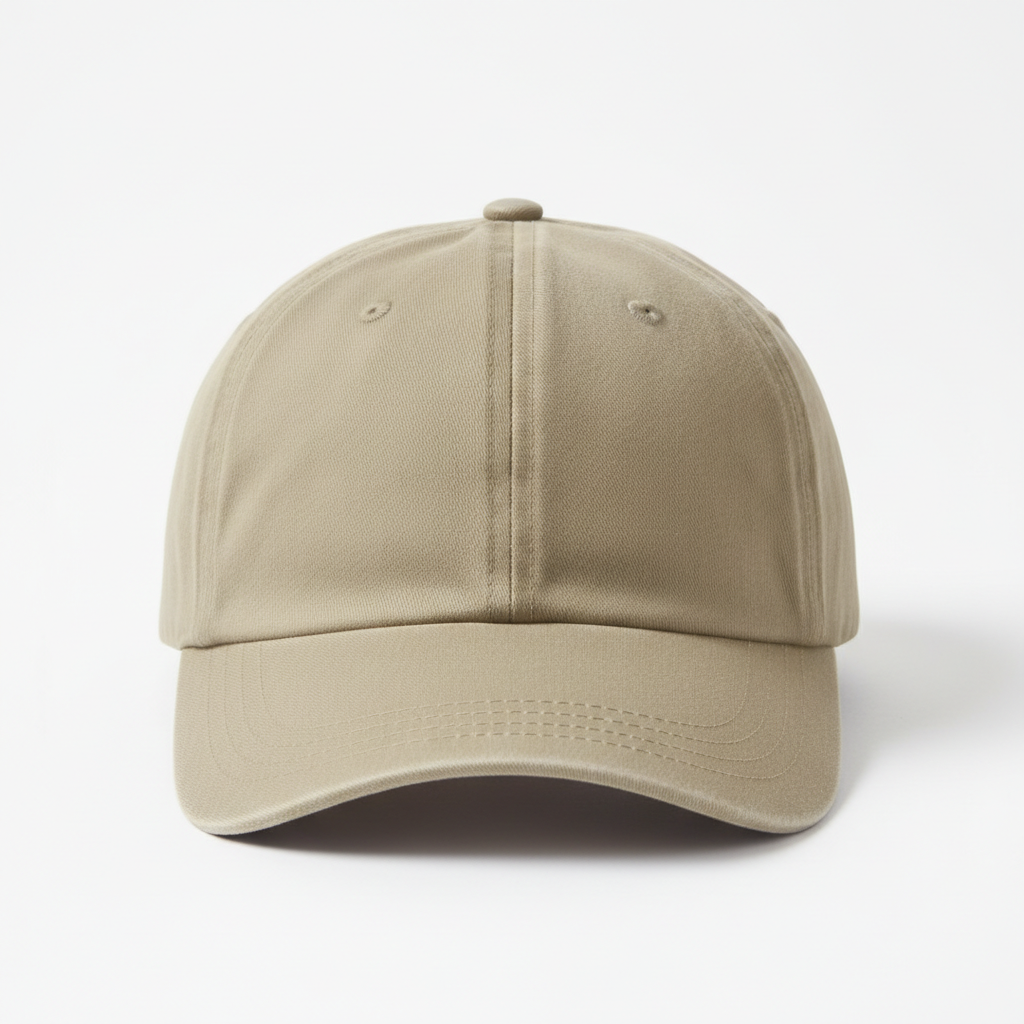
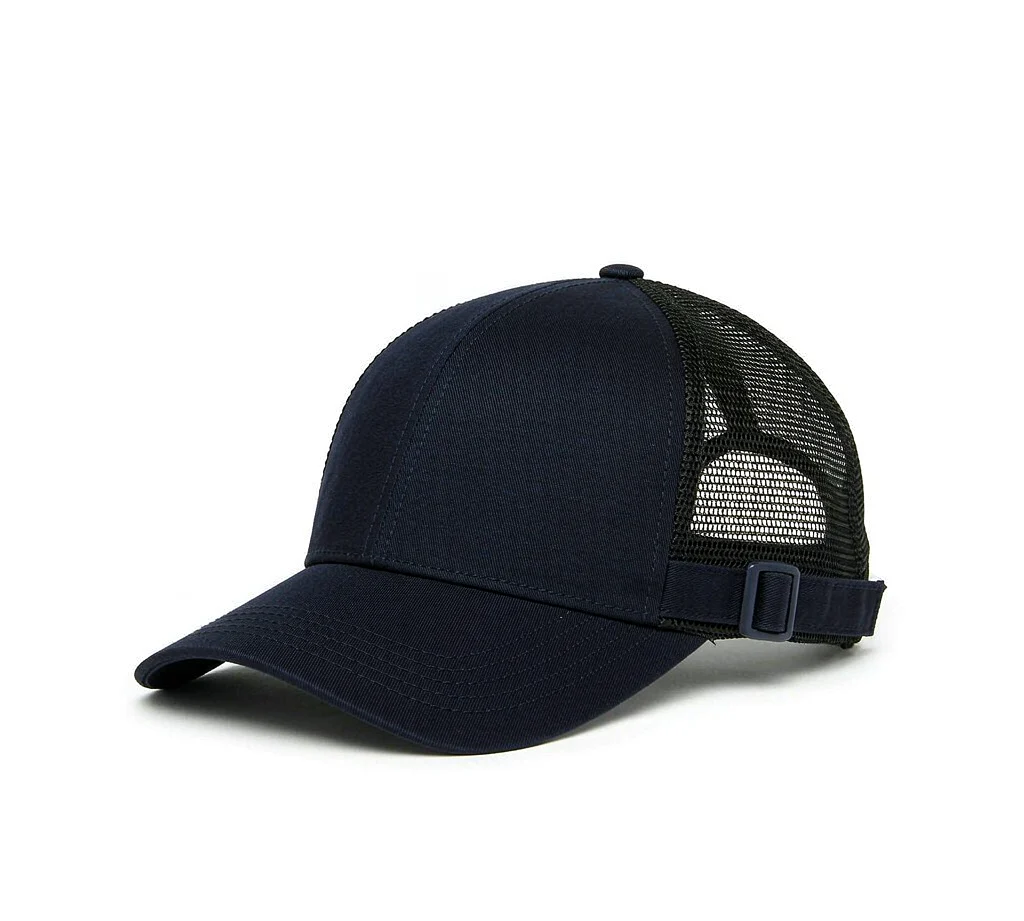
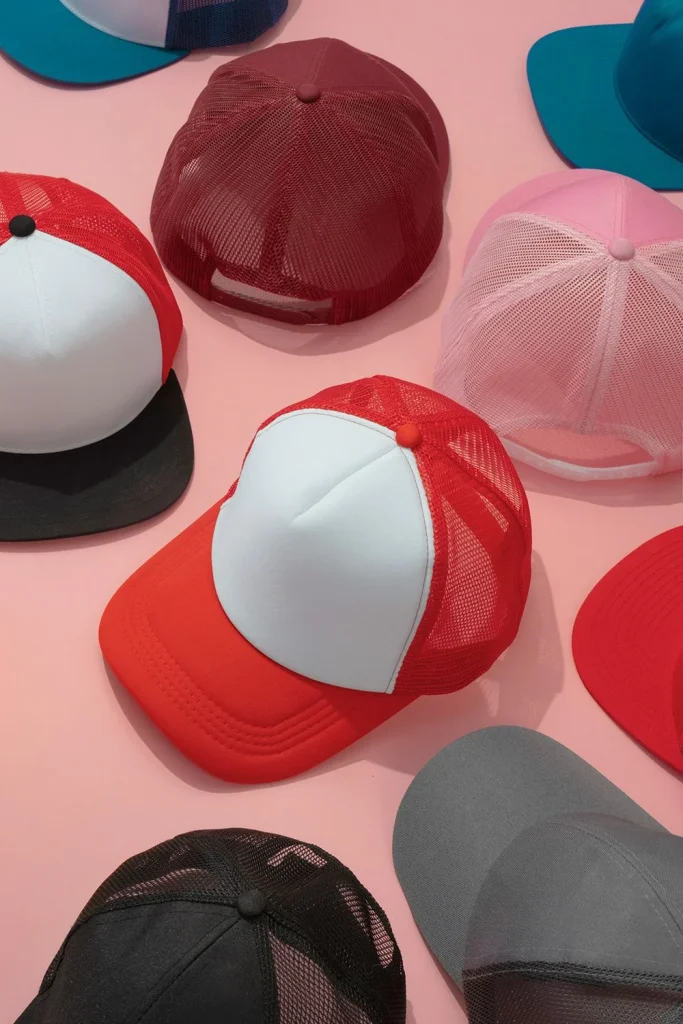
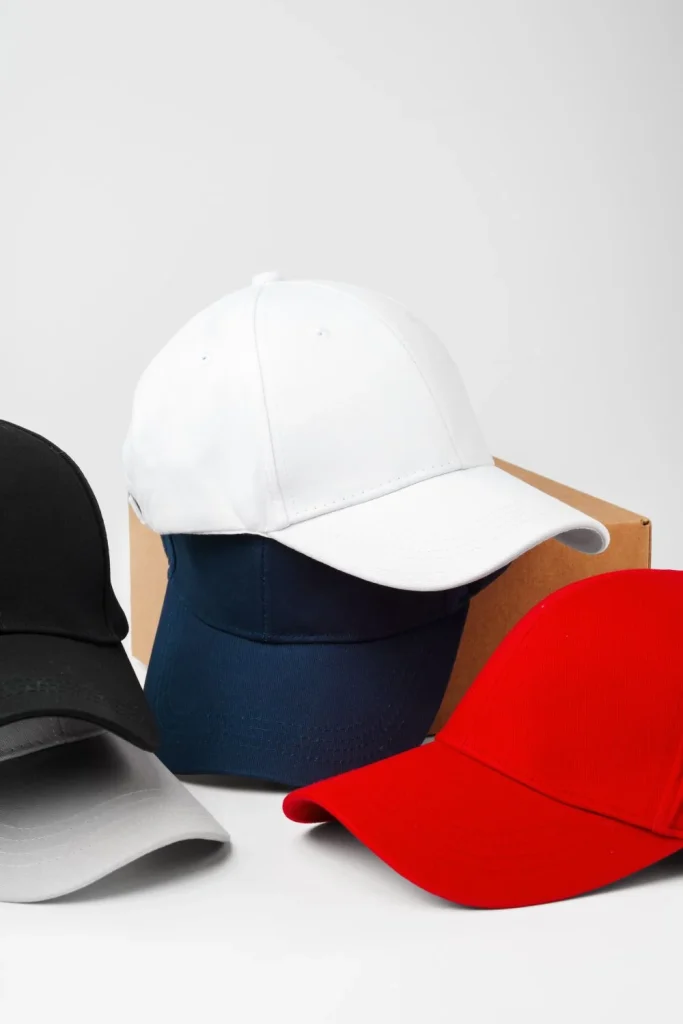

Hongyuecap is a custom snapback manufacturer producing flat-brim and curved-brim programs for streetwear labels, licensing buyers and distributors. Minimum order quantity is 50 pcs, capacity is 500,000 pcs per month, and we export to 32 countries. Sampling runs 3–15 days, bulk 3–50 days.
Snapbacks are a shape-led product: the crown height and brim profile carry the look, and the decoration sits on top of it. Getting the shape approved before artwork is what keeps a snapback program on schedule.
Procurement snapshot
| Item | Specification |
|---|---|
| Minimum order quantity | 50 pcs |
| Sampling lead time | 3–15 days |
| In-stock styles | 3–7 days |
| Standard production | 20–30 days |
| Peak season / complex builds | 35–50 days |
| Monthly capacity | 500,000 pcs per month |
| Export markets | 32 countries |
MOQ starts at 50 pcs; mass production runs up to 500,000 pcs per month.
NEXT STEP
Custom snapbacks, quoted from your artwork
Send a reference or a sketch — we confirm fabric, structure and decoration, then quote against a real sample schedule.
MOQ from 50 pcs per style · Sampling 3–15 days · Production 20–30 days
Snapback Cap Sourcing Specifications for Bulk Programs
| Program Input | What Buyers Should Confirm |
|---|---|
| Crown structure | Panel count, crown depth, profile, front support, and fit reference |
| Fabric direction | Material, weight, color target, hand feel, structure, and intended season |
| Visor construction | Flat or shaped direction, stiffness, stitching, underside color, and edge finish |
| Snap closure and fit | Snap material, color, size range, wearing conditions, and approved fit sample |
| Logo application | Embroidery, patch, print, placement, dimensions, colors, and artwork format |
| Private label and packing | Labels, hangtags, polybags, cartons, barcodes, and market-specific packing needs |
| Quantity and timing | Target quantity, sampling deadline, launch date, delivery market, and shipping terms |
| Quality plan | Crown shape, seam alignment, logo position, visor consistency, closure, fit, packing, and inspection requirements |
Crown Structure: Why a Snapback Sits High
A snapback reads as a snapback because of its crown, not its closure. Three structural choices produce that shape.
Front panel support. The front panels carry a stiffening layer behind the fabric, which is what holds a flat face for embroidery and keeps the crown from collapsing. The stiffness of that layer decides whether the cap looks structured and rectangular or softer and rounded. Confirm it by sample, because the same word covers very different materials.
Crown height. A taller crown sits higher on the head and leaves more room above the forehead. A shorter crown sits closer and reads more like a low-profile cap. Height and front-panel stiffness interact: a tall crown with a soft front looks unfinished, a short crown with a hard front looks rigid.
Panel layout. Six panels on a high crown give a rounded top; the same crown built from fewer panels reads more angular. The seam positions also decide where decoration can sit without crossing a join.
Agree crown height, front-panel stiffness and panel count together on a measurement sheet, and approve them on a sewn sample on a head form.
The Snap Closure and What It Changes
The plastic snap closure is the part of a snapback that wears out first, and it is also the part that determines how many head sizes one SKU covers.
Adjustment range. The closure is a row of snap positions on a strap. More positions cover a wider head-size range in one unit, which reduces the number of sizes a buyer has to stock. Fewer positions give a cleaner look but narrower coverage. Confirm the range in centimetres rather than in position count, because spacing differs between suppliers.
Durability. The failure mode is not the snap breaking, it is the prong tearing through the strap after repeated opening. Confirm the strap material and whether the snap is reinforced at the fixing point, and check a sample by opening and closing it repeatedly.
Replaceability and finish. Snap colour is a visible design element and is usually matched to the embroidery or the eyelets. Confirm the colour against the fabric, not against a colour chart, and confirm whether the closure can be supplied in a metal finish if the design calls for it.
Because the closure carries the size flexibility, decide it before the pattern is cut. Changing closure type after sampling usually changes the rear panel pattern.
Flat Brim: Core, Binding and Sticker Placement
A flat brim looks simple and is the part most likely to arrive damaged, because a flat shape has no structural memory of its own.
Core stiffness. The brim carries an internal core that decides whether it stays flat or curls at the edge. A stiffer core holds the shape but creases permanently if bent; a softer core survives packing but can wave along the edge. Confirm the core and check a sample after it has been compressed.
Edge finishing. A bound edge protects the core and gives a clean outline; an unbound edge is lighter but shows the core at the rim. Confirm which finish is specified and whether the binding thread is matched to the brim or contrasted deliberately.
Sticker and patch placement. Many programmes place a sticker or woven patch on the brim, which means the brim surface has to accept adhesive or stitching without marking. Confirm the position and size before production, and confirm whether a sticker is applied at origin or shipped loose, because applied stickers mark the fabric if removed.
Packing. Flat brims stack well but distort under load. Confirm carton stacking limits and whether units are interleaved or individually bagged, so the brim arrives flat rather than curved.
Snapback Cap Customization for OEM and ODM Programs
SPECIFY IT
Customization that survives bulk production
Tell us the style, quantity and destination. We reply with a costed quote and a sampling date, not a price list.
MOQ from 50 pcs per style · Sampling 3–15 days · Production 20–30 days

Material

Color

Style

Logo

Patch

Tag & Label

Closure

Packaging
GET A QUOTE
Flat brim, crown height and sticker placement
Tell us the style, quantity and destination. We reply with a costed quote and a sampling date, not a price list.
MOQ from 50 pcs per style · Sampling 3–15 days · Production 20–30 days
What Buyers Should Confirm Before Ordering Custom Snapback Caps
Before requesting a quote, confirm the crown profile and panel structure, flat or shaped visor direction, snap closure and fit range, fabric and color target, logo method and placement, private-label packaging, target quantity, delivery market, and QC expectations. Clear inputs help our team prepare a more accurate sampling and production plan.
Production Capacity
Quality Assurance
Customization Options
Sustainability Practices
Cost & Pricing
MOQ
Sample Development
Payment Terms & Conditions
Lead Time & Delivery
Customer Service
Hats Highlights: Latest Insights & Trends
Questions buyers ask about snapback caps
What makes a snapback sit higher than other caps?
The crown structure. A snapback is built with a higher, more structured front so it holds its shape instead of collapsing to the head. Crown height and the structure inside the front panels are the two variables that decide how it sits.
What should be confirmed about the snap closure?
The closure type, strap material, hardware finish, adjustment range and attachment method. These are specified together with the size range, because they decide who the cap fits.
What matters on a flat brim?
Brim core and stiffness, binding, stitch rows, and where a sticker is placed if the programme calls for one. Confirm whether the brim ships flat or pre-curved, because that changes packing and shape protection.
Can the same artwork be used on flat and curved brim versions?
Often yes, but placement and dimensions should be checked against each brim direction. Curvature changes how a logo reads from the front, so artwork is confirmed against the target construction rather than reused blindly.
What is the minimum order quantity, and how long does it take?
Our minimum order quantity is 50 pcs per style and colourway. On more complex builds – structured crowns, custom-developed fabric or custom colours, and multi-technique decoration – the practical minimum has ranged up to around 1,200 pcs, because the mill runs a minimum dye lot and the line needs a run long enough to hold consistency across the whole order. Tell us your target quantity and we will say straight away what is workable; recent orders we have run include 490 and 500 pcs. Sampling runs 3-15 days. Bulk production runs 20-30 days in a normal season and 35-50 days in peak season, counted from artwork and sample approval rather than from the enquiry date.