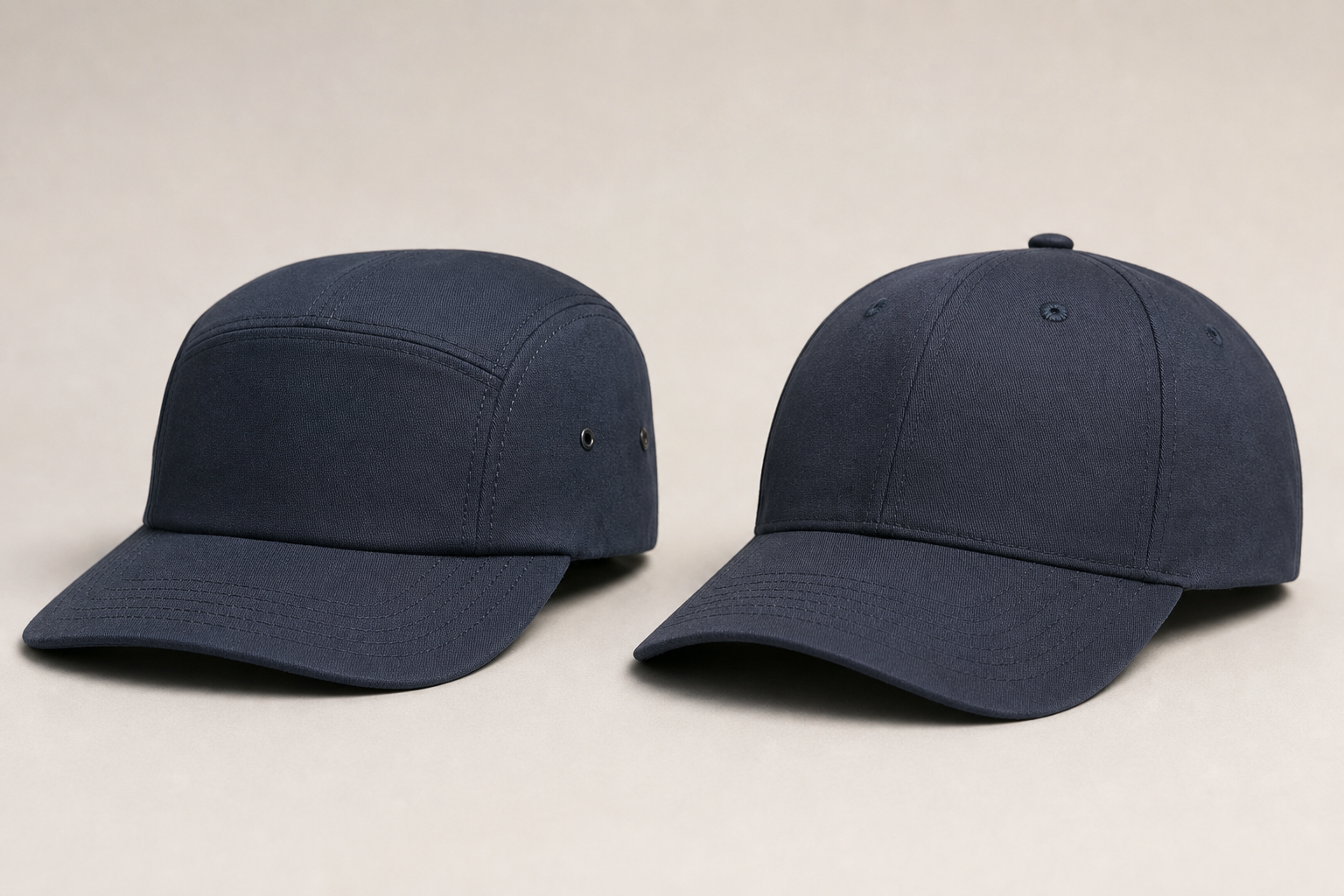
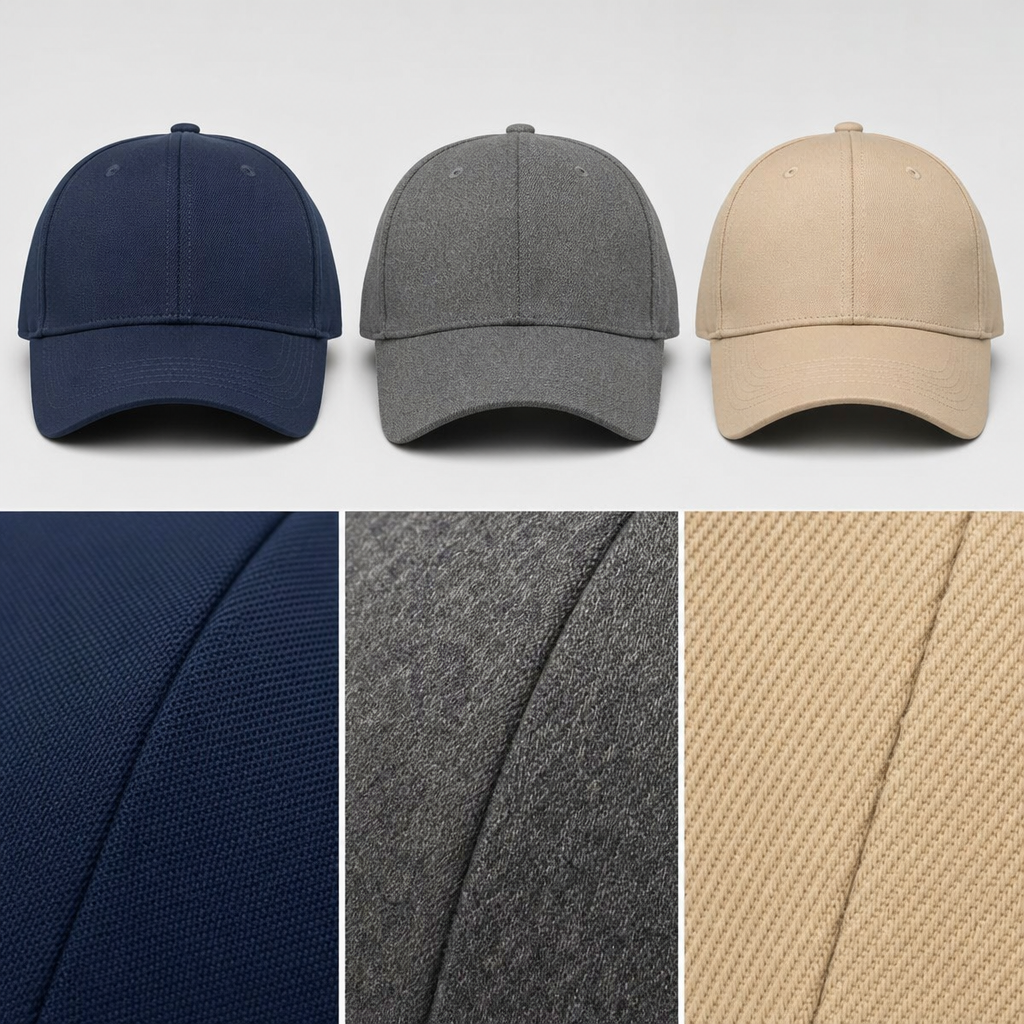
Beanie logo approval: Stretch the finished sample to the expected wearing circumference, then inspect embroidery density, patch-edge lift, woven-label distortion and backing comfort. Record the approved cuff height and logo position so bulk pieces are checked against the same stretched and relaxed measurements.
Retail buyers usually notice the problem too late: a hat that looked fine in a sample carton arrives on shelf with crushed structure, poor recovery, weak comfort, or a fit profile that creates avoidable returns. Custom knitted beanie decoration guide decisions work better when buyers test the real use case instead of trusting generic spec sheets.
Custom knitted beanie decoration guide is not just a product keyword. It is a buying framework for retailers, resort programs, boutique stores, and uniform projects that need lower return rates, cleaner display standards, and more dependable repeat orders. Buyers working with suppliers in Guangdong, China often serve customers in the USA, EU, AU, and GCC, so the article below focuses on practical specification checkpoints that survive freight, climate, and day-to-day selling pressure.
Why decoration choice changes comfort and fit
Direct answer: A custom knitted beanie decoration guide starts with knit behavior, because the logo method can add stiffness, reduce stretch, or distort recovery even when the visual branding looks strong.
Many branded beanie projects fail because buyers compare only logo appearance. That is backwards. Decoration sits on top of a flexible structure, so any added weight or rigid surface changes how the beanie stretches over the forehead, cuff, and crown. Corporate, school, and private label programs should therefore review logo impact and knit performance together.
Embroidery: when it works and when it starts to fight the knit
Direct answer: Embroidery works best on stable cuff zones and heavier knits, but dense stitching can create puckering or hard spots if the base fabric is too soft or elastic.
Embroidery is familiar and often affordable, which is why buyers default to it. The problem is tension. A dense logo on a light rib knit can pull the fabric and change how the beanie sits on the head. That is not just a quality issue. It directly affects comfort and repeat purchase rates.
Logo method
Main strength
Main risk
Embroidery
Strong logo visibility
Can stiffen soft knits
Woven patch
Crisp branding details
May create rigid feel
Jacquard
Better integrated stretch
Less sharp for tiny details
Hybrid review
Side-by-side scoring
Needs more sampling time
Woven patches: branding clarity with moderate structural impact
Direct answer: Woven patches give crisp logo edges and controlled placement, but buyers must still evaluate patch size, edge finish, and attachment method so the patch does not create a rigid pressure point.
Patches are popular because they keep brand artwork neat. They also separate logo detail from the knit structure. Still, if the patch is too large or too stiff, the beanie can feel heavy in one zone. Buyers should touch, stretch, and wear-test the exact patch build instead of approving by flat photo only.
Wear-test the beanie for at least 10 minutes
Stretch cuff and body before approving logo size
Check logo placement repeatability in bulk
Score both branding and comfort
Jacquard logos: integrated branding for better stretch retention
Direct answer: Jacquard usually protects stretch better because the logo is built into the knit, but buyers need to confirm color clarity, reading distance, and production consistency across bulk runs.
For projects where softness and flexibility matter most, jacquard can be the cleanest option. The trade-off is graphic sharpness. Small lettering may not read as clearly as embroidery or a woven patch. That means the choice is rarely just aesthetic. It is a balance of comfort, stretch, visibility, and price.
Lock the base beanie structure
Build three logo samples
Compare stretch and skin feel
Approve the best decoration route
How buyers compare decoration methods before final approval
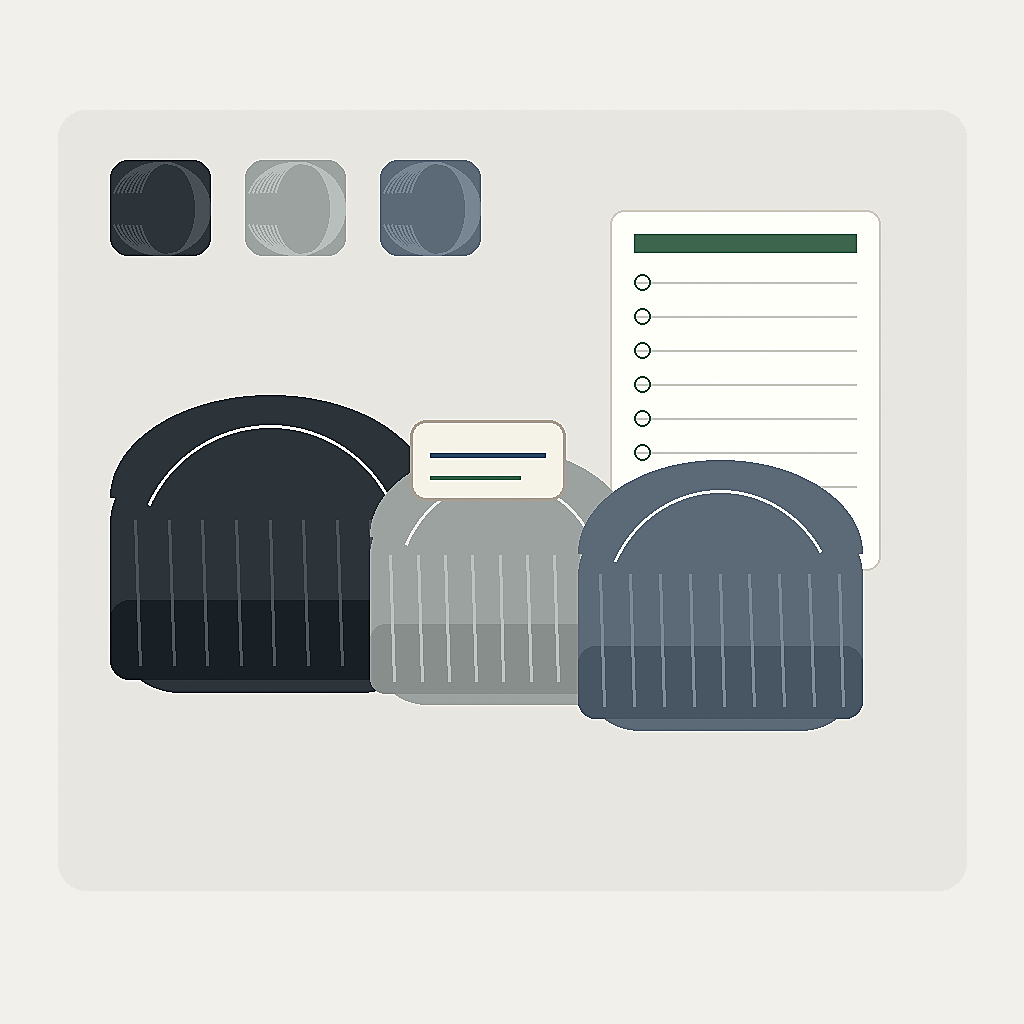
Direct answer: The safest comparison method is to test all three logo routes on the same base beanie, then score stretch recovery, skin feel, visual accuracy, and consistency after handling.
This is where professional buyers save time. Put embroidery, patch, and jacquard on the same yarn weight and silhouette. Stretch each sample, wear it, and inspect logo stability after packing and repeated handling. That creates a real commercial comparison instead of a design-room opinion.
For deeper category browsing, see our contact page. Buyers comparing project options can also review the knitted beanies category and visit our homepage to discuss OEM and private label details. If you want a broader brand introduction, our about us page gives a quick overview of our export experience.
For external reference, buyers can review guidance from American Apparel & Footwear Association when aligning compliance, merchandising, or operational expectations across markets.
Final buying recommendation
Direct answer: The safest way to buy custom knitted beanie decoration guide is to define the exact use case, convert quality language into measurable tests, and approve bulk only after structure, comfort, and display performance have been validated on real samples. single layer vs double layer knitted beanies
External Quality Reference for Buyers
Buyer Checklist Before Confirming the Order
How Buyers Can Use This Guide During Supplier Negotiation
Written by the Hongyuecap Product Team — 10+ years in B2B custom headwear manufacturing. Last updated: May 03, 2026.