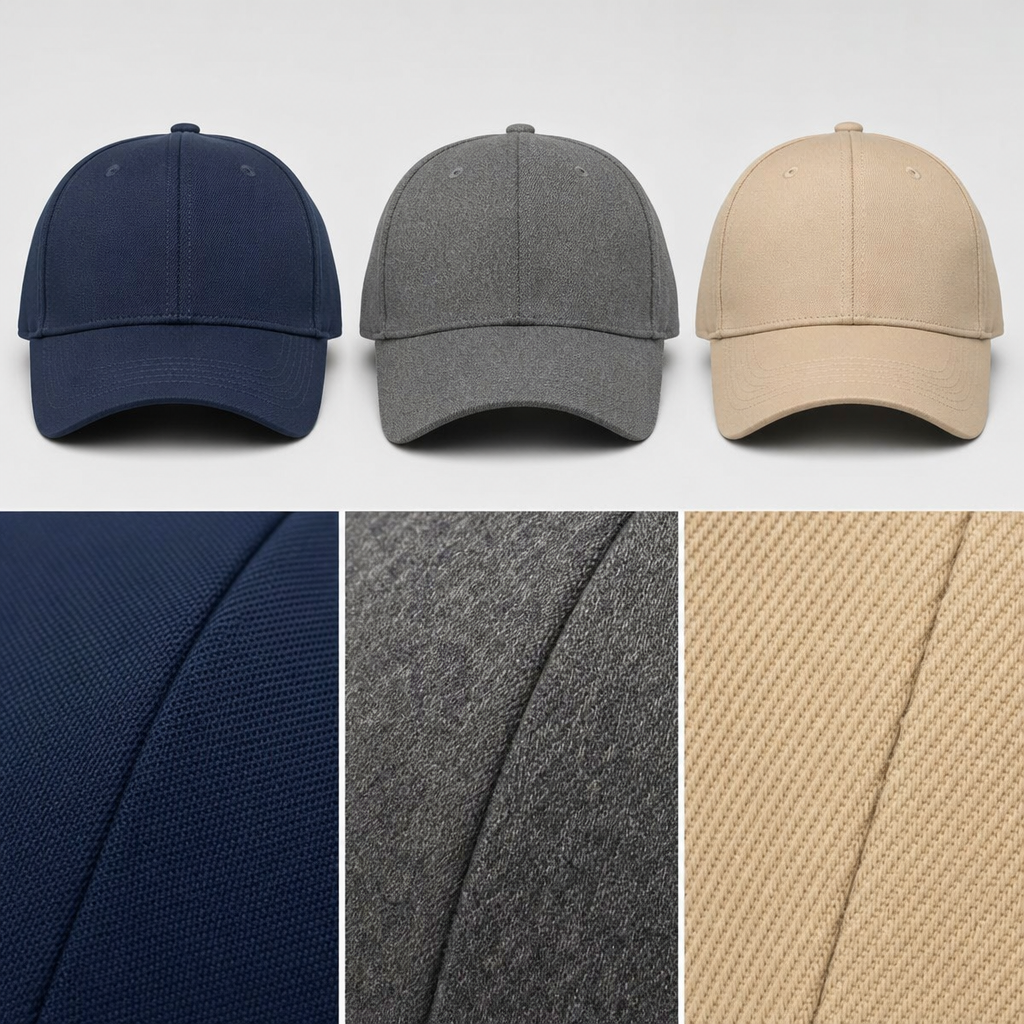
5-panel vs 6-panel baseball caps for brand buyers is not a small style choice in B2B sourcing. It usually affects sample approval speed, logo execution, carton efficiency, and how safely a program can move from quotation into repeat bulk production.
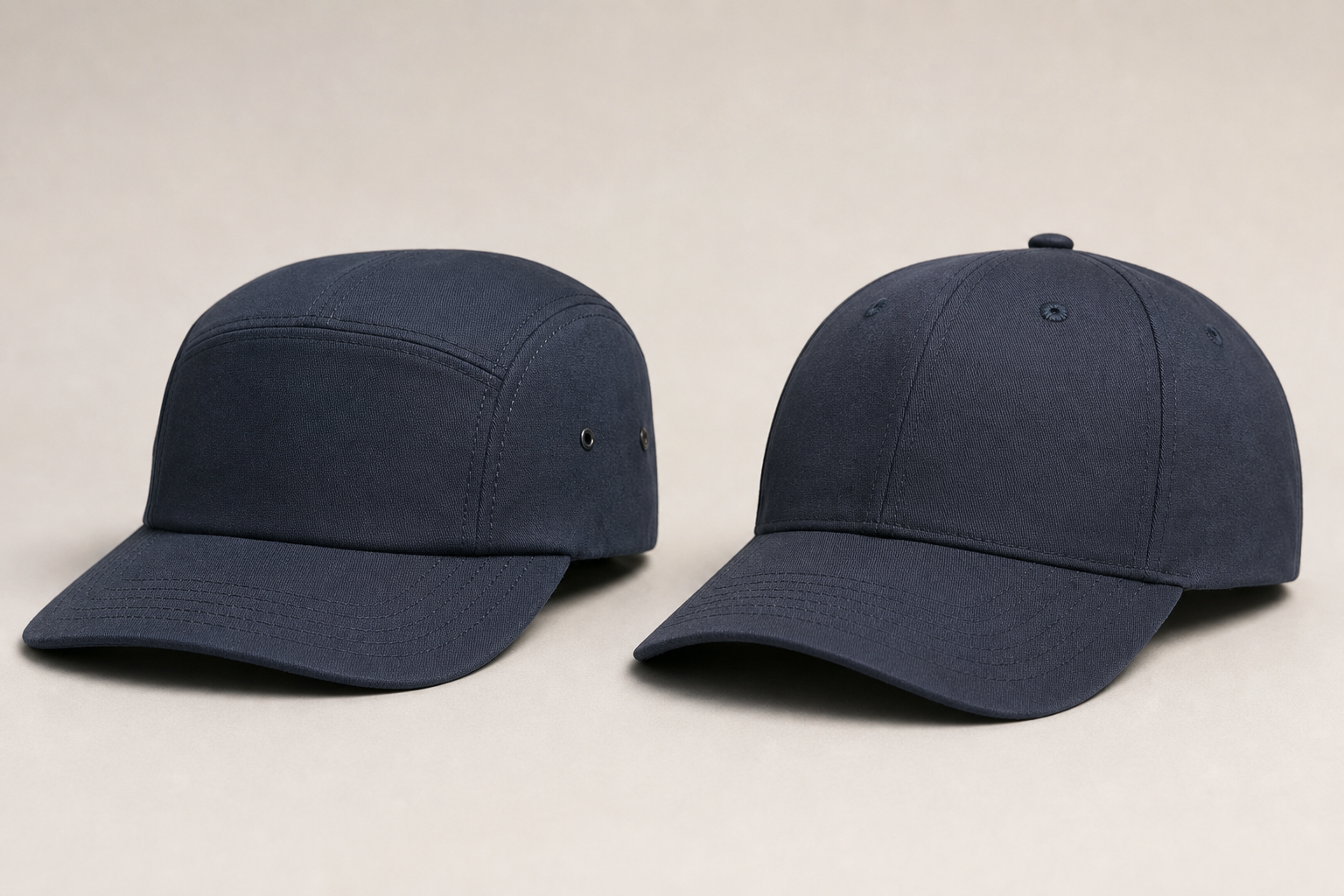
Buyers rarely lose money because a product looks bad in a photo. They lose money when a sample looks acceptable, but the bulk order turns into extra revisions, packing damage, decoration trouble, or a product that does not fit the selling channel. That is usually the real issue behind 5-panel vs 6-panel baseball caps for brand buyers.
If your team is comparing options right now, keep the decision tied to the RFQ instead of treating it as a style discussion. Use the live Baseball Cap category to check the product direction, keep HongYueCap as the factory reference point, and move the final discussion back to custom inquiry and sample planning once the specs are clear.
This guide stays on the buyer side of the table. The goal is simple: help you judge risk earlier, ask cleaner questions, and avoid approving a version that creates trouble later in sampling or production.
For most wholesale projects, the right comparison is not "which shape looks better on screen?" It is "which structure gives the buyer fewer surprises once logo method, packing, freight, and repeat production are fixed?" If that question is handled too late, the factory and the buyer both lose time in second-sample rounds that should have been prevented at RFQ stage.
Main Buyer Problem
Most buyers are not really deciding between two looks. They are deciding which version is easier to sell, easier to approve, and easier to repeat in bulk. Those are not always the same thing.
A common mistake is to compare only the visible feature that triggered the discussion in the first place. The stronger comparison is commercial: which option fits the target market, the logo plan, the freight method, and the expected complaint level after delivery? That is where many sourcing decisions go wrong.
Before reviewing samples, write down the non-negotiables. Is margin the priority? Is shelf appearance the priority? Is the program sensitive to packing shape, moisture, or decoration accuracy? Once those points are fixed, the choice usually gets much clearer.
Another buyer mistake is treating both structures as interchangeable until artwork is already confirmed. In practice, the panel count can change how front decoration sits, how side branding reads, and how stable the crown stays after shipment. That does not mean one option is always better. It means the comparison has to happen with the selling context, not after the factory has already started sampling around assumptions.
Material / Construction Risk
Material risk should be judged in the same way a buyer reviews a claim from a supplier: what changes in the real order, not just in the sample room. A softer or more premium-looking option may help the product story, but it can also make handling, packing, or logo placement less forgiving. A lower-cost option may simplify MOQ and sourcing, but it can weaken perceived value or create a finish that feels too ordinary for the target account.
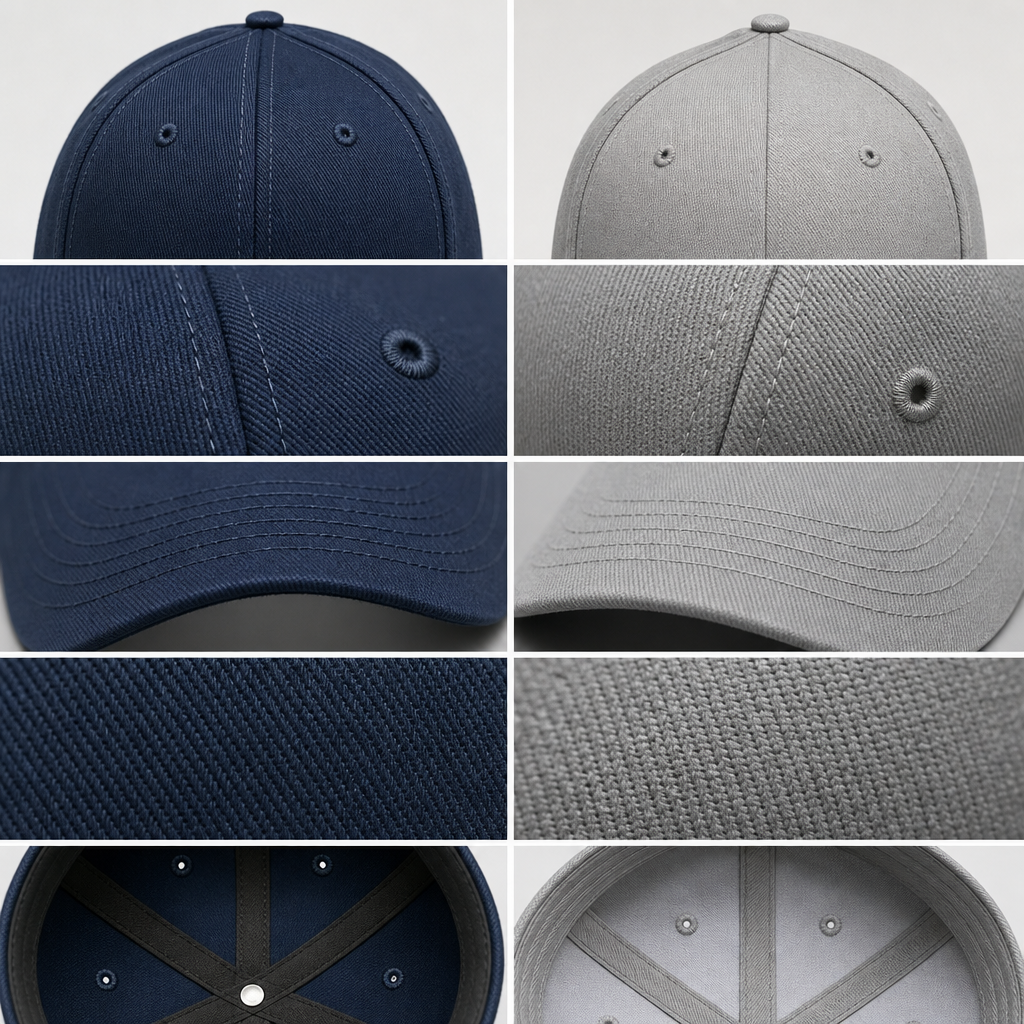
This is why construction detail matters. Stitching density, panel stability, trim attachment, edge shape, and recovery after packing often decide whether the approved sample still looks right after shipment. If the order will involve embroidery, patches, inserts, liners, or branded trims, those details should be tested on the real version, not on a cleaner substitute.
For external validation, keep practical references such as OEKO-TEX Standard 100 and Textile Exchange in the file. They do not make the sourcing decision for you, but they help anchor material and compliance discussions in something more concrete than supplier promises alone.
Supplier / MOQ / Sampling Risk
Supplier risk usually starts before production. It starts when the brief is too loose. Two factories can quote similar pricing and still give you very different outcomes in sample speed, trim sourcing, packing consistency, and revision count.
Good buyers do not ask only for price. They ask what tends to change after the first sample, what the real MOQ is once branding details are locked, how long a corrected sample takes, and which part of the spec creates the most production variation. Those answers tell you more than the quote sheet.
Lead time deserves the same level of scrutiny. A program can look efficient on paper and still slip because the supplier treated decoration, insert structure, or packaging method as a later-stage detail. When sending the RFQ, ask for four things in plain terms: MOQ, sample lead time, bulk lead time, and the most likely reason a second sample round would be needed.
It also helps to ask which structure the factory runs most consistently for similar wholesale orders. A supplier may be able to make both, but one line may already have cleaner trim sourcing, more stable panel shaping, or faster repeat turnaround. For brand buyers, that operational familiarity often matters more than a small appearance preference, especially when the first order is also testing a new supplier relationship.
QC Checklist
- Check that the approved sample and the production version use the same material, structure, and finish.
- Review how the logo method behaves on the real surface, not on a cleaner test panel.
- Inspect seam, edge, panel, brim, cuff, or body stability after normal handling.
- Test how the item looks after folding, boxing, unboxing, or short-term storage.
- Confirm trim placement, symmetry, attachment strength, and visible finishing quality.
- Decide which failure would hurt the order most: shape loss, decoration error, packing damage, or mismatch with the target market.

Buyer Decision Framework
A practical buyer framework is usually enough.
1. Start with the selling context. A distributor order, a corporate merchandise run, and a private-label launch do not tolerate the same level of risk. 2. Match the product choice to the branding method. If the order depends on embroidery, patches, transfers, or custom trims, test that exact combination early. 3. Decide which problem would be hardest to fix after approval. That is often the point that should drive the choice. 4. Compare supplier control, not sample charm. Ask which version is easier to repeat cleanly over the full bulk quantity. 5. Keep the next step ready. Once the comparison is settled, move directly to contact and sample planning with quantity, logo file, country, and delivery window.
A good B2B article should shorten that path. It should help a buyer move from comparison to a cleaner RFQ, not just leave them with more generic information.
If your team is still split after the first comparison round, do not approve based on taste alone. Ask the factory to confirm the recommended structure against decoration method, target price band, packing method, and the market you are supplying. That keeps the decision tied to repeatability, which is what matters most once the order scales.
FAQ
What is the safest way to compare options for a wholesale order?
Choose the version that best fits the selling channel and the production reality at the same time. The safer option is usually the one that the supplier can repeat consistently without forcing extra compromises later in decoration, packing, or quality control.
What should buyers include in the sample brief during comparison?
Keep both samples under the same conditions: same logo method, same trim expectation, same packing logic, and the same target market. That is the fastest way to see the real sourcing difference instead of just a visual difference.
Why do material-comparison decisions still fail after a good-looking sample?
Many decisions fail because the buyer approved a sample before locking MOQ, revision rules, decoration behavior, and packing response. A good-looking sample is not enough if it does not represent the real bulk scenario.
CTA
If you are reviewing 5-panel vs 6-panel baseball caps for brand buyers for a wholesale or custom program, send HongYueCap your logo file, target quantity, destination country, delivery date, sample needs, and core product requirements through our contact page. We can help you narrow the safer route before the order moves into production.
Written by the Hongyuecap Product Team — 10+ years in B2B custom headwear manufacturing. Last updated: June 25, 2026.