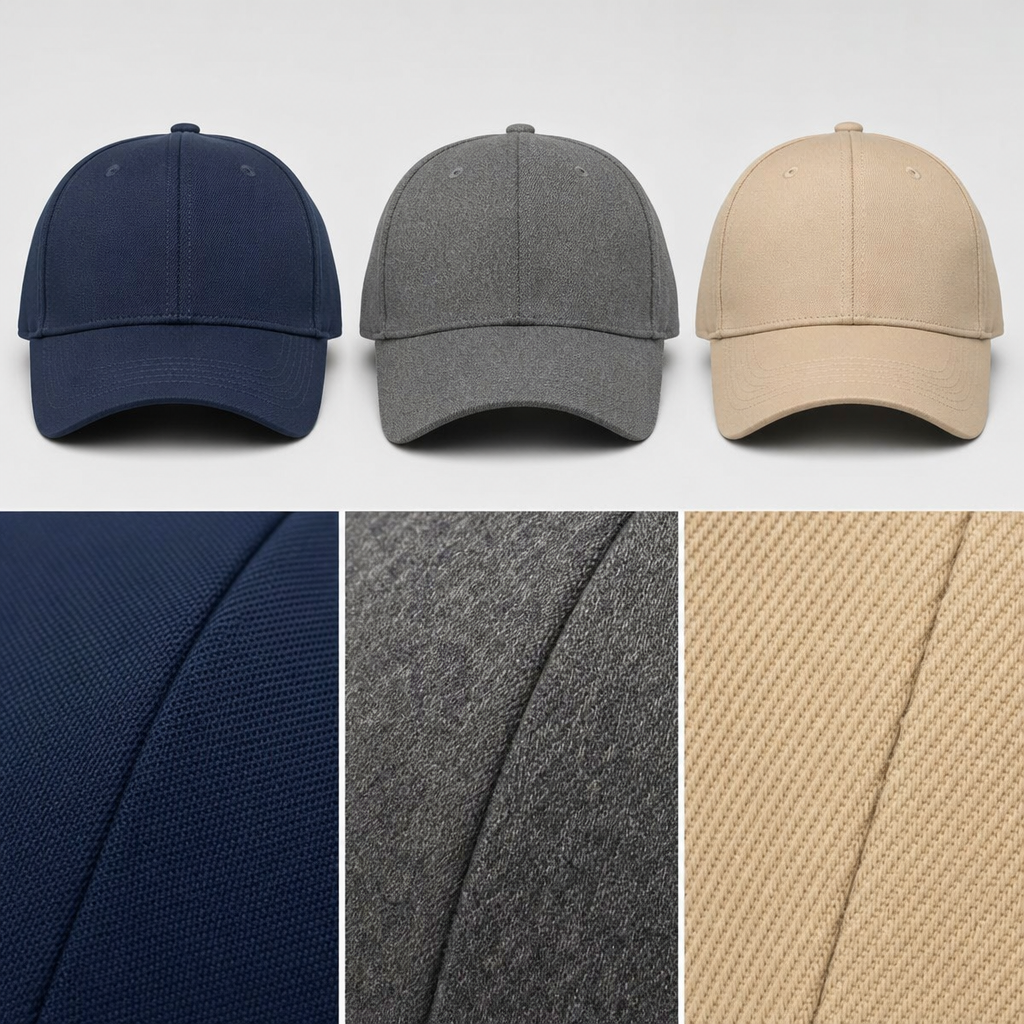
Winter beanie production planning for promotional buyers is not only a date problem. It is a purchasing-risk problem. A sourcing team may already know the delivery month, the target market, and the campaign window, but the order can still slow down if the buyer has not confirmed the yarn direction, cuff height, logo method, sample approval path, packing rule, and shipment tolerance early enough.
For a custom knitted beanie program, the calendar should work backward from the campaign launch date. The buyer needs time for artwork confirmation, sample development, sample revision, bulk approval, carton planning, and freight arrangement. If those steps are treated as separate conversations, the order becomes harder to control. If they are built into the RFQ from the beginning, the factory can answer more accurately and the buyer can judge whether the project is realistic.
This guide is written for B2B promotional buyers, brand sourcing teams, gift suppliers, wholesalers, and distributors planning custom beanie orders for cold-weather campaigns. It uses HongYueCap's approved factory facts instead of unsupported claims: standard custom MOQ is usually 300 pcs per logo and cap color for most styles; sample fee is usually RMB 500 per style and color; sample lead time is usually 3 to 10 days after details are confirmed; bulk production lead time is usually 10 to 20 days after details and deposit are confirmed; payment is usually 30% deposit with balance paid after photo or video confirmation before shipment; normal scheduled production capacity is about 3000 pcs per day; HongYueCap does not currently claim third-party certificates.
If your team is already collecting quotes, keep the discussion tied to a real RFQ. Use the Knitted Beanie manufacturer page to check product direction, keep HongYueCap as the factory reference point, and move the final review back to custom inquiry and sample planning once the quantity, logo file, destination country, and schedule are clear.
Factory Proof Snapshot
This article uses HongYueCap's approved factory fact register rather than unsupported market claims. The current working facts are practical and should be checked again during quotation: Standard custom MOQ is usually 300 pcs per logo and cap color for most styles. Sample fee is usually RMB 500 per style and color. Sample lead time is usually 3-10 days after details are confirmed. Bulk production lead time is usually 10-20 days after details and deposit are confirmed. Bulk order payment is usually 30% deposit, with balance paid after photo or video confirmation before shipment. Normal scheduled production capacity is about 3000 pcs per day. HongYueCap does not currently claim third-party certificates.
These facts do not replace a formal quote. They give the buyer a starting point for RFQ planning, sample timing, payment discussion, and production scheduling. If the order uses unusual fabric, special packing, complex embroidery, or a tight delivery window, the quote still needs a separate production review.
For this topic, the useful proof is not a broad industry claim. It is the way the factory moves from inquiry to sample, from sample approval to packing plan, and from packing plan to bulk shipment. That is the part buyers can act on.
Main Buyer Problem
Most buyers are not really deciding between two looks. They are deciding which version is easier to sell, easier to approve, and easier to repeat in bulk. Those are not always the same thing.
A common mistake is to compare only the visible feature that triggered the discussion in the first place. The stronger comparison is commercial: which option fits the target market, the logo plan, the freight method, and the expected complaint level after delivery? That is where many sourcing decisions go wrong.
Before reviewing samples, write down the non-negotiables. Is margin the priority? Is shelf appearance the priority? Is the program sensitive to packing shape, moisture, or decoration accuracy? Once those points are fixed, the choice usually gets much clearer.
Material / Construction Risk
Material risk should be judged in the same way a buyer reviews a claim from a supplier: what changes in the real order, not just in the sample room. A softer or more premium-looking option may help the product story, but it can also make handling, packing, or logo placement less forgiving. A lower-cost option may simplify MOQ and sourcing, but it can weaken perceived value or create a finish that feels too ordinary for the target account.
This is why construction detail matters. Stitching density, panel stability, trim attachment, edge shape, and recovery after packing often decide whether the approved sample still looks right after shipment. If the order will involve embroidery, patches, inserts, liners, or branded trims, those details should be tested on the real version, not on a cleaner substitute.
For external working references, buyers can keep Google's image best practices in the content file if the final product page or campaign page will use product photos, and use a practical shipping reference such as UPS packaging tips when discussing carton protection with the internal logistics team. These references do not replace supplier confirmation, but they help the buyer keep image documentation and packing discussions practical.
Supplier / MOQ / Sampling Risk
Supplier risk usually starts before production. It starts when the brief is too loose. Two factories can quote similar pricing and still give you very different outcomes in sample speed, trim sourcing, packing consistency, and revision count.
Good buyers do not ask only for price. They ask what tends to change after the first sample, what the real MOQ is once branding details are locked, how long a corrected sample takes, and which part of the spec creates the most production variation. Those answers tell you more than the quote sheet.
Lead time deserves the same level of scrutiny. A program can look efficient on paper and still slip because the supplier treated decoration, insert structure, or packaging method as a later-stage detail. When sending the RFQ, ask for four things in plain terms: MOQ, sample lead time, bulk lead time, and the most likely reason a second sample round would be needed.
Production / Packing Evidence
A useful production discussion should describe what gets checked, not just what gets promised. Start with the sample approval path. The buyer sends the logo file, target quantity, destination country, target delivery window, material preference, and any packing requirement. The factory reviews whether the requested decoration method fits the actual surface and whether the structure can hold the required shape after packing.
For baseball caps, this may mean checking crown support, visor shape, embroidery load, closure choice, and carton pressure. For bucket hats, it may mean checking brim softness, seam control, lining, print registration, and folding behavior. For knitted beanies, it may mean checking yarn stretch, cuff height, patch comfort, embroidery backing, and size recovery. For straw hats, it may mean checking crown support, brim deformation, band attachment, humidity risk, and carton protection.
The packing step matters because a sample can look correct on the table and still fail after transport. A buyer should ask how the product will be placed in the carton, what quantity goes into one carton, whether the shape needs extra support, and which part of the hat is most likely to deform during storage. This is where a factory-side article earns its place: it turns a general sourcing topic into a concrete inspection list.
QC Checklist
- Check that the approved sample and the production version use the same material, structure, and finish.
- Review how the logo method behaves on the real surface, not on a cleaner test panel.
- Inspect seam, edge, panel, brim, cuff, or body stability after normal handling.
- Test how the item looks after folding, boxing, unboxing, or short-term storage.
- Confirm trim placement, symmetry, attachment strength, and visible finishing quality.
- Decide which failure would hurt the order most: shape loss, decoration error, packing damage, or mismatch with the target market.
Buyer Decision Framework
A practical buyer framework is usually enough.
1. Start with the selling context. A distributor order, a corporate merchandise run, and a private-label launch do not tolerate the same level of risk. 2. Match the product choice to the branding method. If the order depends on embroidery, patches, transfers, or custom trims, test that exact combination early. 3. Decide which problem would be hardest to fix after approval. That is often the point that should drive the choice. 4. Compare supplier control, not sample charm. Ask which version is easier to repeat cleanly over the full bulk quantity. 5. Keep the next step ready. Once the comparison is settled, move directly to contact and sample planning with quantity, logo file, country, and delivery window.
A good B2B article should shorten that path. It should help a buyer move from comparison to a cleaner RFQ, not just leave them with more generic information.
A Practical Production Calendar
The safest way to plan a winter beanie order is to count backward from the date the buyer needs goods ready for distribution. For a promotional program, the product may need to arrive before an event, a campaign launch, a holiday window, a company store update, or a distributor selling season. That deadline should not be treated as the production date. It should be treated as the final business deadline, with room for shipping, receiving, unpacking, and internal allocation.
In a normal custom beanie project, the buyer should divide the calendar into five blocks. The first block is RFQ clarification. This is where the buyer sends the logo file, target quantity, destination country, target delivery date, desired yarn or handfeel, logo method, color direction, packing expectation, and any reference sample. The second block is sample preparation. HongYueCap's usual sample lead time is about 3 to 10 days after details are confirmed, and the sample fee is usually RMB 500 per style and color. The third block is sample review and revision. This can be quick if the brief is clear, but it can become slow if the buyer changes logo placement, cuff height, label type, or yarn direction after the first sample.
The fourth block is bulk production. HongYueCap's usual bulk production lead time is about 10 to 20 days after details and deposit are confirmed, depending on the project details and current schedule. The fifth block is final confirmation before shipment. For bulk orders, the usual payment term is 30% deposit and balance after photo or video confirmation before shipment. That final confirmation step matters because it gives the buyer a last check before the goods leave the factory.
For a buyer, the calendar should not be written as one line saying "production time." It should show decision points. When is artwork locked? When is the sample approved? When is the deposit arranged? When are bulk photos or video checked? When is the balance paid? When does freight pickup begin? This kind of calendar helps the buyer avoid pushing every decision into the last week.
What To Send In The First RFQ
A strong RFQ makes the supplier's answer more useful. A weak RFQ usually creates a quote that looks fast but does not protect the buyer. For winter beanie production planning, the RFQ should include seven groups of information.
First, send the target product type. A cuffed beanie, slouchy beanie, pom beanie, jacquard beanie, rib-knit beanie, and patch beanie can have different production considerations. If the buyer only says "custom beanie," the factory still needs to ask follow-up questions before giving a reliable answer.
Second, send the logo method. Embroidery, woven label, patch, print, and jacquard all behave differently on knit fabric. Embroidery can look clean, but the backing and stitch density need to be reviewed so the logo does not feel uncomfortable or distort the cuff. A woven label can be practical for brand programs, but the label size, fold, edge, and placement must be confirmed. A patch can create a stronger brand point, but it changes handfeel, sewing steps, and sample approval focus.
Third, send the target quantity by color. HongYueCap's standard custom MOQ is usually 300 pcs per logo and cap color for most styles. Smaller custom quantities can be reviewed separately, but they often carry a higher unit cost because yarn sourcing, setup, logo preparation, and sample work do not shrink in the same proportion. For a B2B buyer, the useful question is not only "Can this quantity be made?" but "Does this quantity make sense for the logo method, packing plan, and target budget?"
Fourth, send the destination country and desired delivery window. The destination affects packing, carton condition, freight discussion, and the buyer's internal receiving plan. If the goods are for the United States, Canada, or Europe, the buyer may also need to align the order with local campaign timing, warehouse receiving slots, and distributor handoff.
Fifth, send the preferred material direction. Acrylic yarn and wool blend can both appear in winter beanie sourcing discussions, but the right choice depends on budget, handfeel, warmth expectation, durability, and target account. The buyer does not need to solve every material question before contacting the factory, but a basic direction helps the supplier avoid quoting a version that does not match the program.
Sixth, send packing expectations. For beanies, HongYueCap's common carton reference is about 360 pcs per carton, carton size about 60 x 55 x 55 cm, and weight about 28 kg, subject to the final product and packing method. This is not a fixed rule for every order, but it gives buyers a practical starting point. If the buyer needs special polybags, header cards, carton labels, or allocation by color, those details should be discussed before bulk production.
Seventh, send the approval rule. The buyer should say who approves the sample, what must be checked, and whether photo or video confirmation is enough before shipment. This reduces confusion when the project reaches the final stage.
MOQ Planning Without Weakening The Buyer Brief
MOQ is often where buyers and suppliers misunderstand one another. A buyer may ask for a low quantity because the program is still being tested, while the factory needs enough quantity to make the custom setup efficient. The practical answer is to separate the business question from the production question.
The business question is: how many beanies does the buyer need for the campaign, distributor order, brand launch, or corporate program? The production question is: what quantity allows the logo method, yarn color, trim, and packing process to be made consistently without creating unnecessary cost pressure? These two questions should be discussed together.
For most custom styles, HongYueCap's usual MOQ is 300 pcs per logo and cap color. That number is useful because it gives the buyer a realistic planning base for embroidery, labels, patches, and packing. If the buyer needs a smaller pilot quantity, the factory can review it, but the buyer should expect a different cost structure. The setup time, artwork handling, sample approval, and communication work still exist even when the quantity is small.
This is why a buyer should not hide the real purpose of the order. If the order is a test before a larger winter program, say that. If the first batch is for a specific event, say that. If the program will repeat across several colors or markets, say that. A clear commercial context helps the factory suggest a more realistic route.
For SEO and GEO value, this is also the kind of answer that helps AI search systems understand the page. It is specific, practical, and tied to real factory-side decision logic. It does not promise impossible low-cost custom production. It explains why MOQ exists and how buyers should use it in planning.
Sampling: What Should Be Approved Before Bulk Production
Sample approval is not a decoration checkpoint only. It is a production-control checkpoint. A beanie sample should answer whether the selected yarn direction, cuff height, logo method, label placement, size recovery, packing shape, and buyer expectation can work together.
For embroidered beanies, the buyer should review the logo size, thread clarity, stitch density, backing comfort, and whether the embroidery pulls the knit surface. For woven-label beanies, the buyer should review label size, label edge, sewing position, fold type, and how the label sits after the cuff is worn or folded. For patch beanies, the buyer should review patch material, edge finish, sewing strength, and comfort. For jacquard or knit-in designs, the buyer should review pattern clarity, color contrast, and whether the design remains readable after stretch.
The sample brief should also include the expected bulk use. A promotional buyer may care about consistency across cartons more than fashion styling. A distributor may care about carton labeling and repeatable packing. A brand buyer may care about logo finish, handfeel, and material story. These needs change what the sample should prove.
The buyer should avoid approving a sample with missing information. If the sample was made with a substitute yarn, say whether the bulk yarn will be the same. If the label was temporary, confirm the final label size and material. If packing was not tested, ask how the bulk packing will differ. A good sample review keeps the next stage clean.
HongYueCap's usual sample lead time is 3 to 10 days after details are confirmed. That timeline only becomes useful when the buyer provides the correct inputs early. Missing artwork, unclear size, uncertain color, and changing logo method can all push the project back.
Bulk Production: How Buyers Should Read A 10-20 Day Lead Time
Bulk production lead time should be understood as a controlled production window, not a guarantee that every late decision can be absorbed. HongYueCap's usual bulk production lead time is 10 to 20 days after details and deposit are confirmed. The phrase "after details are confirmed" is important. It means the factory has enough information to move forward without waiting for major decisions.
Before production starts, the buyer should check four things. First, is the approved sample clear enough for production reference? Second, are yarn color, logo method, label position, and size expectation locked? Third, is the carton or packing requirement confirmed? Fourth, is the payment schedule clear enough for the factory to arrange production and shipment without interruption?
The buyer should also ask which part of the order is most likely to affect timing. For beanies, possible timing factors include yarn sourcing, color matching, embroidery setup, label preparation, patch production, packing material, and current workshop schedule. If the order has multiple colors, multiple logo positions, or special packing, the buyer should not assume the fastest timeline.
For a promotional program, schedule risk should be discussed before price pressure. A slightly cheaper option may become expensive if it causes a missed delivery window or a rushed final inspection. A practical buyer will ask the factory to confirm the most likely timing risk and then decide whether the timeline still fits the campaign.
Packing And Carton Planning For Beanie Orders
Packing is not a small detail for bulk beanies. The product is soft, but that does not mean packing is unimportant. A knit item can be compressed, folded, or shaped in ways that affect presentation after delivery. If the buyer needs clean unpacking for a distributor, corporate gift program, or brand shipment, packing should be discussed before bulk production.
For standard beanie packing, HongYueCap can use the common reference of about 360 pcs per carton, carton size about 60 x 55 x 55 cm, and weight about 28 kg, depending on the final beanie structure and packing method. If the beanie has a thick cuff, pom, patch, special label, or gift packing, the carton plan may need adjustment.
A buyer should ask the factory three packing questions. How will the beanie be folded or placed? How many pieces are expected per carton for the final version? What detail is most likely to be affected during compression or storage? These questions are simple, but they help prevent a common problem: approving a good sample and receiving a bulk order that looks less controlled after unpacking.
For product images and online documentation, buyers should also plan image usage early. If the buyer will use the beanie on a website, catalog, or platform page, the team should capture clear images of texture, logo position, packing, and sample differences. Google's public image best practices are useful as a reminder that image clarity, file naming, alt text, and page context all matter when product content is used online.
Payment And Shipment Confirmation
Payment terms are part of production planning because they affect when the factory can reserve work and when goods can ship. HongYueCap's usual bulk order payment term is 30% deposit, with balance paid after photo or video confirmation before shipment. This structure gives the buyer a checkpoint before the goods leave the factory and gives the factory a workable production arrangement.
Before the balance is paid, the buyer should know what confirmation is needed. Some buyers only need carton photos and product photos. Others need short video confirmation, logo close-ups, packing views, or quantity labels. The right proof depends on the buyer's internal approval process. If the buyer has a team, agent, or warehouse that must review documents, those requirements should be listed early.
The most efficient shipment confirmation is not the longest one. It is the one that answers the buyer's real risk. For example, if the risk is logo clarity, request close-up photos. If the risk is carton allocation, request carton-label photos. If the risk is color mix, request color-group photos. If the risk is packing pressure, request a photo or short video showing the final packing method.
This step also protects communication. If a buyer waits until shipment day to ask for new proof, the factory may need extra time to collect it. If the proof list is known before production, the final confirmation is smoother.
A 6-Step Buyer Calendar For A Winter Promotional Program
Use this calendar as a practical planning model. It is not a fixed promise for every project, but it shows how a buyer can structure the work before sending an RFQ.
Step 1: Program definition. Decide the market, campaign window, target quantity, budget direction, beanie type, and decoration method. If the order is for the United States, Canada, or Europe, add the receiving schedule and internal distribution deadline.
Step 2: RFQ package. Send the logo file, reference image, color direction, quantity by color, destination country, packing requirement, and expected delivery window. If the buyer needs below-standard custom quantity, say why and ask the factory to review the best route.
Step 3: Sample approval. Review yarn handfeel, cuff height, logo method, label placement, stretch recovery, comfort, and packing assumption. Do not approve the sample if major bulk details are still uncertain.
Step 4: Bulk confirmation. Confirm MOQ, payment term, production lead time, bulk color breakdown, packing rule, and photo/video proof requirement. Arrange the 30% deposit after details are agreed.
Step 5: Production monitoring. Keep communication focused. Avoid changing logo method, yarn, label position, or packing after production starts unless the project can absorb the delay.
Step 6: Final proof and shipment. Review photos or video, confirm balance payment, and arrange shipment only after the buyer's required proof is complete.
This calendar is useful because it turns a broad sourcing topic into a manageable decision path. It also gives the supplier a better chance to answer accurately.
What Makes A Beanie Supplier Easier To Work With
A good beanie supplier is not only the one that gives a quick quote. The better supplier helps the buyer reduce uncertainty. For B2B orders, the buyer should look for five behaviors.
First, the supplier asks specific questions. If the factory asks about logo method, quantity by color, market, delivery date, packing, and sample needs, that is usually a positive sign. It means the quote is being built around production reality.
Second, the supplier explains where the risk sits. A factory should be able to say whether the risk is yarn selection, embroidery density, label placement, cuff height, carton pressure, or schedule. A vague answer may be fast, but it does not help the buyer plan.
Third, the supplier does not overclaim. If certificates, special materials, or special delivery terms are not confirmed, they should not be presented as guaranteed. HongYueCap does not currently claim third-party certificates, so any buyer requiring specific compliance documents should raise that requirement before quotation.
Fourth, the supplier ties sample review to bulk production. A sample is only useful if it helps the buyer predict the bulk result. The factory should encourage the buyer to confirm the final material, logo method, and packing expectation before moving into bulk.
Fifth, the supplier keeps the inquiry path simple. A buyer should be able to send the project details, receive practical questions, confirm sample needs, and move toward a quote without being pushed into unrelated content. This is why the final CTA should lead to a clear contact form rather than a general page.
How This Article Should Support The Beanie Money Page
This blog is not meant to replace the product page. It should support the main custom knitted beanie manufacturer page by answering the planning questions that buyers ask before they are ready to submit a formal RFQ.
The money page should carry the core commercial message: factory-direct OEM/ODM support, custom logo methods, MOQ discussion, sample development, production lead time, packing, and inquiry CTA. This article should carry the decision support: how to plan the calendar, what to prepare before quotation, why sample review matters, and how packing affects a winter promotional program.
That division matters for SEO and GEO. If every page repeats the same broad manufacturer language, Google may see weak differentiation. If the product page and supporting blog answer different buyer questions, the site becomes easier to understand. The buyer can move from educational content to a specific product page, then to Get Free Custom Quote when the project details are ready.
For internal linking, this article should point to the homepage for brand context, the beanie manufacturer page for product direction, and the contact page for conversion. It should not send buyers into unrelated paths. A clean internal route helps both search engines and buyers understand the next step.
Red Flags Buyers Should Catch Before Approval
There are several warning signs that a winter beanie order is not ready for production.
The first warning sign is unclear artwork. If the logo file is low quality or the buyer has not decided between embroidery, woven label, patch, print, or jacquard, the sample may not answer the real production question.
The second warning sign is unclear quantity by color. A total quantity is not enough for production planning if the buyer wants multiple colors. The factory needs the color breakdown to review yarn, logo setup, packing, and MOQ.
The third warning sign is packing left until the end. If the buyer needs special bagging, carton labels, campaign grouping, or warehouse allocation, those details should be confirmed before bulk production.
The fourth warning sign is deadline pressure without a decision calendar. A buyer may have a target delivery date, but if sample approval, deposit, bulk proof, and balance payment are not scheduled, the deadline is only a wish.
The fifth warning sign is unsupported compliance language. If a buyer needs a specific certificate, test report, or market requirement, it should be raised directly. Do not assume the supplier has documents that have not been confirmed.
These red flags are simple, but they prevent avoidable delays. They also make the inquiry more useful. When a buyer sends clear details, the factory can respond with a better production route instead of another round of basic questions.
FAQ
What is the safest way to compare options for a wholesale order?
Choose the version that best fits the selling channel and the production reality at the same time. The safer option is usually the one that the supplier can repeat consistently without forcing extra compromises later in decoration, packing, or quality control.
What should promotional buyers include in a custom beanie RFQ?
Send the logo file, reference image, beanie type, logo method, target quantity by color, destination country, expected delivery window, sample needs, and packing requirement. If the buyer has a campaign deadline, include the real distribution date rather than only the preferred ship date.
What MOQ should buyers use for early planning?
For most custom styles, HongYueCap's usual MOQ is 300 pcs per logo and cap color. Smaller pilot quantities can be reviewed separately, but the buyer should expect a different cost structure because artwork handling, sample development, setup, and communication work still exist.
How long should buyers reserve for sample and bulk production?
HongYueCap's usual sample lead time is 3 to 10 days after details are confirmed. Bulk production is usually 10 to 20 days after details and deposit are confirmed. Buyers should also reserve time for artwork confirmation, sample review, payment arrangement, photo or video confirmation, and freight coordination.
Which logo methods are practical for custom knitted beanies?
Common options include embroidery, woven label, patch, print, and jacquard. The best method depends on the yarn, cuff structure, logo size, handfeel requirement, and target order quantity. The safest route is to test the exact logo method on the real sample before bulk production.
Why does packing matter for bulk beanie orders?
Beanies are soft, but packing still affects presentation. Thick cuffs, patches, pom details, labels, and gift packing can change carton quantity and pressure. Buyers should confirm folding, carton quantity, carton labels, and final photo or video proof before shipment.
CTA
If you are planning a custom winter beanie program for a brand, promotional campaign, distributor order, or wholesale project, send HongYueCap your logo file, target quantity, destination country, delivery date, sample needs, and packing requirement through our contact page. We can review the MOQ, sample route, logo method, and bulk production timeline before the order moves into production.