
Straw Hat Wholesale Guide: 6 Weave Density & UPF Factor Checklist for Buyers (2026)
Straw hats are easy to romanticize and easy to buy badly.
They photograph beautifully, fit summer storytelling perfectly, and seem straightforward compared with more technical headwear. But for wholesale buyers, straw hats are one of the categories where surface appearance hides important quality differences. Two hats may look similar in photos while performing very differently in sun protection, durability, shape retention, and perceived value.
That is why a serious straw hat wholesale program starts with structure, not just style. Buyers need to understand weave density, brim logic, UPF language, and the common sourcing shortcuts that create problems later.
For a broader supplier and specification checklist, review our straw hat wholesale buying guide before requesting samples or quotes.
This guide explains what matters most when evaluating straw hats for wholesale in 2026 and how to avoid the buyer mistakes that lead to disappointed customers, margin erosion, and weak repeat sales.
Historically, straw hats have always combined utility and status, which is part of why the category stays resilient across markets and decades, as reflected in the broader history of straw hats.
Why Weave Density Is the First Quality Signal
When buyers look at straw hats, they often focus first on brim shape, ribbon trim, and overall silhouette. Those matter for merchandising, but weave density usually matters more for real performance.
A tighter weave generally means:
- Better sun blockage
- More consistent structure
- Higher perceived craftsmanship
- Better long-term durability if the straw quality is sound
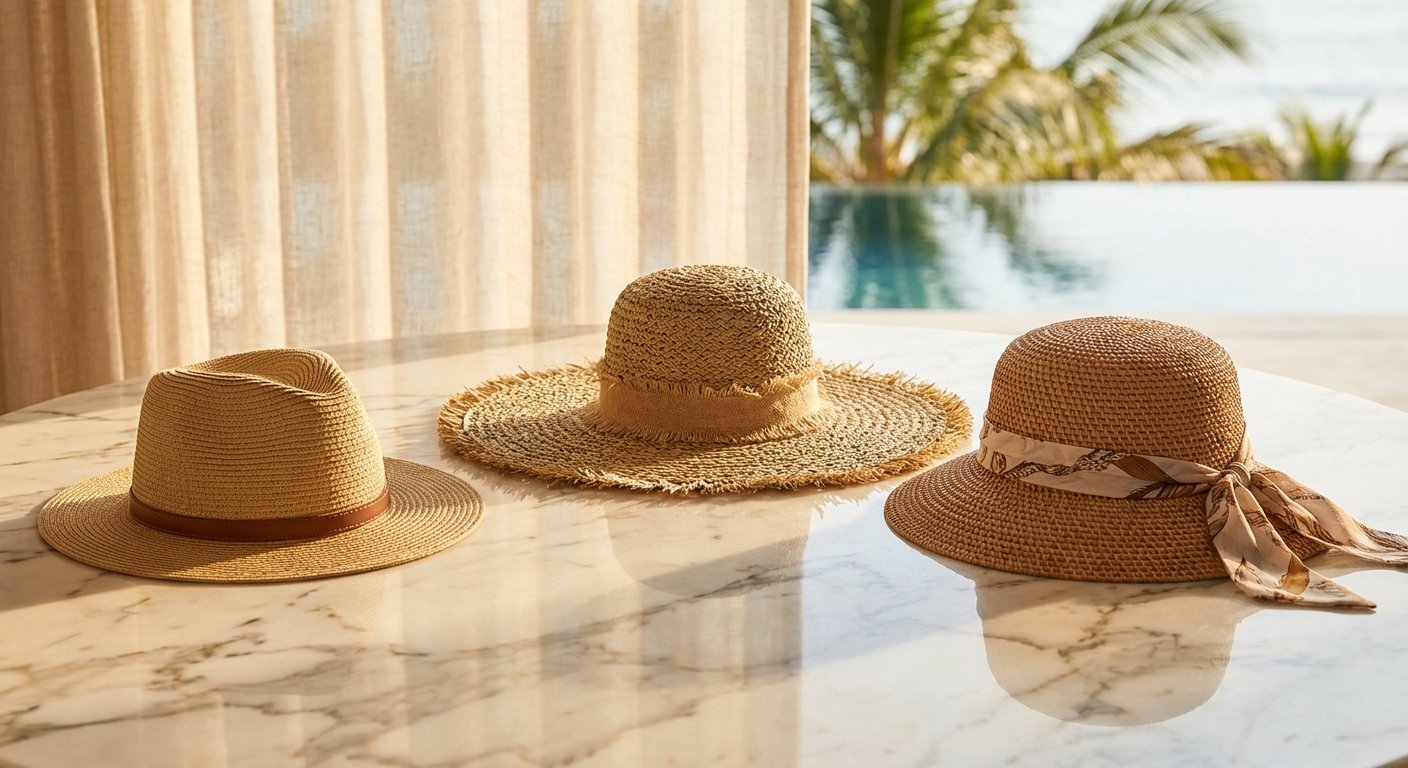
A looser weave can still be attractive—especially in lightweight resort or fashion-driven styles—but it changes the product promise. A looser weave lets in more light, feels airier, and may look more casual or artisanal. That is not automatically a flaw. It only becomes a problem when the buyer sells it as a high-protection or premium-performance summer hat.
UPF Claims: Where Buyers Get Misled
One of the most common mistakes in straw hat wholesale is treating “sun hat” and “UPF-rated hat” as the same thing. They are not.
A straw hat can provide useful shade because of brim width, but that does not automatically mean the hat has verified UPF performance. Actual UV protection depends on multiple variables, including weave density, fiber type, underlayer construction, and testing.
For buyers selling into beach, resort, outdoor, or wellness channels, this distinction matters. If you plan to market a hat with meaningful sun-protection language, you need to ask whether the product has been tested and what exactly the claim refers to.
General sun-protection guidance from sources such as the Skin Cancer Foundation makes it clear that coverage and material density both matter. In practical terms, a wide-brim hat may offer useful shade, but shade alone is not the same as a lab-supported UPF claim.
Brim Width Changes the Product More Than Most Buyers Expect
Brim width affects three things at once: appearance, comfort, and protection.
Narrower brims feel easier to wear in city or fashion contexts. Wider brims create stronger resort or beach positioning and provide more practical shade. The wrong brim width can hurt sell-through even if the material is good.
As a quick rule:
- Narrow to mid brim: fashion, city wear, casual gifting
- Mid to wide brim: resort, beach, summer events
- Wide brim with stronger structure: practical sun-focused channels
Buyers should align brim size with real use, not just visual trend. A beautiful wide brim that collapses in shipment or annoys customers in wind will not get reordered just because it looked strong in the showroom.
Natural Straw vs Paper Straw vs Synthetic Straw-Look Materials
The category label “straw hat” hides several very different material families. Natural straw carries a traditional and artisanal story. Paper straw can offer more flexibility in cost, finish, and consistency. Synthetic straw-look options can improve durability or styling control in some applications.
Each material direction changes the sales story:
- Natural straw: craftsmanship, authenticity, resort appeal
- Paper straw: accessible fashion, color versatility, commercial consistency
- Synthetic straw-look builds: durability, shape control, lower maintenance
There is no universal winner. The right choice depends on channel, price point, and how much the customer values artisan storytelling versus convenience.
Common Buyer Mistakes in Straw Hat Sourcing
Several mistakes appear repeatedly:
- Buying on appearance alone. A hat that looks elegant online may feel weak or poorly finished in hand.
- Using vague sun-protection claims. If the product is not tested, do not market it as if it is.
- Ignoring brim stability. Shape retention matters in transit and on shelf.
- Underestimating pack and ship impact. Some straw builds deform more easily than buyers expect.
- Failing to define acceptable natural variation. Natural materials often vary slightly, and the buyer needs to know when that is acceptable and when it is not.
See our guide on custom straw hat bands for more details.
These mistakes usually come from assuming straw hats are “simple.” In fact, they need clearer expectations than many soft accessories because their perceived value depends so much on finish and shape.
Questions to Ask Your Supplier Before Production
- What material family is this hat actually made from?
- How is weave consistency checked across units?
- Has any UV or UPF testing been performed, and what exactly was measured?
- How is brim structure maintained during packing and transit?
- What level of variation should buyers expect from natural materials?
Good suppliers answer these questions clearly. Weak suppliers tend to answer with mood boards, not specifications.
Final Take
In straw hat wholesale, buyers who understand weave density, brim logic, and evidence-backed sun-protection claims make better decisions than buyers who chase visuals alone.
The right straw hat can feel elegant, seasonal, and commercially strong. But only when its construction matches the promise you make to the customer.
Also read: Straw Hat Weave Types and Material Guide for Wholesale Buyers — our complete straw hat weave types guide for wholesale buyers.
If you are planning a straw hat collection for resort, summer retail, or branded programs, explore our straw hat manufacturing capabilities or contact Hongyuecap for samples, material options, and quality guidance.
Related Headwear Resources
- Baseball cap manufacturer
- Bucket hat wholesale
- Beanie manufacturer
Need Samples or a Factory Quote?
Explore our straw hat manufacturing capabilities or contact Hongyuecap for samples, material options, and quality guidance.
Written by the Hongyuecap Product Team — 10+ years in B2B custom headwear manufacturing. Last updated: May 03, 2026.
Related Sourcing Resources:
- 5 Panel vs 6 Panel Hat: Manufacturing & MOQs
- Custom Baseball Caps Manufacturing Guide
- Wholesale Bucket Hats Sourcing
- Request a Factory Quote & Samples