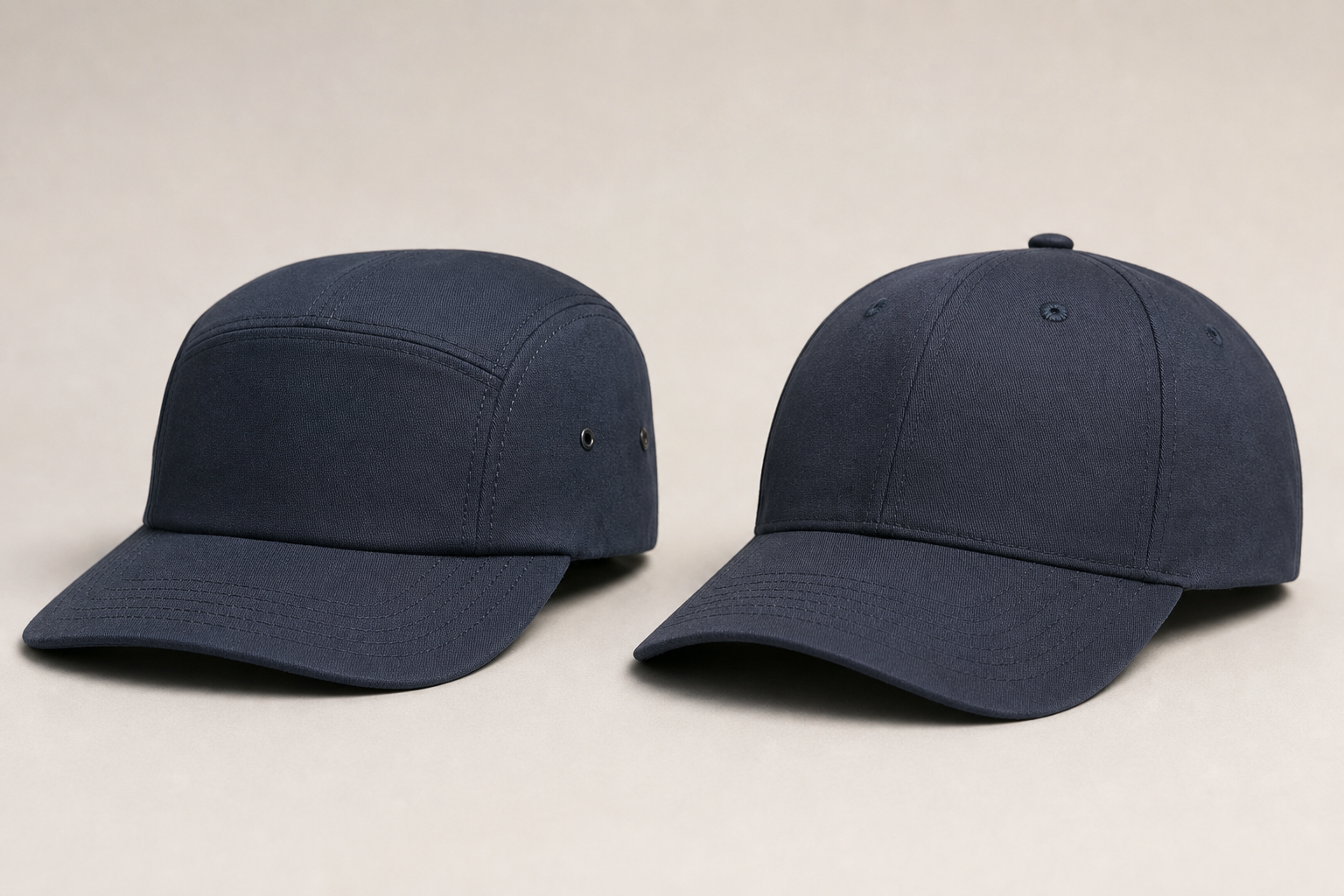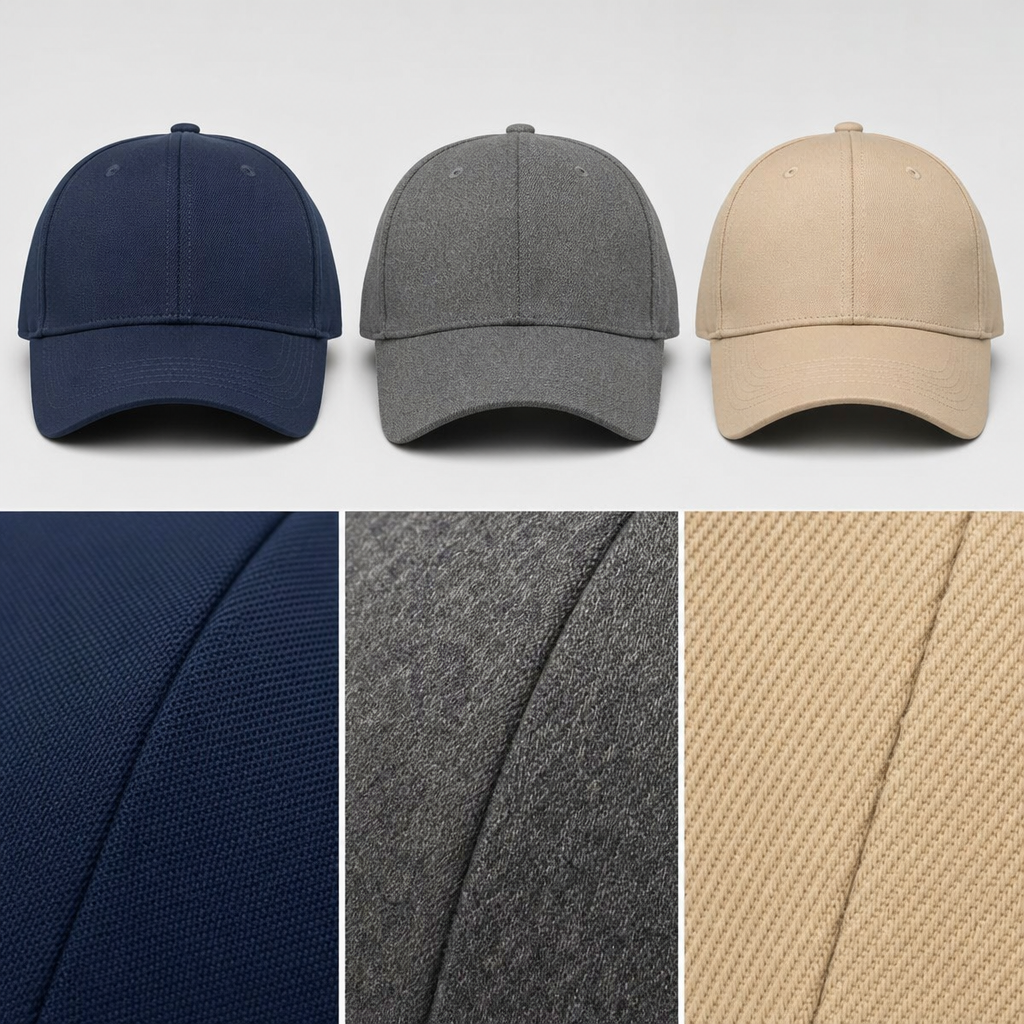

Baseball Cap Fabric Weight GSM Guide for Wholesale Buyers
Every wholesale buyer has faced this dilemma: You order 500 custom baseball caps, the sample looks perfect, but the bulk order arrives with caps that feel flimsy and lose shape after two washes. The root cause? No one specified baseball cap fabric weight in the purchase order. At Hongyuecap, we’ve seen this problem cost buyers thousands in rework and returns. This guide gives you the exact GSM and oz knowledge you need to specify cap fabric weight like a pro.
Why Baseball Cap Fabric Weight Matters for Wholesale Buyers
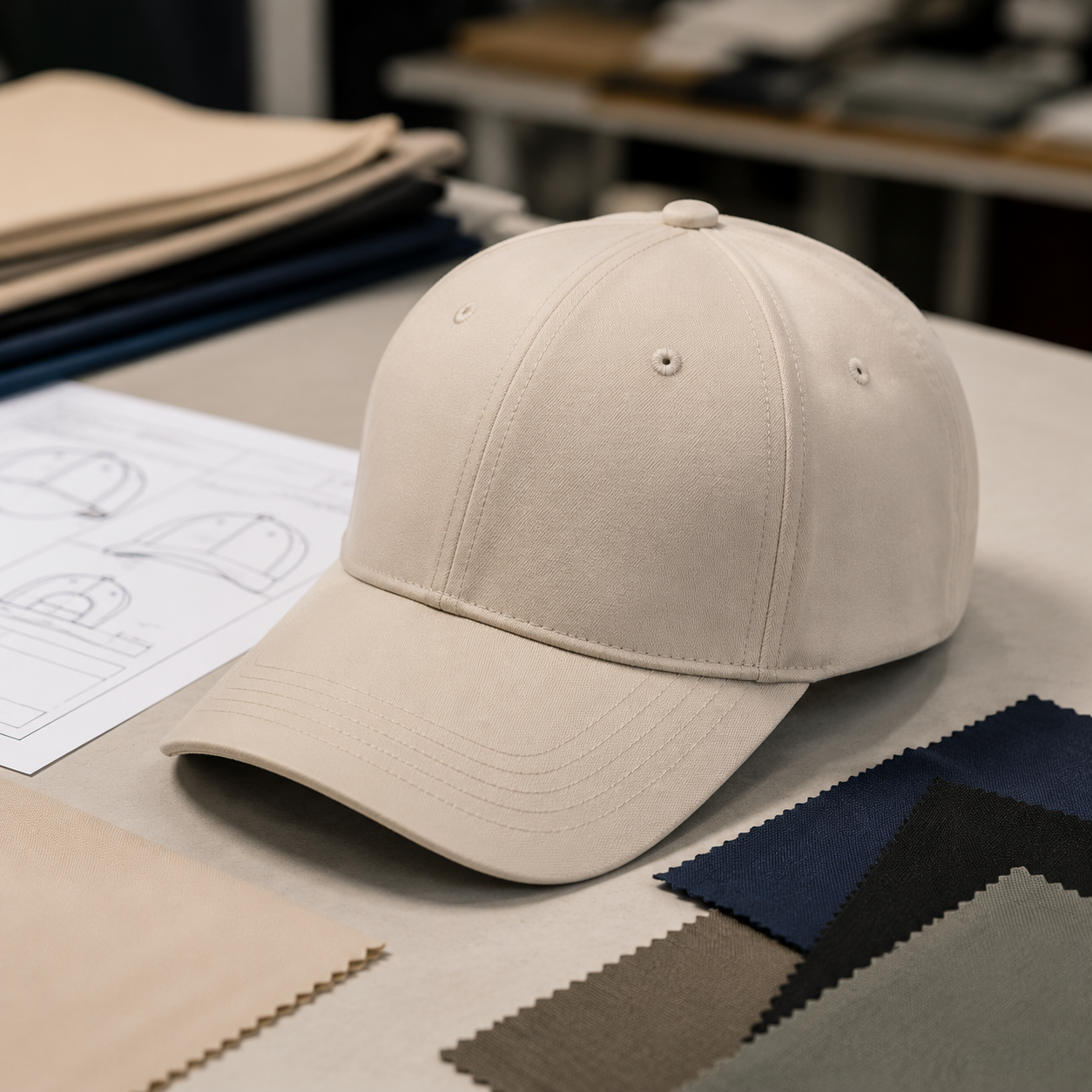
When you’re sourcing custom baseball caps in bulk, every specification carries weight — and fabric weight carries it literally. The fabric weight of a baseball cap determines more than just how heavy it feels in your hand. It directly controls durability, shape retention, cost, and most importantly, how your end customer perceives the value of your product.
A cap made from 280 GSM (grams per square meter) cotton twill will hold its structured crown through dozens of wears and washes. The same design made from 180 GSM fabric will start collapsing after the first wash cycle. For wholesale buyers, this isn’t just a quality concern — it’s a return rate and brand reputation concern.
Here’s what fabric weight actually controls in a baseball cap:
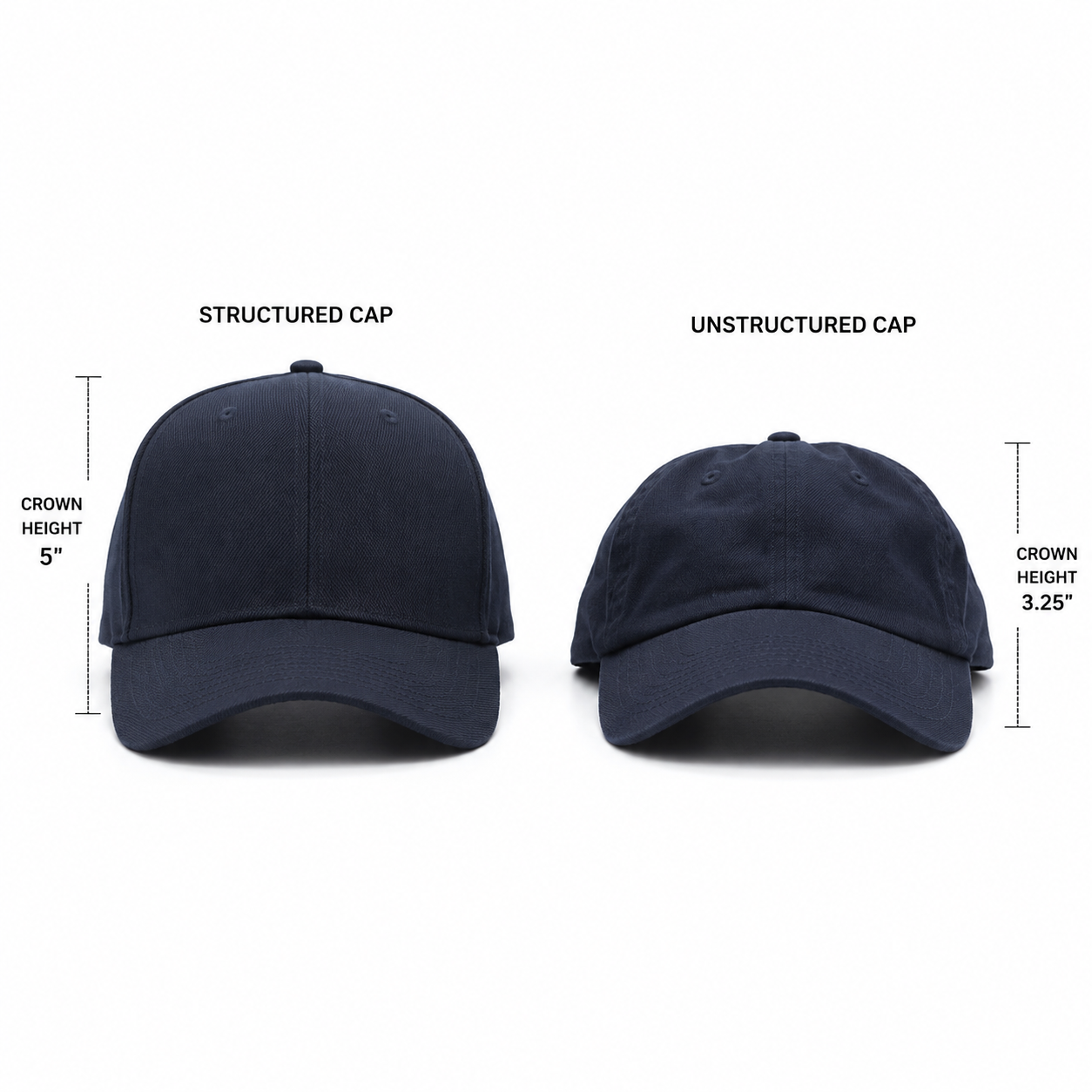
- Crown structure integrity: Heavier fabrics (260+ GSM) maintain the classic structured baseball cap look. Lighter fabrics require fusible interfacing or risk losing shape.
- Brim/visor stiffness: The visor fabric needs sufficient weight to lay flat without curling. Most manufacturers use 240-300 GSM for visor panels.
- Embroidery performance: When you’re adding custom embroidery to baseball caps, fabric weight directly affects stitch quality and registration. Lighter fabrics (below 200 GSM) show puckering around dense embroidery; heavier fabrics hold stitches cleanly.
- Perceived value: End customers instinctively associate heavier caps with higher quality. A 300 GSM cap “feels premium” in a way that a 200 GSM cap simply cannot match. As noted by OTEXA (Office of Textiles and Apparel), fabric specifications are the most common source of buyer-supplier disputes in textile imports.
At Hongyuecap, our standard baseball cap construction uses 260-300 GSM cotton twill — the sweet spot that balances structure, comfort, and cost. We’ve tested everything from 160 GSM ultralight to 350 GSM heavyweight, and we know exactly which weight suits which application.
The 5 Fabric Weight Levels: From Ultralight to Heavyweight
Understanding baseball cap fabric weight means understanding where your order falls on the GSM spectrum. Here are the five weight categories every wholesale buyer should know, with real-world application guidance:
Level 1: Ultralight (140-180 GSM / 4-5 oz)
These are the lightest commercially viable baseball cap fabrics. Typically used in promotional giveaway caps, one-time event merchandise, and budget retail lines. At this weight, the fabric is typically a lightweight cotton or cotton-polyester blend with a loose weave.
- Pros: Lowest material cost ($0.30-0.50 per cap lower than midweight), highly packable, good for hot weather
- Cons: Zero shape retention without heavy interfacing, embroidery quality suffers, feels cheap to the touch, crown collapses within 5-10 wears
- Best for: Single-event promotional caps, budget souvenir lines, giveaways where longevity doesn’t matter
- MOQ impact: Available at low MOQ (50-100 pcs) but Hongyuecap recommends minimum 200+ GSM for any order intended for resale
Level 2: Lightweight (190-220 GSM / 5.6-6.5 oz)
This is the entry-level quality range for retail-ready baseball caps. Many mall-brand and fast-fashion caps operate in this zone. The fabric has enough body to hold an unstructured or semi-structured crown, but requires fusible interfacing for a full structured look.
- Pros: Good price-quality balance, comfortable for all-day wear, lighter shipping weight means lower freight costs, decent breathability
- Cons: Visible wear after 15-20 washes, embroidery needs careful tension adjustment, color fastness may degrade faster due to thinner dye penetration
- Best for: Fashion-forward seasonal lines, youth-oriented brands, tropical climate markets
- Durability note: Expect 6-12 months of regular use before noticeable shape degradation
Level 3: Midweight (230-260 GSM / 6.8-7.7 oz) — The Industry Standard
This is where most quality baseball caps live. 230-260 GSM cotton twill represents the industry benchmark for caps that balance structure, comfort, and cost-effectiveness. This is the weight range used by brands like New Era (59FIFTY), ’47 Brand, and most premium blank manufacturers.
- Pros: Excellent crown structure without heavy interfacing, embroidery-ready surface accepts up to 12,000 stitches without distortion, maintains shape through 30+ wash cycles, the “right” hand-feel for retail customers
- Cons: Higher material cost than lightweight ($0.20-0.35 more per cap), slightly warmer in hot climates, moderate shipping weight
- Best for: Branded merchandise, corporate uniforms, retail fashion lines, sports team caps, any order where quality matters
- Hongyuecap standard: Our default baseball cap uses 280 GSM cotton twill — slightly above the midweight baseline for extra structure and embroidery performance
Level 4: Heavyweight (270-300 GSM / 8-9 oz)
Premium territory. These caps have substantial hand-feel and exceptional durability. The fabric is densely woven with minimal gaps between yarns, creating a smooth, almost canvas-like surface. This is our recommended weight for logos with dense embroidery, 3D puff embroidery, or applications requiring maximum durability.
- Pros: Maximum shape retention (40+ washes), premium hand-feel, ideal for complex embroidery (15,000+ stitches), superior color fastness, resists pilling
- Cons: Higher material cost ($0.40-0.60 more per cap), heavier shipping, can feel stiff for the first few wears, warmer in summer
- Best for: Premium streetwear brands, workwear/uniform programs, golf and outdoor caps, high-end promotional merchandise, any brand positioning itself as “premium quality”
- Note: At 300+ GSM, some customers find the cap feels too rigid. We recommend 280-290 GSM as the practical maximum for fashion caps
Level 5: Ultra-Heavyweight (310-350+ GSM / 9-10+ oz)
Industrial and specialized applications. These fabrics approach canvas or denim weight and are rarely used for fashion baseball caps. Common in military/tactical headwear, heavy-duty work caps, and heritage reproduction lines.
- Pros: Extreme durability, nearly indestructible in normal use, unique “heritage” aesthetic, very high perceived value
- Cons: Requires specialized sewing equipment (heavier needles, stronger thread), significantly more expensive, limited embroidery machine compatibility, uncomfortable for extended wear in warm weather, higher shipping cost
- Best for: Military/tactical contracts, premium heritage brands (like Japanese repro brands), heavy industrial workwear, caps designed for 5+ year lifespan
- Availability: Limited fabric options; most mills don’t stock this weight in cap-suitable weaves. Lead times can be 6-8 weeks longer than standard weights.
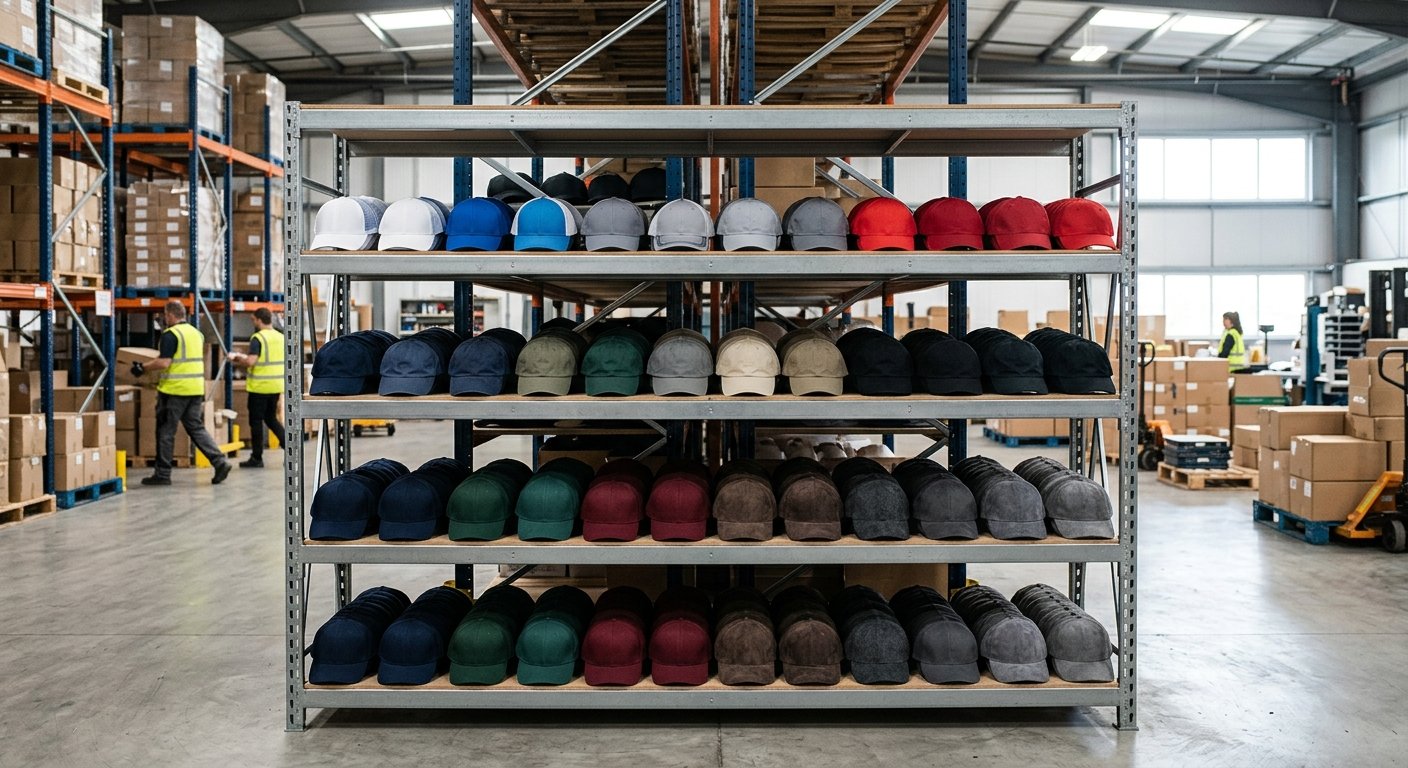
GSM vs Oz: Understanding Fabric Weight Measurement Units
One of the most confusing aspects of baseball cap fabric weight for international buyers is navigating between GSM (grams per square meter) — the metric standard — and oz/yd² (ounces per square yard) — the imperial standard. If you’re sourcing from China as a US-based buyer, you’ll encounter both systems, and misunderstanding the conversion can lead to expensive specification errors.
The Measurement Systems Explained
GSM (g/m²): The weight in grams of a 1 meter × 1 meter piece of fabric. This is the standard used by Chinese textile mills and most Asian manufacturers. A higher GSM number means a heavier, denser fabric.
Oz/yd² (ounces per square yard): The weight in ounces of a 1 yard × 1 yard piece of fabric. This is standard in the US market and commonly referenced by American blank apparel distributors.
Quick Conversion Reference
| GSM (g/m²) | oz/yd² (approx.) | Weight Category | Typical Application |
|---|---|---|---|
| 140-180 | 4.1-5.3 | Ultralight | Promotional/giveaway caps |
| 190-220 | 5.6-6.5 | Lightweight | Fashion/seasonal retail |
| 230-260 | 6.8-7.7 | Midweight ⭐ | Industry standard retail |
| 270-300 | 8.0-8.9 | Heavyweight | Premium/workwear caps |
| 310-350+ | 9.1-10.3+ | Ultra-Heavy | Military/heritage/specialty |
Conversion formula: GSM ÷ 33.906 = oz/yd² | oz/yd² × 33.906 = GSM
Common Specification Pitfalls
- Pitfall 1: “Heavy cotton” means nothing. One mill’s “heavy” might be 240 GSM; another’s might be 300 GSM. Always specify the exact GSM number in your purchase order.
- Pitfall 2: Washed vs unwashed weight. Fabric shrinks during washing/finishing, so the finished fabric weight is always higher than the greige (unfinished) weight. Specify whether your GSM requirement is for finished or unfinished fabric. At Hongyuecap, all our weight specifications refer to finished, post-wash fabric weight.
- Pitfall 3: Tolerance matters. Fabric weight naturally varies ±5% even within the same batch. For critical applications, specify ±3% tolerance and be prepared to pay a premium. The ASTM D3776 standard (from ASTM International) defines the official testing methodology, and Sourcing Journal regularly reports on textile testing compliance trends.
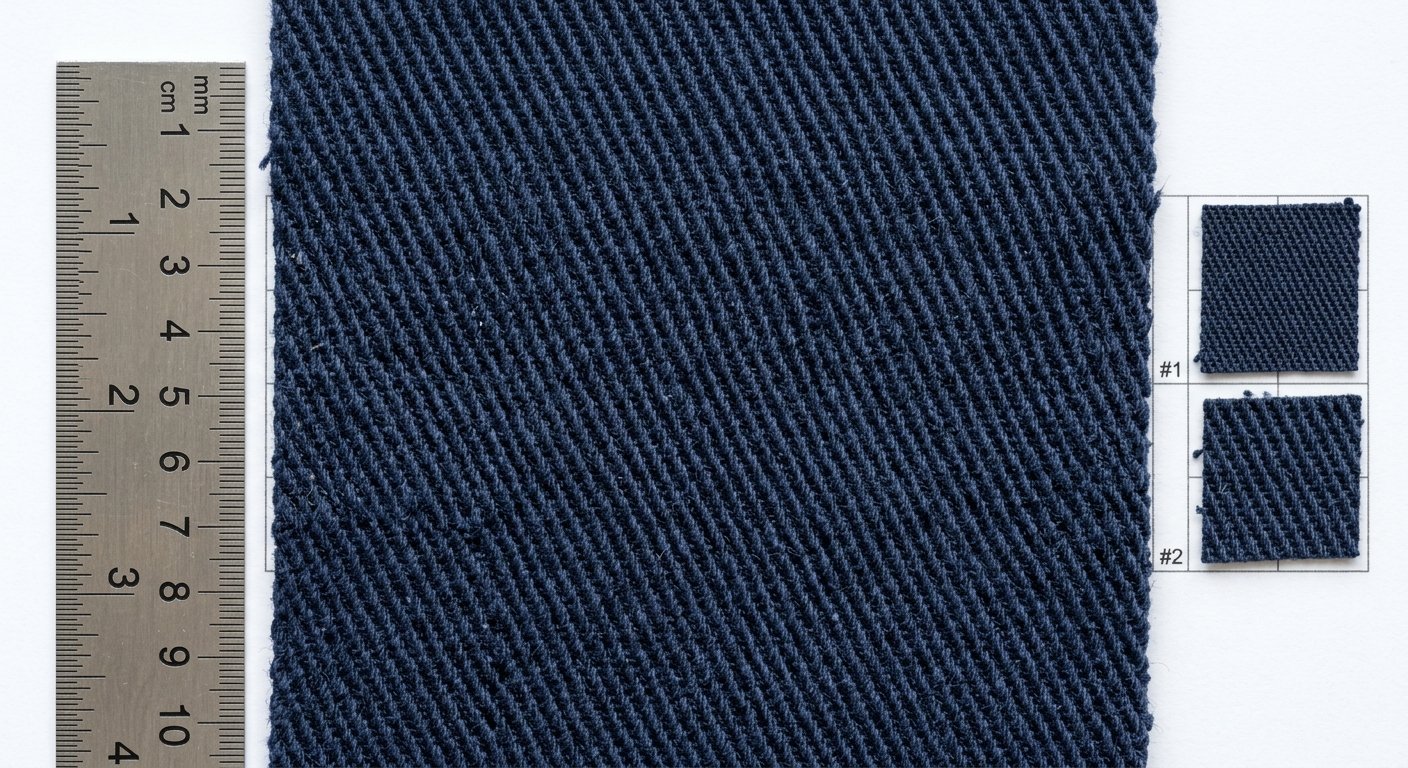
How Fabric Weight Affects Cap Durability, Comfort, and Price Point
Fabric weight is the single specification that creates the most significant three-way tradeoff in baseball cap manufacturing. Understanding this tradeoff is what separates experienced wholesale buyers from novices.
Durability vs Weight: The Direct Relationship
Heavier fabrics last longer — this is almost universal. Heavier fabric can improve structure and abrasion resistance, but finished-cap durability also depends on fiber, weave, interlining, sewing and care. Validate the selected weight with agreed wash and shape-retention checks on the production sample.
The Comfort Curve: A Surprising Pattern
Comfort does not follow a simple linear relationship with weight. Use these GSM ranges as development references, then approve comfort, structure and climate suitability on physical samples:
- 140-180 GSM: Initially comfortable (light, breathable) but satisfaction drops sharply after 5-10 wears due to shape loss
- 190-220 GSM: Good initial comfort, moderate satisfaction decay over time
- 230-260 GSM: Highest long-term satisfaction scores — the “Goldilocks zone” where structure and comfort coexist
- 270-300 GSM: Excellent for short wear (1-3 hours), but some customers report discomfort beyond 4+ hours in warm weather
- 310+ GSM: Best reserved for specific use cases where durability trumps all-day comfort
The Price Equation: What Each GSM Level Costs
Fabric weight translates directly to material cost. More weight = more cotton/polyester fiber per cap = higher raw material cost. Based on current cotton pricing (May 2026, ~$0.85/lb for standard cotton), here’s how fabric cost scales:
- Each 30 GSM increase adds approximately $0.08-0.12 in raw fabric cost per cap
- Moving from 200 GSM to 280 GSM increases material cost by roughly $0.24-0.36 per cap
- For a 1,000-unit order, that’s $240-360 more — but with dramatically better quality perception
- For buyers ordering 5,000+ units across a year, the per-unit difference shrinks as mills offer volume pricing on standard fabric weights
For seasonal planning purposes, keep in mind that ordering timing affects your available fabric weight options. Chinese mills typically run heavyweight fabrics in Q1-Q2 (winter production cycle) and lighter weights in Q2-Q3. Planning your order around production cycles ensures you get the weight you want without extended lead times.
How to Specify Fabric Weight in Your Custom Cap Order: A Buyer’s Checklist
Specifying fabric weight correctly in your purchase order or tech pack prevents almost all of the quality disputes we see in baseball cap wholesale. Follow this checklist, and you’ll get exactly what you ordered.
The 7-Point Fabric Weight Specification Checklist
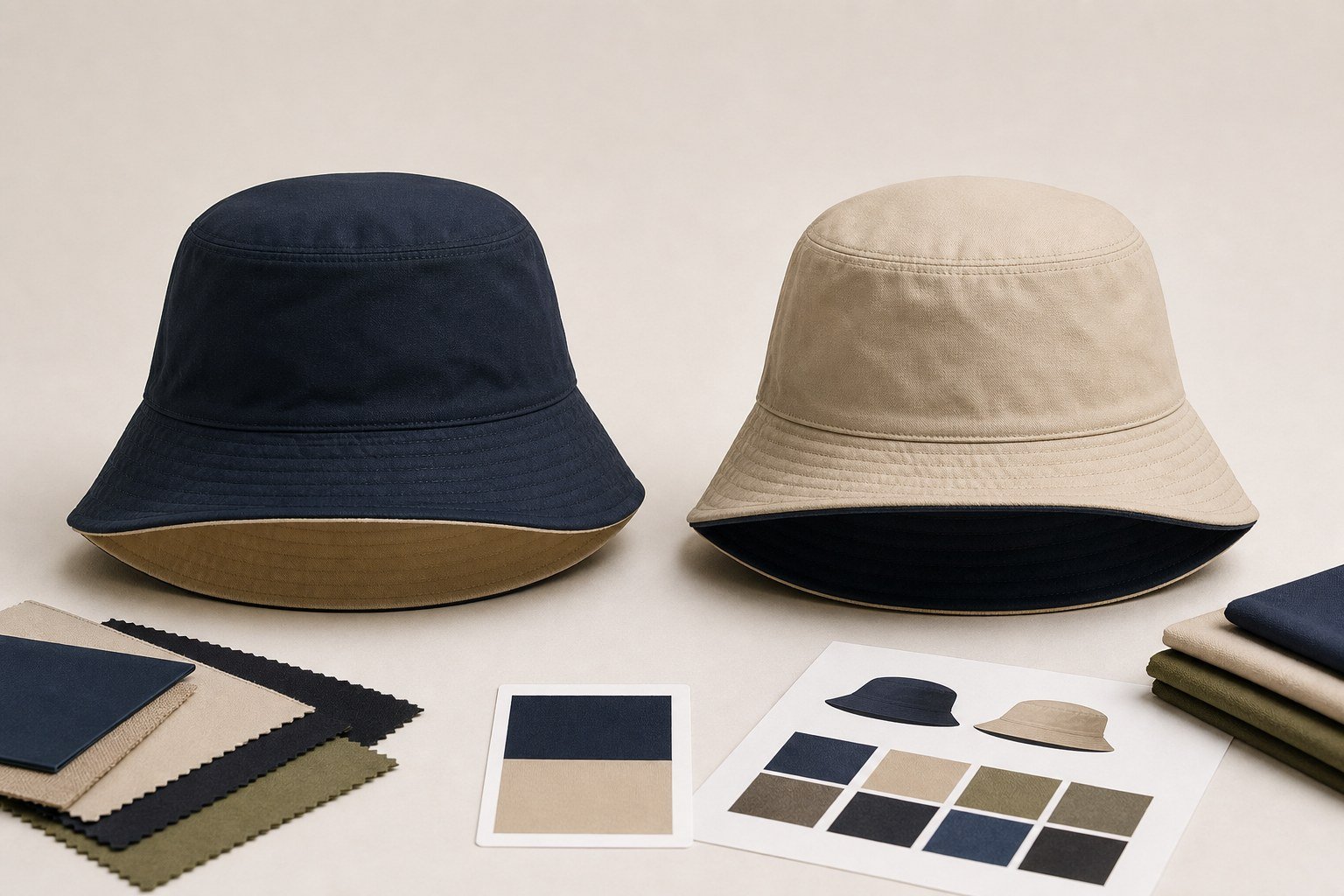
- State the exact target GSM: Never write “medium-heavy cotton.” Write “280 GSM (8.3 oz/yd²) cotton twill.” Always include both metric and imperial measurements to eliminate conversion errors.
- Specify finished vs unfinished weight: Add a line that reads: “All weight specifications refer to finished (post-wash/shrunk) fabric weight per ASTM D3776.”
- Set tolerance range: “Target 280 GSM, acceptable range 270-290 GSM (±3.5%). Samples outside this tolerance will be rejected.”
- Name the weave type: “280 GSM 2/1 cotton twill” is a complete specification. Without the weave type (“twill”), a mill might quote a different construction at the same weight that has entirely different properties.
- Include the fiber content: “280 GSM 100% cotton twill” or “280 GSM 65/35 poly-cotton twill.” Fiber blend affects both weight and performance.
- Request a weight test report: Require the factory to provide a testing lab report (SGS, Intertek, or Bureau Veritas) confirming the finished fabric weight before bulk production begins. This typically costs $50-150 and is the cheapest quality insurance you’ll ever buy.
- Define your inspection criteria: “AQL 2.5 for fabric weight: Random sample of 5 caps per 500 ordered, fabric weight measured per ASTM D3776. Batches with >5% deviation rejected.”
Real Specification Example
Here’s what a proper fabric specification looks like in a Hongyuecap purchase order:
FABRIC SPECIFICATION
  Material: 100% Cotton Twill, 2/1 weave
  Weight: 280 GSM target (8.3 oz/yd²)
  Tolerance: ±3.5% (270-290 GSM acceptable range)
  Basis: Finished/post-wash fabric weight per ASTM D3776
  Color: Pantone 19-4052 Classic Blue
  Testing: SGS/Intertek weight test report required before bulk production
  Inspection: AQL 2.5, 5 caps per 500-unit batch
This level of detail eliminates ambiguity and gives you clear grounds for rejecting non-conforming goods. At Hongyuecap, we encourage all wholesale buyers to adopt this specification format — it protects both parties and ensures a smooth transaction.
When you’re ready to place an order, remember that our custom cap manufacturing process includes fabric weight verification at multiple stages: incoming fabric inspection, cutting line check, and final QC before shipping. Require fabric-weight verification at incoming inspection, cutting and final QC, with the agreed method, tolerance and sampling level.
FAQs About Baseball Cap Fabric Weight
What is the standard fabric weight for a quality baseball cap?
The industry standard for a quality structured baseball cap is 260-280 GSM (7.7-8.3 oz/yd²) cotton twill. This weight provides excellent crown structure, good embroidery surface, and comfortable wear. Premium brands often use 280-300 GSM, while budget caps typically fall in the 180-220 GSM range. Use 280 GSM cotton twill as a development reference, not a universal default; approve the final weight against structure, embroidery, comfort, climate and target cost.
How do I convert oz to GSM for baseball cap fabric?
Multiply oz/yd² by 33.906 to get GSM. For example: 8 oz/yd² × 33.906 = 271 GSM. The reverse: divide GSM by 33.906 to get oz/yd². Always specify both units in your purchase order to prevent conversion errors, especially when communicating with both US and Chinese suppliers. A quick reference: 6 oz ≈ 203 GSM, 7 oz ≈ 237 GSM, 8 oz ≈ 271 GSM, 9 oz ≈ 305 GSM.
Does heavier fabric weight always mean a better quality cap?
Not necessarily. While heavier fabric (260-300 GSM) generally provides better structure and durability, the best weight depends on your use case. A 300 GSM cap is ideal for premium streetwear but would be unsuitable for a tropical beach resort’s souvenir line where breathability matters more. Similarly, ultra-heavy fabrics (310+ GSM) can actually reduce comfort without proportionally improving durability. The key is matching weight to your market position and customer expectations.
Can I specify different fabric weights for different cap panels?
Yes, this is a common premium construction technique. The front panels (where embroidery goes) can use heavier 280-300 GSM fabric for better stitch holding, while side and back panels use 240-260 GSM for flexibility and comfort. The visor/bill typically needs the heaviest fabric (280-300 GSM) for stiffness. Panel-specific fabric weights may be possible depending on material availability, cutting plan and order quantity; confirm feasibility and MOQ for the project.
Conclusion: Get the Weight Right, Get the Order Right
Fabric weight isn’t the most glamorous specification in baseball cap manufacturing — but it’s arguably the most impactful single decision you’ll make as a wholesale buyer. It controls how your caps look on the shelf, how they feel on the head, how they survive wear and washing, and ultimately, whether your customer comes back for more.
Fabric weight should be selected for the intended structure, decoration, wear conditions and target price. Hongyuecap can review the requested GSM, material and tolerance against current sourcing and production feasibility.
Ready to specify fabric weight? Contact Hongyuecap with the material, target GSM, construction, quantity and destination to confirm swatch availability and receive a current project quotation.
Written by the Hongyuecap Product Team. Last updated: May 03, 2026.