Knitted Beanie Materials and Fit Guide in 2026 for Wholesale Buyers
If a beanie feels scratchy, stretches out after two wears, or pills before it reaches the markdown rack, customers notice immediately. Knitted beanies look simple, but for wholesale buyers they are one of the easiest categories to get almost right and one of the hardest categories to get consistently premium.
The practical answer: better results come from controlling yarn composition, gauge, fit tension, and finishing from the start. In 2026, buyers working with a strong knitted beanie manufacturer should expect a real conversation about handfeel, recovery, pilling, and retail positioning instead of generic promises about “soft winter quality.” Retailers often compare this line with adjacent cold-season accessories and broader brand pages on HongyueCap before deciding where the beanie fits in the assortment.
Why Beanies Stay Commercially Strong Even in Fast-Changing Fashion Cycles
Beanies remain one of the most dependable cold-season accessories because they combine utility, gifting potential, and low visual complexity. They are easy to merchandise, easy to customize, and easy to fit into both fashion and promotional channels.
- Fast seasonal rotation: color stories can change quickly without rebuilding the basic product architecture.
- Good private-label potential: woven labels, cuff patches, and simple embroidery create strong branding without heavy development cost.
- Broad channel fit: outdoor retail, streetwear, corporate gifting, winter campaigns, and school merchandise can all use beanies.
- Compact shipping: freight efficiency is better than many structured hat categories.
- Gift-friendly price points: a well-made beanie can feel premium without requiring luxury-level retail pricing.
That flexibility is why many buyers keep beanies in the assortment even when other winter accessories get reduced.
Choosing the Right Yarn: Acrylic, Wool, Merino and Blends
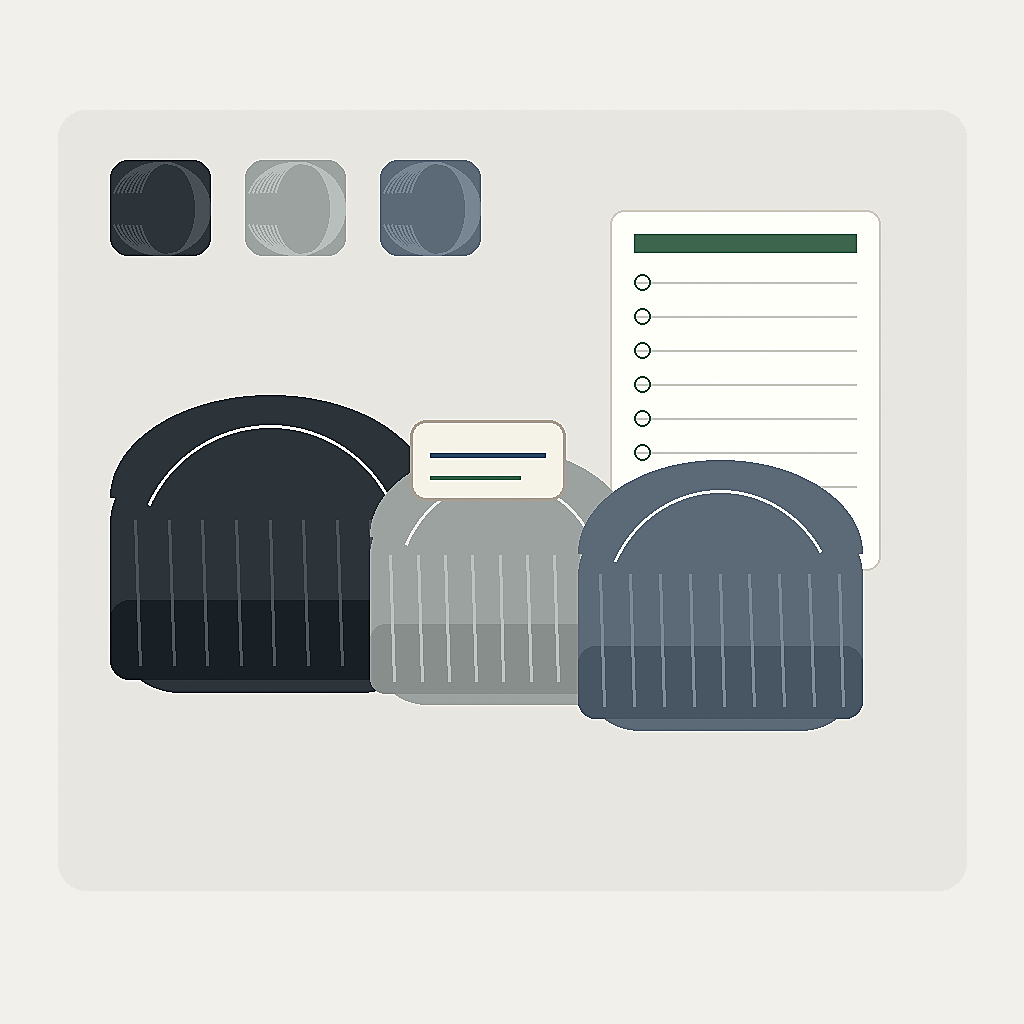
Yarn selection shapes everything: warmth, softness, pilling risk, price architecture, and how the beanie feels in a customer’s hand. Buyers should start there before discussing color or branding.
- Acrylic: affordable, stable, and easy to color-match. Good for promotional and mass retail programs, though very cheap acrylic can feel harsh.
- Wool blends: better warmth and richer handfeel than basic acrylic while keeping cost manageable.
- Merino wool: softer and more premium, especially for elevated retail, gifting, and outdoor performance positioning.
- Recycled yarn options: increasingly relevant in 2026 for buyers needing sustainability narratives, but the supplier must explain blend ratio and pilling expectations clearly.
- Mixed constructions: often the most commercially practical option because they balance softness, durability, and unit economics.
When buyers ask only “Is it soft?”, they miss the real issue. The better question is how the yarn performs after stretch, friction, and repeated wear. For fiber and responsibility positioning, suppliers may reference standards from Textile Exchange, relevant chemical safety claims through OEKO-TEX, and animal-fiber sourcing guidance from Responsible Wool Standard.
Gauge, Stretch and Fit: The Difference Between Basic and Premium
A beanie that looks acceptable folded on a table can still fit badly. Fit problems often come from gauge mismatch, weak recovery, or poor tension control in knitting and finishing.
- Gauge selection: finer gauges can look cleaner and more premium, while chunkier gauges create a more casual or fashion-led look.
- Recovery after stretch: if the opening relaxes too quickly, the hat loses shape on shelf and during wear.
- Cuff depth: affects both warmth and styling. A deeper cuff can help branding and visual structure.
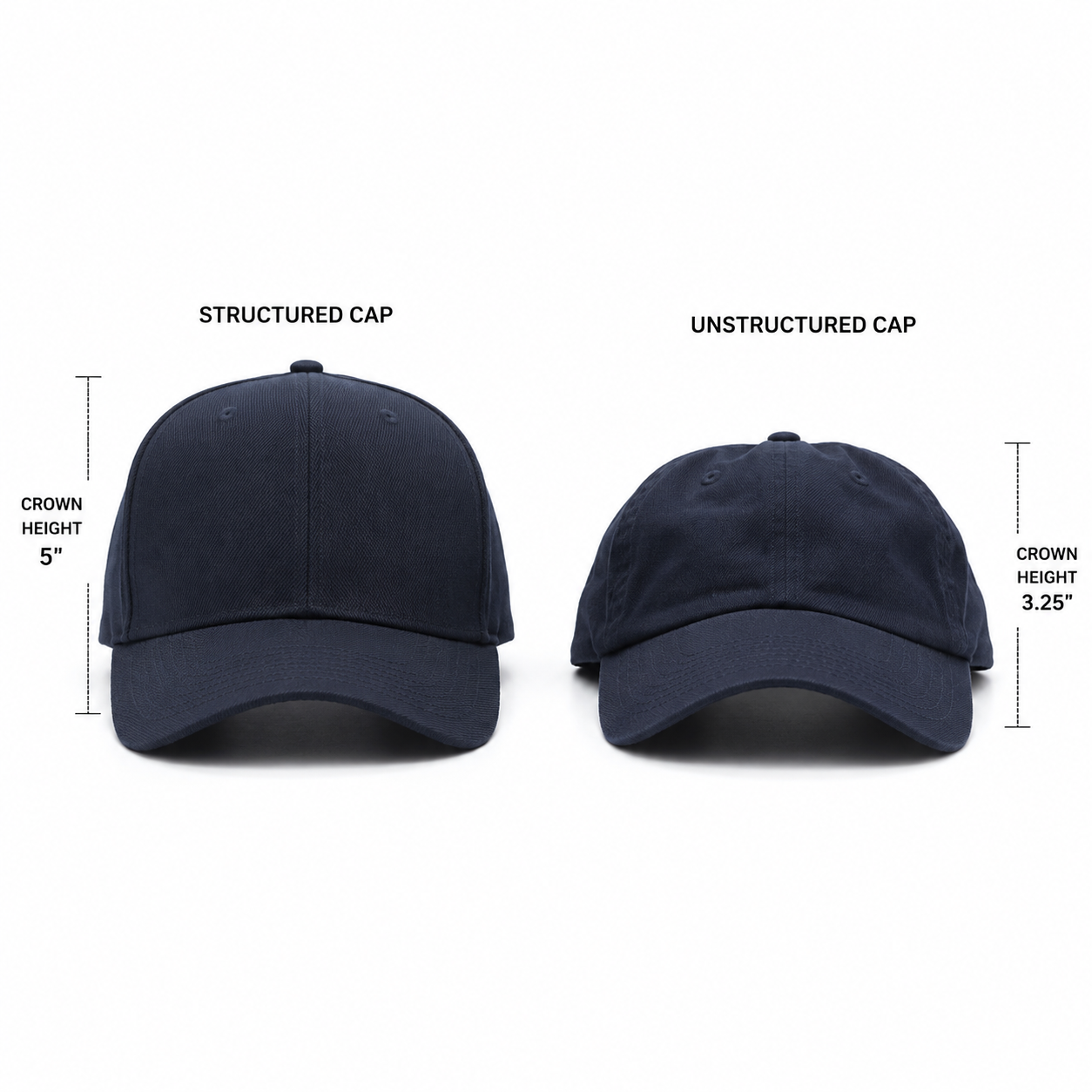
- Crown volume: slouchy and classic fits are not interchangeable, and the intended market should decide the profile.
- Seam and finishing comfort: poor linking or bulky internal seams can ruin an otherwise good yarn story.
Request on-head photos or video showing the beanie on more than one head size. Flat photos alone do not prove fit quality.
Branding and Value-Add Options That Make Sense
Because the silhouette is simple, small details do a lot of work in beanies. The best value-adds improve perceived quality without creating production chaos.
- Woven cuff labels: cost-effective and easy to scale.
- Leather-look or rubber patches: useful for outdoor, workwear, and gift-oriented programs.
- Embroidery: possible, but should be used carefully depending on knit density and distortion risk.
- Contrast rib or stripe details: add shelf interest while keeping the core construction stable.
- Gift packaging: relevant for holiday programs when a modest packaging upgrade supports a better retail story.
See our guide on cuffed vs uncuffed knitted beanies for more details.
As always, avoid adding too many cost items to a low-ticket program. A clear retail position beats a crowded specification.

Production Details Wholesale Buyers Should Define Up Front
| Item | Typical Range | Buyer Note |
|---|---|---|
| MOQ | 100-300 pcs | Premium yarns or custom labels may increase minimums |
| Lead time | 20-35 days | Holiday season capacity should be booked early |
| Yarn type | Acrylic / wool blend / merino / recycled blend | Match yarn story to retail price position |
| Gauge | Fine to chunky | Request actual sample confirmation, not just description |
| Branding | Label / patch / embroidery | Choose based on knit density and distortion risk |
| Testing | Pilling / colorfastness / recovery | Important for premium or repeat-order programs |
Holiday and cold-season windows are unforgiving. A late or weak beanie order often misses the only period when full-price sell-through is possible. If the line needs direct conversion support, direct the buyer toward Contact us after they review the product specification and yarn options.

Case Study: A Private-Label Winter Program Improved Margin Through Better Yarn Positioning
A small retail brand launched private-label beanies using very low-cost acrylic yarn because the target price looked attractive on paper. The issue appeared quickly: customers described the handfeel as rough, and store teams noticed early pilling on display units. Even though the unit cost was low, the product had to be discounted faster than planned.
For the next season, the buyer moved to a softer acrylic-wool blend, added a clean woven cuff label, and simplified the color range to stronger core shades. The unit cost rose, but the line sold at a better average margin because the product finally felt aligned with the brand’s positioning. Returns and quality complaints dropped noticeably, and reorder confidence improved.

FAQ: Knitted Beanie Wholesale Buying in 2026
Q: What is the best yarn for knitted beanies?
It depends on the channel. Acrylic works for value-driven programs, while wool blends and merino are better for elevated retail. The right answer is the yarn that fits your target price and customer expectation.
Q: Why do some beanies pill so quickly?
Pilling usually comes from weak fiber selection, loose surface fibers, and friction during wear. Very cheap yarns often create the problem faster.
Q: What MOQ should buyers expect?
Many custom programs begin around 100-300 pieces per style or color, with higher minimums for premium yarns or specialized trims.
Q: Is embroidery always a good idea on beanies?
Not always. On softer or looser knits, embroidery can distort the surface. Woven labels or patches are sometimes the cleaner solution.
Related: Eco-Friendly Knitted Beanie Materials Guide
Q: What should buyers test before bulk production?
Handfeel, fit recovery, pilling behavior, branding quality, and color consistency are all worth checking before confirming bulk. custom knitted beanie decoration guide how buyers compare embroidery woven patches and jacquard logos without ruining stretch single layer vs double layer knitted beanies
Ready to Get Started?
If you want a beanie line that feels right in the hand and performs well after repeat wear, start with yarn and fit control instead of chasing the lowest number on the quote sheet. Review our custom beanies options or Contact Us to compare yarns, gauges, branding, and lead times for your next winter program.
Written by the Hongyuecap Product Team — 10+ years in B2B custom headwear manufacturing. Last updated: May 03, 2026.