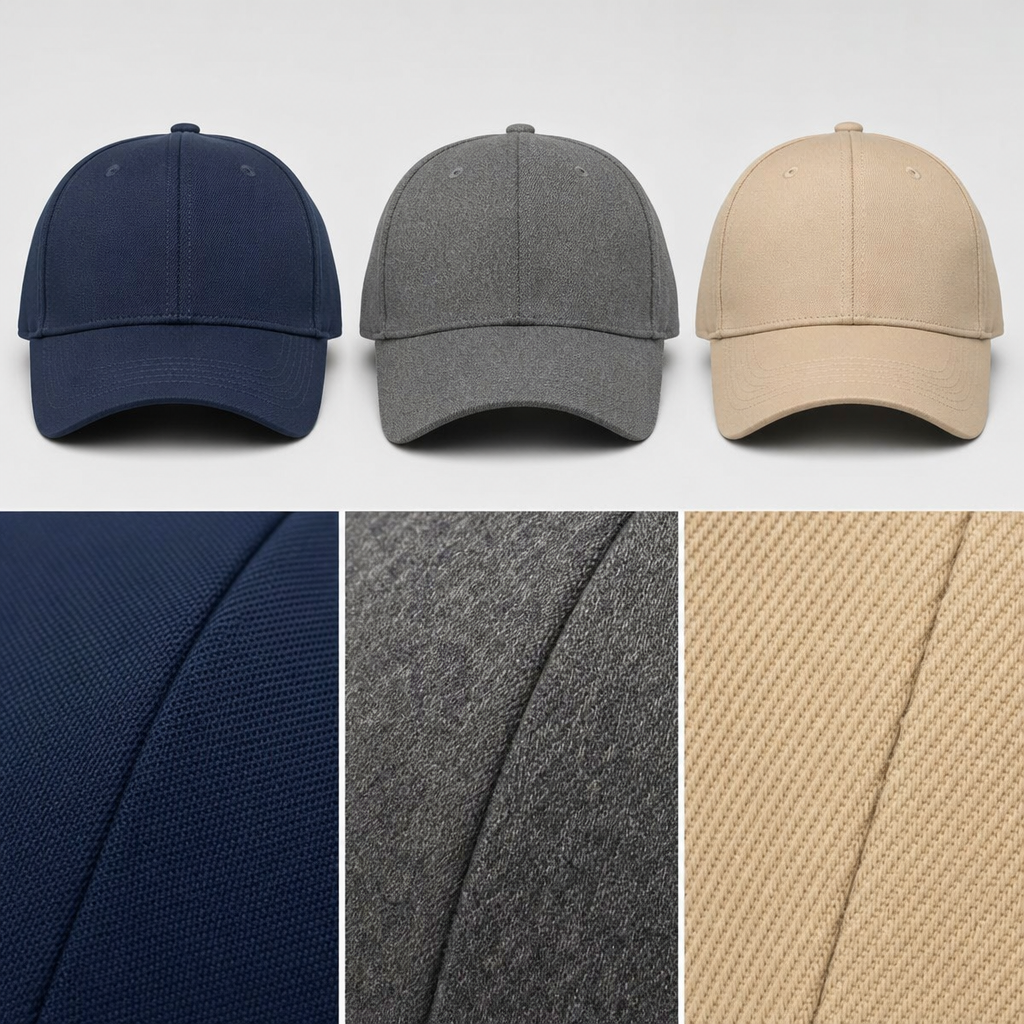

Wool vs Acrylic Beanies: Complete Guide for Wholesale Buyers
"The global market for knitted winter headwear is projected to reach $4.1 billion by 2027, driven by demand in Scandinavian winter sports, North American outdoor recreation, and European fashion retail. Yet approximately 42% of wholesale beanie buyers report selecting the wrong material for their target market, resulting in high return rates and lost customers."
— Grand View Research, Global Winter Headwear Market Report 2025
Why Material Selection Is the Most Consequential Decision in Wholesale Beanie Procurement
Selecting between acrylic, wool, and wool blend for your wholesale beanie order is not simply a cost decision. Material choice determines warmth-to-weight ratio, care requirements, appearance retention, customer satisfaction, and ultimately whether your inventory sells or sits unsold through the critical winter season.
The most common mistake wholesale buyers make is selecting acrylic for all applications because it is the lowest cost option. While acrylic beanies work well for corporate uniforms and industrial workwear, they generate the highest return rates in fashion retail where customers expect natural fiber quality.
Conversely, specifying 100% merino wool for a promotional order that will be washed repeatedly by recipients leads to shrinkage and felting that could have been avoided with a wool blend.
This guide provides the complete material comparison wholesale buyers need to make confident, market-appropriate decisions for their next bulk beanie order. Understanding the performance characteristics of each material type will directly impact your return rates, customer loyalty, and reorder frequency.
Browse our wholesale Knitted Beanies collection
Acrylic vs. Wool vs. Wool Blend: The Core Distinction
What Acrylic Beanies Are and What They Are Not
Acrylic is a synthetic fiber made from polyacrylonitrile polymers. In beanie manufacturing, it is the dominant material for mid-market and promotional applications due to its low cost, consistent quality, and ease of care.
Strengths of acrylic in beanie applications:
- Cost efficiency: Acrylic beanies typically cost 30-50% less than equivalent wool beanies
- Wash and wear: Machine washable at any temperature, quick drying, no special care required
- Color consistency: Accepts dye uniformly, maintains color through repeated washing
- Shape retention: Resists stretching and deformation through normal wear cycles
- Hypoallergenic: Contains no lanolin, suitable for customers with wool allergies
- Consistent sizing: Yarn diameter is uniform, resulting in consistent finished dimensions
Limitations of acrylic in beanie applications:
- Pilling susceptibility: Lower-grade acrylic pills significantly after 5-10 wears
- Lower warmth-to-weight ratio: Requires more material weight to achieve equivalent warmth versus wool
- Odor retention: Absorbs and retains body odors more readily than wool
- Static buildup: Creates static electricity in dry indoor environments
- Environmental concern: Derived from petrochemicals, not biodegradable
For wholesale buyers specifying beanie GSM, acrylic typically requires 250-350gsm to match the warmth of 200-280gsm wool. This higher GSM requirement increases material costs and affects the final product weight.
Related: Beanie GSM Explained: What Weight Do You Need for Your Wholesale Order?
What Wool Beanies Deliver — and What They Require
Wool beanies — typically made from merino, Rambouillet, or standard sheep's wool — offer performance characteristics that acrylic cannot match in warmth, breathability, and odor resistance.
Strengths of wool in beanie applications:
- Superior warmth-to-weight ratio: Wool's crimped fiber structure traps air efficiently, providing more warmth per gram than synthetic alternatives
- Natural temperature regulation: Wool fibers react to wearer body temperature, reducing overheating and condensation inside the hat
- Moisture management: Can absorb up to 30% of its weight in moisture without feeling damp
- Odor resistance: Lanolin in wool naturally inhibits bacterial growth, reducing odor even after multiple wears
- Natural fire resistance: Wool chars rather than melts, an important safety consideration for industrial workwear applications
- Biodegradable: Wool decomposes naturally, addressing environmental concerns
Limitations of wool in beanie applications:
- Higher cost: 100% wool beanies typically cost 40-80% more than acrylic equivalents
- Care requirements: Hand wash or delicate cycle, reshape while damp, lay flat to dry
- Shrinkage risk: Felting occurs with agitation and temperature shock
- Pilling potential: Lower-grade wool pills without proper finishing
- Lanolin allergy: A small percentage of consumers have lanolin sensitivity
According to Global knitwear market statistics, premium merino wool beanie orders have increased 23% year-over-year, driven by the North American outdoor recreation and European fashion retail segments.
Wool Blends: The Middle Ground That Often Wins
Wool blend beanies — typically combining 50-80% wool with 20-50% acrylic or other fibers — represent the most versatile option in wholesale beanie procurement.
Strengths of wool blend in beanie applications:
- Balanced cost and performance: Achieves 70-85% of wool's performance at 40-60% of the cost
- Improved care profile: Higher acrylic content allows machine washing with proper care
- Reduced pilling: Acrylic component strengthens the blend against abrasion
- Improved shape consistency: Acrylic component adds dimensional stability
- Wider market appeal: Appropriate for customers who want natural fiber feel without pure wool care requirements
Optimal blend ratios for wholesale orders:
| Blend Ratio | Primary Application | Care Profile | Price Point |
|---|---|---|---|
| 50/50 Wool/Acrylic | Corporate uniforms, workwear | Machine washable | Mid-range |
| 70/30 Wool/Acrylic | General retail, gift shops | Gentle cycle, lay flat dry | Mid-to-premium |
| 80/20 Wool/Acrylic | Outdoor recreation, ski resorts | Hand wash recommended | Premium |
| 80/15/5 Wool/Acrylic/Nylon | Performance outdoor | Machine washable, quick dry | Premium+ |
See also: Chunky Knit Beanie vs. Standard Knit: Which Style for Your Wholesale Order?
Choosing Beanie Material by Market and Application
For North American Fashion Retail Buyers
Specify 70/30 to 80/20 wool blend in merino wool. American fashion retail customers expect natural fiber quality and are willing to pay premium prices for beanies that maintain their appearance through multiple seasons. Target wholesale pricing: $5-12 per beanie.
Key specifications for North American retail:
- GSM: 220-300gsm
- Yarn: 70% merino wool, 30% acrylic
- Construction: 2×2 rib knit cuff and body
- Care: Hand wash or gentle cycle
According to Statista, the North American winter accessories market is valued at over $2.6 billion annually, with knitted headwear representing approximately 18% of total accessory sales. The premium segment (merino wool and luxury blends) is growing at 2.5x the rate of the overall market.
For Scandinavian and Nordic Outdoor Recreation Buyers
Specify 80/20 wool blend or 100% merino depending on performance requirements. Nordic consumers are the most discerning wool market globally and expect merino wool in outdoor apparel. Target wholesale pricing: $8-18 per beanie.
Key specifications for Nordic markets:
- GSM: 250-350gsm (wool blend) or 200-280gsm (100% merino)
- Yarn: 100% Australian merino or 80/20 merino/acrylic
- Construction: Cable knit or double-layer knit for extreme cold
- Care: Hand wash cold, lay flat to dry
The Scandinavian outdoor recreation market represents one of the highest per-capita consumption rates for premium wool beanies globally. Woolmark wool fiber authority reports that Nordic countries import over 40% more merino wool headwear per capita than any other global region.
For Corporate Uniform and Workwear Buyers
Specify 50/50 wool blend or 100% acrylic depending on budget. Corporate uniform buyers prioritize cost per unit, washability, and consistent sizing after industrial laundering. Target wholesale pricing: $2-6 per beanie.
Key specifications for corporate/workwear:
- GSM: 250-320gsm
- Yarn: 100% acrylic or 50/50 wool/acrylic blend
- Construction: Standard jersey knit or 2×2 rib
- Care: Machine washable, industrial laundry safe
For Canadian and US Northeastern Retail Buyers
Specify 80/20 wool blend or premium acrylic for the critical winter gift-giving season. The Northeastern US and Canadian markets drive the highest volume of winter beanie sales globally. Target wholesale pricing: $4-10 per beanie.
Key specifications for US Northeast and Canada:
- GSM: 250-320gsm
- Yarn: 80/20 wool blend for retail; premium acrylic for promotional
- Construction: Cuffed style (consumer preference in this market)
- Color palette: Deep colors perform best (burgundy, forest green, charcoal, navy)
Supplier Communication Checklist for Beanie Material
Before placing your order, confirm these specifications in writing:
Material Specifications:
- Exact fiber composition by percentage (e.g., "80% Australian merino wool, 20% acrylic")
- Wool micron count if specifying merino (18.5 micron or finer for softness)
- Acrylic grade (premium vs. standard — affects pilling resistance)
- Recycled fiber content (if specifying recycled materials)
Performance Specifications:
- Target GSM with tolerance range (typically +/-15gsm acceptable)
- Pilling resistance rating (4+ on Martindale scale recommended for retail)
- Shrinkage allowance (+/-3% maximum for commercial wash testing)
Pre-Production Requirements:
- Pre-production sample in exact specified material
- Pilling test documentation from accredited laboratory
- Care label draft for review before production
Quantity and Pricing:
- MOQ by size and color (typical MOQ: 100-300 units per color)
- Price per unit by quantity tier
- Lead time from sample approval to shipment
Common Material Selection Mistakes in Wholesale Beanie Orders
Mistake 1: Choosing Acrylic for Fashion Retail
When fashion retail customers receive a 100% acrylic beanie, they frequently return it, citing the product does not match their expectations for winter headwear. Specify wool blend or 100% wool for retail applications where customers expect premium quality and natural fiber feel.
Mistake 2: Specifying 100% Wool for Workwear
Industrial laundering causes wool shrinkage and felting that ruins 100% wool beanies. For workwear and uniform applications, specify wool blend (50/50 or 80/20) or 100% acrylic. The higher acrylic content provides the dimensional stability and wash durability that industrial laundering requires.
Mistake 3: Not Specifying Pre-Production Samples
Without a pre-production sample, you have no grounds to reject a shipment that does not match your material specifications. Always require samples before bulk production begins. The cost of a pre-production sample ($20-50 per unit) is minimal compared to the cost of 1,000 units that fail to meet specifications.
Mistake 4: Ignoring Micron Count in Wool Specifications
A "wool beanie" with 25-micron wool will be itchy and generate customer complaints. Specify 18.5 micron or finer for merino wool beanie orders to ensure customer comfort. Merino wool at 18.5 microns is imperceptible against the skin, while 25-micron wool can cause irritation for sensitive customers.
Conclusion: Match Material to Market
The material you choose for your wholesale beanie order must match your target market's expectations and use case. Acrylic works well for cost-sensitive workwear and promotional applications. 100% wool serves premium retail customers who expect natural fiber quality. Wool blends deliver the best balance for the majority of wholesale orders.
The buyers who specify exact fiber composition, request pre-production samples, and test pilling resistance before bulk orders see the lowest return rates and the highest customer satisfaction scores.
Match the material to the customer. Always require samples. Test before you commit.
View wholesale Knitted Beanies options
Related Resources
Internal Guides
External References
See our guide on beanie silhouette for retail for more details.
Product Gallery
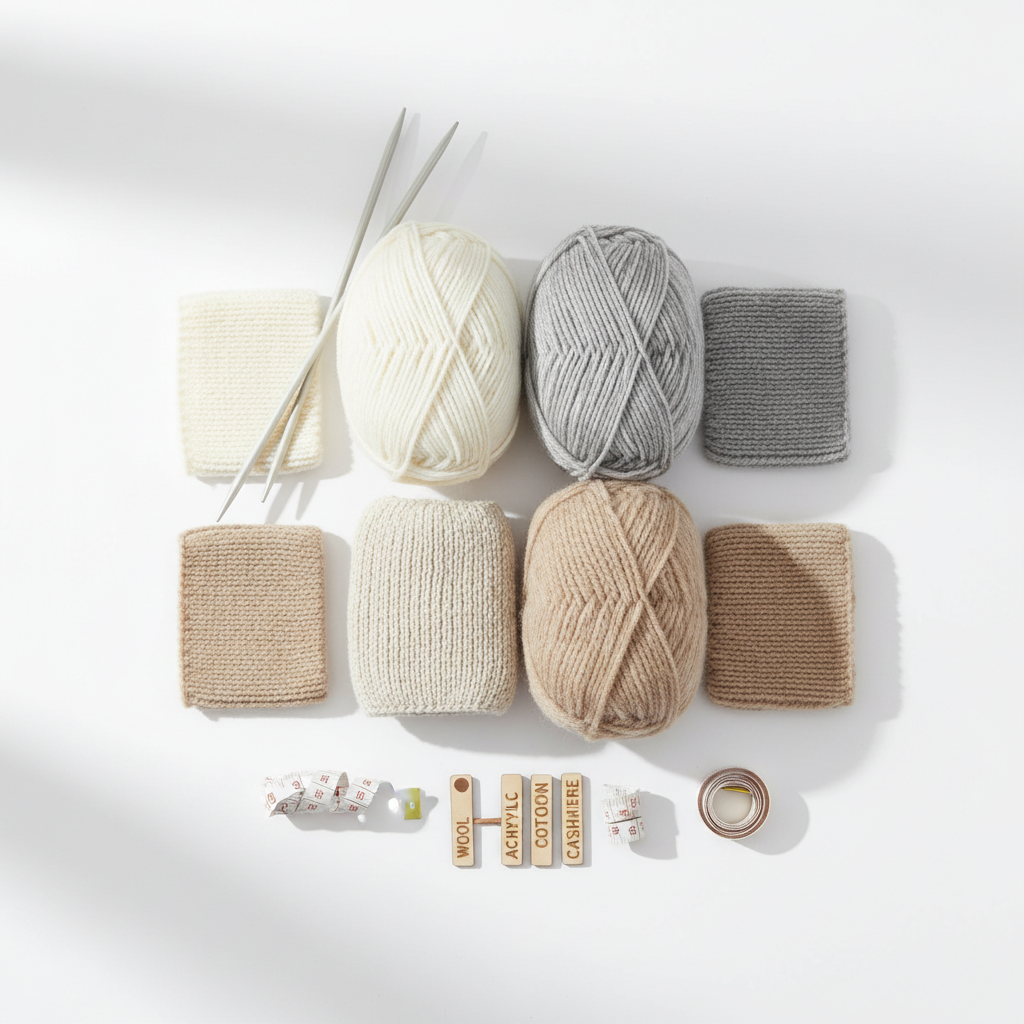
Related: Eco-Friendly Knitted Beanie Materials Guide
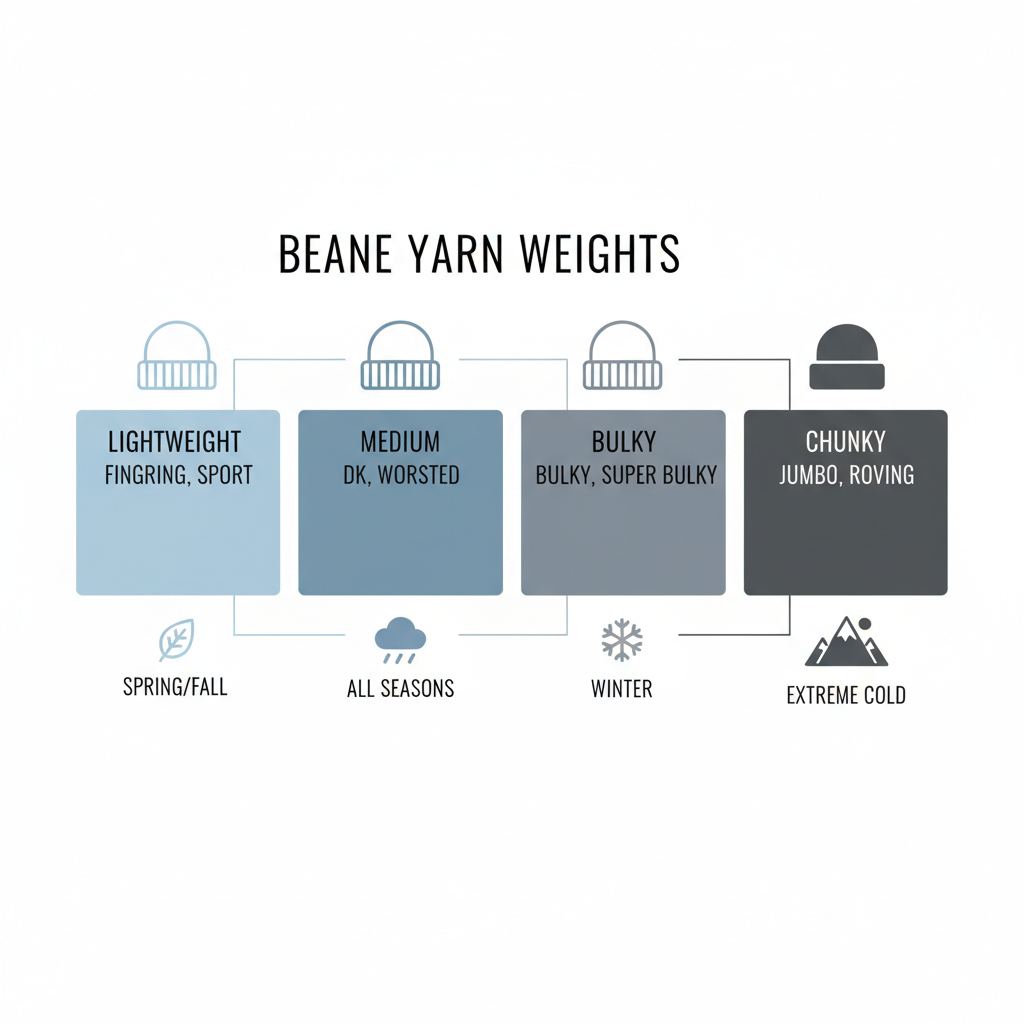 single layer vs double layer knitted beanies

Written by the Hongyuecap Product Team — 10+ years in B2B custom headwear manufacturing. Last updated: May 03, 2026.