
Expertise
Monthly Capacity
Export Markets
According to Statista global headwear market analysis, the global knitted beanie wholesale market reached $3.8 billion in 2025 and is projected to hit $4.2 billion by 2026 with 6.8% CAGR. Wholesale distribution channels account for 68% of all beanie transactions, making B2B sourcing strategy the single most critical factor for importers and wholesale buyers entering this space.
This data underscores the importance of strategic sourcing.
Market trends are constantly evolving.
Knitted Beanie Manufacturer: OEM/ODM Sourcing Guide for Wholesale Buyers
For a beanie bulk order, buyers should lock yarn composition, cuff height, logo method, and carton plan before approving mass production. A reliable knitted beanie manufacturer should confirm sample tolerance, stitch recovery, and labeling requirements in writing before knitting starts.
The global knitted beanie wholesale market reached $3.8 billion in 2025 and is projected to hit $4.2 billion with 6.8% CAGR through 2026. This represents year-over-year growth worth noting. Wholesale distribution channels account for 68% of all beanie transactions.
making B2B sourcing strategy the single most critical factor for importers. Brand owners entering this space face similar challenges.
This guide provides actionable B2B sourcing insights.
This comprehensive wholesale sourcing guide covers acrylic-wool blend material specifications (20/80 to 50/50 ratios), MOQ pricing tiers from $1.95-$2.54/unit, Vietnam vs China manufacturer comparison, WRAP & C-TPAT certification requirements, and 2026 silhouette trends including balaclava beanies (42% growth) and fisherman ribbed styles. Essential reading for B2B procurement managers and wholesale importers sourcing knitted beanies at scale.

Key Material Specifications for Bulk Wholesale Orders
Material selection directly impacts product quality, wholesale pricing, and target market positioning. The current wholesale market offers three primary material categories for bulk procurement:
Acrylic-Wool Blends (20/80 to 50/50 Ratios)
The 20% wool/80% acrylic blend remains the industry standard for bulk wholesale orders, offering optimal balance between warmth retention, durability, and cost efficiency. This composition provides sufficient softness while maintaining shape stability through multiple wash cycles. For premium wholesale positioning, 50/50 blends offer enhanced thermal properties with only moderate price increases.
Performance Synthetic Fibers
Polyester-nylon blends are gaining traction for technical outdoor wholesale applications. These materials offer superior moisture-wicking capabilities, faster drying times, and UV resistance—critical features for ski resorts, mountain guides, and outdoor event merchandise wholesale programs.
Sustainable Alternatives
Recycled polyester (rPET) and organic cotton blends are experiencing 35% year-over-year growth in European wholesale markets. While currently commanding 15-20% price premiums, these materials align with corporate sustainability mandates and appeal to environmentally conscious wholesale buyer segments.
Manufacturing Trends Shaping 2026 Wholesale Production
Strategic planning is essential for B2B buyers.
Quality assurance protocols must be followed.
Production-side data reveals three key trends influencing wholesale manufacturing decisions:
Silhouette Evolution Beyond Basic Beanies
The standard 12-inch cuffed beanie is losing market share to specialized silhouettes. Balaclava beanies (combining neck coverage with face protection) have seen 42% growth in outdoor and streetwear wholesale categories. Fisherman-style ribbed beanies with extended length (14-16 inches) are gaining popularity for their distinctive visual profile and enhanced functionality in the wholesale market.
Tactile Textures and Surface Treatments
Jacquard patterns, cable knits, and raised textures are replacing flat-knit surfaces. These treatments add perceived value without significant production cost increases. According to textile trade data from WTiN, textured beanies command 8-12% higher wholesale prices while maintaining similar production timelines.
Customization at Scale
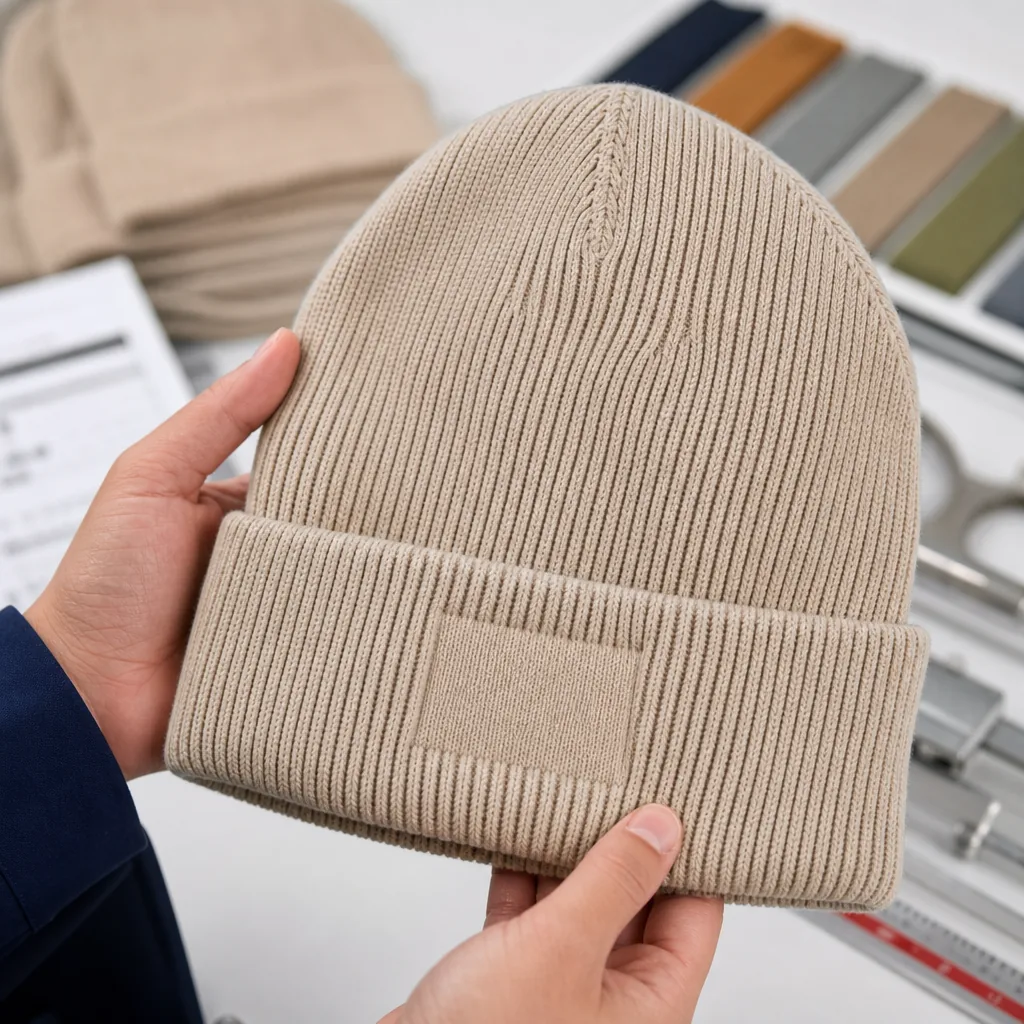
Direct manufacturers now offer scalable customization options with minimum order quantities (MOQs) as low as 50 pieces. Techniques include:
- Jacquard logo integration during knitting
- Embroidery for brand identification
- Silicone printing for durable graphics
- Custom woven labels and hangtags
Strategic Sourcing Approaches for Wholesale Importers
Vietnam vs. China: The Manufacturing Landscape
Vietnamese factories like Nakato Co., Ltd. (Hung Yen City) offer competitive advantages for medium to large wholesale orders:
- Pricing: 8-15% lower than comparable Chinese factories
- Quality Control: WRAP and C-TPAT certified facilities, verified by WRAP Compliance
- Logistics: Proximity to Noi Bai International Airport and Hai Phong Port
- Capacity: Annual production reaching tens of millions of pieces
Chinese manufacturers maintain advantages for:
- Small MOQs: Some factories accept 50-piece minimums
- Material Variety: Broader access to specialty yarns
- Speed: 25-30 day production cycles for standard wholesale orders
Order Volume Optimization
Pricing tiers demonstrate clear economies of scale for wholesale buyers:
| Order Volume | Price Per Unit | Discount vs Baseline |
|---|---|---|
| 50-199 pieces | $2.54 | Baseline |
| 200-499 pieces | $2.15 | 15% |
| 500-999 pieces | $2.05 | 19% |
| 1000+ pieces | $1.95 | 23% |
Quality Assurance Protocols
Implementing structured quality control is essential for bulk wholesale orders. According to CBP C-TPAT program guidelines, importers should maintain documented QC procedures:
- Pre-production samples: Require physical samples before full production
- Mid-production inspections: Schedule factory visits during initial production runs
- Final random sampling: Test 5% of finished goods for material composition and dimensional accuracy
- Wash testing: Verify colorfastness and shrinkage rates per AATCC testing standards
Market Data and Statistical Insights
- Global Market Growth: The knitted beanie wholesale market is projected to reach $4.2 billion by 2026, with 6.8% CAGR from 2023-2026 according to Grand View Research
- Seasonal Distribution: 45% of annual wholesale sales occur Q4, but year-round demand now accounts for 32% of revenue
- B2B vs. B2C: Wholesale channels represent 68% of volume, with corporate merchandise programs driving 22% growth
- Regional Preferences: North American wholesale markets favor acrylic blends (72%), while European buyers show stronger preference for wool blends (41%)
Technical Specifications for Wholesale Product Development
When developing technical specifications for manufacturers, include these critical parameters:
Dimensional Standards
- Head circumference: 20.5″-23.5″ (52-60 cm) for one-size-fits-most wholesale production
- Hat depth: 7.5″-8.5″ (19-22 cm) for proper ear coverage
- Cuff height: 1.5″-2.5″ (4-6 cm) for standard folded styles
Performance Requirements
- Wash durability: Minimum 20 wash cycles without significant shrinkage or color fading
- Seam strength: Minimum 15 lb (6.8 kg) tensile strength
- Color fastness: 4+ rating on standard colorfastness tests
FAQ: Knitted Beanie Wholesale Sourcing
What is the typical lead time for bulk beanie wholesale orders?
Standard production requires 30-45 days from confirmed order to shipment. Rush orders (15-20 days) typically incur 15-25% surcharges. Factors affecting timeline include: custom dye requirements, complex jacquard patterns, and holiday season capacity constraints.
How do I verify beanie manufacturer certifications for wholesale procurement?
Request copies of WRAP (Worldwide Responsible Accredited Production), C-TPAT (Customs-Trade Partnership Against Terrorism), or equivalent certifications. For European markets, verify REACH compliance for chemical restrictions. Schedule virtual factory tours to assess working conditions and production capabilities.
What are the key cost drivers in beanie manufacturing for wholesale buyers?
Material composition (40-55% of total cost), labor intensity (25-35%), and customization complexity (10-20%). Acrylic yarn prices have remained stable, while wool prices increased 8-12% year-over-year. Automation in knitting processes has reduced labor costs by approximately 15% for standard designs.
How should wholesale buyers approach quality control for international beanie shipments?
Engage third-party inspection services for orders exceeding $10,000 value. Standard protocols include: AQL sampling, dimensional verification, material composition testing, and packaging compliance checks. Retain 10% payment until inspection reports are approved.
What are the emerging trend opportunities for beanie wholesale in 2026-2027?
Technical performance features (moisture-wicking, UV protection), sustainable material innovations (recycled content, biodegradable fibers), and hybrid designs combining beanie functionality with other accessories (integrated neck gaiters, detachable face coverings).
Before placing a second beanie bulk order, compare your approved sample against yarn count, stretch recovery, packing method, and logo execution. If you are narrowing suppliers, review our custom knit beanie sourcing guide, yarn materials guide, manufacturing process guide, and beanie logo methods guide to keep the technical checklist aligned across vendors.
Product Specifications
- Category Name: Knitted Beanies
- Description: Stretch-fit knitted caps for cold weather, also called beanies or knit hats
- Polyester: performance/athletic beanies, moisture-wicking, 160-200 GSM
Strategic Recommendations for 2026 Wholesale Sourcing
- Diversify Supplier Base: Maintain relationships with 2-3 manufacturers across different regions to mitigate supply chain risks
- Invest in Customization: Develop proprietary designs and patterns that competitors cannot easily replicate
- Focus on Technical Specifications: Detailed technical packs reduce production errors and improve quality consistency
- Monitor Material Innovations: Stay informed about new fiber technologies and sustainable alternatives
- Build Long-term Partnerships: Multi-season commitments often secure better pricing and priority production slots
The knitted beanie wholesale market continues to offer substantial B2B opportunities for importers and wholesalers who understand material specifications, manufacturing capabilities, and evolving consumer preferences. By implementing strategic sourcing approaches and maintaining rigorous quality standards, businesses can build sustainable competitive advantages in this dynamic market segment.
Ready to source premium knitted beanies at wholesale scale? Contact the Hongyue Cap Wholesale Sourcing Team for personalized consultation on your next bulk order.
Knitted Beanie Manufacturing Process: Knitting, Linking & Finishing Guide for Wholesale Buyers, Beanie Patches Wholesale Buyers: Woven Labels, Embroidery & Silicone, Knitted Beanie Elastic Recovery Stretch Retention Wholesale Guide for Buyers,
Written by the Hongyuecap Product Team — 15 years in B2B custom headwear manufacturing. Last updated: May 26, 2026.