
Recycled PET Bucket Hat Verification: 6 Sustainability Claim Checks for Wholesale Buyers (2026)
How Wholesale Buyers Verify Recycled PET Bucket Hat Sustainability Claims
“My customers are asking for eco-friendly hats but I don’t know how to tell if the supplier’s ‘recycled PET’ claim is real. I’ve heard stories about greenwashing in the textile industry and I don’t want to damage my brand’s reputation. What should I actually check before placing a wholesale order?”
Sustainability marketing has become table stakes in headwear retail. According to Textile Exchange’s 2025 Materials Market Report, recycled polyester accounted for 15% of global polyester production — up from 13.8% in 2024. But here’s the problem: for every genuine RPET bucket hat on the market, there are three that blur the line between recycled content and marketing fiction. Wholesale buyers who don’t verify upstream are the ones who end up with angry customers and chargebacks.
This guide gives wholesale buyers five verification checkpoints for separating documented rPET products from unsupported sustainability claims.
What Recycled PET Actually Means in Hat Manufacturing
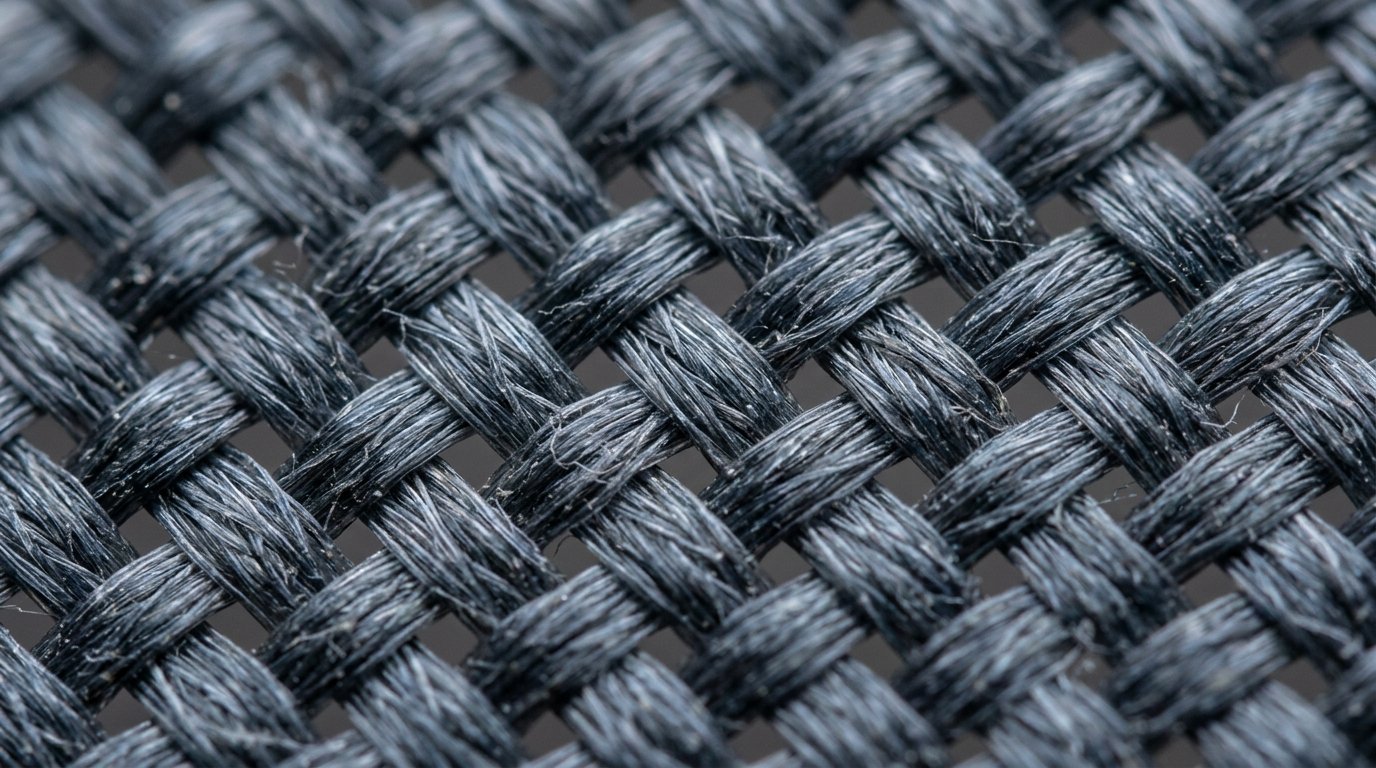
Recycled PET (rPET) in hat manufacturing refers to polyester fiber produced from post-consumer plastic bottles rather than virgin petroleum. The process works like this: collected PET bottles are cleaned, shredded into flakes, melted, and extruded into polyester yarn — which is then woven or knitted into bucket hat fabric.
The key metric buyers should understand is recycled content percentage. A bucket hat labeled “recycled PET” could mean 100% rPET fiber throughout, or it could mean 30% rPET blended with 70% virgin polyester. For any rPET project, state the required recycled-content percentage and permitted blend components in the specification, then verify them against current supplier and transaction documents.
For wholesale buyers, 100% rPET hats do exist but come with trade-offs: pure rPET without any virgin fiber or spandex blend has lower elasticity and a slightly rougher hand feel. Most retail-ready eco bucket hats on US and European shelves sit in the 70-95% rPET range, balancing sustainability claims with wearability.
The Five Documentation Checkpoints Every Wholesale Buyer Should Request
Before wiring any deposit, request these five documents from your supplier. If they can’t produce at least three, walk away — the sustainability claim isn’t backed by evidence.
1. GRS (Global Recycled Standard) Certificate
The GRS certificate is the gold standard for recycled content verification. Issued by third-party certification bodies like Control Union or SGS, a valid GRS certificate confirms:
– The exact percentage of recycled input material
– Chain of custody from recycling facility to finished product
– Social and environmental compliance at each production stage
A legitimate GRS certificate will show a certificate number, scope certificate ID, and expiration date. Verify the legal entity, product scope, certificate number and expiry date directly with the issuing certification body before relying on a GRS claim.
2. Transaction Certificate (TC)
A Transaction Certificate is the shipment-level proof that a specific batch of products contains certified recycled material. Every GRS-certified shipment generates a TC that traces the rPET fiber from bottle to bucket hat. Whitout a TC, the GRS certificate alone means nothing — it only proves the facility is capable, not that your specific order used recycled material.
Whether a transaction certificate is available depends on the certified supply chain and order scope. Make the required transaction evidence a written condition of the quotation and purchase order.
3. Lab Test Report for Fiber Composition
Certificate-holders can still make mistakes — wrong fabric lots get loaded, blends shift during production. A third-party fiber composition test catches these errors. Request an ISO 1833 or AATCC 20 test report that quantifies the exact polyester-to-other-fiber ratio in the finished hat fabric.
If fiber composition is material to the claim, agree the test method, laboratory, sample source and acceptance tolerance before production.
4. Higg Index or Equivalent Facility Score
The Higg Facility Environmental Module (FEM) score tells you how the factory manages water, chemicals, waste, and energy — factors that determine whether your “eco” hat was made in an eco-responsible way. A factory can use rPET yarn but still dump dye wastewater untreated.
Ask the supplier for current, independently verifiable facility-environmental evidence and confirm that the legal entity and production site match the proposed order.
5. OEKO-TEX Standard 100 for Chemical Safety
Recycled doesn’t automatically mean chemical-free. Post-consumer PET bottles can carry residual contaminants from their previous life — and the recycling process itself introduces dyes and finishing agents. OEKO-TEX Standard 100 certification ensures the finished hat has been tested for harmful substances including heavy metals, phthalates, and formaldehyde.
If OEKO-TEX evidence is required, specify the product class and verify that the certificate scope covers the selected material and production lot.
How Much More Does Recycled PET Cost the Wholesale Buyer?

Let’s talk numbers — because every buyer asks this question within the first five minutes.
RPET bucket hats carry a 12-18% price premium over virgin polyester equivalents at the wholesale level. For a typical 500-unit order, that translates to approximately $0.35-0.55 extra per hat — or $175-275 added to the total order cost. The premium comes from three sources: certified rPET yarn costs 8-12% more than virgin polyester, GRS certification and auditing adds fixed annual costs, and fiber composition testing adds $150-300 per production batch.
But here’s what makes the math work for retailers: according to a 2025 First Insight survey, 73% of Gen Z and 68% of Millennial consumers say they’re willing to pay more for sustainable products. A bucket hat that retails for $24.99 with a verified eco story can command $29.99-34.99 — easily absorbing the $0.50 wholesale premium and adding net margin.
MOQ and production timing depend on the certified material, color, construction, documentation scope, quantity and current production schedule.
How Hongyuecap Verifies Every RPET Shipment
Use a written verification chain for each rPET order and make every step traceable to the approved material lot and purchase specification:
Step 1 — Incoming Material Verification. Match the yarn declaration and applicable certificates to the supplier, lot number and approved specification before releasing material to production.
Step 2 — In-Production Lot Tracking. Define how certified and non-certified materials will be identified, segregated and traced through knitting, cutting, sewing and finishing.
Step 3 — Pre-Shipment Random Sampling. Before any eco order ships, our QC team randomly selects 10 units per 1,000 produced and sends them to SGS for third-party fiber composition verification. Results are included in the buyer’s shipment documentation.
Step 4 — TC Issuance. Only after Steps 1-3 pass does the GRS certifier issue the Transaction Certificate. The TC number and recycled content percentage appear on the commercial invoice and packing list — making it traceable for the buyer’s own compliance records.
Include documentation review and any third-party testing in the project timeline instead of assuming a fixed number of additional days.
FAQ: Recycled PET Bucket Hat Verification for Wholesale Buyers
How can I tell if a GRS certificate is fake?
Check the certificate number on the issuing body’s public database (Control Union, SGS, or other Textile Exchange-accredited certifier maintains an online registry). A fake GRS certificate usually has an invalid number, a mismatched company name, or an expired date. Legitimate certifiers update their databases within 30 days of issuance.
What’s the minimum recycled content percentage that counts as “eco”?
There’s no universal legal threshold, but the FTC Green Guides (US) and EU Directive on Unfair Commercial Practices require claims to be “substantiated and specific.” If a hat says “made with recycled materials” but contains only 10% rPET, that’s misleading. Industry standard for credible eco claims is ≥50% recycled content. Hongyuecap’s standard is 85% minimum.
Do I need a Transaction Certificate for every order?
Yes — if you’re making GRS-labeled claims. A GRS facility certificate without a TC is like a driver’s license without a car registration: it proves capability, not that this specific trip happened. For orders under 500 units, some certifiers allow batch-level TCs covering multiple small orders.
Can recycled PET bucket hats match virgin polyester in quality?
With modern rPET yarn technology, the quality gap has narrowed significantly. Hongyuecap’s rPET bucket hats achieve 4.5/5 in colorfastness (AATCC 61) and 4/5 in abrasion resistance (Martindale test, 20,000 cycles) — comparable to premium virgin polyester grades. The main difference is a slightly softer hand feel in rPET, which many consumers actually prefer.
How do I explain the price difference to my retail customers?
Frame it as value, not cost. A verified rPET bucket hat gives your customer: (1) a sustainability story they can share on social media, (2) alignment with their own ESG goals if they’re a corporate buyer, and (3) a product that 73% of Gen Z consumers are willing to pay more for. Provide only verified, order-specific certificates and test reports as marketing evidence, and check that each claim matches the document scope.
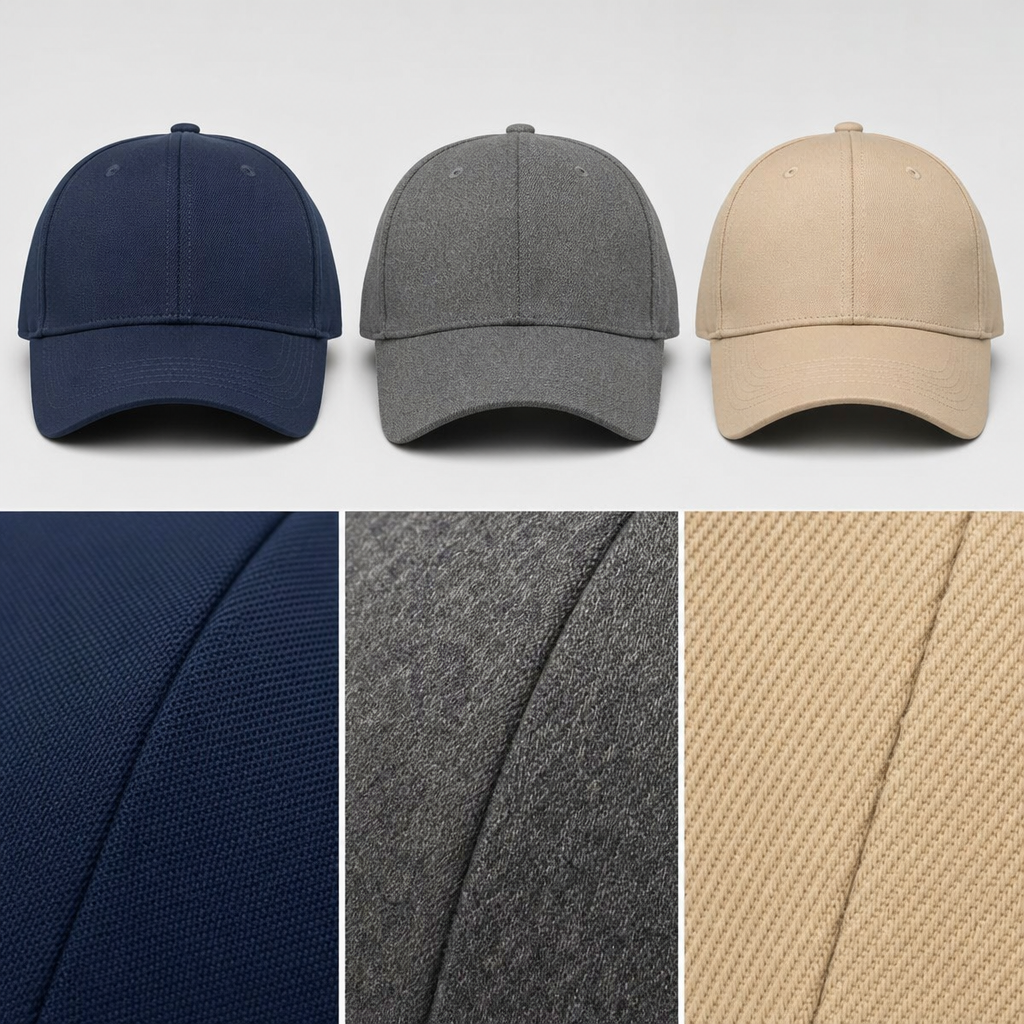
Ready to verify your recycled PET bucket hat order? Hongyuecap’s eco headwear line ships with full GRS + OEKO-TEX + third-party fiber test documentation. Contact our sourcing team for a sample pack and current rPET fabric swatches.
Sources: Textile Exchange Materials Market Report 2025; FTC Green Guides 16 CFR Part 260; First Insight Consumer Sustainability Survey 2025; Global Recycled Standard v4.0; Higg Index FEM Methodology.
Written by the Hongyuecap Product Team. Last updated: May 03, 2026.
Related Resources for Wholesale Buyers: