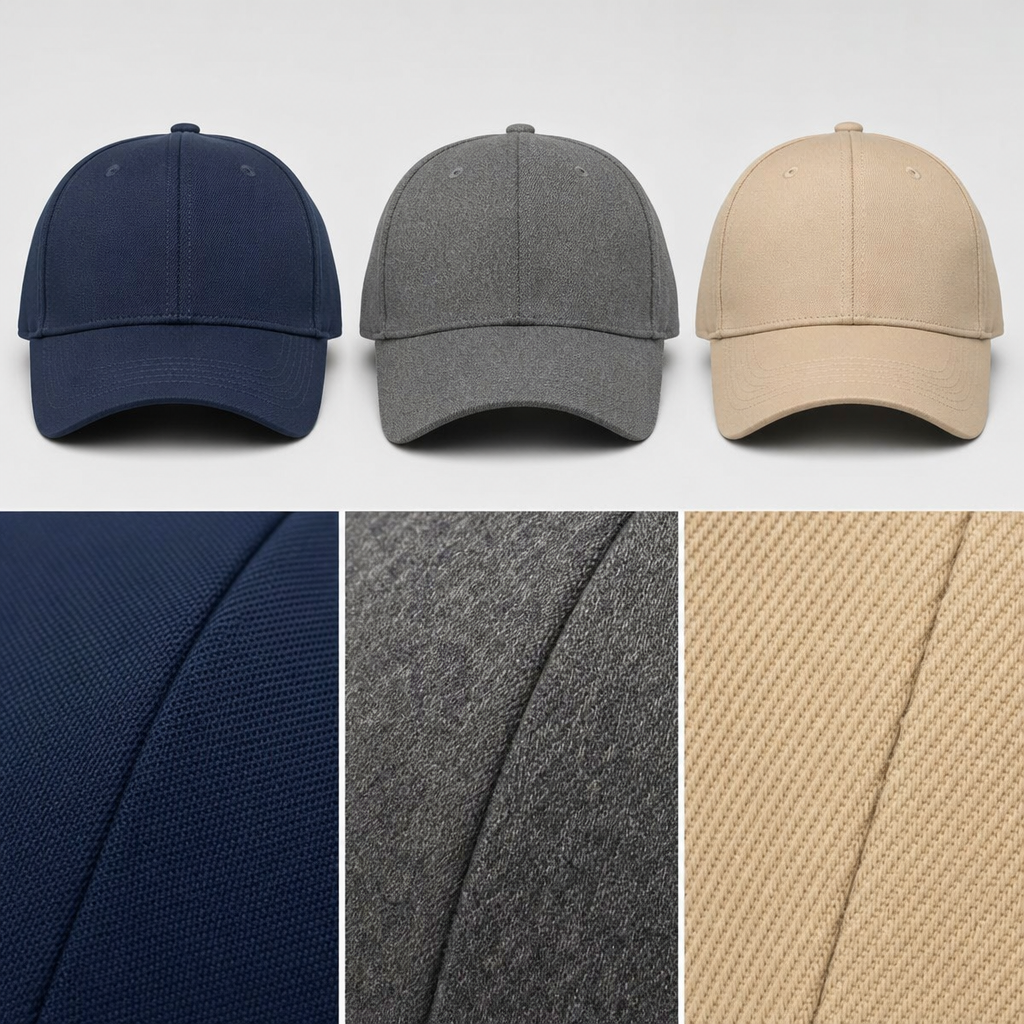

Straw Hats vs Bucket Hats: A Wholesale Buyerâs Guide for Summer 2026
“I’ve been sourcing summer hats for my retail stores for three seasons now, and I still can’t figure out whether straw hats or bucket hats move faster. My customers ask for both, but I don’t want to split my budget and end up stuck with slow-moving inventory. How do I know which style to bet on for summer 2026?”
If that sounds familiar, you’re not alone. Every wholesale buyer in the hat game faces this same dilemma when summer rolls around. Straw hats scream “beach vacation.” Bucket hats whisper “streetwear cool.” But when you’re placing bulk orders with a supplier, guessing wrong means dead stock and tied-up capital.
The good news? You don’t have to guess. Here’s what the data, trends, and real-world retail performance tell us about the straw hat vs bucket hat matchup for summer 2026 — and how to build a balanced wholesale order that actually sells.
1. Why Summer 2026 Is Different for Wholesale Hat Buyers
Summer hat demand isn’t what it used to be. Three shifts are reshaping the wholesale landscape right now:
The “Quiet Luxury” reset. After years of logo-mania and hype-driven fashion, consumers are leaning into simpler, higher-quality pieces. They want hats that look expensive without screaming a brand name. Both straw hats and bucket hats can play in this space — but in different ways.
UV awareness is mainstream. Sun protection is no longer just for seniors at the beach. Gen Z and Millennials are actively seeking UPF-rated accessories. A hat that blocks the sun sells itself.
Multi-function is king. The same consumer who wears a hat to the farmers market on Saturday wants it to work for brunch on Sunday. Versatility drives purchase decisions.
These trends matter because they directly influence which hat styles will perform on your shelves. Let’s break down each contender.
2. Straw Hats: The Summer Classic That Never Quits
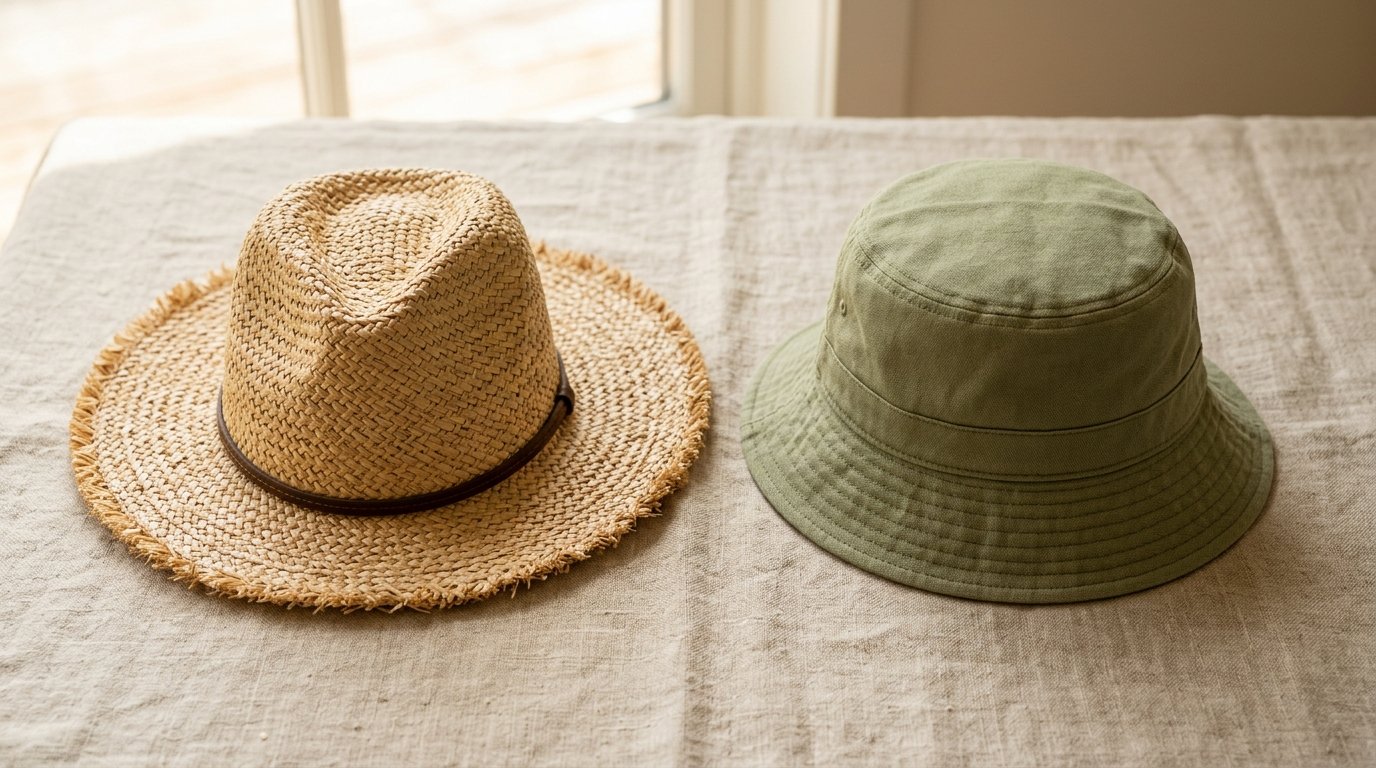
Straw hats have been around for centuries, and there’s a reason for that — they work. For summer 2026, here’s what wholesale buyers need to know.
What’s selling: Wide-brim fedoras, Panama-style hats, and cross-body floppy hats are the top performers. Natural tones (pale straw, beige, cream) are outselling dyed options by a wide margin.
The price advantage. Straw hats hit a sweet spot for wholesale margins. You can get solid quality at $5-$12 per unit wholesale, retail them at $25-$45, and still leave room for seasonal markdowns. Compare that to structured bucket hats where the manufacturing cost is similar but the perceived value is lower.
The inventory risk. Straw hats are fragile. They crush, bend, and lose shape if stored poorly. Returns due to shipping damage run higher than any other hat category — about 8-12% depending on packaging quality. Factor that into your margin calculations.
Best for: Beach-town retailers, resort shops, tourist-heavy locations, and wedding-guest season (May-September).
3. Bucket Hats: Streetwear Darling or Retail Mainstay?
Bucket hats had a massive renaissance starting around 2020, and unlike some trend resurgences, this one has staying power. Here’s the wholesale reality check.
The segmentation story. Bucket hats split into three distinct markets now:
- Fashion bucket hats — printed, embroidered, logo-heavy. $8-$15 wholesale.
- Performance bucket hats — UPF 50+, moisture-wicking, packable. $10-$18 wholesale.
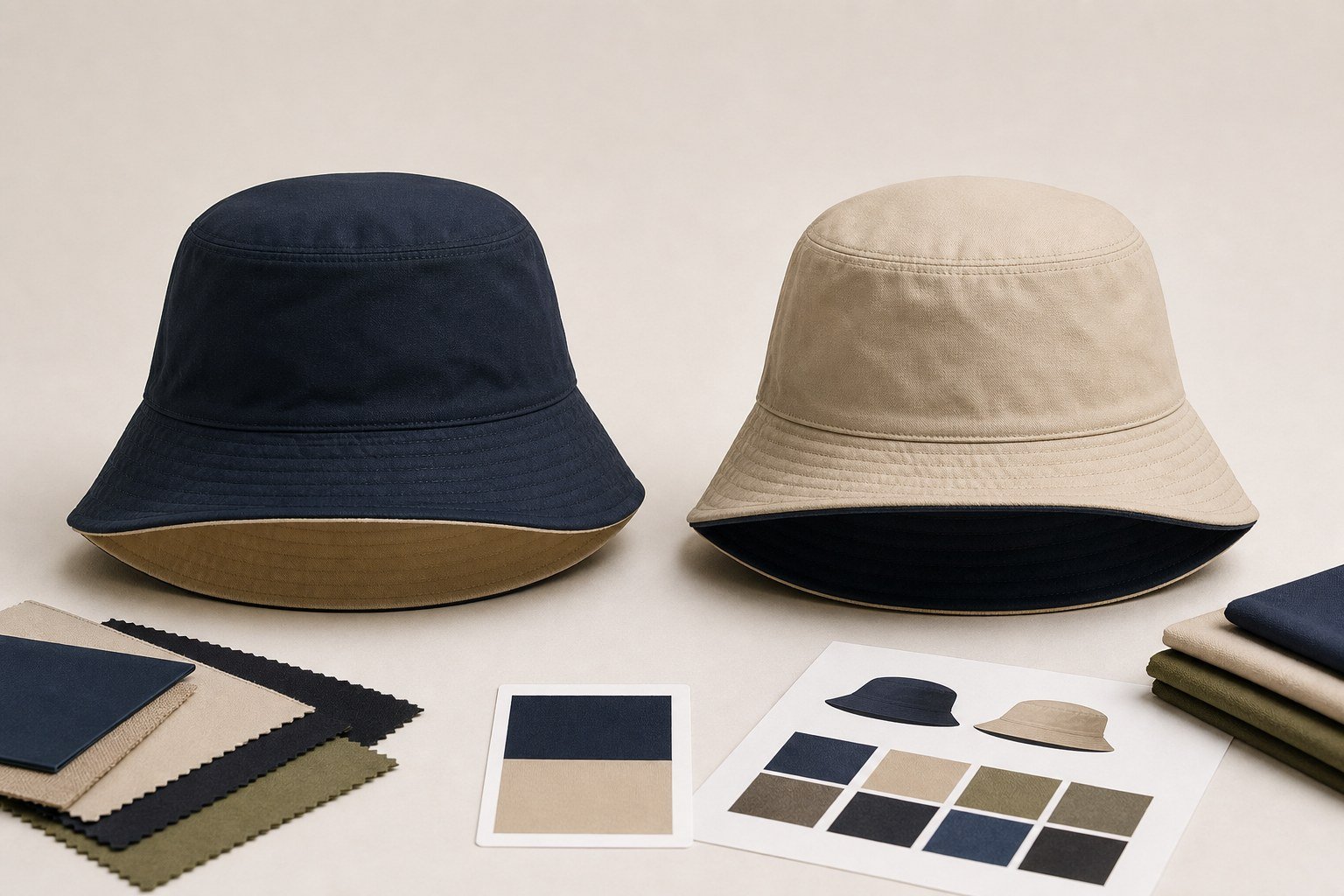
- Cotton/Linen bucket hats — everyday wear, solid colors. $6-$12 wholesale.
The fashion bucket market is cooling. The performance and everyday buckets are growing.
Year-round appeal. Unlike straw hats (which are strictly warm-weather), bucket hats sell 10-11 months a year in most markets. That means steadier reorder patterns and less seasonal write-off.
The margin math is tighter. Bucket hats typically retail at $20-$35, selling closer to $20-$25 in practice. With wholesale at $8-$15, your margin is thinner — but your sell-through rate is higher.
Best for: Urban retailers, streetwear boutiques, outdoor/sporting goods stores, and e-commerce first brands.
4. How to Structure Your Wholesale Hat Order for Summer 2026
Here’s the practical framework for buyers who want to stock both categories without overcommitting.
The 60/40 rule. If you’re new to summer hats, start with 60% bucket hats and 40% straw hats. Buckets have broader appeal, lower seasonal risk, and better sell-through consistency. Straw hats give you higher-margin upside and a “wow” factor on display.
The color strategy. For straw hats: stick to naturals and off-whites. They outsell colored straw hats roughly 4:1. For bucket hats: neutrals (black, navy, beige, olive) should be 70% of your order. Let printed/patterned buckets be the remaining 30% — and only if you know your customer base.
Price anchoring on the shelf. Put your straw hats at a higher price point and position them as the “premium” option. Bucket hats at the accessible price capture the budget-conscious buyer. This way both categories reinforce each other rather than cannibalizing.
Bundle for higher AOV. Consider creating a “Summer Hat Pack” — one straw hat + one bucket hat + a hat care card, bundle-priced at a small discount. Buyers who can’t decide will buy both. Test this with 50-100 units before scaling.
5. Finding the Right Wholesale Hat Supplier for Mixed Categories

Not all hat suppliers are created equal, especially when you’re mixing categories. Here’s what to look for in a partner.
Category expertise matters. A supplier who specializes in baseball caps might not understand straw hat construction or bucket hat sizing. Look for a wholesale hat manufacturer that explicitly lists both categories in their catalog.
MOQ flexibility. Straw hats and bucket hats often have different minimum order quantities. Good suppliers work with you on mixed orders. Look for MOQs of 50-100 units per style, not per SKU.
Sample turnaround. Before placing a bulk order, get samples of both categories. A 7-10 day sample turnaround is standard. If a supplier takes longer than two weeks for samples, that’s a red flag for their production pace.
Packaging quality. Straw hats ship poorly without proper packaging. Ask your supplier about their packing method — individual poly bags, tissue wrap, and reinforced boxes are non-negotiable for straw hats.
For a reliable option, check out our summer hat collection and bucket hat range to see how a dedicated manufacturer handles both categories.
6. What Your Customers Are Actually Looking For
Let’s get specific about the end consumer, because that’s who ultimately pays your bills.
- The resort buyer (straw hat customer). They’re on vacation or planning one. They want something that photographs well, feels vacation-y, and costs under $50. They’ll buy impulsively if the hat is displayed well. Returns are rare — it’s a souvenir purchase.
- The everyday casual (bucket hat customer). They wear hats as part of their regular wardrobe. They’ll pay $20-$35 for a hat they wear twice a week. They compare materials, check reviews, and buy based on utility. Repeat purchases are common.
- The outdoor enthusiast (performance bucket). They’re buying for function. UPF rating, breathability, packability, and water resistance matter more than style. They’ll pay a premium for technical features. Brand loyalty is high.
- The fashion-forward buyer (both). They follow trends and influencers. They’re the hardest to predict but also the highest-margin buyer. If you stock what’s trending on TikTok and Instagram, they’ll find you.
The smartest wholesale strategy? Stock for the everyday casual and resort buyer first. They’re your volume. Let the fashion buyer be your upside.
Also, don’t forget to browse our wholesale baseball caps — they’re year-round staples that complement your summer hat order beautifully.
7. Cost Comparison at Scale
Let’s put numbers on the table. For a 500-unit mixed order, here’s what you’re looking at:
| Metric | Straw Hats (200 pcs) | Bucket Hats (300 pcs) |
|---|---|---|
| Wholesale cost | $1,200-$2,400 | $1,800-$4,500 |
| Avg retail price | $35 | $28 |
| Est. sell-through (8 weeks) | 65-75% | 75-85% |
| Est. gross revenue | $4,550-$5,250 | $5,880-$7,140 |
| Est. return rate | 8-12% | 3-5% |
| Net margin estimate | 38-45% | 30-38% |
The straw hats have higher per-unit margin but lower sell-through. The bucket hats move faster with less risk. Which one wins? Depends on your cash flow and risk tolerance.
8. Final Takeaway for Wholesale Buyers
Here’s the honest answer: you should carry both, but weight your inventory toward bucket hats if you’re cautious, and toward straw hats if you have the display space and a beach-adjacent location.
For summer 2026, the winning formula is:
- 70% neutrals, 30% patterns/colors across both categories
- Feature straw hats as your premium display item at $35-$45 retail
- Use bucket hats as your volume driver at $22-$30 retail
- Bundle both at a discount to capture undecided buyers
- Invest in good packaging — it pays for itself in reduced returns
The straw hat vs bucket hat debate doesn’t have a single right answer. But with the right mix, you can make both categories work for you.
Ready to place your summer wholesale order? Contact HongYue Cap for bulk pricing, free samples, and MOQ options that work for your business. We’ve been supplying retailers worldwide since 2018 with premium custom hats — and we’re here to help you find the right mix for your market.
Sources: Fashion United Industry Report (2025), The NPD Group Headwear Market Analysis (2025), American Hat Makers Association guidelines on hat care and UPF ratings.
Related: Recycled PET Bucket Hat Sustainability Verification — GRS certification, lab testing, and documentation checkpoints for wholesale eco hat sourcing.
Related: Hat Seasonality Planning: When to Order Each Style — complete ordering calendar for wholesale buyers.
Written by the Hongyuecap Product Team — 10+ years in B2B custom headwear manufacturing. Last updated: May 03, 2026.