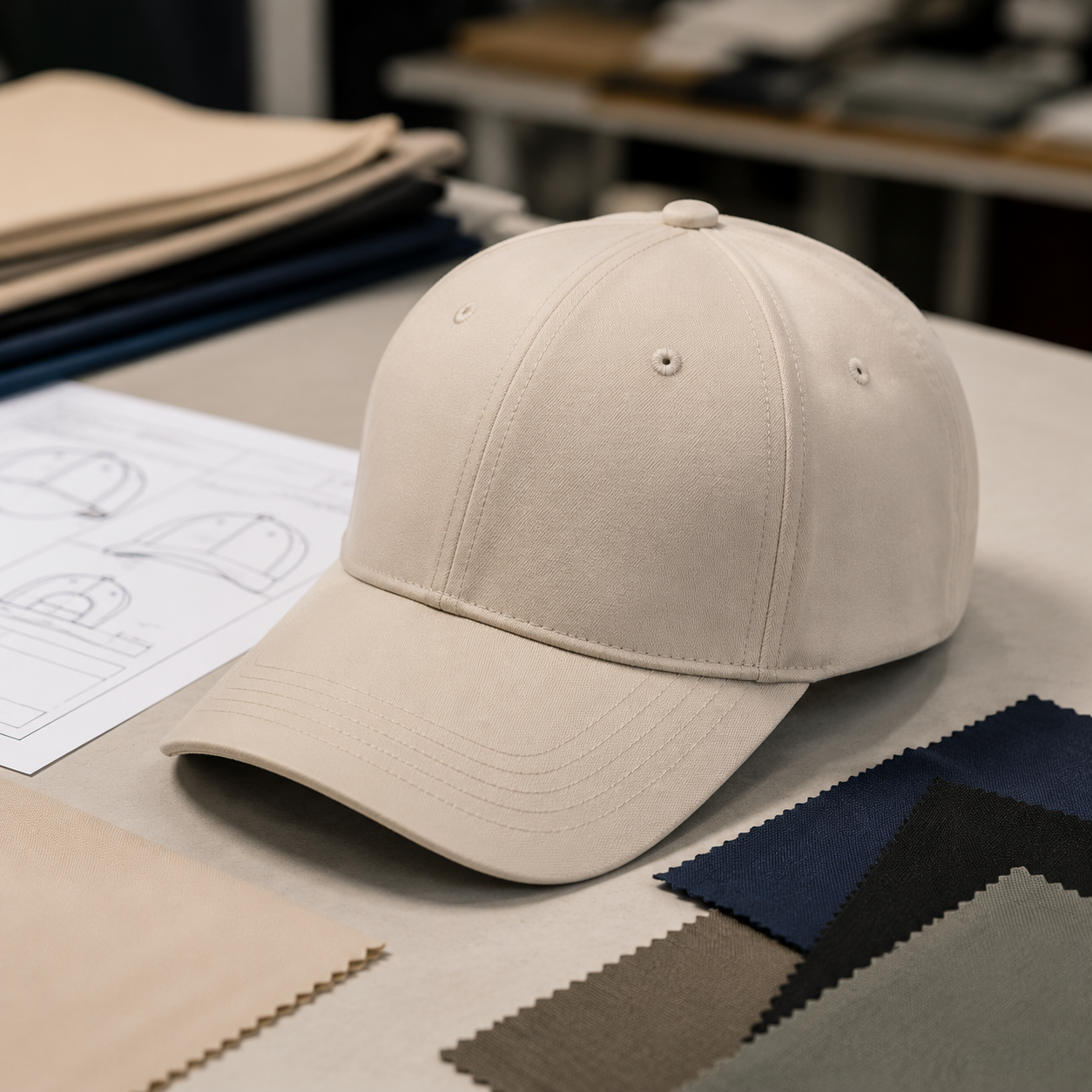
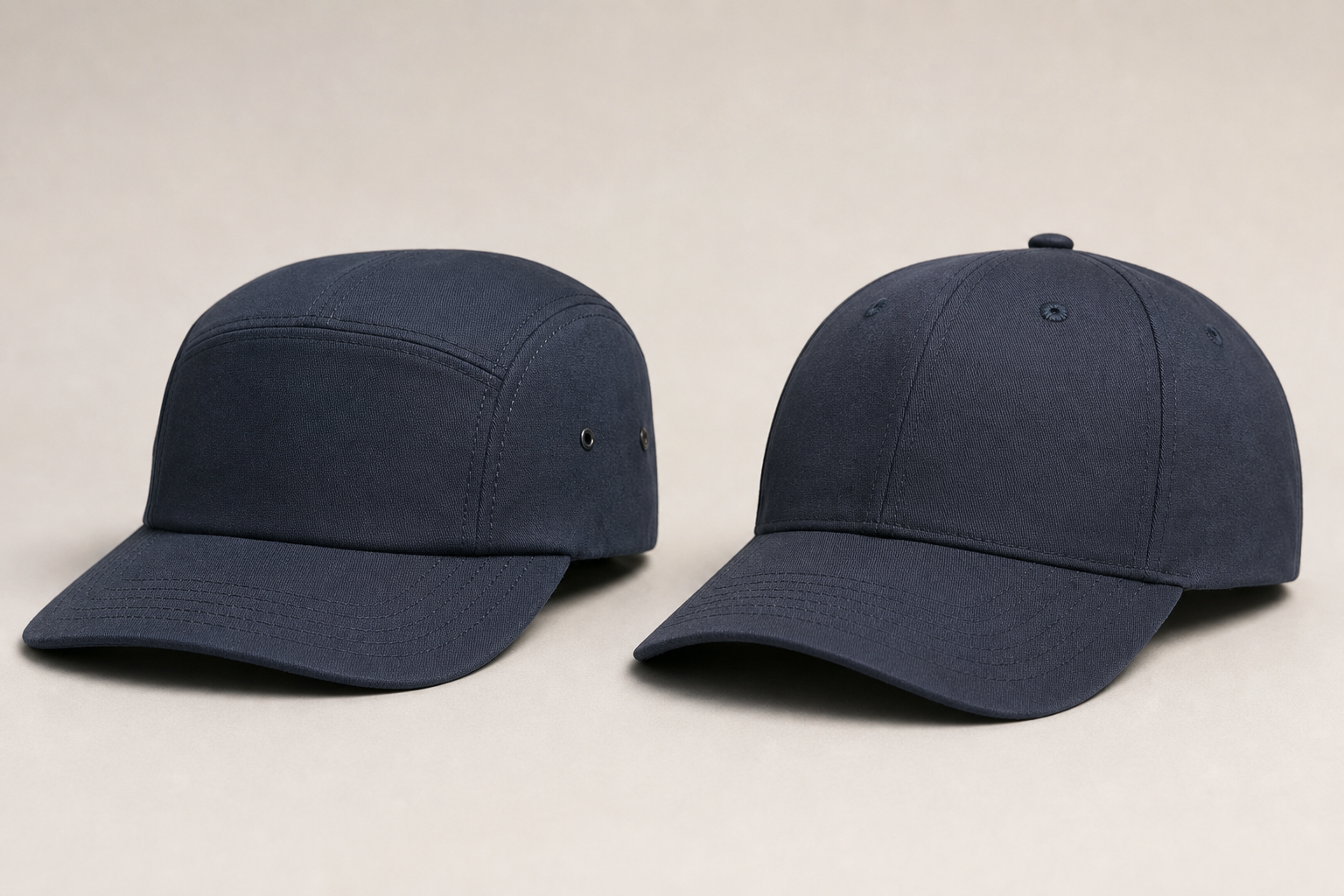
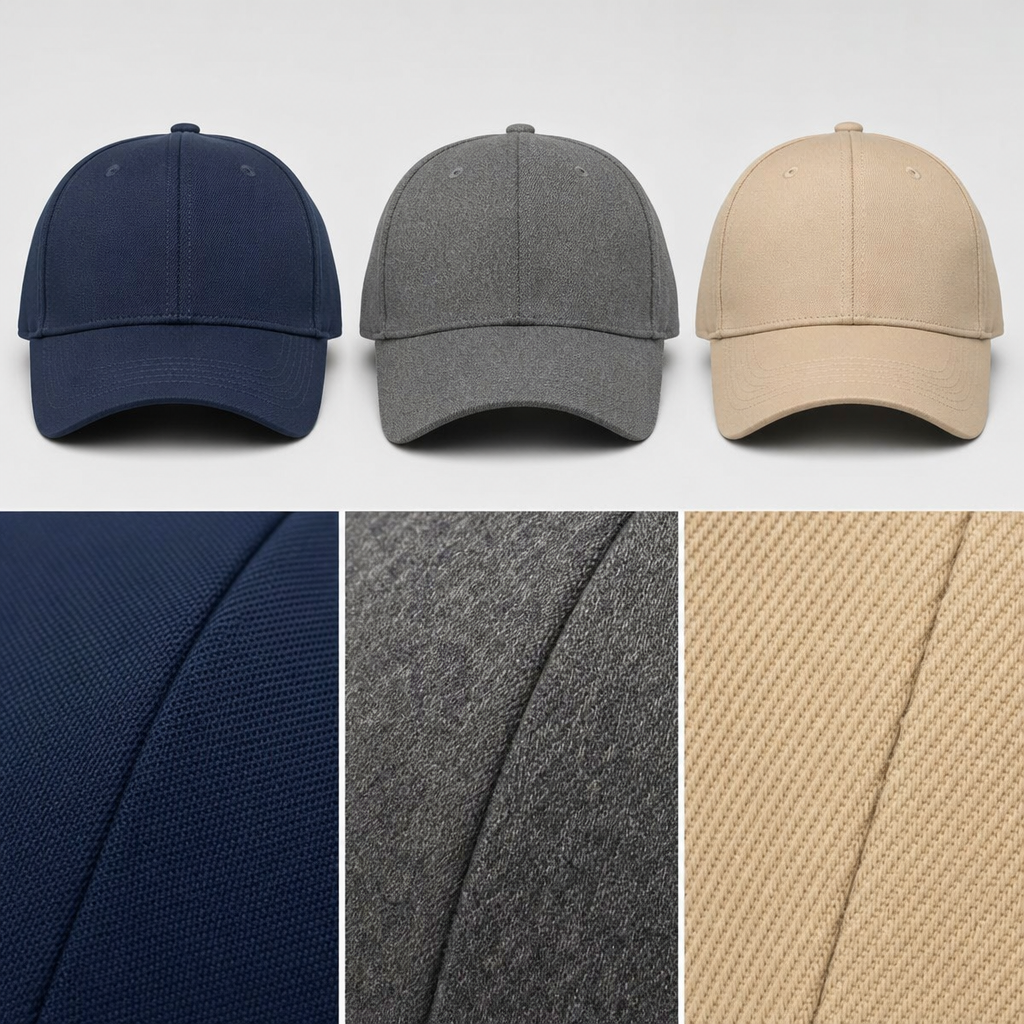
Packable straw-hat approval: Test the actual weave and reinforcement through a defined fold, storage and recovery cycle. Inspect crown creasing, brim waviness, band attachment and shelf presentation after unpacking, then specify carton support and stacking limits in the bulk packing instruction.
Retail buyers usually notice the problem too late: a hat that looked fine in a sample carton arrives on shelf with crushed structure, poor recovery, weak comfort, or a fit profile that creates avoidable returns. Packable straw hats for travel retail decisions work better when buyers test the real use case instead of trusting generic spec sheets.
Packable straw hats for travel retail is not just a product keyword. It is a buying framework for retailers, resort programs, boutique stores, and uniform projects that need lower return rates, cleaner display standards, and more dependable repeat orders. Buyers working with suppliers in Guangdong, China often serve customers in the USA, EU, AU, and GCC, so the article below focuses on practical specification checkpoints that survive freight, climate, and day-to-day selling pressure.
Why packability matters more than material stories in travel retail
Direct answer: packable straw hats for travel retail should be judged first on how well the hat survives folding, nesting, and carton pressure, because travel retail buyers lose margin when hats reach resort or airport shelves with visible deformation.
Travel retail environments care about speed. Staff open cartons, recover product shape, and build shelf displays on the same day. If a straw hat still looks tired after a short recovery period, the buyer pays twice: once in markdown risk and again in slower sell-through. That is why smart buyers do not stop at a supplier promise about natural fibers or handcrafted appearance. They ask how the hat behaves after compression, how the brim rebounds, and whether the crown keeps a clean retail silhouette after freight from China to overseas stores.
How buyers run a simple crush resistance and recovery test
Direct answer: A useful receiving test compresses the crown and brim under controlled weight, then checks rebound time, edge smoothness, and visible dents after unpacking.
A practical lab-style routine is simple. Buyers can place the hat in its expected export pack style, apply moderate top pressure, unpack it, and rate the shape at 5 minutes, 30 minutes, and 24 hours. The goal is not perfection. The goal is predictable recovery. This is where packable programs separate from ordinary novelty straw hats.
Checkpoint
What buyers should inspect
Why it matters
Crush resistance
Visible dents after carton pressure
Protects arrival quality
Shape recovery
Rebound after 5 to 30 minutes
Reduces labor before display
Brim balance
Left-right symmetry on shelf
Improves visual sell-through
Shelf-ready finish
Need for steaming or reshaping
Affects retail labor cost
What shelf-ready presentation actually means for resort and airport stores
Direct answer: Shelf-ready presentation means the hat opens cleanly, keeps a balanced brim line, and can be merchandised quickly without steaming or manual reshaping.
Gift shop teams do not want to babysit every unit. They want hats that can go from carton to shelf with minimal labor. For that reason, buyers should approve brim symmetry, crown posture, and hangtag placement together rather than in isolation. A hat may recover enough for a product photo yet still look weak in a real gondola or resort boutique display.
Ask for transit-pack photos before bulk approval
Rate recovery at multiple time points
Check whether the brim edge stays smooth
Confirm display-ready appearance without steaming
How to align structure expectations with supplier communication
Direct answer: Buyers should convert vague requests like ?packable? into measurable checkpoints covering carton density, nesting method, rebound time, and acceptable cosmetic tolerance.
A good supplier conversation includes photos, packing diagrams, and failure examples. Instead of asking for ?better quality,? ask for brim edge tolerance, recovery after compression, and the number of units per master carton before visible stress appears. That creates fewer arguments after landing and gives the factory a spec it can actually execute.
Approve development sample
Test transit-style compression
Review unpacking recovery
Sign off shelf display reference
What commercial buyers should request before approving bulk
Direct answer: Approve bulk only after testing pre-production samples, transit-style packing, and a short display simulation that reflects how stores in the USA, EU, AU, or GCC will actually receive the goods.
The strongest buying teams build one final decision package: the tested sample, the pack plan, the display standard, and the photo reference for acceptable recovery. That package protects both sides. It also makes replenishment easier because the supplier can repeat a standard instead of guessing what ?nice shape? means for your market.
For deeper category browsing, see our straw hats category. Buyers comparing project options can also review the straw hat supplier guide 2026 and visit our contact page to discuss OEM and private label details. If you want a broader brand introduction, our homepage gives a quick overview of our export experience.
For external reference, buyers can review guidance from U.S. Customs and Border Protection when aligning compliance, merchandising, or operational expectations across markets.
Final buying recommendation
Direct answer: The safest way to buy packable straw hats for travel retail is to define the exact use case, convert quality language into measurable tests, and approve bulk only after structure, comfort, and display performance have been validated on real samples. wide brim straw hats for sun retail
External Quality Reference for Buyers
Buyer Checklist Before Confirming the Order
How Buyers Can Use This Guide During Supplier Negotiation
Written by the Hongyuecap Product Team — 10+ years in B2B custom headwear manufacturing. Last updated: May 03, 2026.