
Wide Brim Straw Hats Wholesale Buying Guide 2026
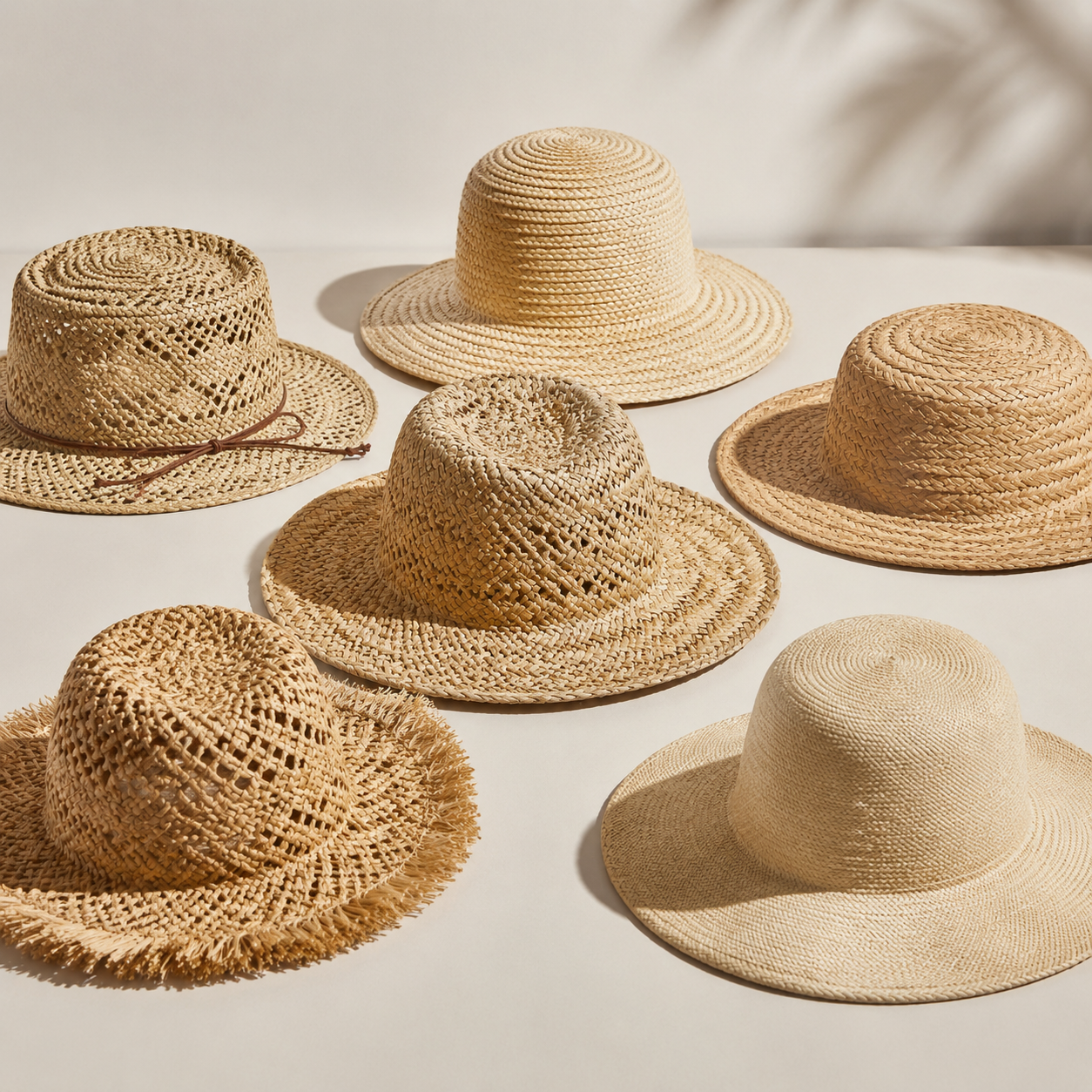
Wide brim straw hats for sun retail are attractive because they promise two things at once: visible summer style and believable shade coverage. For boutique, beach, and resort buyers, that sounds easy. In practice, it is not. The same wide brim that improves sun protection can increase weight, eat shelf space, flatten during shipping, and feel awkward in windy outdoor locations. Buyers who treat this as a simple fashion choice usually end up with slow-moving inventory, while buyers who understand the trade-offs build stronger seasonal programs.
In sun retail, the best wide-brim straw hat is rarely the biggest hat on the shelf. It is the one that gives enough coverage to justify the purchase without becoming too heavy, too fragile, or too inconvenient for real customers to wear.
Why wide brim straw hats still matter in sun retail
Direct answer: Wide brim straw hats still matter because they create instant summer value by combining visual impact, shade coverage, and premium seasonal texture in one product.
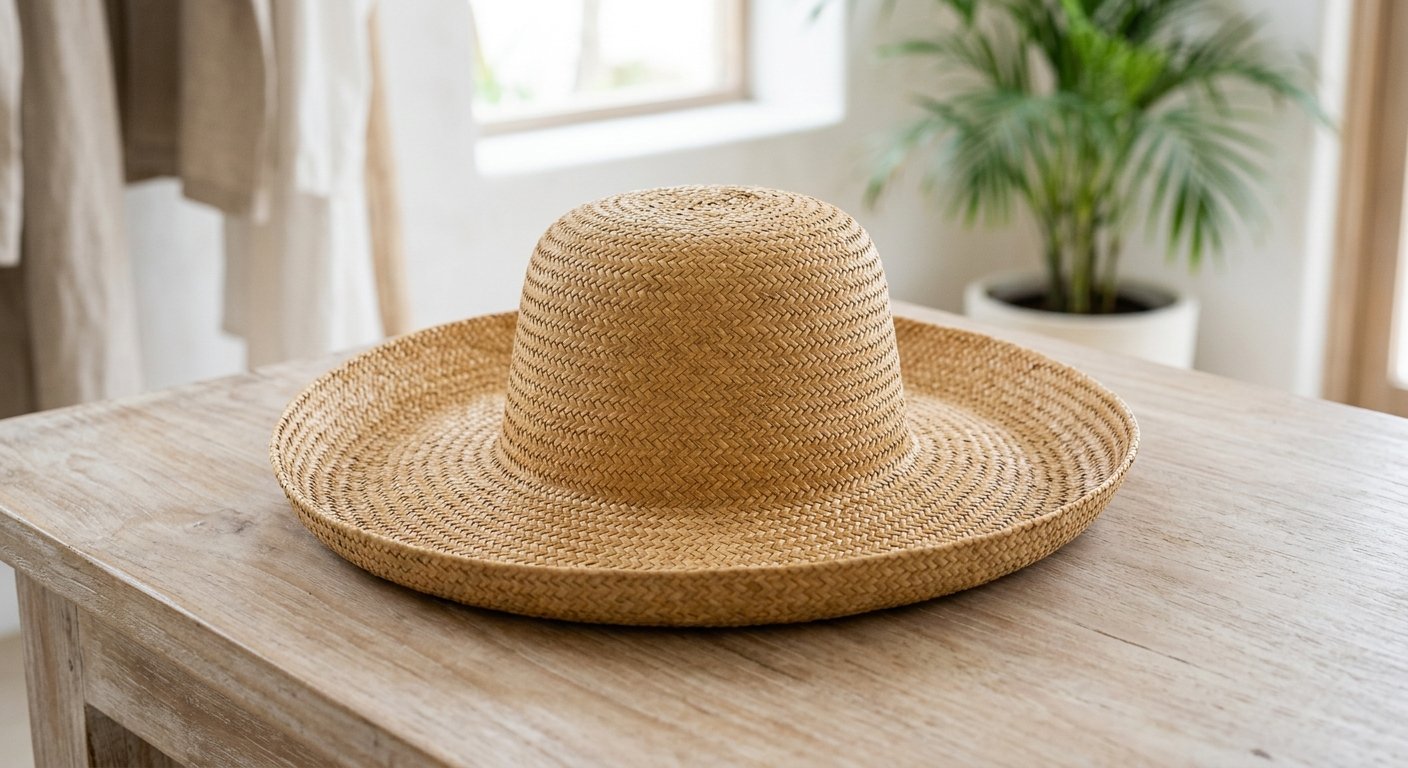
Customers understand the benefit of a wide brim immediately. They do not need a long explanation. A broader brim signals vacation, heat, beach, leisure, and a more elevated form of sun protection than a basic cap. That makes the category commercially useful in beach shops, resort boutiques, outdoor lifestyle stores, cruise retail, and destination gift channels across the USA, EU, Australia, and GCC markets.
The category also gives retailers an easy way to increase perceived assortment quality. A shelf with only caps and soft packable hats can look practical but repetitive. Add a wide-brim straw option and the display gains more visual contrast, more lifestyle energy, and often a higher price anchor. This is one reason wide-brim straw silhouettes remain important even when bucket hats and technical sun hats are growing.
- They communicate sun protection without needing technical jargon.
- They lift the visual value of a seasonal headwear assortment.
- They work especially well in resort, beach, and boutique environments.
- They pair naturally with dresses, swimwear, bags, and vacation accessories.
That said, wide brim alone does not guarantee success. Buyers still need to manage the balance between coverage and usability.
How shade coverage changes the retail story
Direct answer: Shade coverage matters because customers buying sun retail expect the hat to look protective, not merely decorative, but more coverage also increases design and comfort pressure.
The commercial promise of a wide-brim straw hat depends on visual logic. If the brim looks too narrow, the hat loses the reason many customers pick it up in the first place. If the brim looks oversized without enough structure, it can feel theatrical rather than wearable. Buyers therefore need to think of brim width as a retail position, not just a design number.
A medium-wide brim usually suits mixed retail environments because it creates a strong sun story while remaining easier to stock, try on, and wear. A very wide brim can work beautifully in a resort boutique or coastal destination shop, but it needs stronger materials, better shipping protection, and a customer who is willing to wear a more dramatic silhouette. That is why the channel matters so much.
In practice, shade coverage also changes customer behavior. People try wide-brim hats on longer. They turn sideways in the mirror. They imagine travel, outdoor lunches, poolside use, and beach walking. The hat becomes part accessory, part utility decision. Retailers who understand this can merchandise the category more confidently and price it more intelligently.
| Brim Direction | Coverage Signal | Wearability | Best Retail Use |
|---|---|---|---|
| Medium Wide | Clear sun protection | Easy everyday wear | Beach, boutique, mixed retail |
| Wide | Stronger protection story | Needs better balance | Resort, premium vacation retail |
| Extra Wide | Maximum visual drama | Lower universal appeal | Selective fashion-led channels |
Weight is where good-looking hats start to fail
Direct answer: Weight becomes a problem when a wide-brim hat looks impressive on display but feels tiring, unstable, or awkward after a few minutes of actual wear.
This is one of the most common blind spots in straw buying. A hat can photograph beautifully and still underperform because the material, brim build, or trim choices make it too heavy for relaxed use. Customers may not articulate that problem directly. They simply put the hat back down, especially in warm weather where comfort tolerance is low.
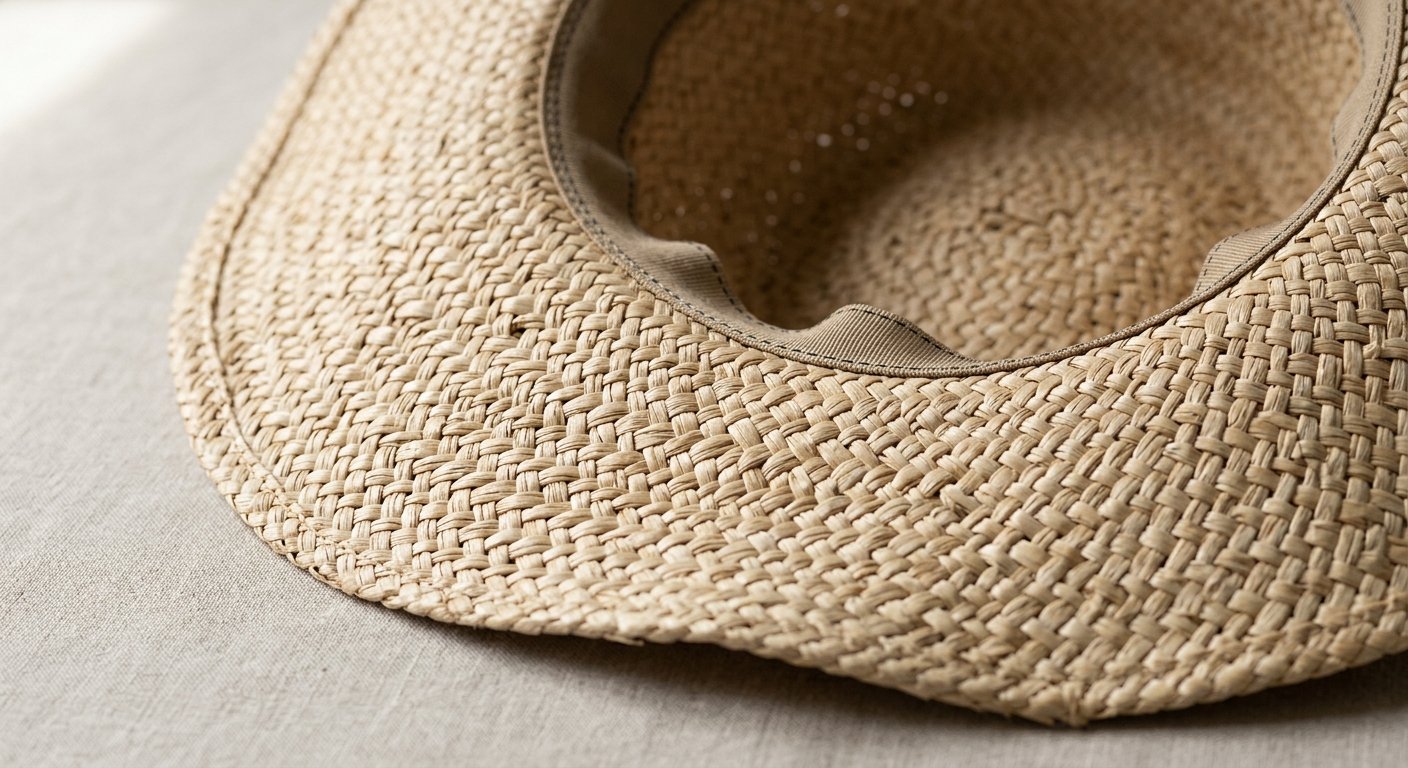
Material choice drives a lot of this outcome. Some natural-looking straw constructions create a refined premium appearance without excessive weight. Others feel dense and stiff. If the brim must be wide, then every additional detail — lining, sweatband, decorative banding, reinforcement — has to be evaluated carefully. Too much build creates fatigue. Too little build creates sagging and loss of shape.
Retail buyers should therefore review hats in hand rather than trusting a vendor photo or a generic style sheet. Ask simple but revealing questions: How does the hat feel after three minutes on head? Does the brim pull backward? Does it feel top-heavy? Does it recover if placed on a display form and removed repeatedly? Those questions are more useful than vague phrases like “premium quality.”
- Lighter hats are easier to try on and wear longer.
- Heavy hats often increase return risk in online retail.
- Material and brim structure should be judged together.
- A visible premium look should not come at the cost of basic comfort.
How shelf appeal and display reality affect buying decisions
Direct answer: Shelf appeal matters because wide-brim hats sell visually, but the display must still be practical enough for staff handling, replenishment, and try-on traffic.
Wide-brim straw hats are not compact products. They consume display space, are easier to bump, and can lose shape when stacked carelessly. That means retailers need more than a pretty silhouette. They need a product that survives real merchandising. In beach and resort stores, this is especially important because traffic patterns are irregular and customers may handle the hats more casually than in a premium city boutique.
Buyers should think about how the hat looks both front-facing and side-facing. A wide brim may create a strong hero look from the front but dominate the fixture awkwardly from the side. Shelf appeal is therefore not just about the hat itself; it is about how efficiently the silhouette fits the retail space. A commercially strong hat often has a brim wide enough to look premium, but not so wide that it punishes the fixture.
Color and trim also affect shelf appeal. Neutral straw tones with clean bands tend to travel well across markets because they feel calm, premium, and easier to style. Overly busy trims can make the product look more novelty-driven, which may work in some souvenir channels but usually shortens its broader retail life.
- Review the hat on a shelf, not only on a model.
- Check how many units a standard fixture can hold without looking crowded.
- Test whether customers can try the hat on without damaging nearby pieces.
- Use trim details that support a premium summer story rather than visual noise.
Wind stability, travel handling, and real-world use
Direct answer: Buyers should evaluate wind stability and travel handling because many wide-brim straw hats are purchased for outdoor, destination, or vacation use rather than indoor fashion alone.
A beautiful wide-brim silhouette can fail in practical settings if the brim lifts too easily or if the crown fit is not secure enough. This matters in beach towns, island retail, cruise destinations, and outdoor café environments where wind is part of normal use. Customers may not ask for “wind stability,” but they absolutely notice when a hat feels unreliable outside.
Travel handling is the second half of this equation. Even when a hat is not marketed as packable, it still needs to tolerate transit and in-store handling. A brim that shows sharp pressure marks or loses symmetry too easily can turn an otherwise good style into a markdown candidate. This is why buyers should ask suppliers how the hat is packed and how shape is protected during export.
China-based suppliers in Guangdong can be useful here because they often combine trim sourcing, finishing, packaging, and export logistics within a mature workflow. But buyers should still insist on practical answers instead of broad claims. Ask what happens to the brim after compression, after unpacking, and after repeated fitting. If the supplier cannot explain that clearly, the risk sits with the buyer.
For broader import planning and export-market context, retailers can compare guidance from the International Trade Administration.
How to build a lower-risk wide-brim assortment
Direct answer: A lower-risk wide-brim assortment starts with one commercially clear silhouette, disciplined trims, and a fit between shade promise and actual retail channel.
Many buyers make the mistake of trying to cover every summer use case in one order. That usually creates confusion. A better plan is to start with a clear lane. For example, a beach boutique may need one refined medium-wide brim with easy neutrals. A resort shop may support one slightly more dramatic premium silhouette. An outdoor lifestyle store may need a broader functional story but with stronger wearability. One lane is better than three compromised ones.
It also helps to place wide-brim straw hats inside a broader headwear logic rather than treating them as a stand-alone novelty purchase. Internal routes to straw hats, bucket hats, baseball caps, and the contact page make the buying journey easier for B2B customers exploring a seasonal range.
- Lead with one strong silhouette before expanding.
- Choose brim width based on channel, not trend pressure alone.
- Protect comfort and handling before adding decorative complexity.
- Use premium but commercially calm trims for broader sell-through.
Final decision checklist for buyers
Direct answer: Buyers should confirm coverage level, wear comfort, shelf fit, wind behavior, and packaging logic before they approve a bulk wide-brim straw order.
The best buying decisions usually come from a simple commercial question: does this hat make life easier for the retailer and more satisfying for the end customer? If the answer is yes, then the style is probably balanced correctly. If not, a more refined spec is needed before bulk.
- Confirm the hat delivers a believable sun-protection story.
- Check that weight stays comfortable during real try-on time.
- Review the brim on shelf, on head, and after handling.
- Ask how the product behaves in travel and windy use.
- Make sure the assortment fits your resort, boutique, or beach channel.
Need help selecting the right wide-brim straw direction for your next summer program? Contact Hongyue Cap for sampling advice, MOQ planning, and export-ready support from Guangdong, China.
External Quality Reference for Buyers
For additional sourcing discipline, buyers can compare supplier claims against public trade and textile references such as the International Trade Administration and textile testing resources from ASTM International before locking specifications for bulk orders.
Written by the Hongyuecap Product Team — 10+ years in B2B custom headwear manufacturing. Last updated: May 03, 2026.