GRS Recycled Cotton Cap Sourcing: A Buyer Verification Guide
A recycled-material claim must be supported by the correct supply-chain documents. For cap buyers, this means checking more than a fabric description or a sustainability logo. The selected material, certified organizations, processing steps, and order documentation must all support the claim that will appear in the catalog, packaging, or customer presentation.
This guide explains how buyers can assess a GRS recycled cotton cap program without assuming that every supplier, factory, fabric, or order is automatically covered.
What GRS Verification Is Intended to Cover
The Global Recycled Standard is managed through the Textile Exchange standards system. It addresses recycled content, chain-of-custody controls, and additional processing requirements within certified operations. Buyers should review the current standard information from Textile Exchange and confirm the current status of relevant organizations through its certification resources.
A Scope Certificate shows that an organization and specified activities or product categories are within a certification scope during the certificate period. It does not by itself prove that every product sold by that organization is certified.
A Transaction Certificate may be used to support the movement of certified material in a specific transaction. Whether it is available or required must be confirmed for the actual supply chain and order before the buyer makes a product claim.
Documents to Check Before Approving a Recycled Claim
- Current Scope Certificate: check the organization name, address, validity period, certification body, process category, and product scope.
- Material composition: confirm the recycled and non-recycled fiber percentages and how the composition will be shown on labels.
- Supply-chain coverage: identify which spinner, mill, dyeing unit, trader, or manufacturer is responsible for each certified step.
- Transaction documentation: confirm before ordering whether the required order-level document can be issued for the selected material route.
- Claim wording: make sure marketing language matches the evidence and the buyer’s own compliance policy.
Use the official Find a Certified Company resource as part of the verification process. If a certificate cannot be confirmed, ask the certification body or supplier for clarification before using the claim.
GRS Does Not Replace Cap Quality Control
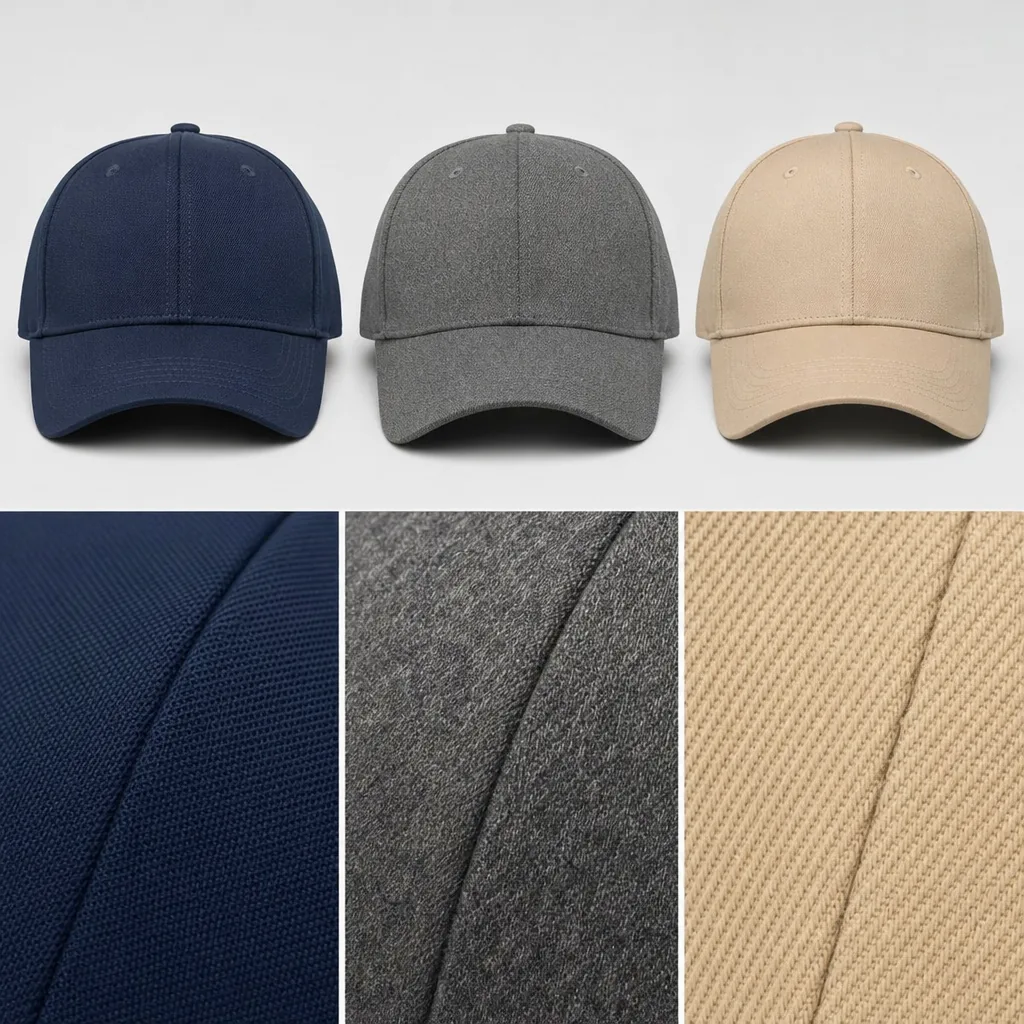
Certification documentation and product quality are separate approval tracks. Recycled cotton can vary in appearance and behavior depending on fiber source, blend ratio, yarn, fabric construction, dyeing, washing, and finishing. Buyers still need a cap-specific sample and bulk-control plan.
Fabric Weight and Hand Feel
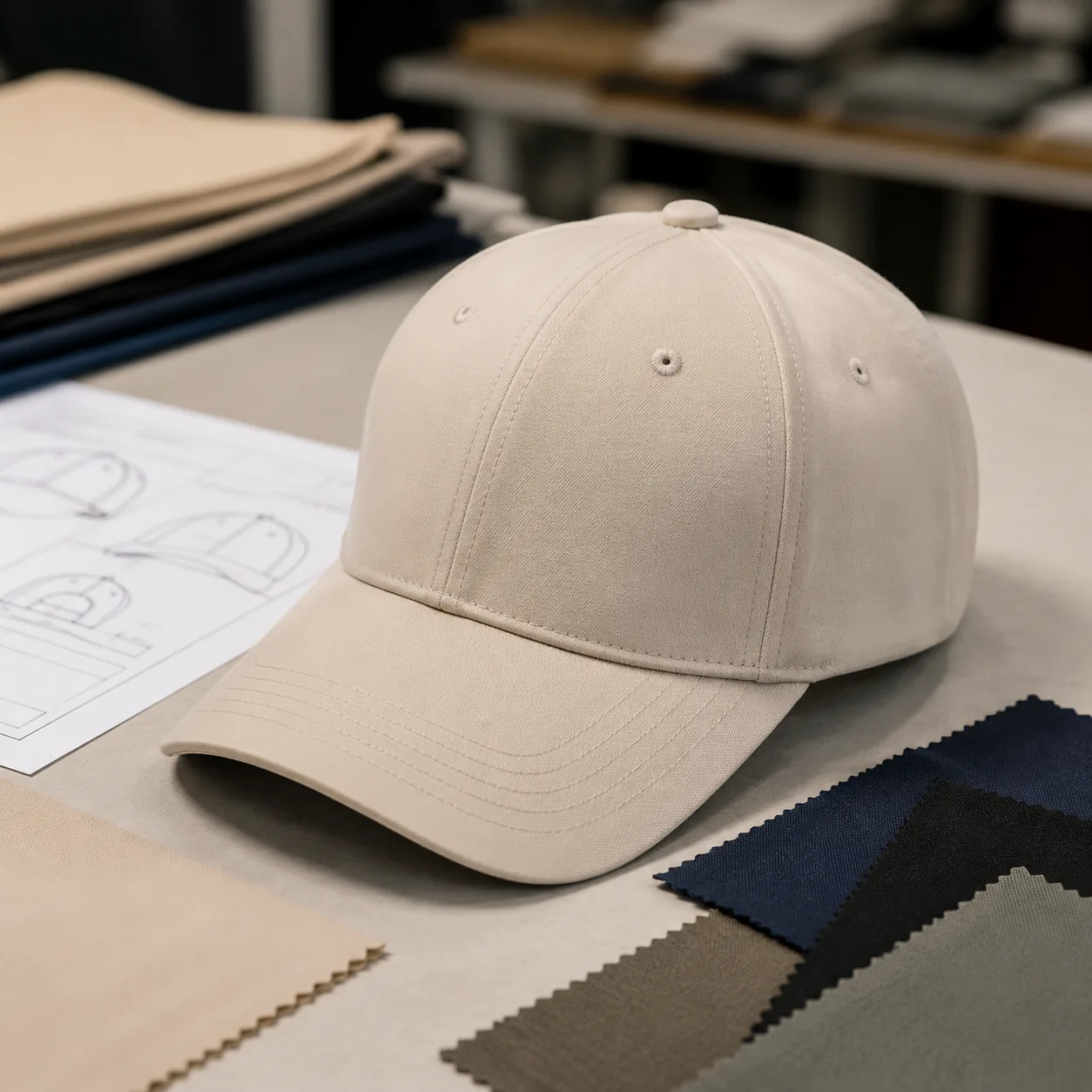
Approve a physical fabric or cap sample and record the target weight, surface, softness, and structure. Recycled content alone does not define how the finished cap will feel or hold its shape.
Shade Variation
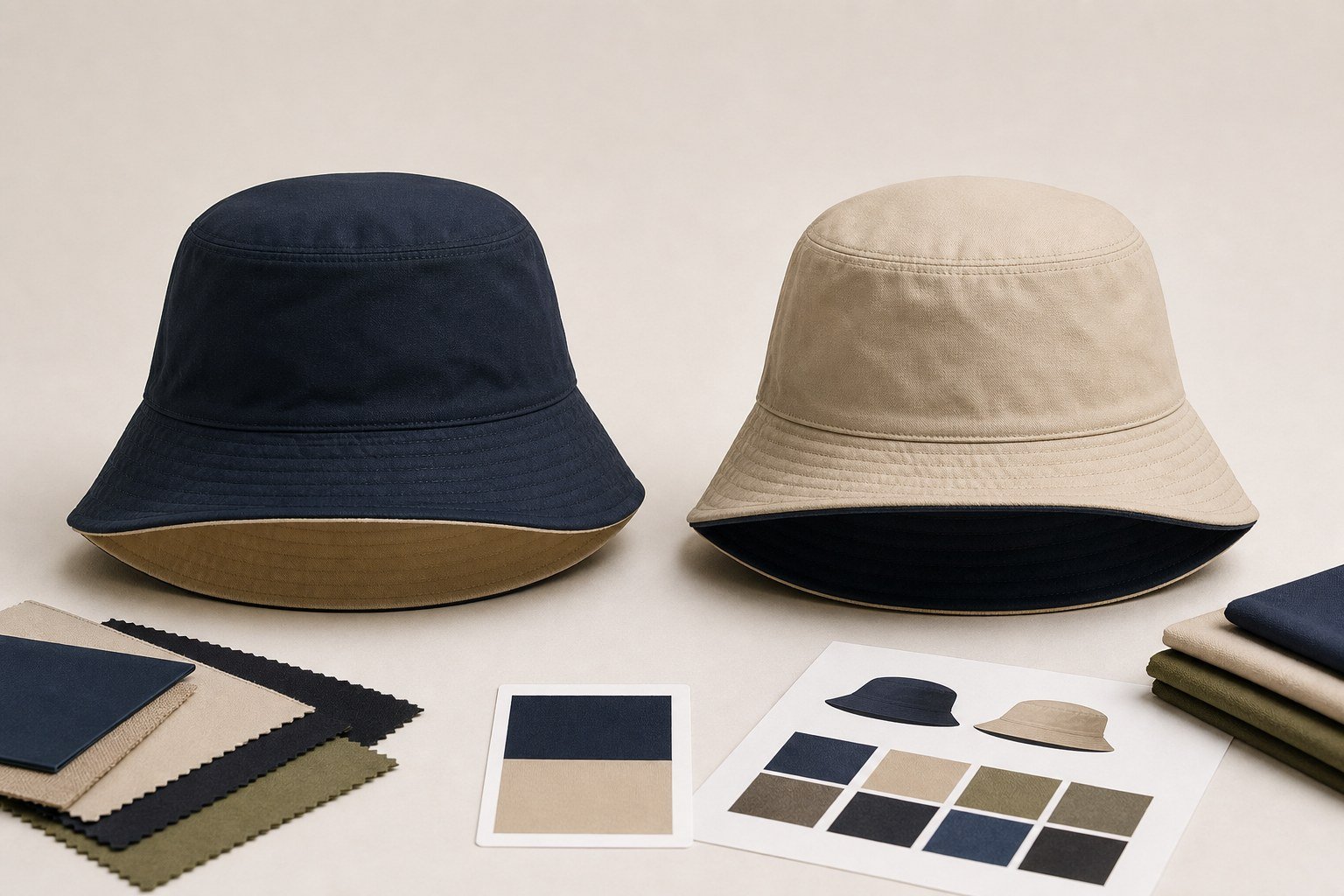
Confirm the color standard, approved light source, and acceptable shade range. Washed or garment-dyed programs need separate approval because the finish can increase variation.
Shrinkage and Shape
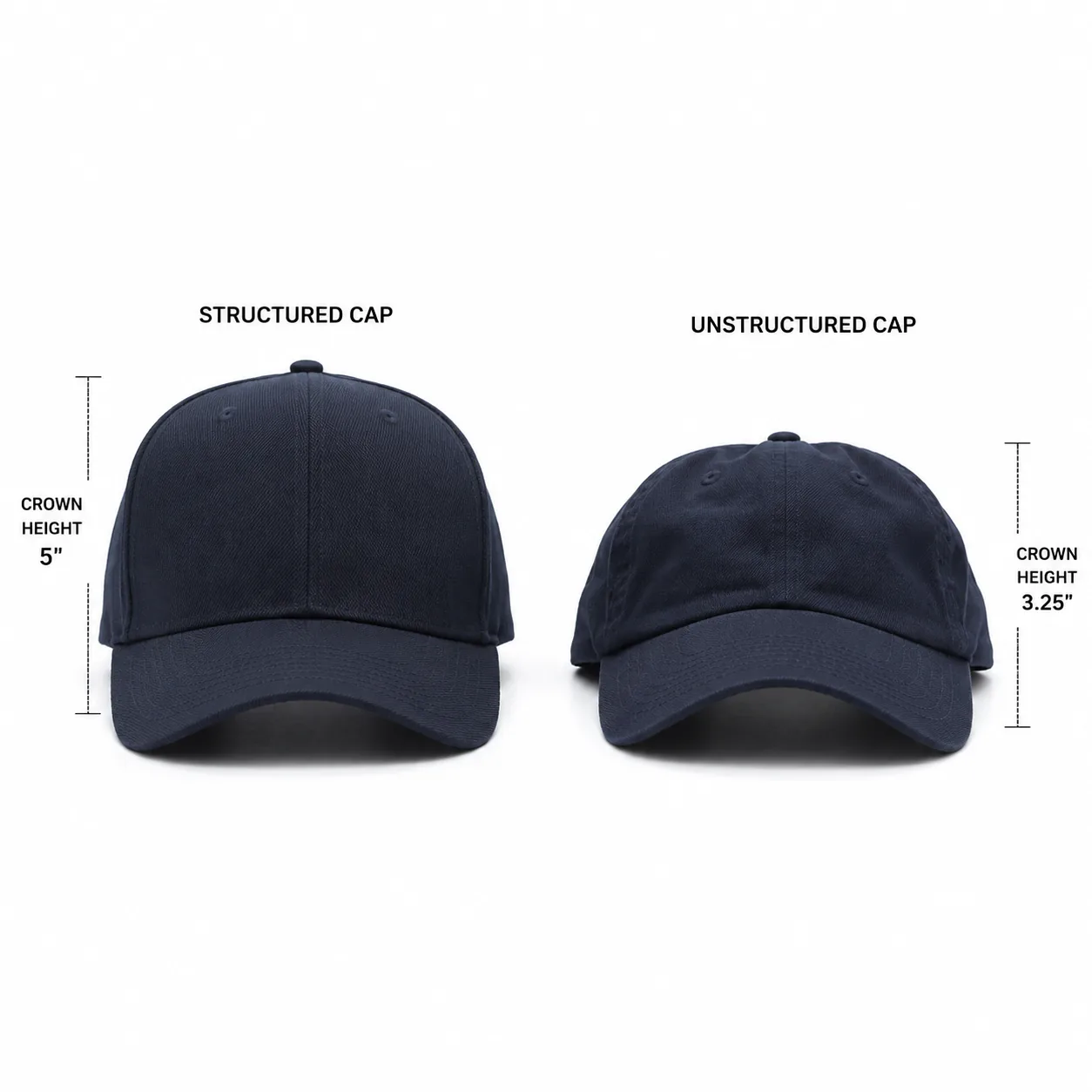
Check crown dimensions, brim relationship, seam appearance, and closure position before and after the agreed care or wash test. A fabric that changes dimension can affect the entire cap fit.
Embroidery and Patch Stability
Test the actual decoration on the selected fabric. Dense embroidery may cause puckering, while patches and backing materials can change stiffness or cover the fabric surface that the buyer intends to show.
Lot Traceability
Record the material lot used for the approved sample and ask how bulk lots will be identified. For repeat orders, confirm whether the same construction and certified route remain available.
A Practical Sample-to-Bulk Workflow
- Send the target composition, cap construction, color, decoration, quantity, destination market, and required claim.
- Ask the supplier to identify the proposed material route and which documents can support it.
- Review certificate scope before approving sustainability wording.
- Approve the physical sample for fit, color, fabric, logo, labels, and packaging.
- Define bulk inspection points and acceptable tolerances.
- Confirm order-level documentation before shipment and before making the final claim.
Questions to Put in the RFQ
- What is the exact recycled and non-recycled fiber composition?
- Which certified organization supplies or processes the selected material?
- Does the current Scope Certificate cover the relevant process and product category?
- Can the required transaction documentation be issued for this order route?
- Which material, color, or quantity changes would require a different route?
- What testing and inspection will be used for color, shrinkage, fit, and decoration?
- What wording may the buyer use on labels, packaging, and sales material?
How HongYueCap Handles Certification Requests
Certification requirements should be stated before quotation and sampling. HongYueCap can review the requested cap specification, material route, decoration, quality checkpoints, and document list, but document availability must be confirmed for the selected supply chain and order. This page does not claim that HongYueCap holds a GRS Scope Certificate or that every recycled-material order can receive a Transaction Certificate.
For factory and process context, review our production process, company background, and custom baseball cap options.
Frequently Asked Questions
Does a supplier’s Scope Certificate prove that my cap is GRS certified?
No. The certificate must be current and relevant to the organization, process, and product scope. The actual order and material flow may require additional transaction documentation.
What is a Transaction Certificate?
It is an order-related chain-of-custody document used within certified transactions. Buyers should confirm the required document, issuing route, and availability for the specific order before making a claim.
Is recycled cotton quality always the same?
No. Fiber source, blend ratio, yarn, fabric construction, dyeing, washing, and finishing can change color, hand feel, linting, strength, and shrinkage. Approve a physical sample and written tolerances.
Can MOQ or lead time be confirmed from the material name?
No. Availability depends on the selected fabric, color route, trim package, decoration, documentation, and production schedule. These variables should be reviewed together in the RFQ.
Request a Recycled-Material Cap Review
Send the cap construction, target composition, colors, decoration artwork, quantity by color, destination market, packaging, and required certification documents. Use the technical RFQ form so document feasibility and product-quality checkpoints can be reviewed before sampling. For specifications, MOQ and lead times on this style, see our custom cap manufacturing overview.