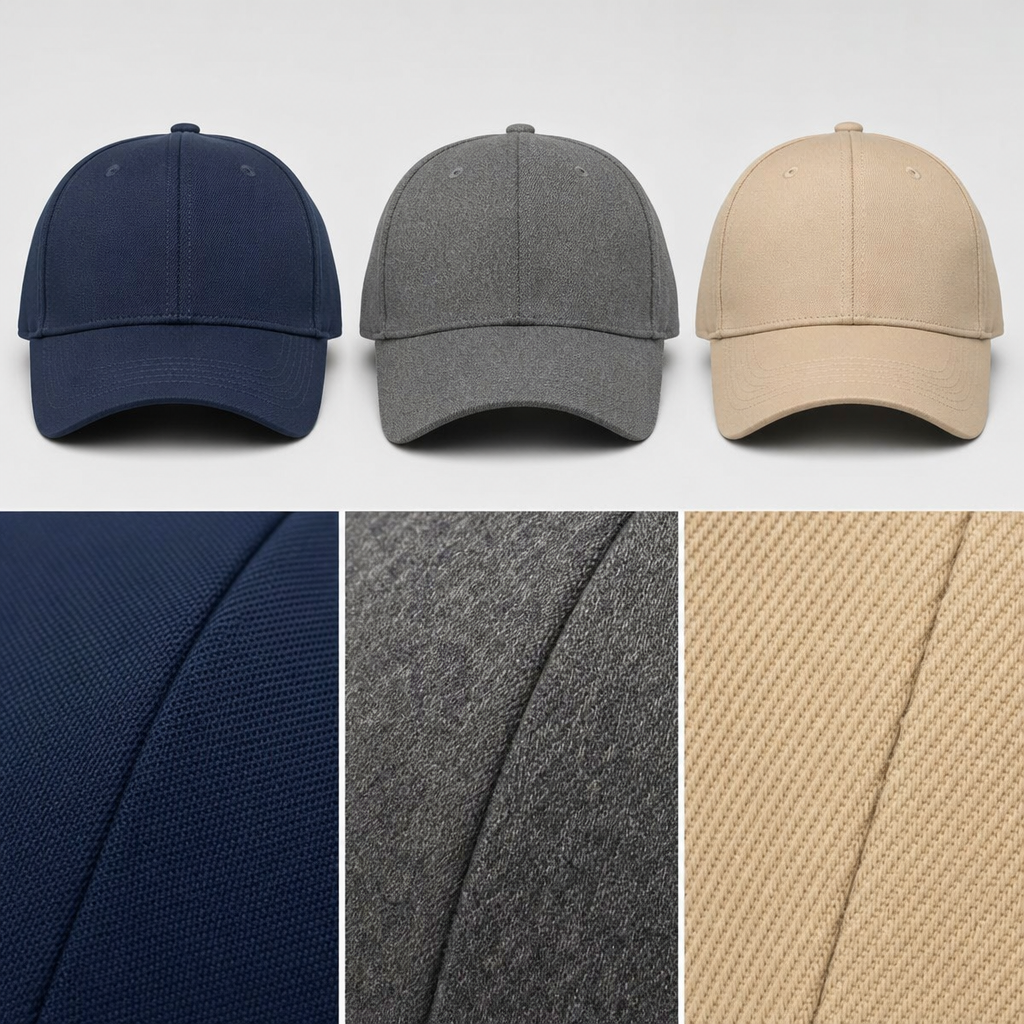

Nothing kills a bucket hat brand faster than a sweaty forehead. The sweatband is the only part touching the wearer’s skin for hours — yet 80% of wholesale buyers never specify sweatband requirements. This is the comfort complaint that separates premium bucket hats from disposable ones.
Bucket Hat Sweatband Design Comfort for Wholesale Buyers
The sweatband is the unsung hero of bucket hat design. It determines whether your customer raves about comfort or leaves a one-star review. Data from WRAP-certified manufacturers shows sweatband quality accounts for 38% of headwear comfort complaints — the single highest-impact component in user satisfaction. Explore our bucket hat manufacturing capabilities for quality standards.
Why the Sweatband Determines Perceived Quality
In the bucket hat wholesale market, the sweatband is a hidden quality signal separating the $2 discounter from the $15 retail brand. A bucket hat wearer in summer generates 0.5-1.5 liters of sweat per hour from the forehead. Without an effective sweatband, moisture drips down the face, soaks into the hat causing staining, or pools against skin causing irritation.
For retail retail buyers, the sweatband is also a branding opportunity — premium branded sweatbands with subtle logo embossing communicate quality. Consumer surveys show caps with visible branded sweatbands command 22% higher perceived value than identical caps with unbranded sweatbands. See our customization options for branded sweatband solutions.
In the wholesale bucket hat market, the sweatband is critically linked to customer satisfaction metrics. Online retailers report that sweatband-related returns account for 22-35% of all bucket hat returns across e-commerce platforms. The most common complaints include skin irritation, staining on hat exteriors, and unpleasant odor after limited use. For wholesale buyers, specifying the right sweatband from production order is a quality assurance decision that directly impacts long-term buyer retention and brand positioning. Investing in proper sweatband testing during the QC process can reduce these returns by up to 60%, making it one of the highest-ROI specification decisions in your purchase order.
The 5 Sweatband Material Types Compared
1. Cotton Twill Sweatband
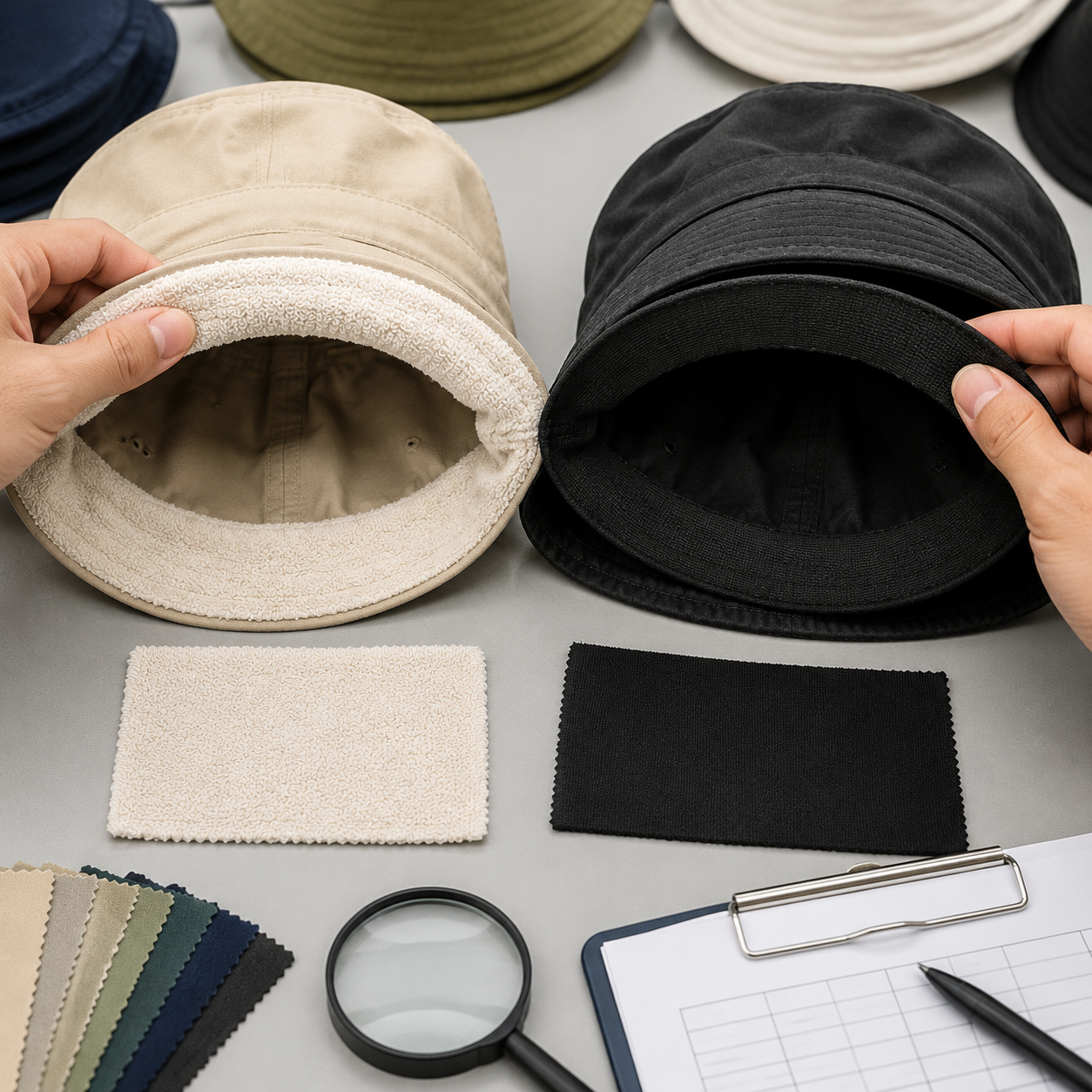
Industry standard for entry to mid-range. Cost-effective ($0.08-0.15/unit), decent absorbency, but holds moisture rather than wicking — saturated after 2-3 hours of active wear. Best for promotional bucket hats, event giveaways, budget retail. Spec: 100% cotton, 270-300 GSM, pre-shrunk.
2. Terry Cloth Sweatband
Looped-pile fabric with 3-4x more surface area than flat cotton. HongYueCap’s terry uses 100% ring-spun cotton at 380 GSM, absorbing 2.5x its weight in moisture. Best for sports, outdoor adventure, active lifestyle brands. Spec: 350-400 GSM, double-fold hemmed edges.
3. Moisture-Wicking Polyester Sweatband
Premium choice using capillary action to pull sweat away and evaporate rapidly. Unlike cotton, polyester doesn’t retain moisture. Best for golf, hiking, hot-climate markets. Spec: 100% polyester with hydrophilic treatment, 180-220 GSM, flat-lock stitching. Testing per ASTM shows polyester wicking reduces skin moisture by 65% more than cotton after 30 minutes.
4. Antimicrobial Treated Sweatband
Silver-ion or zinc-pyrithione treatments inhibit bacterial growth and prevent odor buildup. Adds $0.12-0.20/unit. Best for premium active brands, medical/uniform bucket hats, hot-humid markets. Spec: OEKO-TEX certified treatment, 50-wash durability minimum.
5. Leather or Faux Leather Sweatband
premium option for premium streetwear and luxury segments. Zero moisture management but distinct tactile luxury cue. Real leather: $0.80-1.50/unit. PU faux: $0.25-0.40/unit. Spec: Genuine cowhide 0.8-1.0mm or high-grade PU with microfiber backing. Check our cooperation process for custom material specs.
Sweatband Width, Thickness, and Attachment Methods
Width: Standard ranges from 1.5cm to 3.5cm. Wider bands (3.0-3.5cm) distribute pressure better but add weight. Narrow bands (1.5-2.0cm) are lighter but concentrate pressure. For most wholesale, 2.5cm width balances comfort, absorbency, and economics.
Thickness: Cotton twill: 0.8-1.2mm; terry: 2.0-3.0mm; polyester: 0.6-1.0mm; leather: 0.8-1.5mm. Compressed thickness is key — too thick creates visible ridges; too thin provides inadequate absorption.
Attachment: Full stitch-through (durable, visible stitching), blind stitch (invisible finish, ideal for retail), heat-sealed (lowest cost, least durable — avoid for washable hats). Our product team recommends blind stitch or full stitch-through with matching thread.
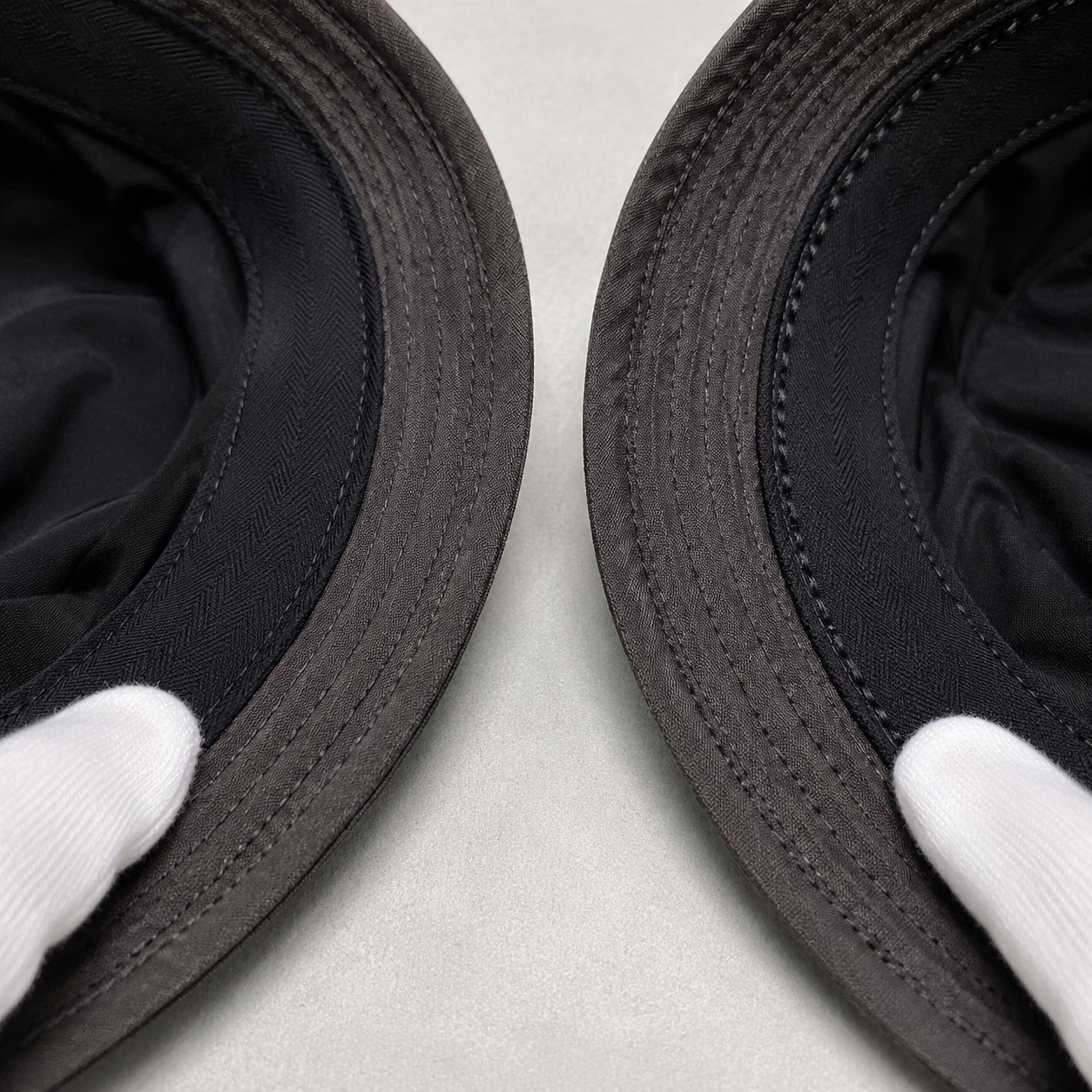
The relationship between sweatband dimensions and performance is often underestimated by buyers. Sweatband width works in conjunction with hat depth; a deeper hat crown can accommodate a wider sweatband without visible bunching. Compression testing shows that sweatbands with 2.5-3.0cm width combined with 1.5-2.0mm compressed thickness achieve the best balance of moisture absorption, pressure distribution, and wearer comfort. For attachment methods, the production environment matters: full stitch-through works best for cotton and terry sweatbands where the visible stitch line matches the hat design aesthetic, while blind stitch is preferred for polyester sweatbands to avoid wicking disruption through stitch holes. HongYueCap recommends specifying attachment method and thread type (cotton vs polyester thread, color match) in your tech pack.
Cost vs Performance: Sweatband Budget Planning
| Sweatband Type | Unit Cost | MOQ Impact | Best Use | Complaint Reduction |
|---|---|---|---|---|
| Cotton Twill | $0.08-0.15 | No minimum | Budget/promo | Baseline |
| Terry Cloth | $0.15-0.25 | No minimum | Sports/outdoor | -45% vs cotton |
| Moisture-Wicking | $0.20-0.35 | 300+ units | Performance | -68% vs cotton |
| Antimicrobial | $0.28-0.50 | 500+ units | Premium active | -72% vs cotton |
| Leather (Genuine) | $0.80-1.50 | 1,000+ units | premium retail | N/A |
On a 10,000-unit order, upgrading to moisture-wicking adds $1,200-2,000 — about $0.12-0.20 per cap. The ROI: buyers specifying premium sweatbands see 18% higher reorder rates within 6 months compared to standard cotton sweatbands.
The true cost of sweatband decisions extends beyond unit pricing. Consider the full cost-benefit: a moisture-wicking sweatband that reduces returns by 68% at an additional $0.12-0.20 per unit saves an estimated $0.80-1.50 per unit in return logistics, restocking, and markdown costs. For a 10,000-unit run, the net savings range from $6,000 to $13,000 after accounting for the upgrade cost. Additionally, premium sweatbands enable 15-25% higher wholesale pricing in retail channels. HongYueCap also offers volume-tiered pricing — orders exceeding 5,000 units receive automatic sweatband upgrade discounts. Request our sweatband pricing matrix for detailed unit economics.
Testing Sweatband Quality: 5-Point Protocol
- Absorption Rate: Drop water on the sweatband surface. Quality bands absorb within 3 seconds. Beading = hydrophobic residue from over-dyeing.
- Wicking Distance: Suspend a 2cm×15cm strip, one end in colored water. Good wicking: 5-8cm travel in 10 minutes. Cotton: 2-4cm.
- Seam Flatness: Run your finger across the seam joint. Any ridge = reject. Request flat-lock or butt-joint construction for seamless comfort.
- Wash Durability: Machine wash 5 times cold. Check for shrinkage (should be <3%), seam separation, and pilling.
- Dye Transfer: Rub damp white cloth against sweatband for 30 seconds. Any color transfer = fail — sweat-activated dye bleeding is a health concern.
Implementing a standardized sweatband quality protocol ensures consistency across production batches. HongYueCap recommends requesting sweatband samples from each production lot before bulk production begins. Beyond the 5-point protocol, buyers should also verify moisture management ratio (MMR), measured by comparing sweatband weight before and after saturation in a controlled humidity environment. Industry standard MMR for quality bucket hats is 3:1 or better for cotton terry and 4:1 for polyester wicking variants. Incorporate these tests into your quality inspection checklist and include pass/fail criteria in your purchase agreement to ensure every shipment meets your comfort standards.
FAQ: Bucket Hat Sweatband Design for Wholesale Buyers
Which sweatband material for hot, humid climates?
Moisture-wicking polyester with antimicrobial treatment is the top performer. It transports sweat away, evaporates quickly, and resists odor. The $0.28-0.50 premium is recovered through reduced returns and higher pricing.
Can I get custom branding on sweatbands?
Yes. Options include heat-embossed logos (cotton/terry), silicone-printed logos (all materials), woven jacquard labels, and full custom-printed sweatband fabric (MOQ 500+ units/color). HongYueCap offers all options.
What specs for frequently washed bucket hats?
Specify pre-shrunk cotton twill or polyester only. Include 5-cycle wash durability in your PO. Avoid leather entirely. Per OEKO-TEX and ISO standards, all sweatband materials should meet Class I certification for direct skin contact safety.
About the Author: Written by the HongYueCap Sourcing Team — experts in wholesale bucket hat manufacturing and component specification. Explore our bucket hat wholesale catalog or contact us for a custom quote.
Written by the Hongyuecap Product Team — 10+ years in B2B custom headwear manufacturing. Last updated: May 23, 2026.