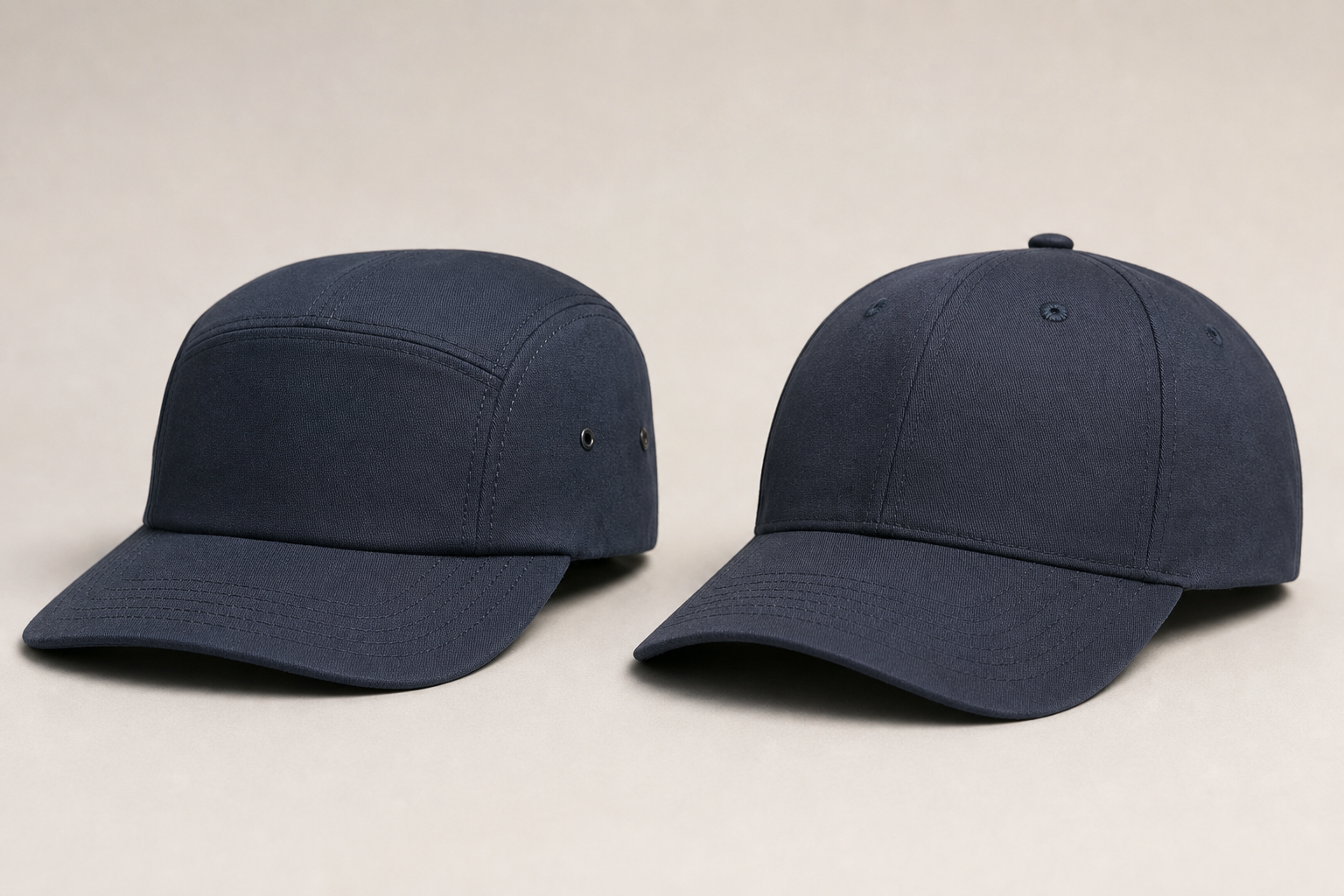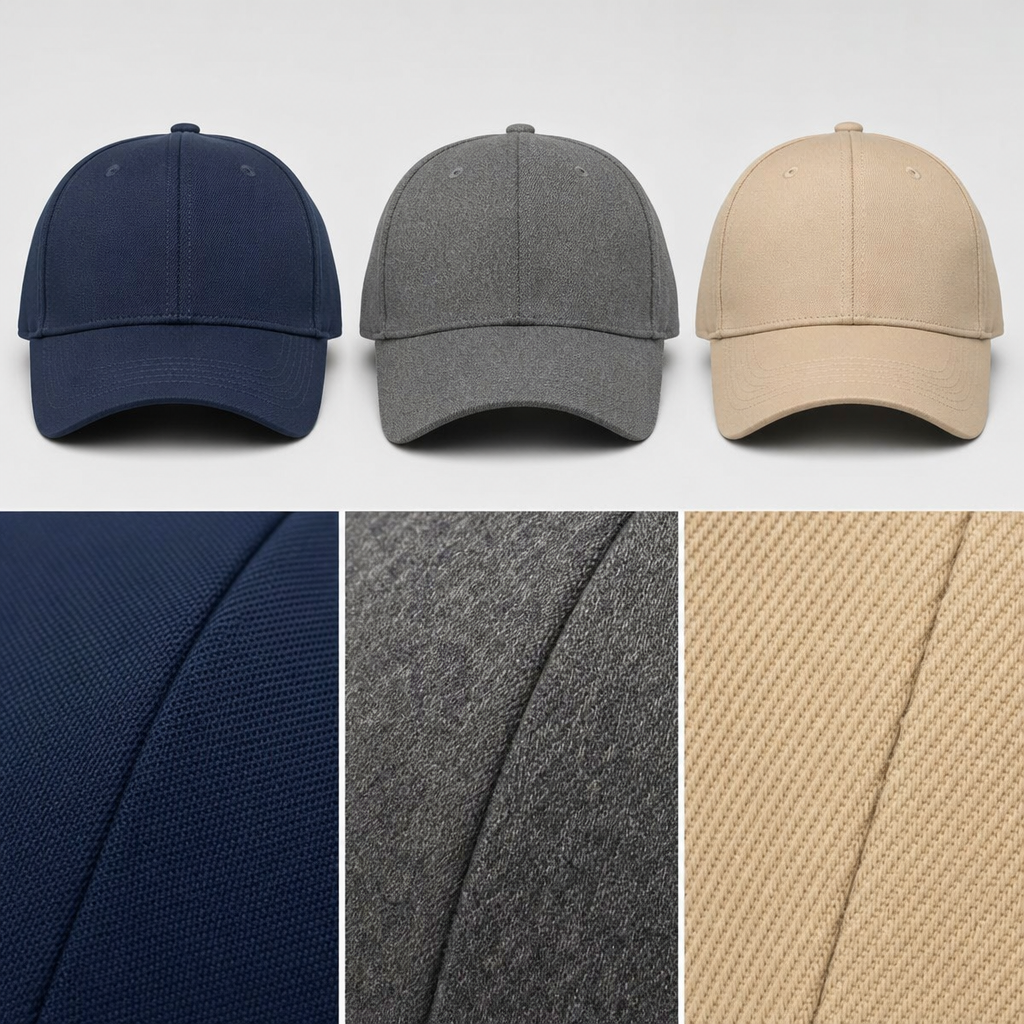

Hat Factory China Vetting Checklist: 10-Point Quality Audit for Wholesale Buyers
You wired $15,000 to a hat factory in Guangdong. Six weeks later, 5,000 baseball caps arrive with wrong fabric, crooked embroidery, and 200 units with loose brims. Your Q4 retail launch is delayed with no refund in sight. This is why every wholesale buyer needs a hat factory china vetting checklist before placing bulk orders. Skip due diligence and you’re gambling — not sourcing. Here’s the 10-point system we use to separate reliable manufacturers from the rest, refined over 8 years on factory floors across Dongguan, Yiwu, and Quanzhou.
1. Factory Business License & Export Credential Verification
Direct answer: Before you request a single sample, verify the factory’s legal standing. A legitimate hat manufacturer in China must hold a valid Business License (营业执照) and, for international trade, either a direct Export License or registration with China’s General Administration of Customs.
Start by asking the factory to send a scan of their Business License. Look for three key fields: the Unified Social Credit Code (18 digits, the company’s legal fingerprint), the Registered Business Scope (should explicitly mention “帽子” or “服装制造” — hat or apparel manufacturing), and the Registered Capital. A factory with less than ¥500,000 (~$69,000) registered capital is likely a small workshop rather than an established manufacturer. Cross-verify the license on the National Enterprise Credit Information Publicity System (国家企业信用信息公示系统) at gsxt.gov.cn — it’s free and the only official source.
For export capability, request their Customs Registration Code (海关编码). This 10-digit number proves they’re registered to export goods legally. Without it, they’ll need a trading company intermediary, which adds 3-8% to your cost. Also ask for their Export Tax Rebate Registration — factories with this can offer better pricing because they recover 13% VAT on exported goods.
Pro tip: Run the factory name through TradeMap or Panjiva to see their actual export shipment records. A factory claiming “we export 500,000 hats per year” should have customs data to back it up. If their shipment history is thin or nonexistent, they’re either exaggerating or operating through an intermediary — both red flags.
Also check the factory’s business registration date. A manufacturer established within the last 2 years has minimal track record. While newer factories can produce quality goods, the risk is materially higher — especially for orders exceeding $10,000. The safest bet: factories operating 5+ years with consistent export records.
2. Sample Quality Assessment Standards
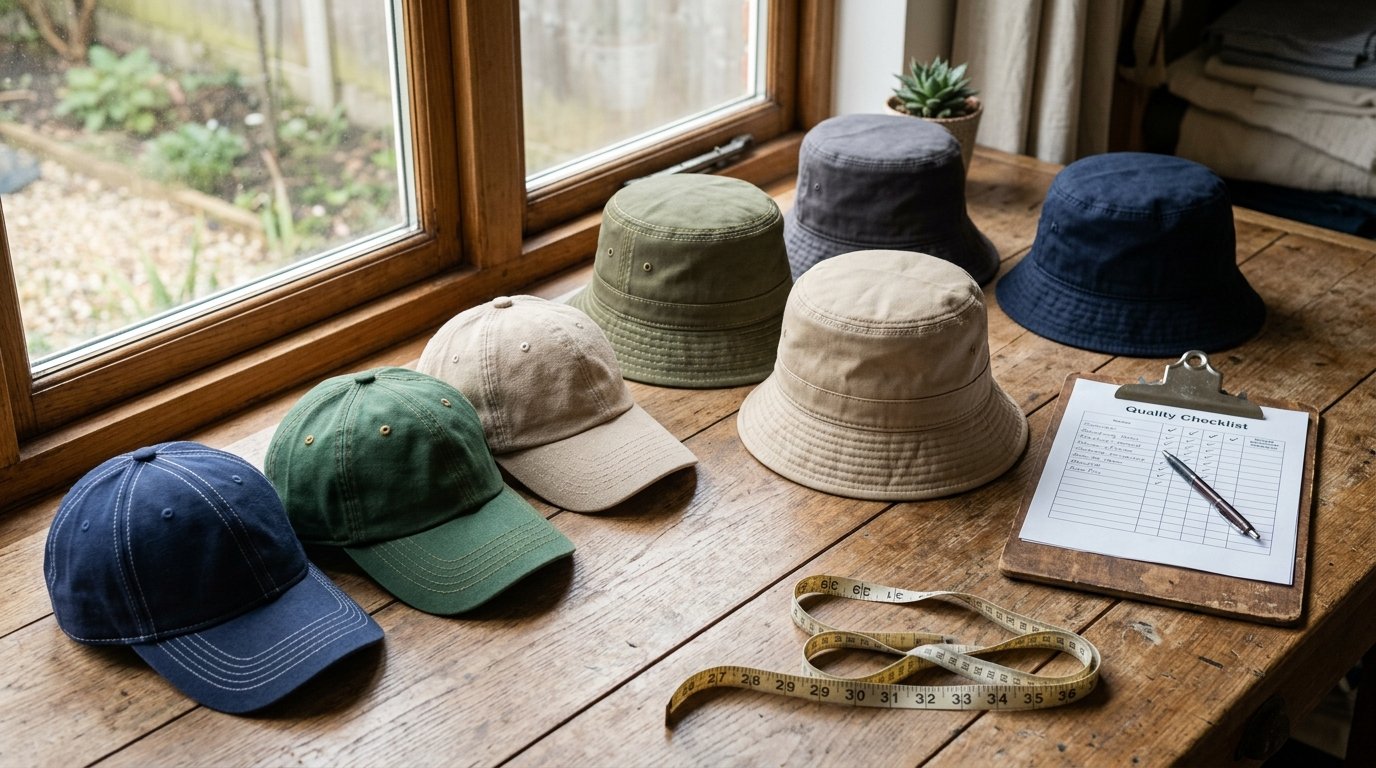
Direct answer: A sample tells you more about a factory’s capability than any brochure or sales pitch. But you must evaluate it systematically — not just “does it look nice?” Apply a structured quality rubric covering seven measurable dimensions.
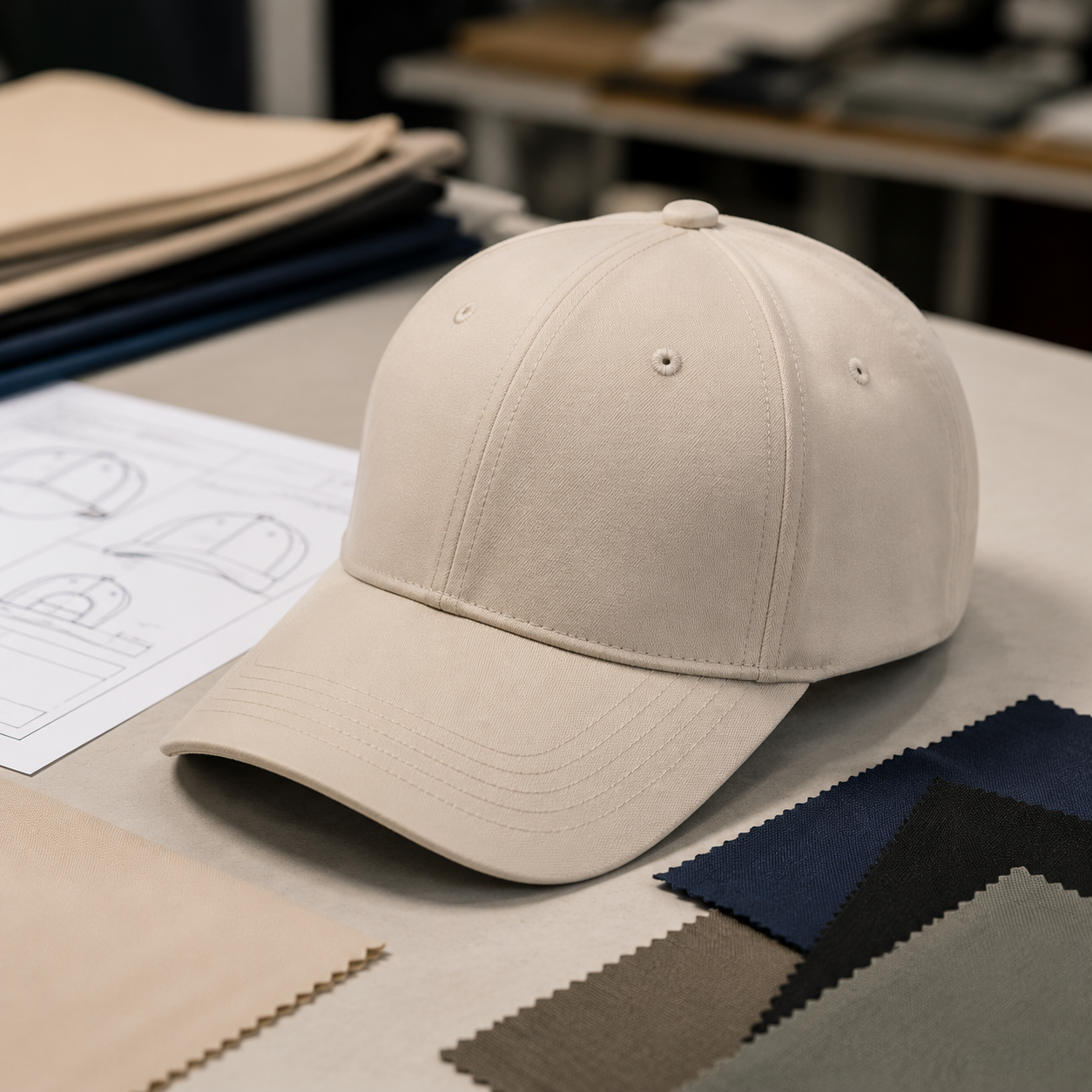
First, request a pre-production sample (PPS) — not an “existing stock sample” they have lying around. A PPS is made to your exact specifications (material, color, size, decoration) and demonstrates whether the factory can actually execute your design. Most reputable Chinese hat manufacturers provide this free or deduct the cost from your bulk order.
Here’s the 7-point sample evaluation framework we use internally:
| Checkpoint | What to Look For | Pass/Fail Criterion |
|---|---|---|
| Fabric Weight | GSM matches spec (±5%) | Outside tolerance = reject |
| Stitch Density | SPI count, seam consistency | ≥10 SPI for structured caps |
| Color Accuracy | Pantone match under D65 light | ΔE ≤ 2.0 (visual match) |
| Embroidery/Print | Registration, thread tension, coverage | No gaps, pulls, or misalignment |
| Brim/Visor Curve | Uniform curve, no cracking | Bend 50x — no damage |
| Sweatband | Material quality, stitch attachment | No raw edges, no glue bleed |
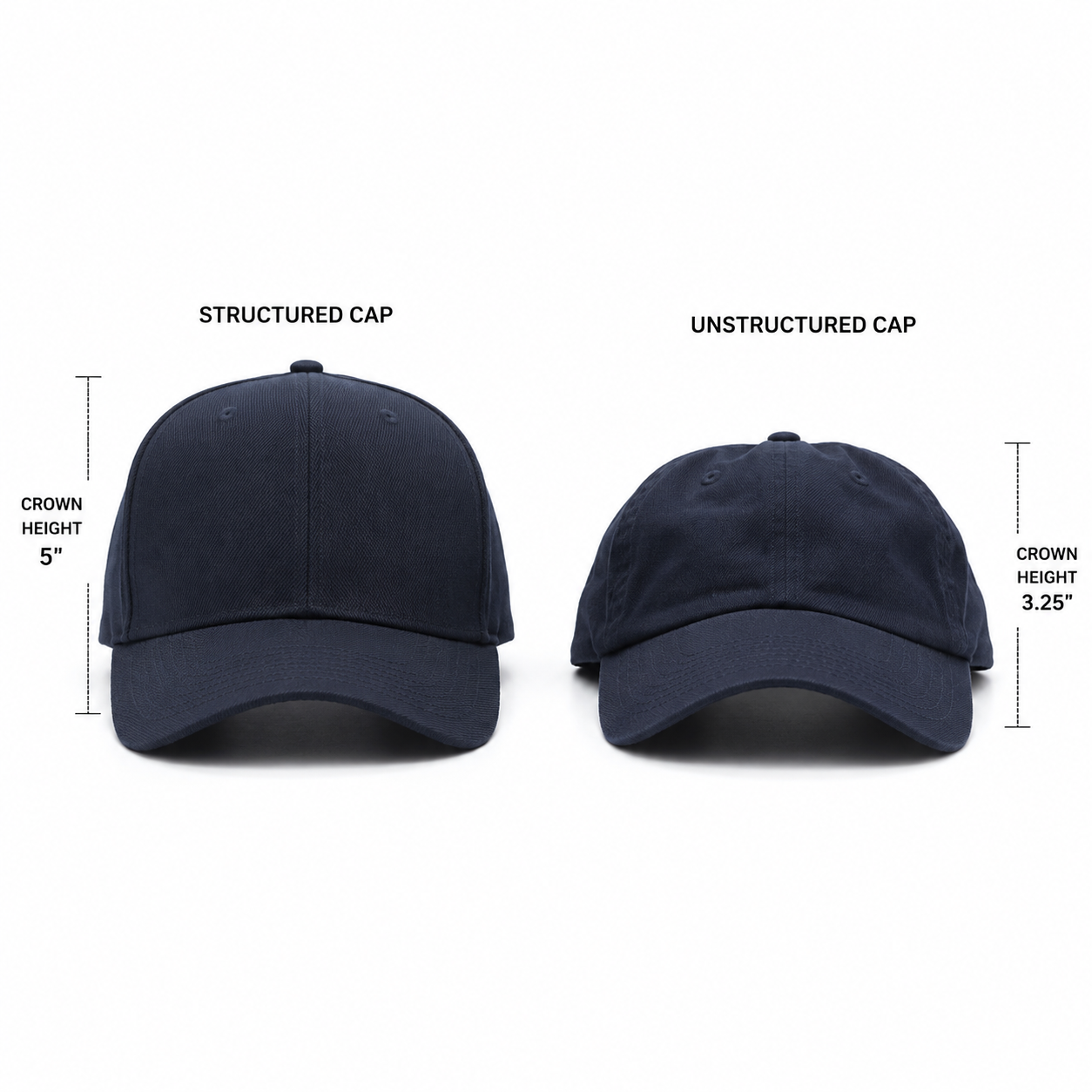
| Size Dimensions | Circumference, crown height per spec | ±0.5cm tolerance |
Beyond the checklist, perform a wash test on your sample. Machine-wash the hat 3 times on cold, air-dry, and re-inspect. If the color bleeds, the brim warps, or the embroidery shrinks — the factory used subpar materials or construction methods. This single test has saved our clients from thousands of dollars in returns.
Also request a second sample from a different production batch if possible. Consistency between samples is a strong indicator of process control. If sample A is pristine but sample B has visible quality drift, the factory likely lacks standardized operating procedures — a recipe for bulk order problems.
Finally, ask the factory to document your sample spec as a “Golden Sample” — a sealed, signed reference sample that both parties agree represents the quality standard for all future production. Reputable Chinese hat manufacturers already follow this practice; if a factory seems confused by the concept, that’s a warning sign.
3. Production Line On-Site Inspection Checklist
Direct answer: If you’re placing orders above $20,000, an in-person or third-party factory visit is non-negotiable. A showroom can be dressed up, but a production line reveals the truth — worker skill level, equipment condition, material storage practices, and hygiene standards are all instantly visible.
When you visit a hat factory in China’s manufacturing hubs — Guangdong (Dongguan, Shenzhen), Zhejiang (Yiwu, Hangzhou), or Fujian (Quanzhou) — use this on-site inspection checklist. If you can’t visit personally, hire a third-party inspection company like SGS, Intertek, or Bureau Veritas (typically $300-500 per audit day) and provide them this same list.
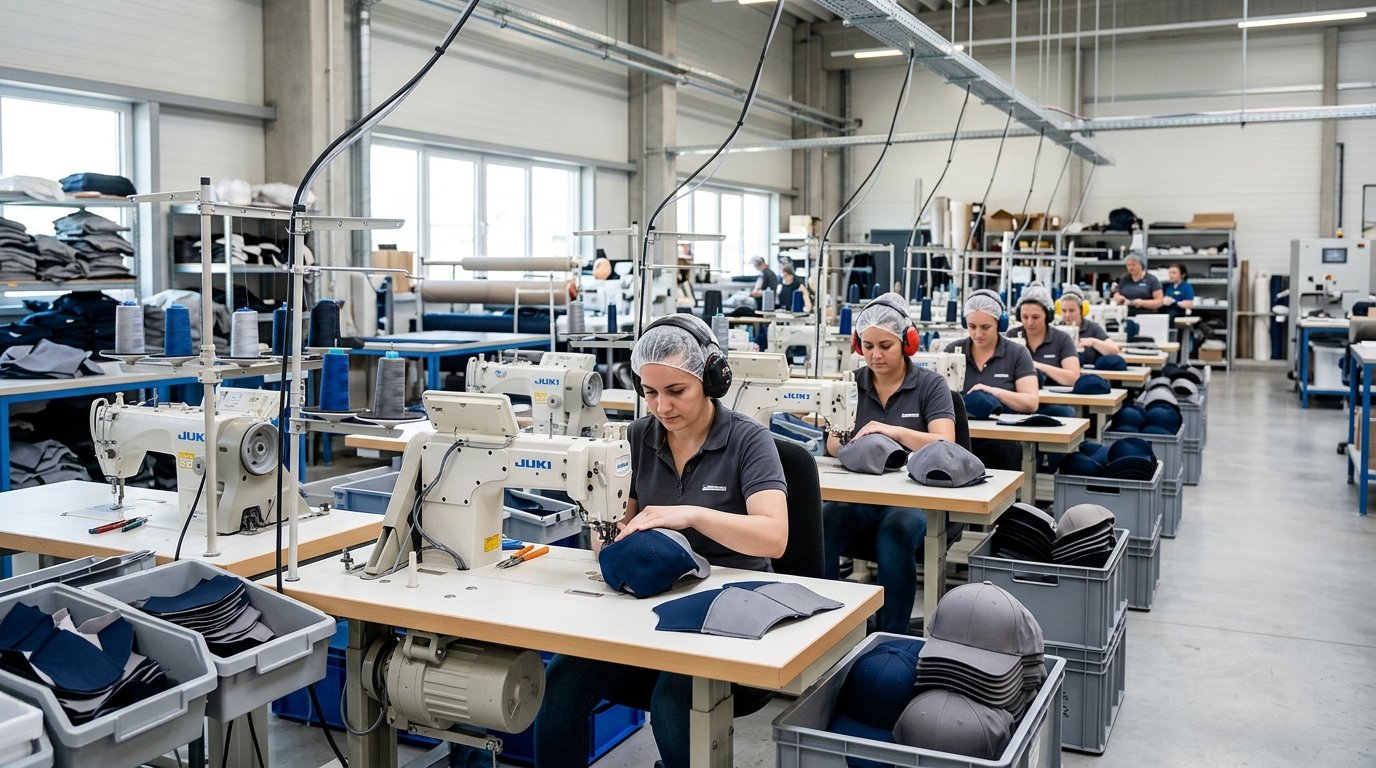
On the production floor, check these critical points:
- Cutting Department: Are fabric rolls stored off the floor on racks? Is the cutting table clean? Look for spreading machines (automated fabric layering) — manual spreading means inconsistent tension and size variance.
- Sewing Line: Count the number of operational sewing stations. A factory with 50+ industrial sewing machines running simultaneously is mid-to-large scale. Check if machines are branded (Juki, Brother, Pegasus) — generic Chinese machines have higher defect rates. Observe the workers: Are they focused or distracted? A tidy workstation usually means a careful operator.
- Embroidery Department: Look for multi-head embroidery machines (Tajima, Barudan, or quality Chinese brands like Richpeace). A factory with 10+ embroidery heads can handle complex logo work at scale. Ask to see thread storage — branded thread (Madeira, Gunold) signals quality standards; unbranded bulk thread means cost-cutting.
- Finishing & QC Area: Is there a dedicated quality control station with proper lighting (minimum 1000 lux)? Do they use inspection jigs and measurement tools? A factory that QC-checks every hat at a light box inspection station is in the top 20% of Chinese manufacturers.
- Material Warehouse: Raw materials should be stored in a climate-controlled area (especially leather, wool, and delicate fabrics). Check for infestation prevention (no food on premises, sealed entry points). Fabric rolls should be labeled with arrival dates and lot numbers — traceability is a hallmark of professional operations.
Also observe the worker-to-manager ratio. A healthy manufacturing floor has about 15-25 workers per supervisor. Too few supervisors and quality drifts; too many and overhead eats your pricing. Watch how problems are handled — if a worker stops a machine due to a defect and a supervisor responds within 30 seconds, the factory has a culture of quality. If defects are ignored and pushed down the line, walk away.
4. Production Capacity & Lead Time Evaluation
Direct answer: A factory that overpromises on capacity causes the most expensive problem in wholesale sourcing: delayed deliveries. Learn to calculate realistic capacity and identify factories that are already at or over their production limits.
Ask the factory directly: “What is your current monthly production volume, and what percentage of capacity is already committed?” A factory running at 85-95% capacity cannot reliably absorb your order without pushing out lead times. The sweet spot is 60-80% capacity utilization — busy enough to maintain skilled workers, but with bandwidth for your order.
Then verify their claim with a simple calculation. Visit the production floor and count active sewing lines. Each industrial sewing station in a well-run Chinese hat factory produces approximately 80-120 structured caps per day (8-hour shift). If you see 40 sewing stations, that’s roughly 3,200-4,800 caps per day — about 70,000-100,000 caps per month working 22 days. If the factory claims 500,000/month with 40 stations, they’re either running 24/7 (possible but unsustainable) or inflating numbers.
Break down your specific order with them:
| Order Component | Typical Timeline (China Hat Factory) | Your Order Estimate |
|---|---|---|
| Material Procurement | 7-15 days (domestic fabric); 20-35 days (imported) | Verify fabric origin |
| Pre-Pro Sample | 5-7 days after material arrival | Must receive before bulk |
| Cutting & Preparation | 2-3 days per 5,000 units | Depends on panel count |
| Sewing & Assembly | 5-10 days per 5,000 units | Depends on cap complexity |
| Embroidery/Printing | 3-7 days per 5,000 units | Stitch count determines time |
| QC & Packing | 2-3 days per 5,000 units | Include AQL inspection time |
| Total (5,000 units) | 25-35 days (domestic fabric) | Add 7-10 days buffer |
Always negotiate a lead time buffer clause: if delivery exceeds the agreed date by 7+ days, the factory pays a penalty of 1-2% of order value per week of delay. Factories that refuse this clause typically lack confidence in their scheduling — or are already overcommitted. A related point: Chinese National Holidays (especially Chinese New Year, which shuts down production for 2-4 weeks) must be factored into your timeline. Ask for their holiday production calendar upfront.
For ongoing wholesale relationships, we recommend exploring our Bucket Hat Buying Guide which covers MOQ and pricing considerations across different hat styles — many of the same capacity planning principles apply.
5. Communication & Response Speed Test
Direct answer: How a factory communicates before you place an order is exactly how they’ll communicate after they have your money. Poor communication is the #1 root cause of wholesale sourcing failures — even more than quality issues — because it amplifies every other problem.
Run a structured “communication stress test” during the vetting phase. Send the factory three types of inquiries and measure their responses:
- Technical Question: “What GSM cotton twill do you recommend for structured 6-panel caps for summer wear?” → A competent factory responds within 12 hours with a specific recommendation (e.g., “260-280 GSM, 100% cotton twill with light brushing”) plus reasoning. A weak response: “We have many fabrics, please send us your requirements” — this means they’re order-takers, not partners.
- Specification Change: “Can we change the sweatband from cotton to polyester mesh and what’s the cost impact?” → Good: Response within 24 hours with exact price delta (±$0.05-0.15 per unit). Bad: “Please confirm order first, then we discuss changes” — this signals they’ll be inflexible after payment.
- Problem Scenario: “If 200 units in our order fail QC, how do you handle it?” → Good: “We’ll remake them within 5 days at our cost and air-ship if needed” with clear process. Bad: Vague promises or deflection.
Key metrics to track:
| Metric | Green (Good) | Yellow (Caution) | Red (Reject) |
|---|---|---|---|
| First Response Time | <12 hours (business days) | 12-24 hours | >24 hours or no reply |
| Response Quality | Specific, answers all questions | Answers most, vague on details | Generic, avoids specifics |
| English Proficiency | Clear written, understands nuance | Basic but workable | Machine-translated gibberish |
| After-Hours Response | Provides WeChat, available evenings | WeChat available but slow | No mobile contact offered |
| Quote Turnaround | 24-48 hours detailed quote | 48-72 hours | >72 hours or incomplete |
A critical nuance: many excellent hat factories in Dongguan have limited English on the production floor but employ dedicated English-speaking export managers. The quality of communication with the export manager matters more than factory-floor English. If the export manager can’t explain a construction detail or deflects technical questions with “don’t worry, good quality” — that’s your exit signal, regardless of how impressive the factory tour was.
6. Price Transparency & Hidden Cost Audit
Direct answer: The quoted FOB price is rarely your final cost. A thorough hat manufacturer china vetting checklist must identify the 6 most common hidden costs that turn a $2.50/cap quote into a $3.80/cap landed cost.
Request a fully itemized quotation — not a single-line “Unit Price: $2.50.” A professional hat factory breaks down:
| Cost Component | % of FOB Price (Typical) | What to Verify |
|---|---|---|
| Raw Material (fabric, brim, sweatband) | 45-55% | Fabric spec, GSM, origin |
| Labor (cutting, sewing, finishing) | 20-25% | Skilled vs unskilled rate |
| Decoration (embroidery, print, patch) | 5-15% | Stitch count, color count surcharges |
| Trims (labels, hangtags, packaging) | 3-5% | Woven vs printed label cost gap |
| Factory Margin | 8-12% | Reasonable for established factories |
| Inland Transport (to port) | 1-2% | Distance from factory to port |
| Export Documentation | 0.5-1% | CO, Form A, Fumigation if wood pallets |
Now audit the six hidden cost traps that factories — intentionally or not — leave out of initial quotes:
- Sample & Development Fees: Pre-pro samples, lab dips, and strike-offs. Clarify upfront whether these are free (deductible from bulk) or charged separately. Industry standard: 2-3 free pre-pro samples; additional samples at cost.
- Mold/Die Charges: Custom buttons, metal buckles, or silicone patches require molds ($50-200 each). Ask: “Are mold fees included, or amortized over a minimum quantity, or charged upfront?”
- Packaging Upgrades: Your quote assumes a polybag. Adding branded hangtags, individual gift boxes, or retail-ready packaging adds $0.15-0.80 per unit. Specify packaging requirements during quoting — adding them after the order is placed triggers “change order” fees.
- Quality Inspection Fees: Third-party AQL inspection typically costs $300-500 per day, on you. Inline inspection (during production) costs less than final random inspection but catches problems earlier. Budget $300-800 total for inspection on orders over $10,000.
- Payment Method Fees: T/T (wire transfer) fees range $25-50 per transfer. Letter of Credit (L/C) costs $100-300 in bank fees plus 0.1-0.5% of order value. Factories often quote based on T/T 30/70 (30% deposit, 70% before shipment) — ask if L/C or payment-at-sight alters pricing.
- Duty & Tariff Classification: Hats fall under HTS Chapter 65. Different constructions carry different duty rates. Knitted/crocheted hats (6505) may face different tariffs than woven hats (6504). Confirm the factory provides the correct HS code — misclassification can trigger customs audits and penalties.
Understanding these cost factors is especially important when comparing quotes across hat types. Our Straw Hats vs Bucket Hats comparison includes pricing benchmarks that help contextualize factory quotes across different materials and construction methods.
7. Compliance & Certification Verification (ISO, GRS, OEKO-TEX)
Direct answer: Certifications are only as valuable as their authenticity. A factory displaying an ISO certificate on the office wall might have let it expire 18 months ago. Verify every certification claim through the issuing body’s public database — it takes 5 minutes and prevents catastrophic compliance failures.
Here are the certifications that matter for hat manufacturing — and how to verify each one:
ISO 9001:2015 (Quality Management): The baseline certification for any professional manufacturer. It demonstrates documented processes, quality control systems, and continuous improvement culture. Verify at iso.org or through the certification body’s public registry (look up the certificate number on the certificate itself). About 60% of Chinese hat factories we’ve audited hold valid ISO 9001 — if a factory doesn’t, ask why not.
Global Recycled Standard (GRS): Essential if you’re marketing your hats as containing recycled materials (e.g., recycled PET bucket hats, recycled polyester caps). GRS certifies both the material content and the social/environmental practices of the manufacturing facility. Verify at Textile Exchange. A common scam: factories show a GRS certificate for their material supplier (not themselves) and claim it covers production. GRS certification is site-specific — the factory making your hats must hold its own certificate.
OEKO-TEX Standard 100: Certifies that every component of the hat (fabric, thread, sweatband, labels, buttons) has been tested for harmful substances. This is increasingly a non-negotiable requirement for EU and Australian retailers. Verify at oeko-tex.com using the certificate number. Expiration is critical: OEKO-TEX certificates are valid for one year only. A certificate issued in 2024 cannot be used in 2026.
SEDEX / SMETA (Ethical Auditing): UK and European buyers increasingly require SEDEX membership with a completed SMETA audit covering labor standards, health & safety, environment, and business ethics. A factory with a 4-pillar SMETA audit has undergone rigorous third-party scrutiny. Ask for the audit report — not just the SEDEX membership number — and check the audit date (valid for 1-3 years depending on buyer requirements).
Additional Certifications by Market:
- BSCI (Business Social Compliance Initiative) — preferred by EU buyers, covers social compliance
- WRAP (Worldwide Responsible Accredited Production) — US-focused, covers lawful and ethical manufacturing
- CPSIA (Consumer Product Safety Improvement Act) — mandatory for children’s hats sold in the US; requires lead content and phthalate testing
- REACH (EU chemical regulation) — required for hats sold in the EU; restricts 200+ harmful chemicals
One final check: ask the factory for their most recent third-party audit report from any brand they currently manufacture for. Factories producing for Nike, Adidas, New Era, or similar brands undergo rigorous annual audits. If a factory supplies any recognized global brand, that audit report (even redacted) provides the strongest possible verification of their compliance status. For more on sustainable sourcing, see our guide on Eco-Friendly Knitted Beanie Materials and GRS Certification.
8. On-Site QC Checklist Template
Direct answer: A formal QC checklist, executed during production or before shipment, is your last line of defense. Don’t rely on the factory’s internal QC — implement an external standard, whether through a third-party inspector or a trained agent.
Use this AQL (Acceptable Quality Limit) based inspection template for bulk hat orders. Standard AQL levels: Level II, AQL 2.5 (major defects), AQL 4.0 (minor defects) for general wholesale hats; tighten to AQL 1.5/2.5 for premium or brand-protecting orders.
| Inspection Category | Checkpoint | Method | Major Defect Threshold |
|---|---|---|---|
| Visual (100% check for major defects) | Stains, holes, fabric flaws | Visual under 1000 lux light | Any visible stain >2mm = major |
| Stitching | Skipped stitches, open seams, loose threads | Visual + pull test on seams | Any open seam = major |
| Embroidery/Print | Registration, missing stitches, color bleed | Visual against golden sample | Misalignment >2mm = major |
| Brim/Visor | Curve uniformity, stiffness, cracking | Bend test 50 cycles | Visible cracking after test = major |
| Size | Circumference, crown height, brim length | Measure with tape/caliper | Deviation >±1cm from spec = major |
| Sweatband | Attachment, material, comfort | Visual + pull test | Detachment under 2kg pull = major |
| Closure | Snapback, velcro, buckle function | Open/close 20 cycles | Failure within 20 cycles = major |
| Labeling | Care label, brand label, country of origin | Visual check placement/content | Missing required label = major |
| Packaging | Polybag, inner packing, carton marking | Visual + carton drop test | Missing inner packing = minor |
Sample size calculation (AQL Level II): For an order of 5,000 hats, inspect 200 units. For 10,000 hats, inspect 315 units. For major defects at AQL 2.5: reject if more than 10 defects found in 200 samples (or 14 in 315 samples). For premium orders, shift to Level III sampling (315 samples for 5,000 units, AQL 1.5).
Inspection timing options:
- Inline Inspection (during production, 30-50% complete): Catches systemic issues early when corrections are cheap. Essential for first orders with a new factory.
- Pre-Shipment Inspection (PSI) (100% produced, 80%+ packed): The standard final check. Only catches defects that already exist — if 30% are defective, you’re already late.
- Container Loading Supervision (CLS): Ensures the right quantity, right cartons, right labeling are loaded into the container. Prevents “switching” (factory loads inferior goods after your inspector leaves).
For buyers new to QC inspections, we recommend combining inline + PSI for the first order, then dropping to PSI-only once the factory proves consistency over 2-3 orders. Budget $600-900 total inspection cost for the first order — it’s the cheapest insurance against a $15,000+ failed shipment.
The QC process also applies to decoration work. Our Baseball Cap Decoration Methods guide explains quality benchmarks for embroidery, screen printing, and heat transfer — use it alongside your inspection checklist to evaluate decoration quality specifically.
9. Payment Terms & Trade Assurance Protections
Direct answer: Payment structure is your strongest leverage. Never pay 100% upfront. Structure payments to maintain leverage until you’ve received and approved the goods.
The standard payment structure for Chinese hat manufacturing is T/T 30/70: 30% deposit to start production, 70% balance before shipment (against copy of shipping documents). This is the industry baseline — any factory demanding 50/50 or 100% upfront for a first order is either inexperienced in export or has cash flow problems (both red flags).
For first orders over $10,000, we recommend strengthening your position:
| Payment Structure | Best For | Buyer Protection Level |
|---|---|---|
| T/T 30/70 (standard) | Established factories with references | Moderate — you pay 70% before seeing goods |
| T/T 30/70 with QC hold | New factory relationships | High — 70% released after PSI pass |
| L/C at Sight | Orders >$50,000 | Very high — bank guarantees payment terms |
| Alibaba Trade Assurance | First-time buyers, smaller orders | High — Alibaba mediates disputes |
| T/T 30/50/20 | Complex orders (custom development) | High — 20% retention after delivery inspection |
If the factory operates through Alibaba.com, insist on Trade Assurance for the first order. This puts your payment in escrow until you confirm receipt. The factory pays a ~3% fee for Trade Assurance, which they may try to pass on — negotiate this. For orders outside Alibaba, a Letter of Credit (L/C) at sight provides the maximum bank-level protection, though small factories may not accept L/C due to their own cash flow constraints.
Also negotiate technical details in your Purchase Order or Contract:
- Incoterms: FOB (factory delivers to port, you handle shipping) is standard. EXW is cheaper but transfers risk earlier. CIF includes shipping and insurance but factory controls the carrier — not recommended for first orders.
- Inspection Rights: Explicitly state your right to inspect at the factory before shipment, with payment conditional on inspection pass.
- Defect Liability: Define what constitutes a defective unit and the remedy (replacement, discount, or refund). AQL 2.5 with zero tolerance for critical defects is the standard starting point.
- Intellectual Property: If you’re providing custom designs, logos, or artwork, include an IP clause stating the factory cannot reproduce your designs for other clients. Enforceability in China varies, but the clause establishes intent and gives you legal standing.
10. Red Flags Checklist: When to Walk Away
Direct answer: Some factories should be eliminated immediately, regardless of pricing or apparent capabilities. Here are the 10 red flags that signal you should walk away — no negotiation, no second chance.
- Refuses to share business license or hides company name. A legitimate factory has nothing to hide. If they won’t share their license, they’re either unregistered, operating under a shell company, or a trading company posing as a manufacturer.
- No verifiable export history. If TradeMap/Panjiva shows zero shipments or a completely different product category, their export claims are fabricated.
- Asks for 100% payment upfront. No legitimate manufacturer with working capital requires full prepayment. This is the #1 signal of a potential scam or a factory in severe financial distress.
- Can’t provide at least 3 verifiable buyer references. Ask for references from their country/market that placed similar-sized orders. Then actually call or email those references — don’t just accept names on a list.
- Price is suspiciously low (20%+ below market average). Hat manufacturing in China has known cost floors based on material and labor. A structured 6-panel cap below $1.50 FOB almost certainly involves substandard materials, unpaid overtime labor, or bait-and-switch tactics.
- Communication pattern: slow to respond, but pushes urgently for deposit. Classic pressure tactic — minimal engagement until money is on the table, then aggressive urgency to “lock in the order before prices increase.”
- Can’t or won’t do a video factory tour. In 2026, any legitimate factory can do a WeChat video walkthrough in 15 minutes. Refusal to show the production floor means what you’d see would disqualify them.
- Different company name on license vs. invoice vs. bank account. This often indicates a trading company masquerading as a manufacturer. The entity you pay should match the entity registered to manufacture your goods.
- No quality control process documentation. “We check everything” is not a QC process. A real QC system has documented inspection points, AQL sampling plans, measurement tools, and non-conformance tracking. If they can’t show you their QC checklist template, they don’t have one.
- Exclusive “special price” for first order that expires in 48 hours. Artificial urgency is a manipulation tactic. Legitimate hat factories understand the B2B sourcing cycle takes weeks, not hours. Walk away from any supplier who pressures you with artificial deadlines.
Frequently Asked Questions
How much does it cost to visit a hat factory in China?
A 2-3 day factory visit to Guangdong (Dongguan/Shenzhen area) typically costs $800-1,500 including flights from most Asian hubs, or $1,500-3,000 from Europe/North America. If visiting isn’t feasible, hire a third-party audit through SGS or Intertek for $300-500 per factory per day — a fraction of the cost of a failed order.
What’s the minimum order quantity for custom hats from Chinese factories?
Standard MOQ ranges from 200-500 units per style/color for basic custom hats, and 500-1,200 for heavily customized designs with embroidery. Some factories in Yiwu accept 100-unit trial orders, but the per-unit cost increases 30-50% at low volumes. For more detailed MOQ guidance by hat type, see our Custom Hats China resources.
Should I use a sourcing agent, or go direct to the factory?
A sourcing agent (typically charging 3-8% commission) adds value when: (1) this is your first time sourcing from China, (2) the order value exceeds $30,000, or (3) you need complex multi-factory coordination. For repeat orders with an established factory relationship, going direct saves the commission and gives you direct communication. Many wholesale buyers start with an agent for the first 1-2 orders, then transition to direct once the relationship is solid.
How do I verify a Chinese factory’s certifications are real?
Every legitimate certification has a public verification database. ISO certifications: look up the certificate number on the issuing body’s website (e.g., SGS, TÜV, BV’s certificate check portal). GRS: Textile Exchange’s public directory. OEKO-TEX: oeko-tex.com certificate check. BSCI: amfori.org platform. Always verify the certificate is (a) still within its validity period and (b) issued to the factory you’re dealing with — not their supplier, parent company, or a different facility.
What’s the biggest mistake first-time hat buyers make?
The most expensive mistake is skipping the pre-production sample and going straight to bulk based on a stock sample. A stock sample proves the factory has ever made a good hat; a pre-production sample proves they can make your hat to your specifications. The second biggest mistake is failing to document every specification — material, dimensions, colors, packaging — in writing before production starts. Verbal agreements have zero enforceability, and even email agreements can be contested. Use a formal specification sheet signed by both parties.
Your Next Step: Source With Confidence
Vetting a hat manufacturer in China doesn’t require a PhD in supply chain management — it requires a systematic process, the willingness to ask hard questions, and the discipline to walk away when signals are wrong. This 10-point checklist gives you that process.
At Hongyuecap, we’ve been manufacturing hats for wholesale buyers across the US, Europe, Australia, and GCC markets since 2017. Our Dongguan facility holds ISO 9001, GRS, OEKO-TEX, and BSCI certifications — all verifiable through the issuing bodies’ public databases. We provide pre-production samples, documented QC inspection reports for every order, and transparent itemized quotations with no hidden costs.
Ready to start your hat sourcing project? Send us your design brief or specification sheet for a free quotation and pre-production sample evaluation. We respond to all inquiries within 12 business hours with specific answers, not generic promises.
Request Your Free Quote & Factory Profile →
Want to understand more about logo quality and artwork requirements before you submit your design? Read our Baseball Cap Logo Placement & Embroidery Quality Guide — it covers the artwork approval process that directly impacts your factory communication and QC inspection results.
Related: Hat Seasonality Planning: When to Order Each Style — complete ordering calendar for wholesale buyers.
Related: For artwork specs and placement standards, see our baseball cap logo placement wholesale guide with pre-production approval workflow.
Related: Hat Material Comparison Guide: Cotton vs Polyester vs Nylon — complete fabric properties table for wholesale buyers.
Written by the Hongyuecap Product Team — 10+ years in B2B custom headwear manufacturing. Last updated: May 03, 2026.