
Bucket Hat Material Guide: Paper Straw vs. Cotton vs. Polyester for Wholesale Buyers
The bucket hat market has grown 23% annually since 2022, driven by outdoor lifestyle trends and fashion crossover appeal. Yet 40% of wholesale buyers report material-related quality issues within the first six months—problems that trace back to specification errors at the procurement stage.
— Grand View Research, Headwear Market Analysis 2026
Why Material Selection Determines Bucket Hat Performance
When sourcing wholesale bucket hats, buyers often select based on appearance and price while treating material composition as a secondary consideration. This approach leads to predictable failures: paper straw hats that dissolve in unexpected rain, cotton hats that shrink inconsistently, polyester hats with poor breathability that customers reject.
Material selection isn’t merely about aesthetics—it determines water resistance, UV protection, packability, shape retention, and care requirements. Each material carries distinct performance characteristics that must align with your end customer’s use case.
For resort retailers, selling a “water-resistant” paper straw hat that fails in tropical humidity creates warranty claims and reputation damage. For outdoor brands, specifying cotton when polyester’s quick-dry performance is needed results in product returns.
Understanding material properties at the procurement stage eliminates these costly mismatches.
[Browse our Bucket Hats wholesale collection](https://hongyuecap.com/product-category/bucket-hats/)
Paper Straw vs. Cotton vs. Polyester: Technical Comparison
Paper Straw: Natural Aesthetic with Care Limitations
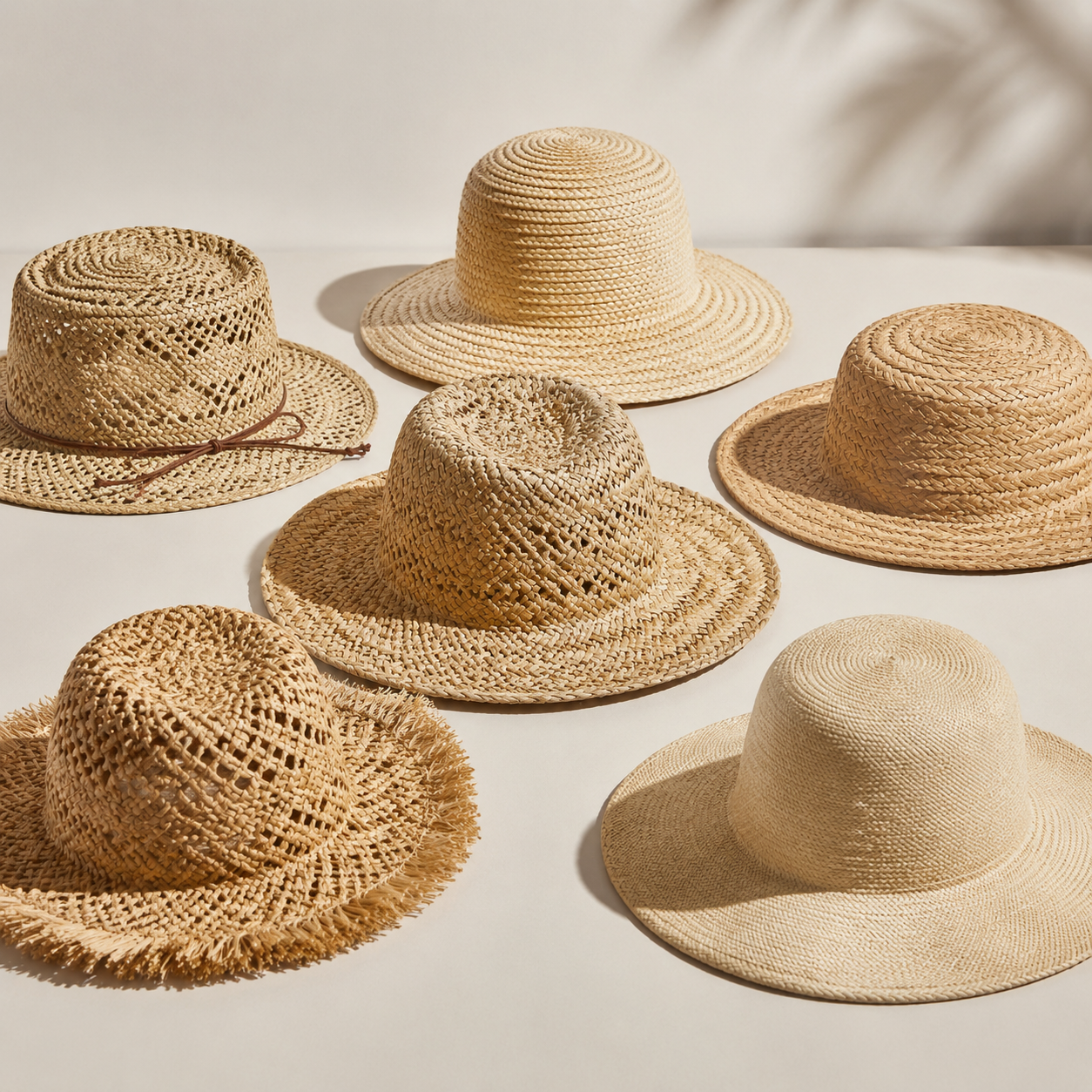
Paper straw bucket hats are constructed from woven paper fibers treated with sizing agents to provide structural integrity. They offer the most natural, artisanal appearance but require the most careful handling.
Technical Specifications:
– Water resistance: Limited—resists light mist, fails in sustained rain
– UV protection: UPF 20–35 depending on weave density
– Weight: 80–120g (lightest option)
– Packability: Moderate—can be crushed flat, requires reshaping
– Care: Spot clean only; water exposure causes irreversible damage
Best for:
– Resort and beach retail where style prioritizes over performance
– Wedding favors and event gifts (single-use or limited use)
– Fashion applications where natural texture is essential
Paper straw’s primary advantage is visual authenticity. The woven texture and natural color variation signal quality and craftsmanship to consumers. For tropical resorts, destination weddings, and premium fashion positioning, this aesthetic value justifies the material’s limitations.
The critical constraint is water sensitivity. Paper straw cannot withstand sustained moisture exposure. For buyers serving humid climates or customers expecting outdoor performance, paper straw creates warranty exposure.
[Related: UPF Rating for Bucket Hats: What Wholesale Buyers Should Verify](https://hongyuecap.com/upf-rating-bucket-hat-manufacturer/)
Cotton: Natural Comfort with Shrinkage Risk
Cotton bucket hats use woven or brushed cotton fabric, often with internal lining for structure. They offer breathability and natural fiber appeal but present consistency challenges in bulk orders.
Technical Specifications:
– Water resistance: Minimal—absorbs moisture, slow drying
– UV protection: UPF 5–15 (natural cotton); UPF 30–50+ (treated)
– Weight: 100–150g
– Packability: High—crushable, recovers shape
– Care: Machine washable (shrinkage risk: 3–5%)
Best for:
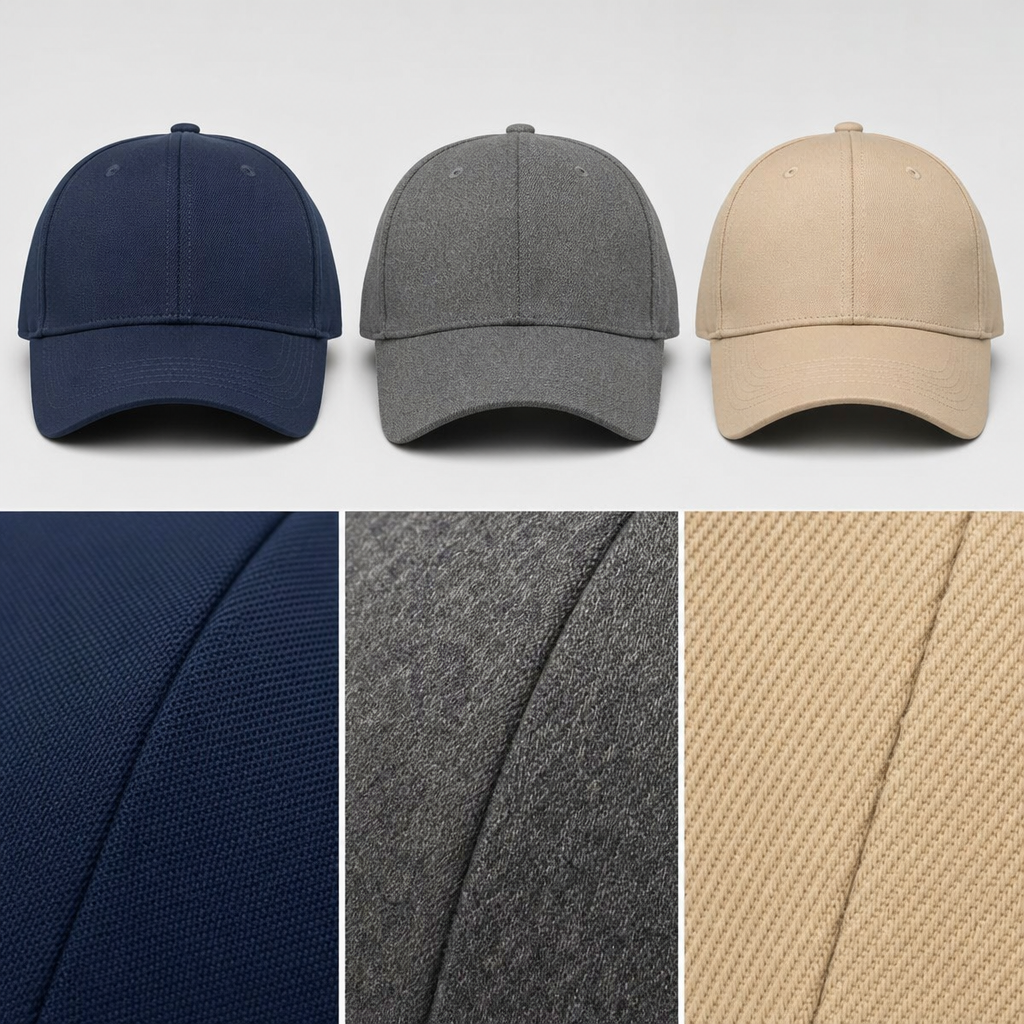
– Fashion and streetwear applications
– Customers prioritizing natural fibers
– Moderate climates without heavy rain exposure
Cotton’s breathability and soft hand feel make it comfortable for extended wear. The fabric’s natural absorption helps manage sweat in warm conditions. For fashion-forward positioning and customers with natural fiber preferences, cotton delivers the right experience.
The shrinkage variable is the primary procurement risk. Unwashed cotton fabric can shrink 3–5% on first laundering. If your bucket hats are sized precisely for retail display, post-purchase washing may create fit complaints. Pre-shrunk cotton commands a 10–15% premium but eliminates this issue.
Polyester: Performance and Consistency
Polyester bucket hats use synthetic woven fabric, often with water-resistant coatings or membrane layers. They prioritize performance over natural aesthetics.
Technical Specifications:
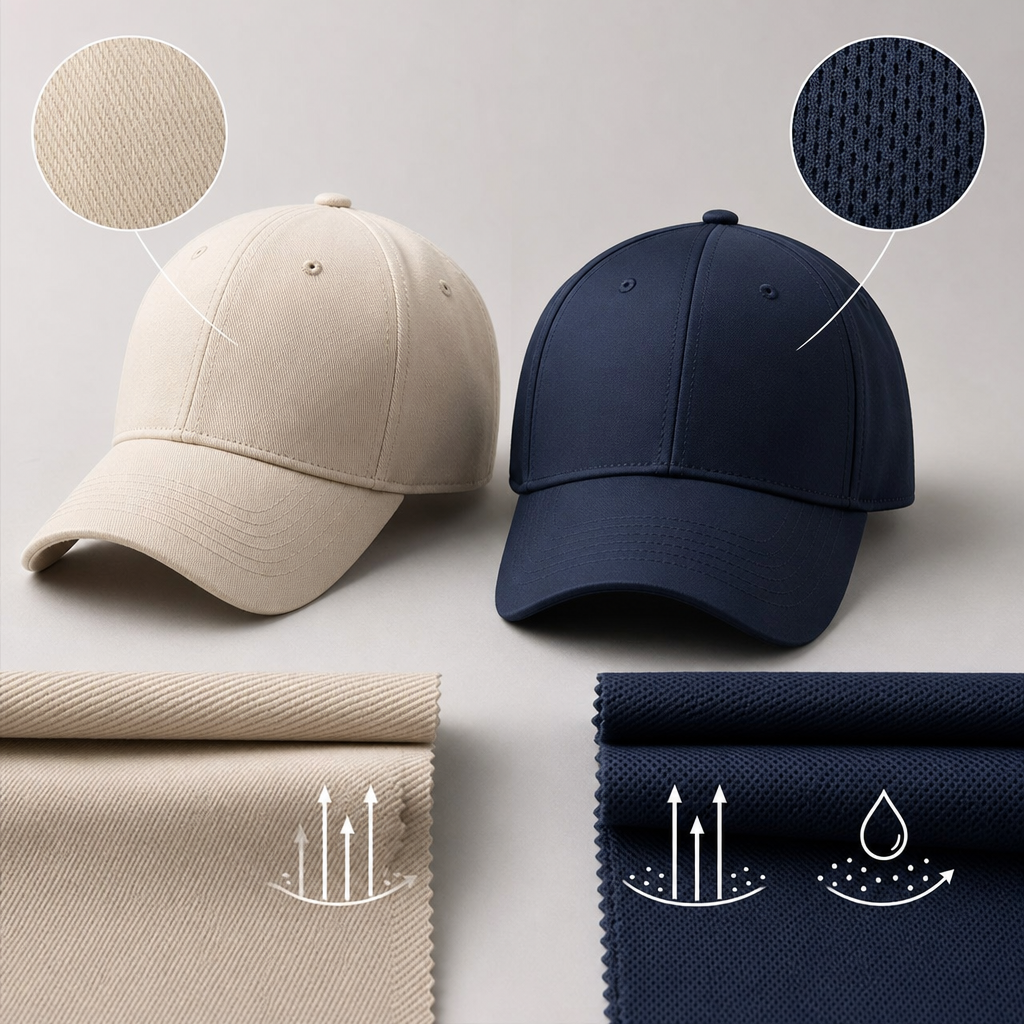
– Water resistance: High—sheds light rain, quick-drying
– UV protection: UPF 40–50+ (inherent to fiber)
– Weight: 90–130g
– Packability: High—crushable, immediate shape recovery
– Care: Machine washable, minimal shrinkage (<1%)
Best for:
– Outdoor and active applications
– Customers requiring consistent sizing after washing
– Performance positioning (hiking, fishing, travel)
Polyester’s synthetic structure provides inherent water resistance and UV blocking. Unlike cotton, polyester doesn’t absorb moisture—it sheds it. For outdoor brands, fishing outfitters, and travel retailers, this performance profile aligns with customer expectations.
The trade-off is aesthetic. Polyester lacks the natural texture and hand feel of cotton or paper straw. For premium fashion positioning, polyester may underdeliver on perceived quality despite superior performance.
[See also: Waterproof Bucket Hats: What “Water-Resistant” Actually Means](https://hongyuecap.com/waterproof-bucket-hats-wholesale-guide/)
Material Selection by End Customer Archetype
For Resort and Beach Retailers
Recommendation: Paper straw with clear care instructions
Resort customers prioritize aesthetics and immediate experience over long-term durability. Paper straw’s natural texture photographs well and signals vacation authenticity. The key is setting proper expectations—clear care tags prevent disappointment when customers encounter the material’s water limitations.
Key specification: Request UPF testing certification. Natural weave density varies; verify actual UV protection rather than assuming based on appearance.
For Outdoor and Active Brands
Recommendation: Polyester with water-resistant coating
Outdoor customers prioritize performance. Polyester’s quick-dry properties and consistent sizing after washing align with active use cases. Water-resistant coatings (DWR—durable water repellent) extend performance in variable conditions.
Key specification: Specify coating type and durability rating. Standard DWR coatings degrade after 20–30 washes; premium coatings last 50+ washes. Match coating grade to your product’s expected lifecycle.
For Fashion and Streetwear Retailers
Recommendation: Cotton (pre-shrunk) or cotton-polyester blend
Fashion customers prioritize aesthetics and comfort. Pre-shrunk cotton eliminates sizing inconsistency. Cotton-polyester blends (typically 60/40 or 70/30) balance natural feel with improved shape retention and faster drying.
Key specification: For cotton orders, specify pre-shrunk treatment. For blends, request exact composition percentages—”cotton blend” is insufficient for quality control.
Supplier Communication: Material Specifications Checklist
Before confirming your wholesale order, document these specifications in writing:
For Paper Straw Orders:
– [ ] Fiber source: Natural paper / recycled paper / synthetic paper
– [ ] Weave density: Specify tightness (affects UPF and durability)
– [ ] Sizing treatment: Type and durability
– [ ] Water resistance rating: Light mist / brief rain / none
– [ ] UPF certification: Request test report (target: UPF 30+)
– [ ] Care instructions: Pre-printed tags required
For Cotton Orders:
– [ ] Fabric weight: GSM specification (typical: 180–250gsm)
– [ ] Pre-shrunk treatment: Sanforized or standard
– [ ] Weave type: Twill / plain / brushed
– [ ] Lining: Unlined / cotton lining / polyester lining
– [ ] UV treatment: Natural or UPF-enhanced
– [ ] Shrinkage tolerance: Maximum acceptable percentage
For Polyester Orders:
– [ ] Fabric type: Woven polyester / ripstop / microfiber
– [ ] Water-resistant coating: DWR type and wash durability
– [ ] Breathability rating: MVTR (moisture vapor transmission rate)
– [ ] UV protection: UPF rating with certification
– [ ] Recycled content: rPET percentage (if sustainability positioning)
– [ ] Coating retreatment: Instructions for customer maintenance
According to [Statista](https://www.statista.com/), the global sun protective clothing market—including UPF-rated headwear—is projected to reach $9.2 billion by 2027, growing at 7.8% annually. Material specifications that deliver verified UPF performance position wholesale buyers to capture this expanding segment.
MOQ and Pricing by Material Type
| Material | Typical MOQ | Price Range (FOB China) | Lead Time |
|———-|————-|————————|———–|
| Paper Straw | 100–200 units | $2.50–$4.50 | 15–25 days |
| Cotton | 100–200 units | $2.80–$5.00 | 20–30 days |
| Polyester | 200–500 units | $2.20–$4.00 | 20–35 days |
Polyester typically offers the lowest unit cost due to synthetic fiber efficiency and high-volume production. However, minimum order quantities may be higher for specialized performance fabrics.
Paper straw pricing varies significantly based on weave complexity and fiber quality. Hand-woven or intricate patterns command premiums of 40–60% over machine-woven basics.
Conclusion: Match Material to Use Case, Not Just Aesthetics
Material selection is the foundation of bucket hat performance. Paper straw delivers authentic aesthetics for resort and fashion applications but requires careful handling. Cotton offers natural comfort for fashion positioning but presents shrinkage risks. Polyester provides consistent performance for outdoor applications but trades natural texture for function.
Specify material composition, performance ratings, and care requirements in writing before production. Request pre-production samples in your exact material specification. Test samples under realistic use conditions before approving bulk production.
[View wholesale Bucket Hats options](https://hongyuecap.com/product-category/bucket-hats/)
—
Tags: bucket hat material guide, wholesale bucket hat buyer guide, paper straw vs cotton bucket hats, polyester bucket hats wholesale, bucket hat bulk ordering
Related Resources
Internal Guides
External References
See our guide on eco-friendly bucket hats for retail for more details.
Product Gallery
 UPF 50 bucket hat wholesale guide. For more buying detail, see our UPF 50 bucket hat wholesale.

Related: For a complete sourcing workflow, see our bucket hat buying guide wholesale — covering materials, quality checks, MOQs, and supplier negotiation.
Written by the Hongyuecap Product Team — 10+ years in B2B custom headwear manufacturing. Last updated: May 03, 2026.