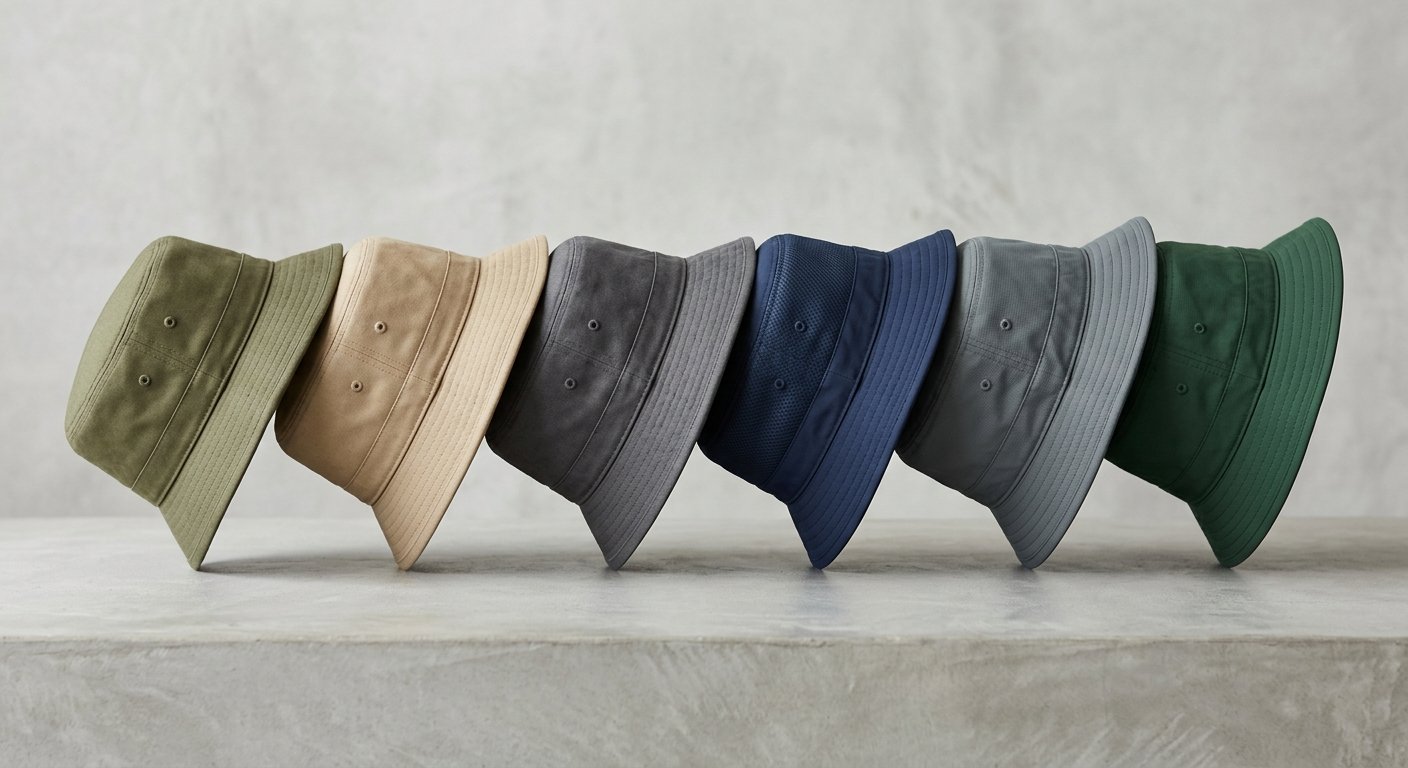
UPF 50 bucket hat wholesale planning is becoming a core part of summer buying for resort stores, travel retail, outdoor programs, and hospitality brands in 2026. Customers want believable sun protection, comfortable wear in heat, and designs that still feel easy to style. For wholesale buyers, the category works best when performance claims, fabric choice, and construction details are aligned before sampling starts.

The fastest way to damage a summer hat program is to overpromise on protection and underdeliver on comfort. A strong UPF bucket hat should feel cool enough to wear, dry fast enough for active use, and look credible in both product photos and real sunlight.
Why UPF 50 bucket hats are a smart summer wholesale category
Direct answer: UPF 50 bucket hats are a smart summer wholesale category because they combine practical sun coverage, broad customer appeal, and strong merchandising flexibility across retail, resort, and outdoor channels.
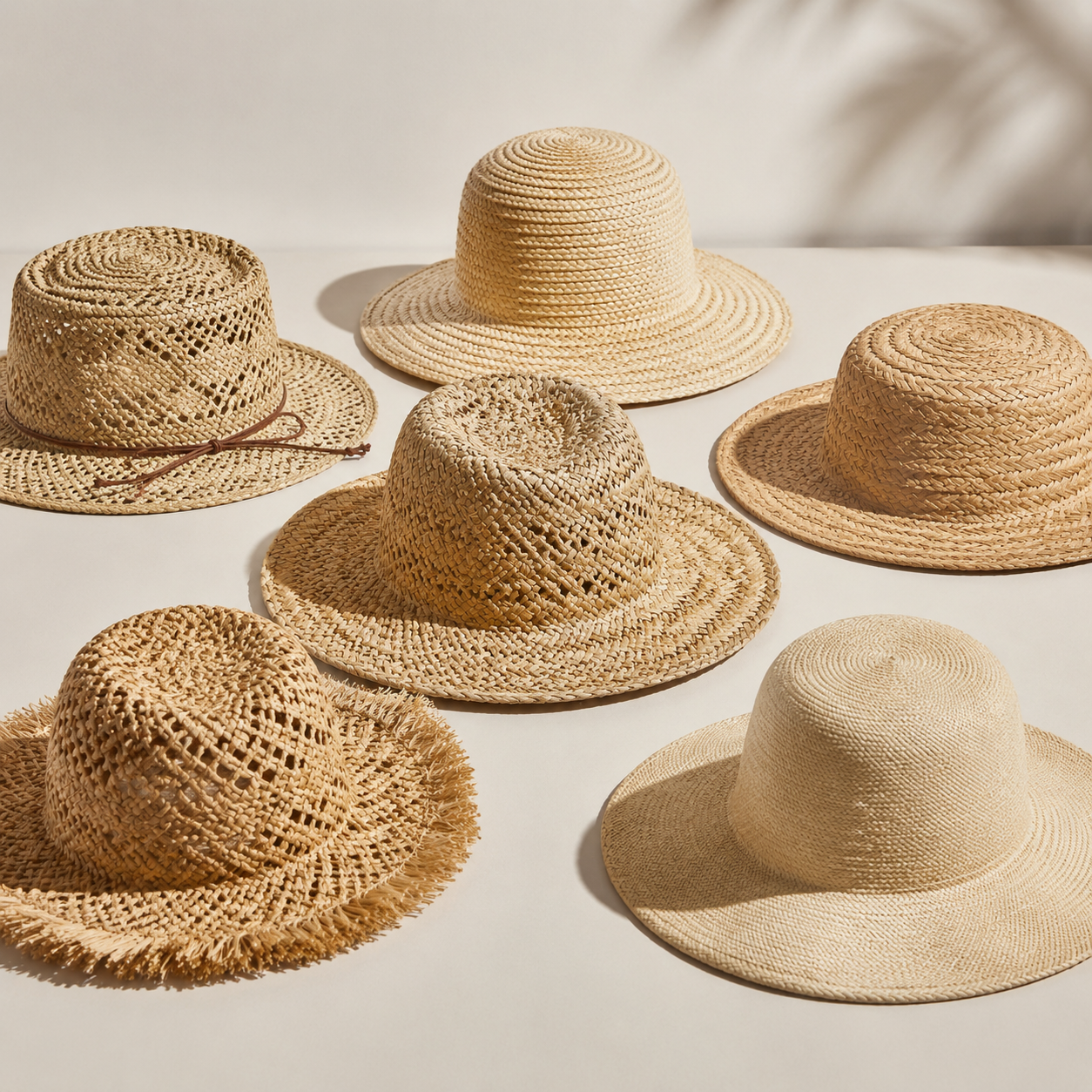
The bucket hat has evolved beyond trend-only fashion. In warm-weather markets, it gives more side and upper-face coverage than a standard cap while staying easier to pack than many rigid straw styles. That makes it commercially useful in beach retail, excursion programs, golf-adjacent channels, destination shops, and uniform-inspired hospitality settings.
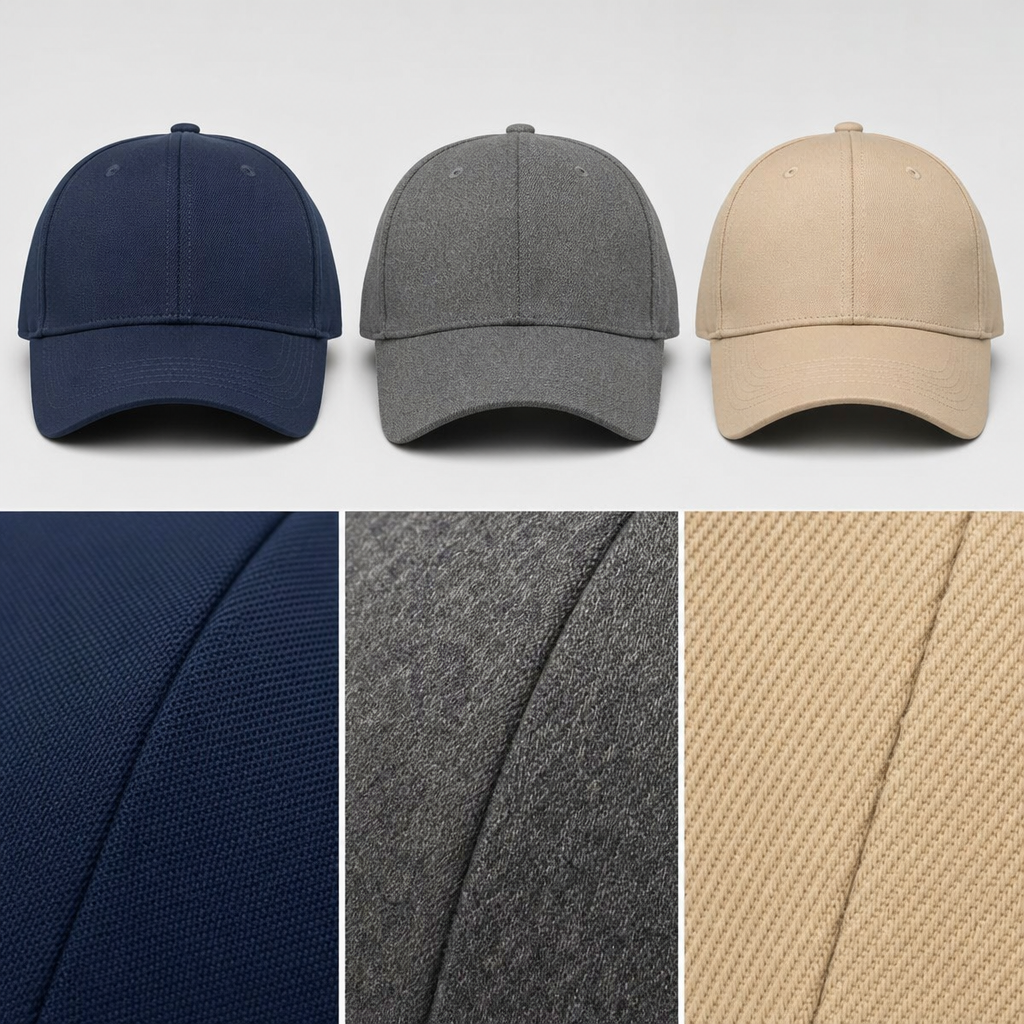
For wholesale buyers, the category also spreads risk well. A clean technical bucket hat can sit next to swimwear, outdoor accessories, and travel goods without looking out of place. It also pairs naturally with adjacent products such as baseball caps and broader headwear collections, which helps cross-sell and navigation.
- Better practical shade than standard caps.
- Travel-friendly and e-commerce-friendly shape.
- Useful across fashion, resort, and outdoor segments.
- Supports functional storytelling when the build is real.
That versatility is why bucket hats remain one of the strongest warm-season headwear categories for B2B buyers.
What buyers should specify before requesting UPF 50 bucket hat quotes
Direct answer: Buyers should define shell fabric, brim width, ventilation, sweatband type, trim details, and the basis for any UPF claim before requesting serious quotes.
The phrase UPF 50 bucket hat wholesale means very little if the product brief is vague. Some suppliers will quote lightweight generic shell fabric. Others will assume ripstop polyester, moisture-wicking bands, or mesh ventilation. All of them may describe the hat as sun-protective, yet the final products can perform very differently.
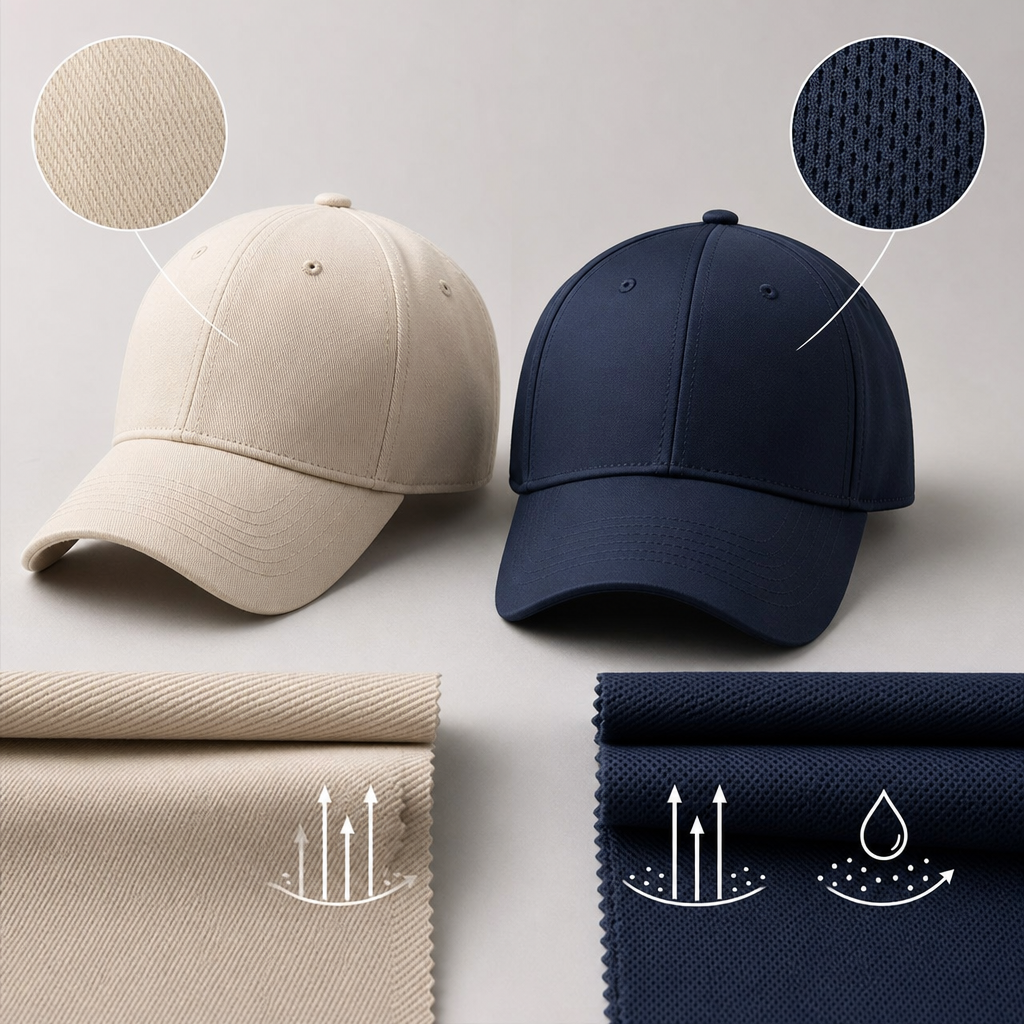
That is why specification comes first. Nylon often gives a softer handfeel and a more premium casual look. Polyester can be more cost-efficient and color-stable. Ventilation eyelets may be enough for lifestyle resort hats, while hotter outdoor channels may benefit from mesh panels or more technical airflow details. Brim shape also matters. A brim that is too soft can collapse in humidity, while one that is too stiff loses packability.
| Feature | Resort Retail | Outdoor Utility | Hospitality Program |
|---|---|---|---|
| Shell Fabric | Soft quick-dry nylon | Ripstop polyester | Quick-dry nylon blend |
| Brim | Relaxed medium brim | Semi-structured brim | Balanced practical brim |
| Ventilation | Metal eyelets | Eyelets or mesh | Eyelets |
| Sweatband | Comfort band | Moisture-wicking | Comfort wicking blend |
A written specification sheet produces better quotations and reduces misunderstanding later.
UPF claims, fabric reality, and what end customers actually notice
Direct answer: End customers notice comfort outcomes first: how hot the hat feels, whether it dries quickly, and whether the coverage feels believable during long outdoor wear.
UPF can be an effective product message, but only when used carefully. If a specific UPF 50 claim will be printed or promoted, buyers should make sure the material basis is solid and, where needed, supported by testing. Even when formal testing is not part of the immediate launch, the actual product should still deliver visible comfort and sensible coverage.
Customers in Australia, southern Europe, the southern USA, and GCC resort markets are especially quick to judge weak sunwear claims. A hat that traps heat or dries slowly after sweat and splash will earn poor feedback no matter what the hangtag says. This is why functional details often matter more than dramatic marketing language.
- Use tightly woven quick-dry shells with practical handfeel.
- Add ventilation so the protection story does not create heat discomfort.
- Choose brim dimensions that customers will actually wear.
- Keep online product copy honest and precise.
Good summer headwear does not need exaggerated claims. It needs credible performance.
MOQ, pricing, and launch strategy for seasonal hat buyers
Direct answer: Standard MOQ for UPF-oriented bucket hats often starts around 300 to 500 pieces per color, with cost driven by shell fabric, trims, moisture management, and packaging choices.
Seasonal categories punish overbuying. The right first order is not the biggest one. It is the order that lets you test your strongest colors and channels before committing too deeply. Buyers serving resort stores may need softer tones and cleaner trims. Outdoor channels may lean harder into utility colors such as khaki, olive, navy, and black.
- Decide whether the hat is fashion-led, utility-led, or hospitality-led.
- Pick one silhouette and a small confident color set.
- Approve a real decorated sample before mass production.
- Backsolve the target retail price into landed cost.
- Align production timing with your seasonal launch window.
This discipline matters because warm-weather inventory loses value quickly when the season slips.
How to evaluate a China supplier for UPF bucket hat programs
Direct answer: The right supplier understands quick-dry shells, trim durability, and export timing while communicating clearly about what the product can and cannot claim.
China remains highly competitive in this category because materials, trims, sewing, and export support can be coordinated inside one efficient ecosystem. Guangdong suppliers are particularly useful when buyers need a combination of branded detailing, technical shells, and flexible MOQ support for retail or hospitality projects.
Ask direct questions. Can the supplier show current quick-dry fabric options? Do they understand the difference between a relaxed resort bucket hat and a more technical outdoor version? Can they support repeat runs with stable trim quality? Those answers matter more than generic claims of experience.
For broader import context, it is sensible to compare your sourcing logic with resources from the International Trade Administration, especially when planning structured destination-market launches.
Comparison list: resort bucket hats vs outdoor bucket hats
Direct answer: Resort bucket hats prioritize comfort and easy styling, while outdoor bucket hats prioritize technical function, ventilation, and stronger performance messaging. bucket hats for resort staff and outdoor events what buyers should check in ventilation brim coverage and all day wear comfort
- Resort styles need softer handfeel and a cleaner visual line.
- Outdoor styles need stronger ventilation and practical utility trims.
- Both need believable comfort in hot climates.
- The best wholesale programs start with one clear use case.
Final checklist before placing a UPF 50 bucket hat wholesale order
- Clarify the shell fabric, ventilation, brim, and sweatband in writing.
- Decide whether the hat serves resort, outdoor, or hospitality demand.
- Keep UPF claims honest and supported by the actual build.
- Link buyers naturally to bucket hats, contact, baseball caps, and home.
- Choose a supplier that solves repeatability, not just first-sample speed.
Need help specifying a summer bucket hat program? Talk to Hongyue Cap for MOQ planning, fabric advice, and direct factory support from Guangdong, China.
External Quality Reference for Buyers
For additional sourcing discipline, buyers can compare supplier claims against public trade and textile references such as the International Trade Administration and textile testing resources from ASTM International before locking specifications for bulk orders.
Buyer Checklist Before Confirming the Order
Before approving a production order, buyers should convert the article topic into a written checklist. That checklist should include material name, fabric or yarn weight, structure requirements, color tolerance, size range, packaging method, decoration method, and sample approval standard. This keeps the supplier, merchandiser, and inspection team aligned before bulk production starts.
For retail programs, the most useful checklist is not the longest one; it is the one that prevents the most common disputes. Buyers should define what must remain consistent between the approved sample and the finished shipment, then ask the supplier to confirm those points in writing. This makes quality review faster and reduces the risk of receiving products that look acceptable in photos but fail in store handling, customer use, or repeat orders.
Related: Recycled PET Bucket Hat Sustainability Verification — GRS certification, lab testing, and documentation checkpoints for wholesale eco hat sourcing.
Written by the Hongyuecap Product Team — 10+ years in B2B custom headwear manufacturing. Last updated: May 03, 2026.