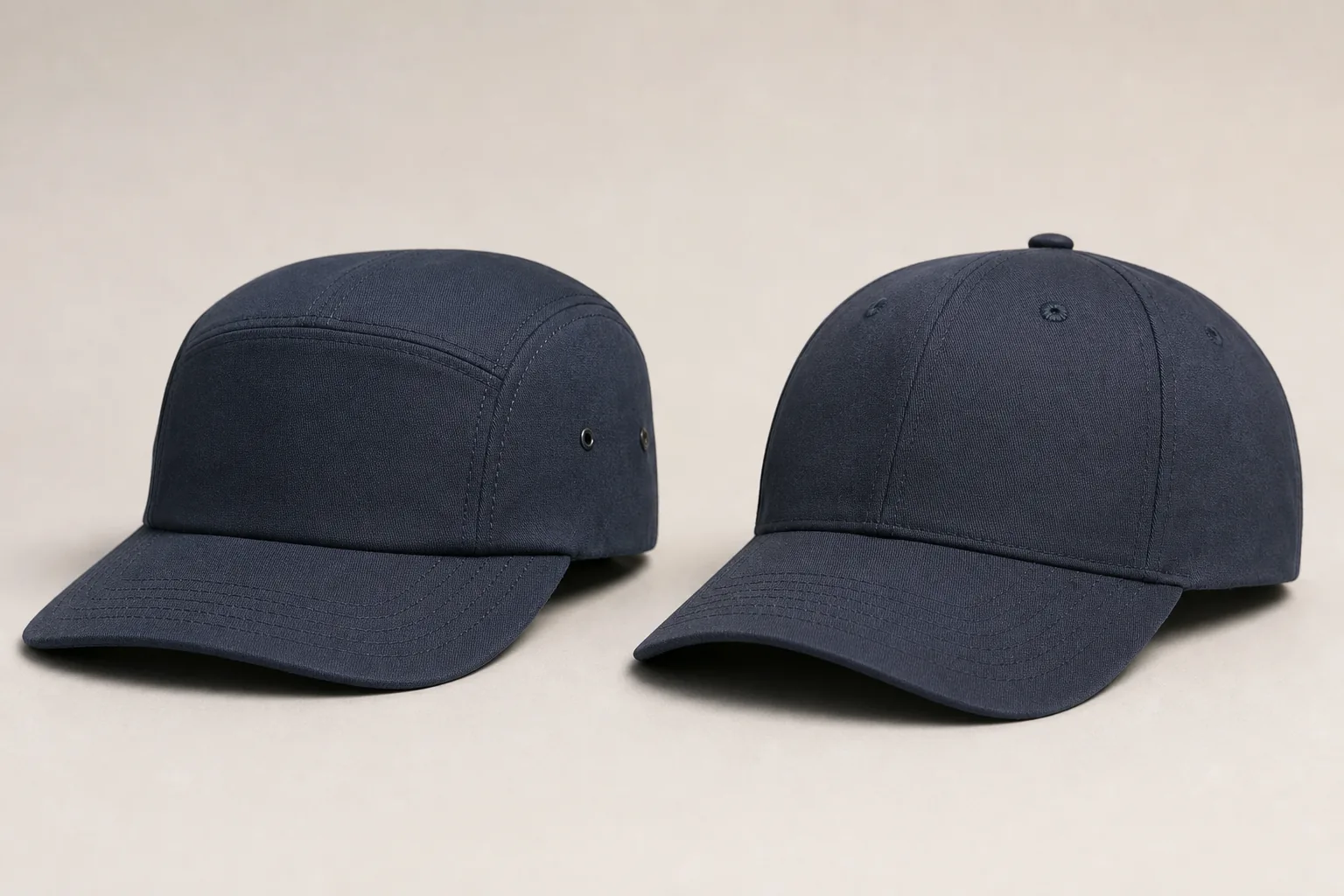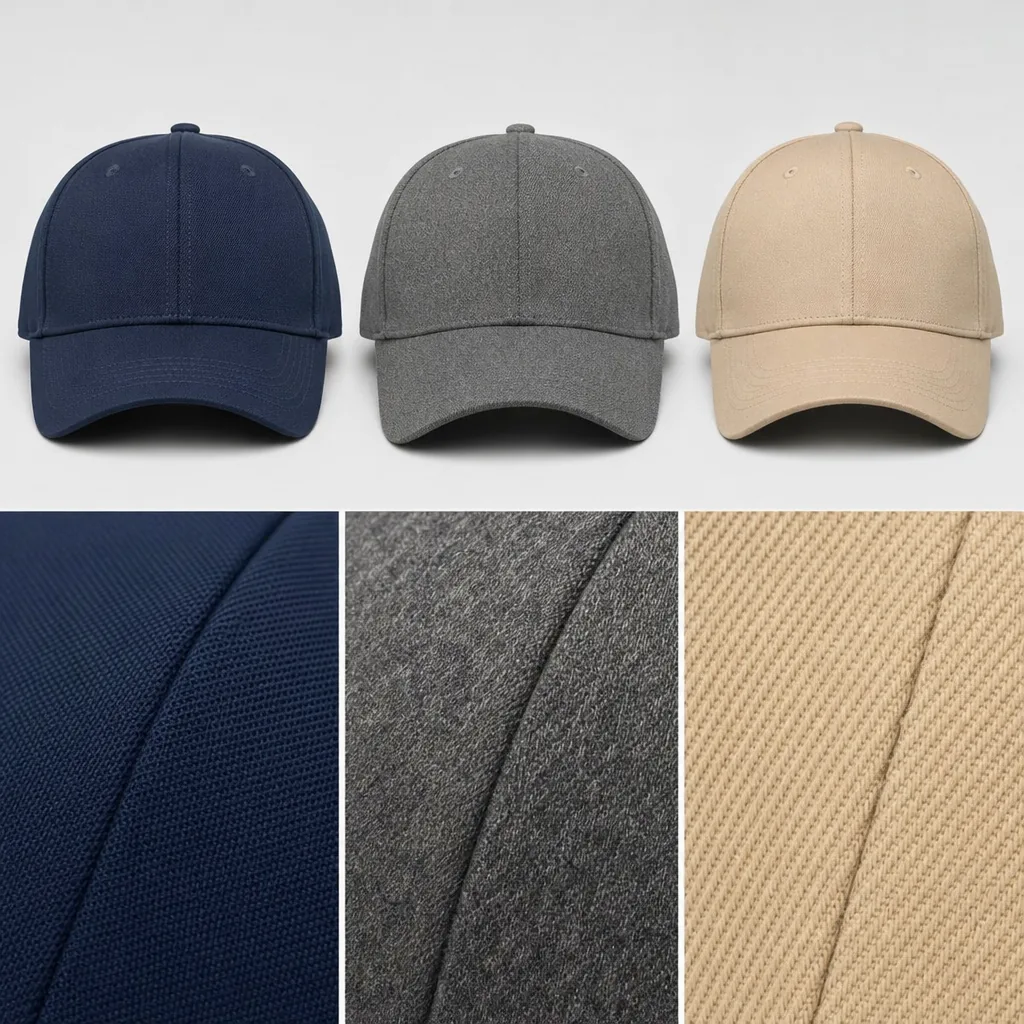
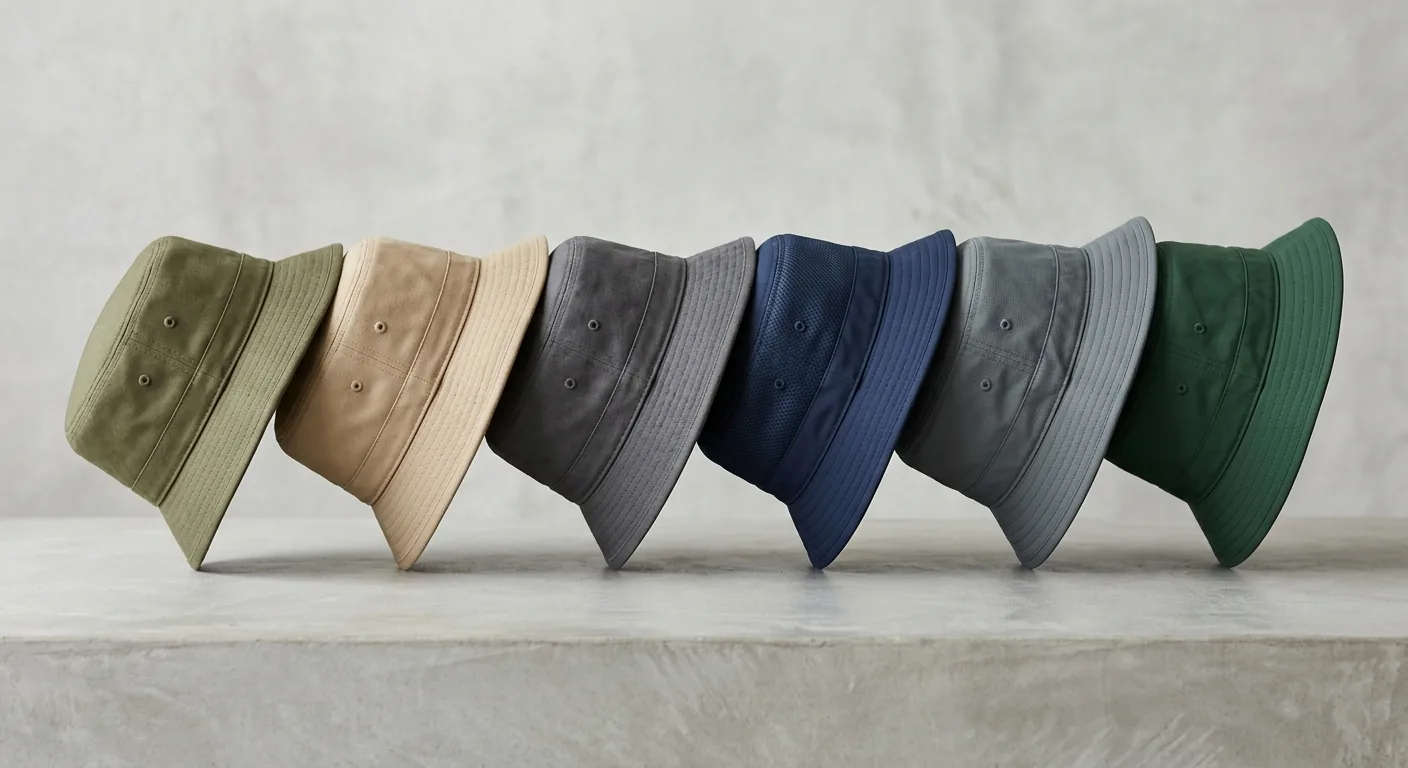
Bucket hats for outdoor campaigns and festival merchandise
Bucket hats for outdoor campaigns and festival merchandise are not a generic trend topic for B2B buyers. They are a program-planning decision tied to weather exposure, brand visibility, budget discipline, and event deadlines. When a buyer chooses the wrong hat construction, fabric, or decoration method for an outdoor activation, the problem shows up fast: weak logo presentation, uncomfortable wear in sun or humidity, late sample rework, and leftover stock that does not match the event audience.

That is why this topic matters commercially. Outdoor campaign teams, event-merch managers, and promotional-product buyers usually need one answer first: which bucket hat spec fits the campaign purpose without creating avoidable risk in price, sampling, lead time, or complaint rate. A good decision is not only about what looks current on a mood board. It is about how the hat performs during real use at festivals, summer roadshows, sports activations, tourism programs, or branded pop-up events.
If your team is still mapping supplier options, keep HongYueCap, the live bucket hat manufacturer page, and the RFQ route at contact connected to this review. That keeps the article inside a real wholesale workflow instead of turning it into light lifestyle content. This guide focuses on buyer-side decision points: where outdoor and festival orders usually go wrong, what should be checked in material and branding selection, how MOQ and timing affect approval, and how to choose a safer bucket hat direction before production starts.
Main Buyer Problem
The main buyer problem is that outdoor campaign and festival orders compress too many decisions into one item. The bucket hat has to work as branded merchandise, visual identity, wearable product, and logistics-friendly giveaway or resale unit at the same time. Buyers often approve a style because it feels trendy or matches a marketing deck, then discover the hat does not hold up under sun exposure, sweat, folding, patch application, or event-day handling.
Use case definition should come before style selection. Is the order meant for a mass giveaway, a paid merch booth, a premium sponsor gift, a beach or resort activation, or a long-running outdoor retail program? Each case changes what matters most. A free giveaway may prioritize lighter cost and easier packability. A premium festival merch drop may need stronger shape, better embroidery presentation, and more convincing fabric feel. A tourism or sports activation may need better breathability and wider all-day comfort.
The buyer action is to write the campaign purpose into the sourcing brief before asking for final samples. Compare the hat by channel, wear condition, logo method, packout plan, and expected brand impression. That keeps the conversation focused on the real commercial job of bucket hats for outdoor campaigns and festival merchandise, not on a surface-level trend signal only.
Material / Construction Risk
Material and construction risk should be reviewed together because outdoor campaigns punish weak specifications quickly. A bucket hat that feels acceptable indoors may become a poor event product if the fabric traps too much heat, loses shape after folding, shows sweat marks easily, or makes the logo look distorted on the crown or brim. Festival merchandise also faces repeated handling, which means brim structure, seam consistency, and inner finishing matter more than many buyers first expect.
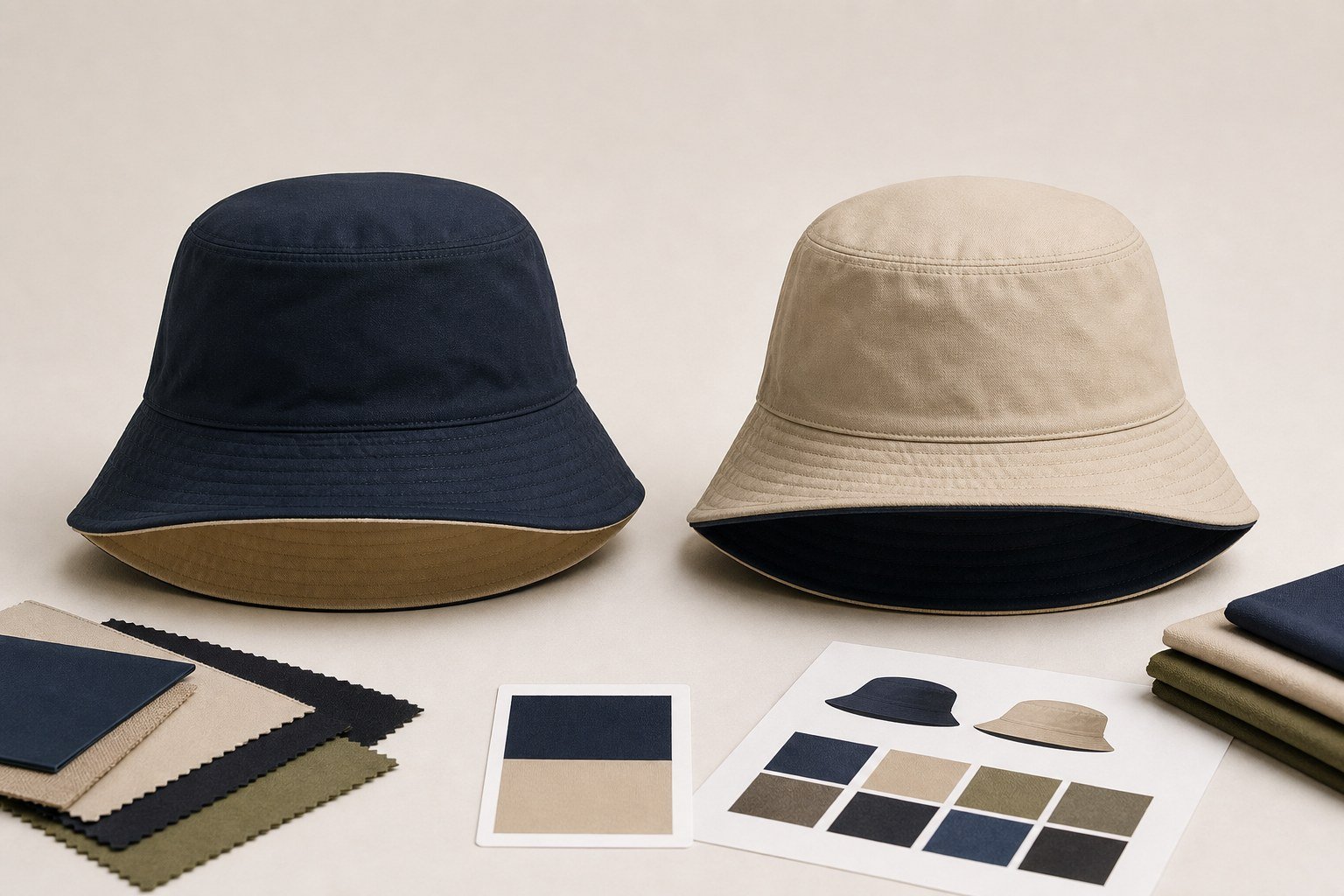
Cotton twill, washed cotton, canvas, lightweight nylon, and polyester blends can all work, but they solve different problems. Cotton-based options usually feel more familiar for branded merchandise and often support cleaner embroidery or patches. Nylon and lightweight synthetic options usually help when the program cares more about packability, quick drying, or easier outdoor wear during summer events. The risk appears when the buyer chooses one path without checking what the decoration method, event audience, and climate actually demand.
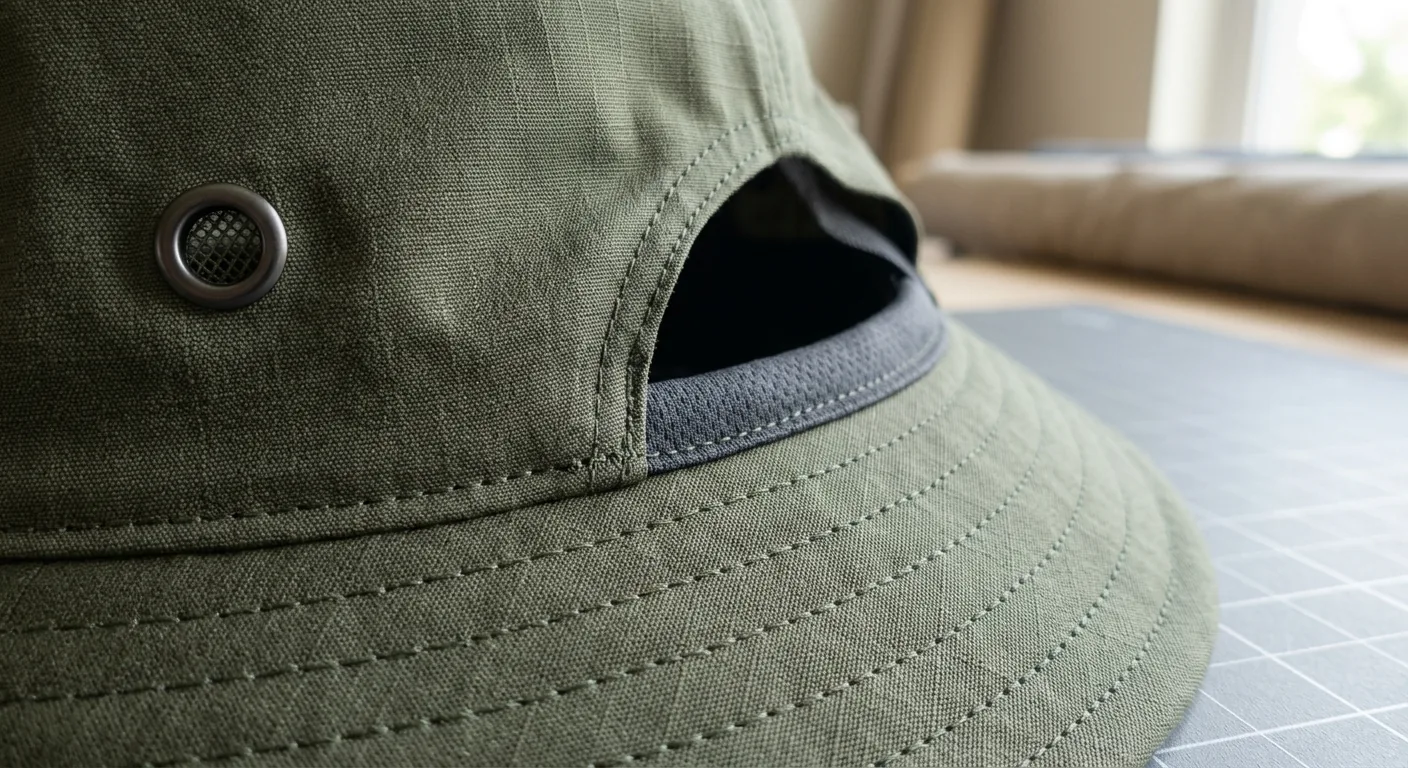
Construction details decide whether the sample survives real use. Buyers should review brim width, brim stiffness, stitch-row stability, sweatband finishing, eyelet placement, and whether the hat keeps its shape after being folded inside a carton. If the order includes compliance-sensitive retail channels, keep reference standards such as OEKO-TEX Standard 100 and Google’s image-quality guidance for product presentation planning at Google Images documentation in the sourcing record. Those references do not choose the hat for you, but they help keep material, presentation, and compliance discussions disciplined.
Supplier / MOQ / Sampling Risk
Supplier, MOQ, and sampling risk usually show up when event timelines are already tight. Outdoor campaign orders often sit inside a fixed launch date, so buyers do not have much room for extra sample rounds. A supplier may quote an attractive bucket hat style quickly, but the real risk appears later if the fabric must be switched, the branding area cannot support the approved logo size, or the MOQ jumps when the buyer adds a lining, woven label, adjustable cord, or premium trim.
Sampling for festival merchandise should never stop at a blank hat. Buyers should ask whether the sample includes the final branding method, target fabric, and expected packout assumption. If the live campaign version will use embroidery, printed artwork, rubber patch, woven badge, or interior tape branding, those features need to be tested on the approval sample. Otherwise the sample only proves the base silhouette, not the real event product.
Lead time pressure is especially dangerous in this category because campaign dates do not move easily. Ask the supplier to confirm real MOQ, sample lead time, bulk lead time, logo-method readiness, and any likely sourcing substitution risk before approval. The safer supplier is often not the one with the cheapest first quote, but the one that can hold the event specification with fewer revisions between mockup, sample, and production.
QC Checklist
- Confirm the event-use fabric matches the approved sample in look, hand feel, and expected outdoor function.
- Check brim stitch rows, crown seams, eyelets, and sweatband finishing after normal handling and fold recovery.
- Review the logo method on the actual campaign fabric, not on a substitute blank.
- Test whether embroidery, patch, or print placement stays readable when the hat is worn and photographed outdoors.
- Compare packout response after the hat is folded, boxed, and unpacked for booth setup or resale display.
- Check trim attachment, edge finish, and visible symmetry across multiple samples, not only one hero sample.
- Record which risk matters more for this program: weak brand visibility, discomfort, shape loss, sweat staining, or low perceived merchandise value.
Buyer Decision Framework
Buyers can choose faster when they stop asking whether bucket hats are simply “in style” and start asking whether the spec fits the activation.
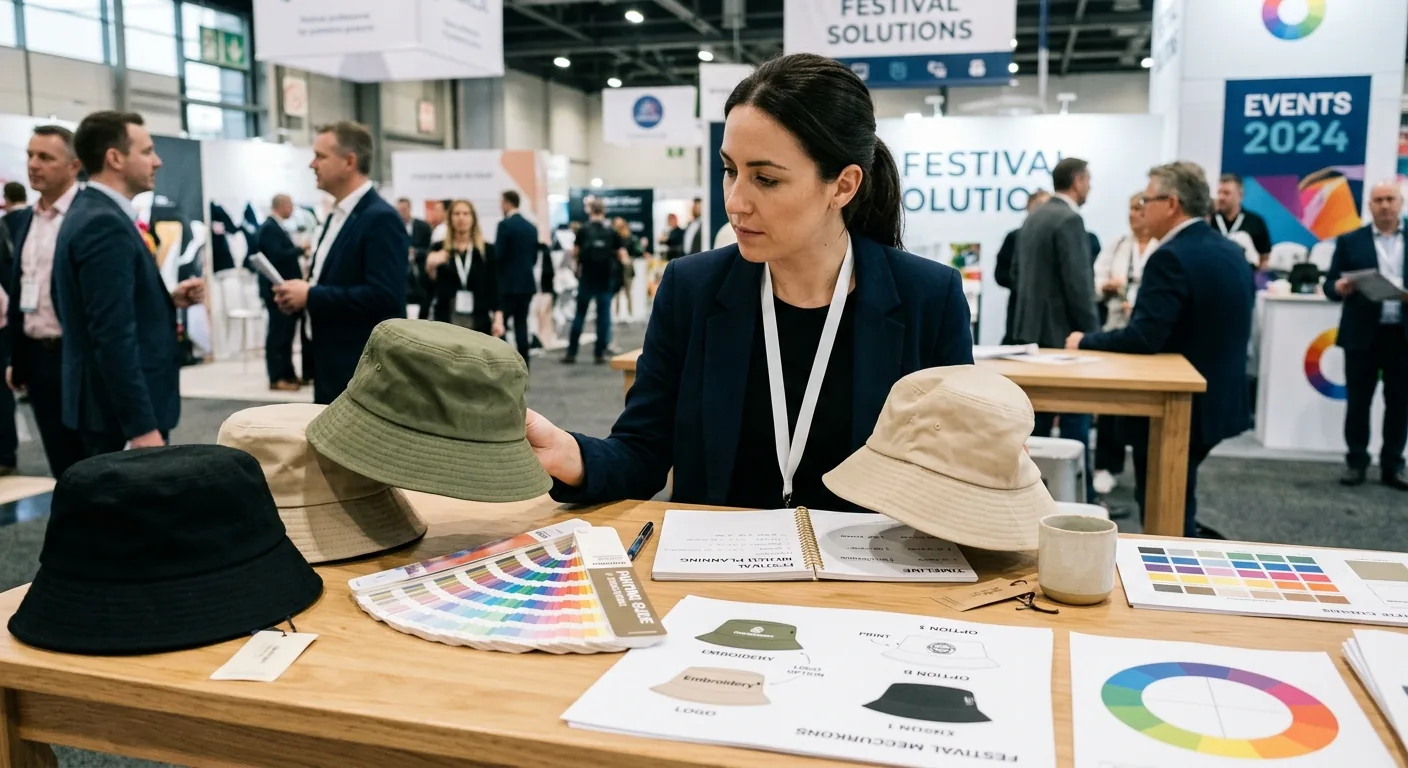
1. Start with the campaign role. Is the hat a giveaway, paid merch item, staff uniform accessory, sponsor gift, or retail-style festival product? 2. Match the fabric to outdoor use. Heat, humidity, foldability, sweat visibility, and quick-dry expectations should all shape the sample choice. 3. Match the branding method to the real panel and brim behavior. A logo that looks good on a mockup can become too heavy, too small, or too distorted on the final hat. 4. Rank the failure you can least afford. Some campaigns care most about cost control, others about photo-ready brand presentation, and others about all-day wear comfort. 5. Compare supplier execution strength, not only style range. Ask which bucket hat path the supplier can hold more consistently across bulk quantity and deadline pressure. 6. Move quickly into sample planning once the direction is clear. Send HongYueCap the target quantity, logo file, destination country, delivery date, and event use case so the sample can be built around the real program.
The best bucket hat for outdoor campaigns and festival merchandise is usually the one that balances event fit, reliable branding, and manageable production risk together. That is the real decision framework buyers need: not trend commentary for its own sake, but a clean path from sourcing brief to event-ready bulk order.
FAQ
What is the safest way to compare options for a wholesale order?
Start with the event use case, branding method, and budget before comparing samples. The safest option is the one that the supplier can reproduce consistently while still fitting outdoor wear conditions and the brand impression you need on-site.
What should buyers include in the sample brief during comparison?
Ask the factory to sample the actual fabric, final branding method, trim plan, and expected packout condition. That is the fastest way to compare not only appearance, but also logo readability, fold recovery, wear comfort, and approval risk before the campaign deadline.
Why do material-comparison decisions still fail after a good-looking sample?
Because many buyers approve a sample without testing the real event context. A bucket hat that looks good on a clean table can still fail once embroidery load, summer weather, packing pressure, or booth-display handling are added to the decision.
CTA
If you are planning bucket hats for outdoor campaigns and festival merchandise, send HongYueCap your logo file, target quantity, destination country, delivery date, event use case, sample requirement, and preferred fabric direction through our contact page. We can help you narrow the safer bucket hat sample path before bulk production starts.
Written by the Hongyuecap Product Team — 15 years in B2B custom headwear manufacturing. Last updated: June 25, 2026.