
Wholesale Bucket Hats: Premium Custom Designs
In the ever-evolving landscape of global street fashion and outdoor utility, few items have staged a comeback as enduring and profitable as the bucket hat. Once a humble accessory for fishermen, it has transformed into a cornerstone of retail collections across the US, UK, and particularly Australia. However, for retail buyers and brand managers, the transition from trend-spotting to large-scale procurement is often fraught with hidden technical pitfalls.
The reality is that “Bucket Hat Wholesale” isn’t just about finding the lowest unit price. It’s about solving the systemic quality issues that plague the middle-market supply chain. From the streets of Sydney to the festivals of London, consumers are demanding more than just a silhouette; they want durability, shape retention, and a fit that doesn’t feel like a compromise. In this comprehensive guide, we will dissect the technical requirements of high-quality bucket hat manufacturing and show how professional sourcing can eliminate common consumer complaints.
Chapter 1: The Material Science of Shape Retention – Solving the “Floppy” Dilemma
The most frequent complaint in the bucket hat wholesale market is that the product arrives feeling thin, cheap, and utterly “floppy.” While a bucket hat is inherently a soft-structured item, it must possess enough internal integrity to hold its crown and brim shape during wear.
The GSM Factor: Why Fabric Weight Matters
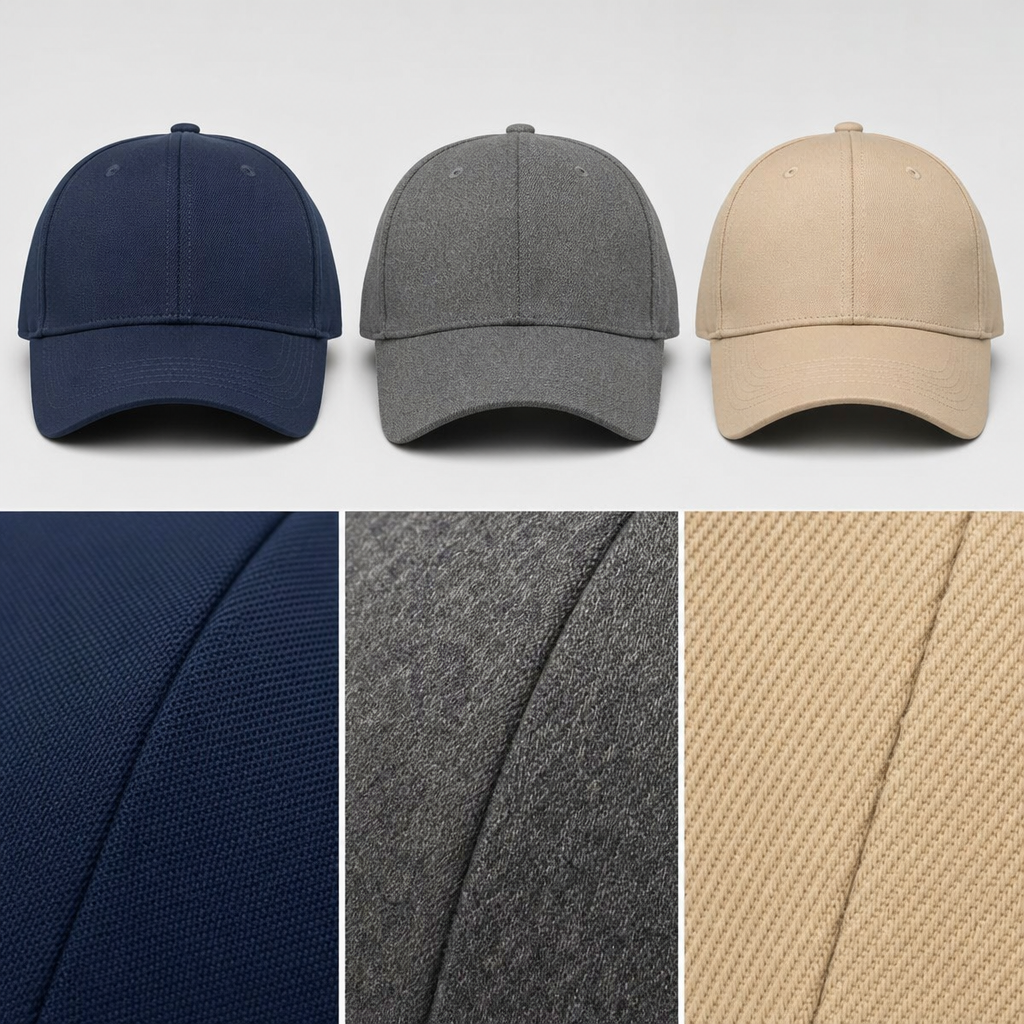
Most budget-tier bucket hats use lightweight polyester or low-grade cotton twill ranging from 180 to 220 GSM (grams per square meter). At these weights, the fabric lacks the tensile strength to resist gravity, leading to that collapsed, “used” look right out of the box. Professional-grade wholesale bucket hats should utilize a minimum of 280 GSM heavy-duty cotton twill or canvas.
Heavyweight fabrics provide a natural “memory” to the hat. When you use a high-density weave, the fibers are packed tighter, creating a sturdier wall for the crown. This is particularly crucial for the Australian market, where the sun is intense and hats are often treated as rugged outdoor gear. According to market data from Statista, the demand for “premium utility” accessories has seen a 15% year-over-year increase, indicating that consumers are willing to pay more for products that last.
Interlining and Brim Stitching
To solve the floppiness issue, we implement a multi-layer brim construction. This involves a specialized “non-woven” interlining between the two layers of face fabric. Furthermore, the number of circular stitch rows on the brim isn’t just aesthetic. High-quality bucket hats feature 6 to 8 rows of high-tension top-stitching. These stitches act like “rebar” in concrete, providing structural support to the brim so it maintains its angle—whether it’s a downward-sloping fisherman style or a flatter street style.
[Internal Link: Our Factory Capabilities in Heavyweight Fabric Sourcing]
Chapter 2: The Engineering of Fit – Standardizing Sizing for a Global Audience
One of the most frustrating experiences for a retail customer is receiving a hat labeled “One Size Fits Most” only to find it’s sized for a child. Sizing discrepancies are a major cause of returns in the e-commerce sector, particularly for brands operating in the UK and USA.
The Standardized Head Circumference
In the bucket hat wholesale world, many manufacturers cut corners by using a single, undersized mold to save on fabric. This leads to the “too small” pain point. Expert manufacturers adhere to international sizing standards:
– Small/Medium (S/M): 56-58cm
– Large/X-Large (L/XL): 59-61cm
By offering dual-sizing or a generous 58cm standard adult fit, wholesalers can ensure that their clients’ return rates remain below 2%.
Crown Depth and the “Brim Over Eyes” Issue
A common design flaw is a crown that is too deep. If the crown height exceeds the standard 8.5cm to 9cm ratio, the hat sits too low on the head, causing the brim to obscure the wearer’s vision. This “blindfold effect” is a result of poor pattern engineering. We utilize CAD-driven pattern cutting to ensure that the ratio between the crown side panels and the top circle (the “tip”) is mathematically balanced. This ensures the hat sits perfectly above the ears and brow line, providing sun protection without compromising visibility.
[Internal Link: Sizing Guide for Wholesale Bucket Hats]
Chapter 3: Color Fidelity and Reactive Dyeing – Matching the Digital to the Physical
“The hat looks nothing like the photo.” This pain point is often the result of “metamerism” and the use of low-quality dyes. When a brand orders a specific “Sage Green” or “Dusty Rose” for their festival collection in the UK, they expect that color to be consistent across 5,000 units.
The Reactive Dyeing Process
To prevent color fading and ensure accuracy, we utilize reactive dyeing. Unlike cheaper pigment dyes that sit on top of the fiber, reactive dyes form a chemical bond with the cellulose of the cotton. This results in vibrant, deep colors that are resistant to UV exposure—an absolute necessity for the Australian climate.
Moreover, we use Pantone matching systems (PMS) to bridge the gap between digital mockups and physical production. By providing physical “lab dips” for approval before the full production run, we eliminate the risk of “color shock” upon delivery. Consistent color is a hallmark of brand professionalism, a topic frequently discussed in supply chain optimization strategies by Harvard Business Review (HBR).
Pre-Shrinking and Color Fastness
Another technical step often skipped by budget suppliers is pre-shrinking. Cotton is a natural fiber that tends to contract. Without a “Sanforization” process, a bucket hat might fit perfectly out of the box but shrink two sizes after the first wash. Our wholesale process includes pre-shrunk fabrics and color-fastness testing (ISO 105-C06 standard) to ensure the hat remains the same size and shade for the duration of its lifecycle.
[Internal Link: Custom Logo and Dyeing Techniques for Brands]
Chapter 4: Functional Upgrades – Elevating the Fisherman Hat Beyond Basics
As a B2B supplier, we recognize that the “Fisherman Hat” is no longer just a hat; it’s a functional tool. To stand out in competitive markets like London or New York, wholesale bucket hats need “value-add” features that solve specific user pain points.
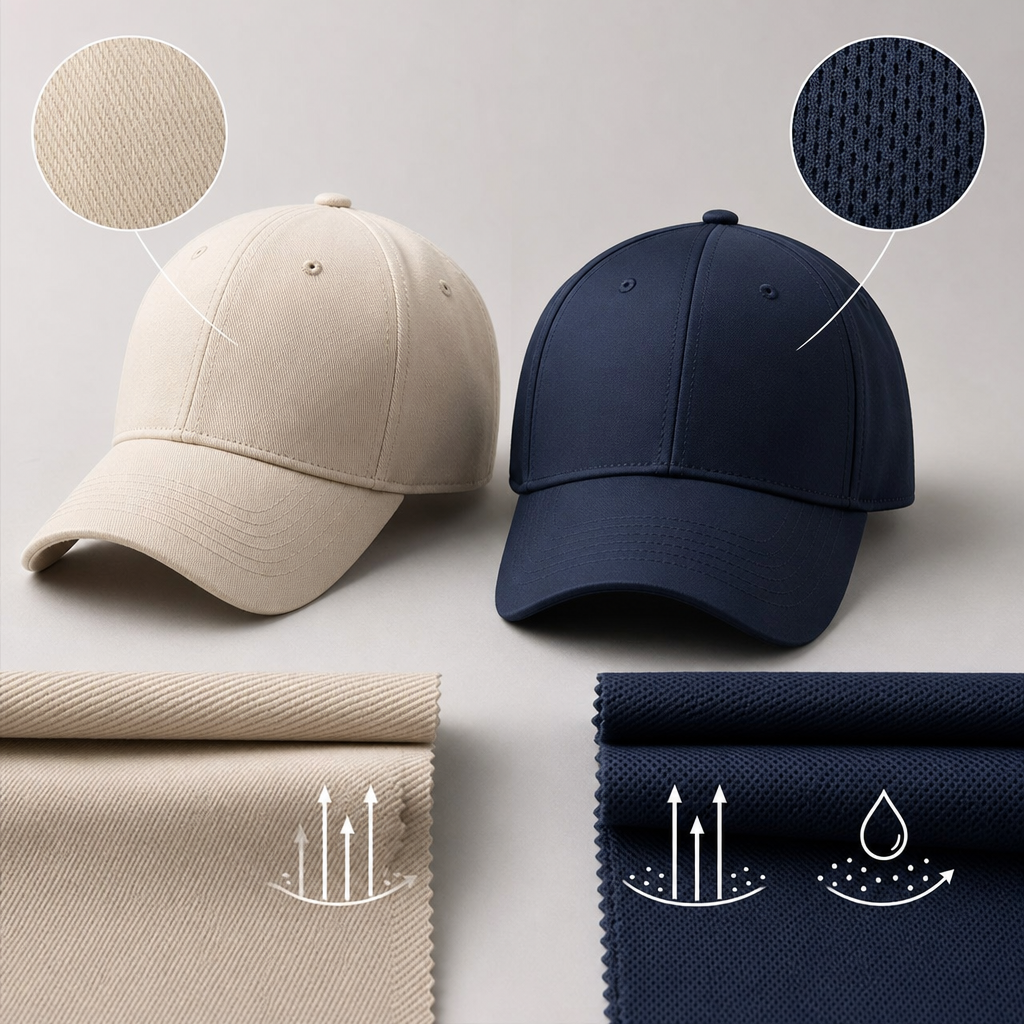
Breathability and Moisture Management
A major complaint with bucket hats—especially those made of synthetic blends—is the “sweatbox” effect. Lack of airflow leads to discomfort and scalp irritation. To solve this, we incorporate:
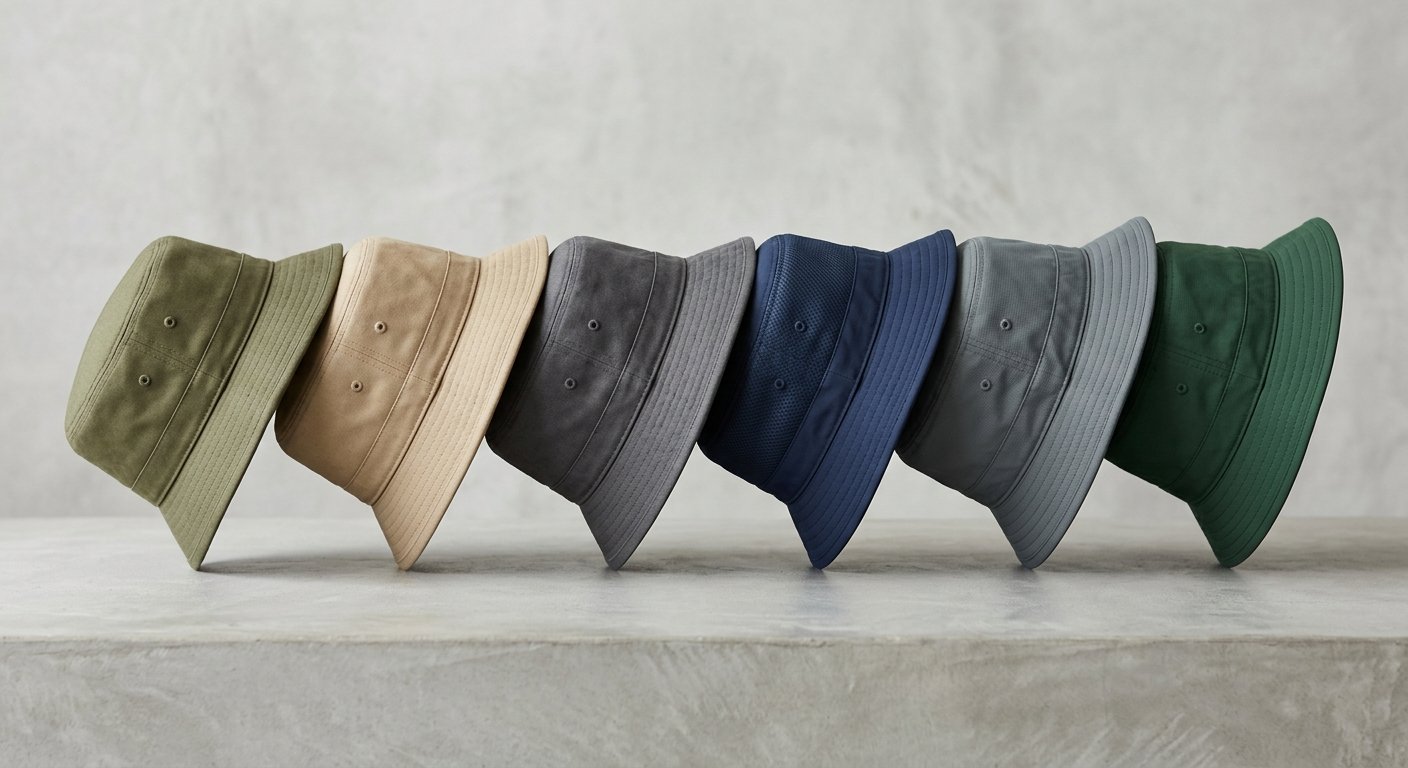
– Brass or Embroidered Eyelets: Strategically placed on the side panels to allow heat to escape.
– Cotton Poplin Linings: A lightweight, breathable inner lining that feels soft against the skin.
– Internal Sweatbands: Using a multi-layer “moisture-wicking” fabric for the sweatband ensures that perspiration is drawn away from the forehead, a feature highly valued by Australian outdoor enthusiasts.
Versatility: The Reversible Trend
The “Reversible Bucket Hat” has become a top-performing SKU. From a manufacturing perspective, this requires “clean-seam” technology. Since there is no “inside,” every seam must be perfectly finished on both sides. This doubles the value for the end consumer and allows brands to offer two colorways in a single product, effectively doubling their merchandising potential.
Insights from Headwear.org suggest that versatile, multi-use headwear is the fastest-growing sub-segment in the accessory market, particularly among Gen Z and Millennial demographics who value sustainable “2-in-1” designs.
Chapter 5: Choosing a Strategic Wholesale Partner – The B2B Competitive Advantage
In the global headwear trade, your supplier is more than just a factory; they are a critical component of your brand’s reputation. Whether you are sourcing “Wholesale Bucket Hats USA” for a retail chain or “Custom Bucket Hats UK” for a promotion, the “Total Cost of Ownership” includes the cost of quality, the cost of delays, and the cost of lost customers due to poor products.
Transparency in the Supply Chain
The modern B2B buyer requires transparency. This means knowing that the factory adheres to ethical labor standards and environmental regulations. A “cheap” hat often comes with a high social cost. We pride ourselves on maintaining a transparent production line where quality control (QC) is performed at four stages: fabric inspection, cutting, mid-assembly, and final packaging.
Why Australia, the US, and the UK Choose Us
Our expertise lies in understanding the nuances of these specific markets.
– Australia: Focus on UV protection, high GSM cotton, and rugged construction.
– UK: Focus on festival aesthetics, water-resistant coatings, and trendy color palettes.
– USA: Focus on standardized sizing, bulk scalability, and rapid “blank” hat availability for local embroiderers.
By addressing the core pain points of sizing, material quality, and color accuracy, we enable our clients to build brand loyalty that lasts. Don’t settle for floppy, ill-fitting hats that damage your reputation. Invest in engineered headwear that reflects the quality of your brand.
[Internal Link: Explore our Full Range of Wholesale Headwear]
Conclusion
The bucket hat is a deceptively simple item that requires complex manufacturing expertise to get right. By focusing on high-density fabrics, CAD-perfect sizing, and reactive dyeing, we help our B2B partners dominate their local markets. If you’re ready to elevate your headwear collection and eliminate consumer complaints, contact our expert team today to discuss your next custom project.
About the Author: With over 15 years in the headwear manufacturing industry, I have seen the rise and fall of countless trends. My mission is to provide B2B buyers with the technical knowledge they need to make informed, profitable sourcing decisions.
References:
1. Global Apparel Market Analysis – Statista
2. Headwear Trends and Standards – Headwear.org
3. Supply Chain Excellence – Harvard Business Review
Related: For a complete sourcing workflow, see our bucket hat buying guide wholesale — covering materials, quality checks, MOQs, and supplier negotiation.
Written by the Hongyuecap Product Team — 10+ years in B2B custom headwear manufacturing. Last updated: May 03, 2026.
Related Resources for Wholesale Buyers: