Patch, embroidery, and woven label options for custom beanies
Beanie decoration checkpoint: Test the patch or embroidery on the real stretch zone and inspect backing comfort, edge security, cuff recovery and appearance after folding. Decoration that looks clean on a flat sample can still distort the beanie when the wearer stretches it.
Buyers rarely lose money because a product looks bad in a photo. They lose money when a sample looks acceptable, but the bulk order turns into extra revisions, packing damage, decoration trouble, or a product that does not fit the selling channel. That is usually the real issue behind patch, embroidery, and woven label options for custom beanies.
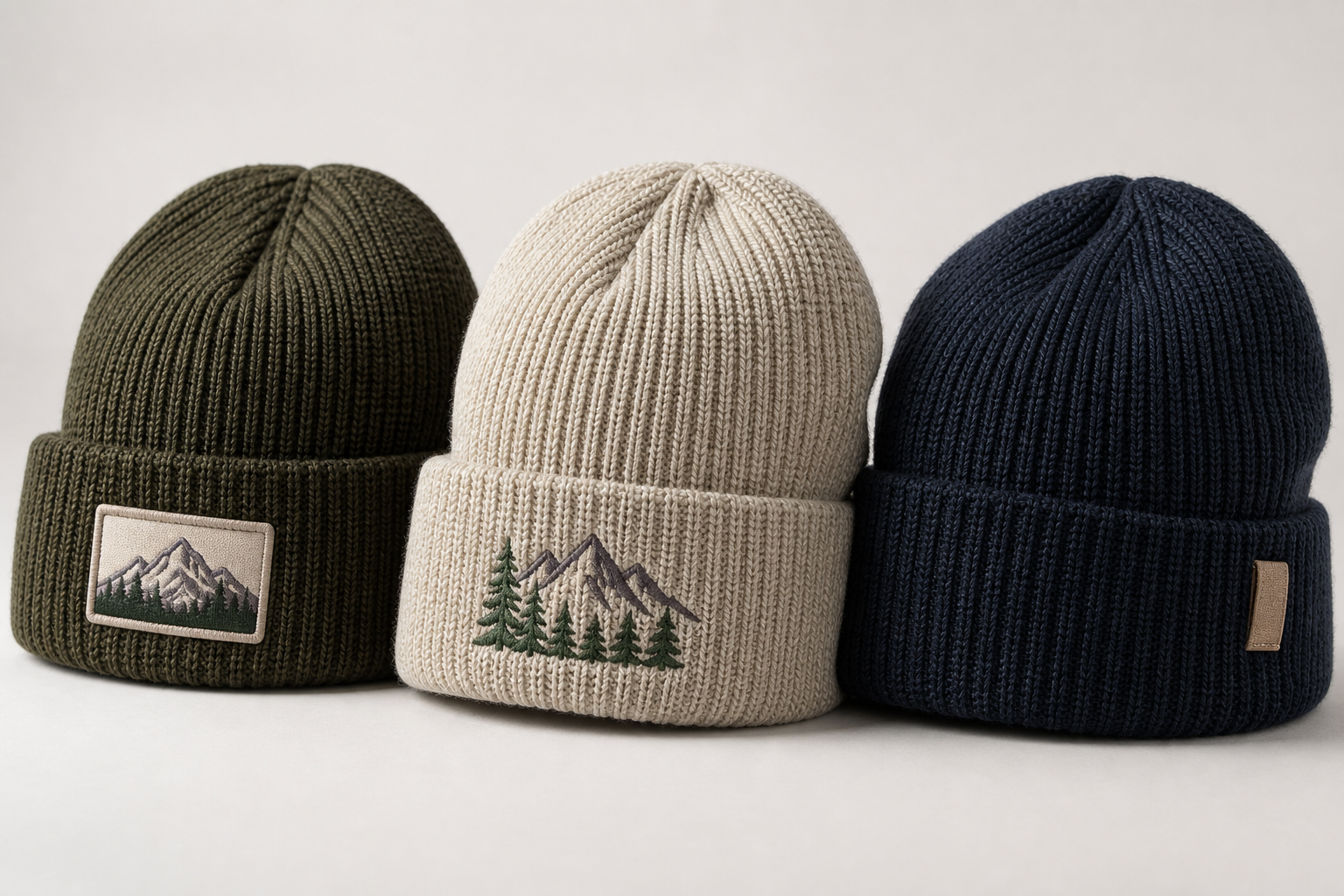
If your team is comparing options right now, keep the decision tied to the RFQ instead of treating it as a style discussion. Use the live Knitted Beanie category to check the product direction, keep HongYueCap as the factory reference point, and move the final discussion back to custom inquiry and sample planning once the specs are clear.
Main Buyer Problem
Material / Construction Risk
For external validation, keep practical references such as Google image guidance for asset standards and OEKO-TEX Standard 100 when the discussion turns to material confidence. They do not make the sourcing decision for you, but they help anchor internal review in something more concrete than supplier promises alone.
Supplier / MOQ / Sampling Risk
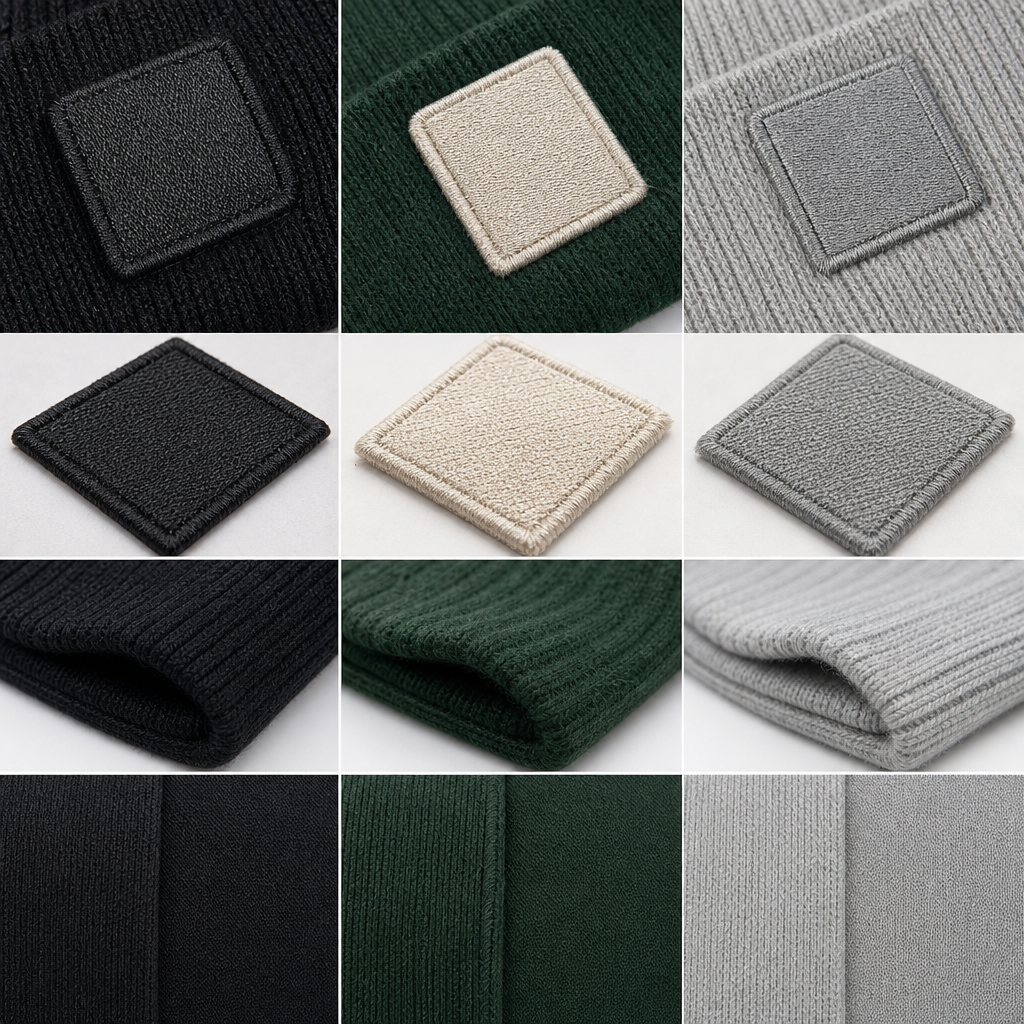
Lead time deserves the same level of scrutiny. A program can look efficient on paper and still slip because the supplier treated decoration, insert structure, or packaging method as a later-stage detail. When sending the RFQ, ask for four things in plain terms: MOQ, sample lead time, bulk lead time, and the most likely reason a second sample round would be needed. For custom beanies, the branding method often changes the approval process more than buyers expect. A patch can look strong in presentation but still create issues with placement balance, handfeel, or carton compression if the sample was not reviewed under realistic conditions. Embroidery may look cleaner for some programs, but stitch density, yarn surface, and cuff thickness can shift the final effect enough that buyers should test the actual combination before moving into bulk approval.
Woven labels create a different type of control question. They often work well for private-label and understated branding programs, but buyers still need to confirm whether the label is folded, center-applied, cuff-positioned, or sewn into another seam point. If those decisions stay vague during sampling, factories can still deliver a technically correct item that does not match the merchandising expectation. The safer approach is to treat the branding method as a production decision, not only a visual styling choice.
QC Checklist
- Review how the logo method behaves on the real surface, not on a cleaner test panel.
- Inspect seam, edge, panel, brim, cuff, or body stability after normal handling.
- Test how the item looks after folding, boxing, unboxing, or short-term storage.
- Confirm trim placement, symmetry, attachment strength, and visible finishing quality.

Buyer Decision Framework
A practical buyer framework is usually enough.
Request a quote or sample review after sharing your logo, target quantity, destination country, delivery date, and material preference.
FAQ
What is the safest way to compare options for a wholesale order?
What should buyers include in the sample brief during comparison?
Why do material-comparison decisions still fail after a good-looking sample?
What should buyers confirm before approving a custom beanie branding method?
Confirm the logo method, placement position, yarn or cuff interaction, sample timing, and final packing assumption before the order moves into bulk quotation. That reduces revision loops and helps the factory recommend a branding route that stays stable in production.
CTA
If you are reviewing patch, embroidery, and woven label options for custom beanies for a wholesale or custom program, send HongYueCap your logo file, target quantity, destination country, delivery date, sample needs, and core product requirements through our contact page. We can help you narrow the safer route before the order moves into production.
Written by the Hongyuecap Product Team — 10+ years in B2B custom headwear manufacturing. Last updated: June 25, 2026.