Custom Baseball Cap Manufacturer Guide 2026: How Private Label Buyers Reduce Risk and Improve Margins
Custom baseball cap manufacturer selection is one of the most important decisions a private label buyer makes in 2026. A reliable factory does more than sew panels together. It protects embroidery quality, keeps sizing consistent, supports repeat production, and helps retailers avoid margin loss caused by returns, delays, and weak finishing. Buyers selling into the USA, EU, Australia, and GCC markets usually discover that the real difference between suppliers is not the first quote. It is execution after sampling.

Most private label cap programs fail for boring reasons: weak front-panel structure, unstable embroidery, poor color consistency, and unclear lead-time promises. The best custom baseball cap manufacturer is the one that controls those risks before bulk production starts.
Why a custom baseball cap manufacturer matters more than a generic supplier
Direct answer: A custom baseball cap manufacturer matters because private label success depends on repeatable quality, decoration control, and the ability to match the same look across multiple production runs.
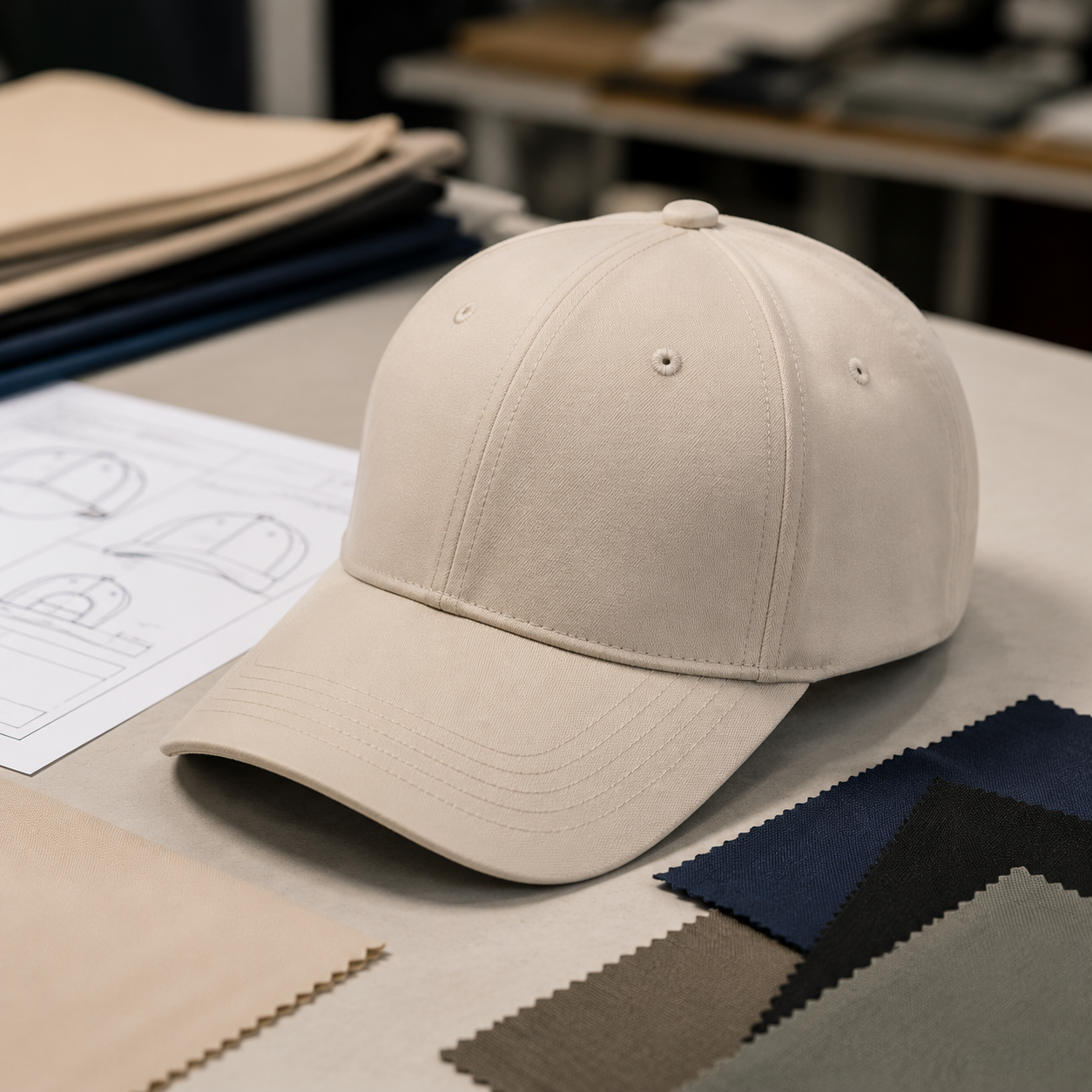
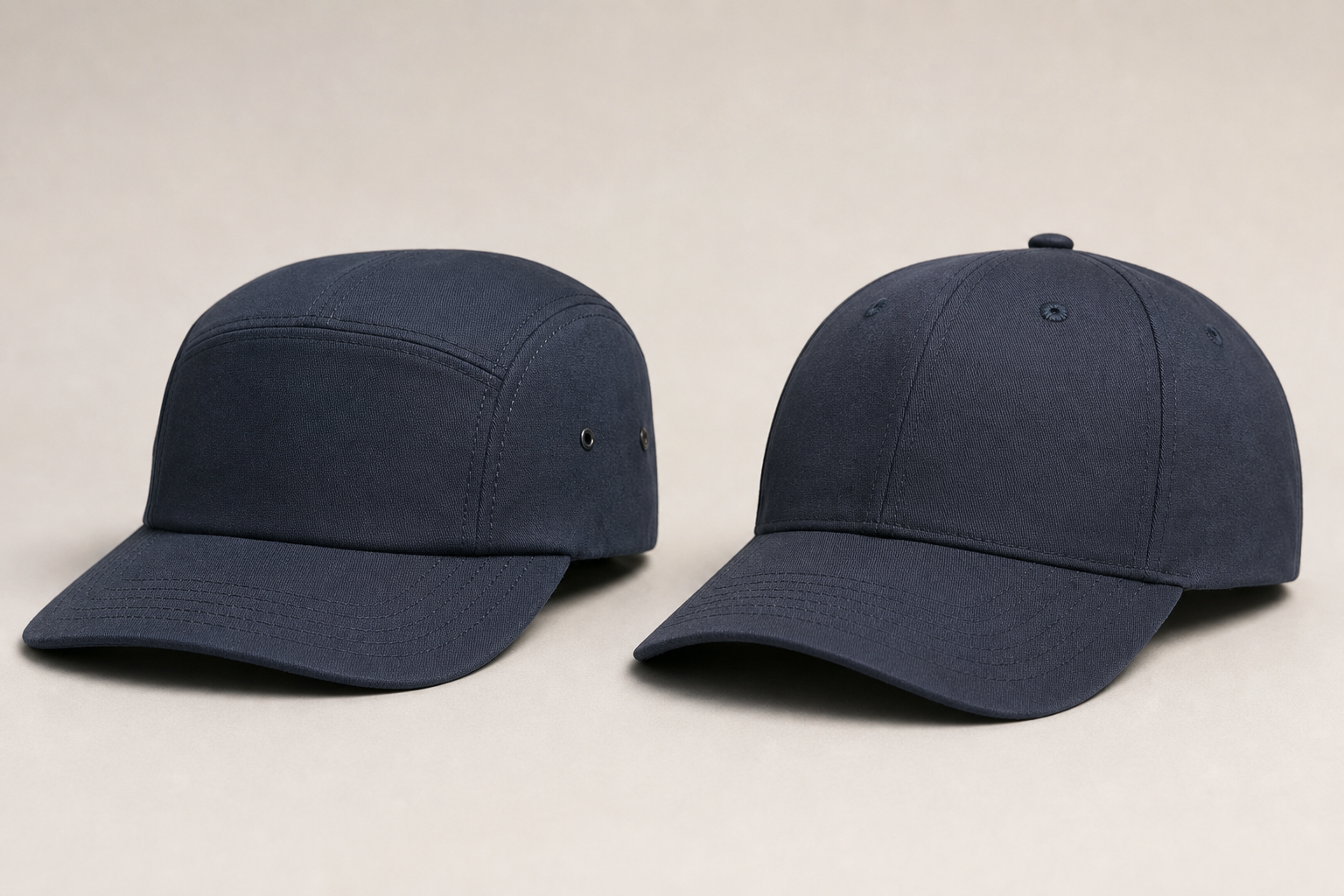
Many buyers start by comparing quotes from several factories and trading companies. That is useful, but it rarely reveals how well a supplier handles the details that matter in retail. A custom baseball cap manufacturer should understand front-panel support, visor shape, top-button finishing, closure quality, and how all of those affect the final branded product. If the supplier treats caps like a generic promo item, the result usually looks average and feels cheap in hand.
Private label buyers also need consistency. If your first launch sells through and you reorder two months later, the cap should look like the same product, not a close cousin. That is why manufacturer discipline matters more than an attractive opening quotation. The strongest factories build systems around specification control, not just production volume.
- They keep embroidery placement and density consistent.
- They help maintain color continuity across reorder runs.
- They understand branding details like woven labels, taping, and closure upgrades.
- They can support broader baseball cap programs instead of one-off random orders.
That becomes especially important when you are selling online, where product photos and customer reviews magnify every quality shortcut.
What private label buyers should specify before requesting a quote
Direct answer: Buyers should define fabric, crown structure, brim profile, closure type, decoration method, and packaging expectations before asking a manufacturer for a serious quotation.
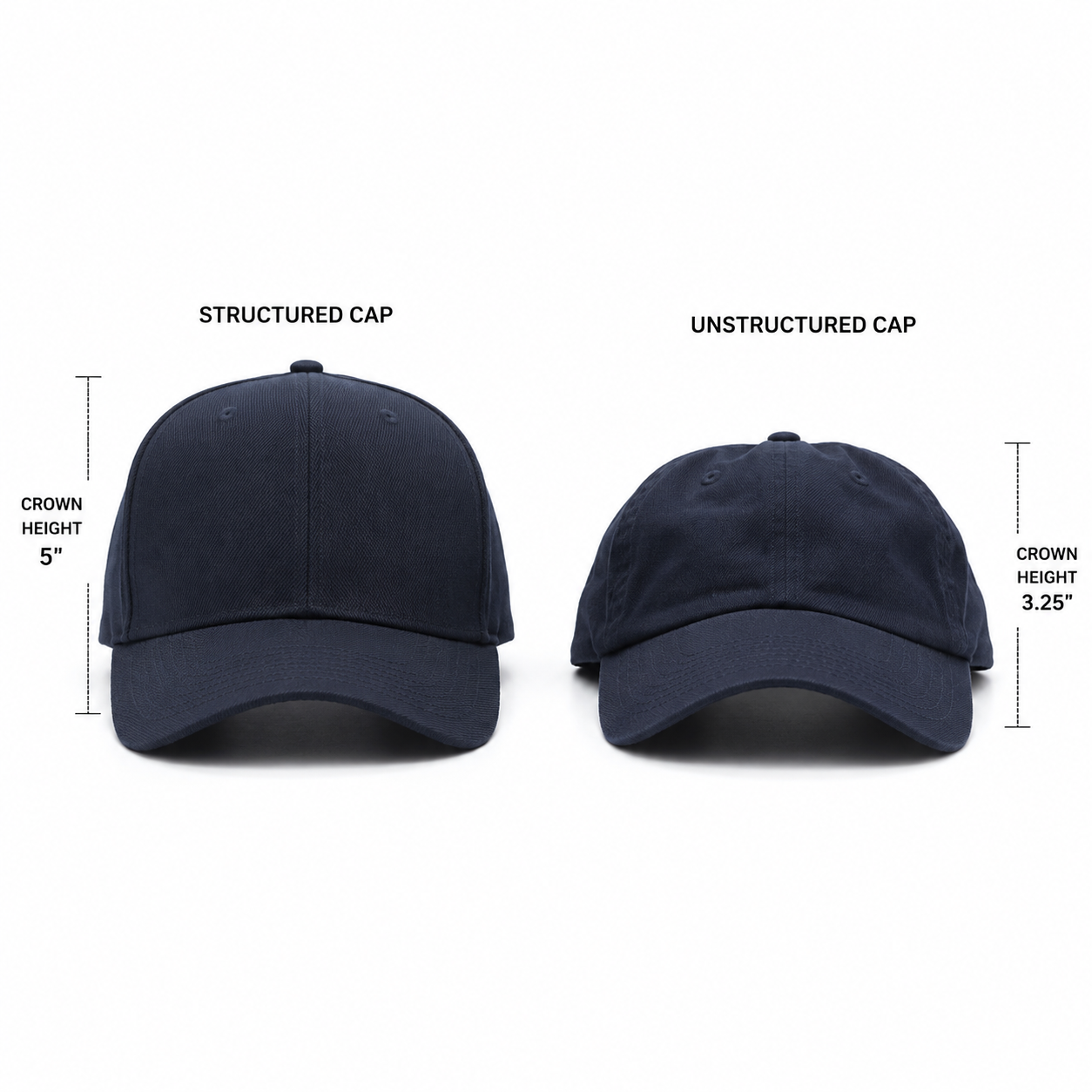
The phrase custom baseball cap manufacturer means very little if the brief is vague. One supplier may quote a soft unstructured cap, another may assume a stiff structured front, and a third may price the same silhouette with weaker fabric. The quotes look similar on paper, but the products will be completely different in use.
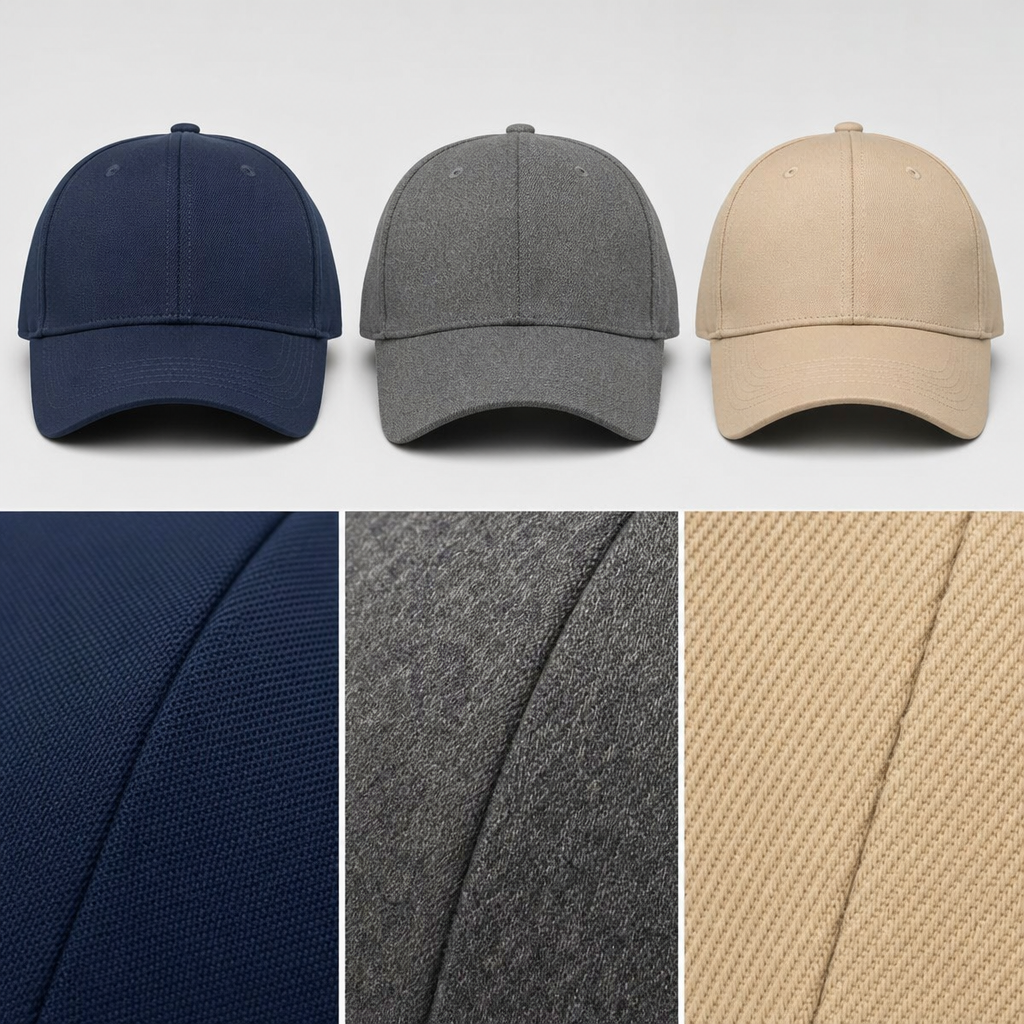
That is why buyers should lock the build before comparing numbers. A structured six-panel cap remains the safest option for strong logo presentation. Cotton twill is still the most flexible retail base, while washed canvas or performance polyester makes sense in more niche channels. Closures also shape the product position. Snapbacks feel casual and accessible, while metal buckles and fitted finishes support a more premium story.
| Build Area | Entry Retail | Private Label Core | Premium Upgrade |
|---|---|---|---|
| Fabric | Standard cotton twill | Brushed twill / canvas | Washed canvas / wool blend |
| Crown | Structured | Structured reinforced | Premium reinforced panels |
| Closure | Snapback | Metal buckle | Custom buckle / fitted |
| Branding | Flat embroidery | 3D embroidery + woven label | Tonal embroidery + custom trims |
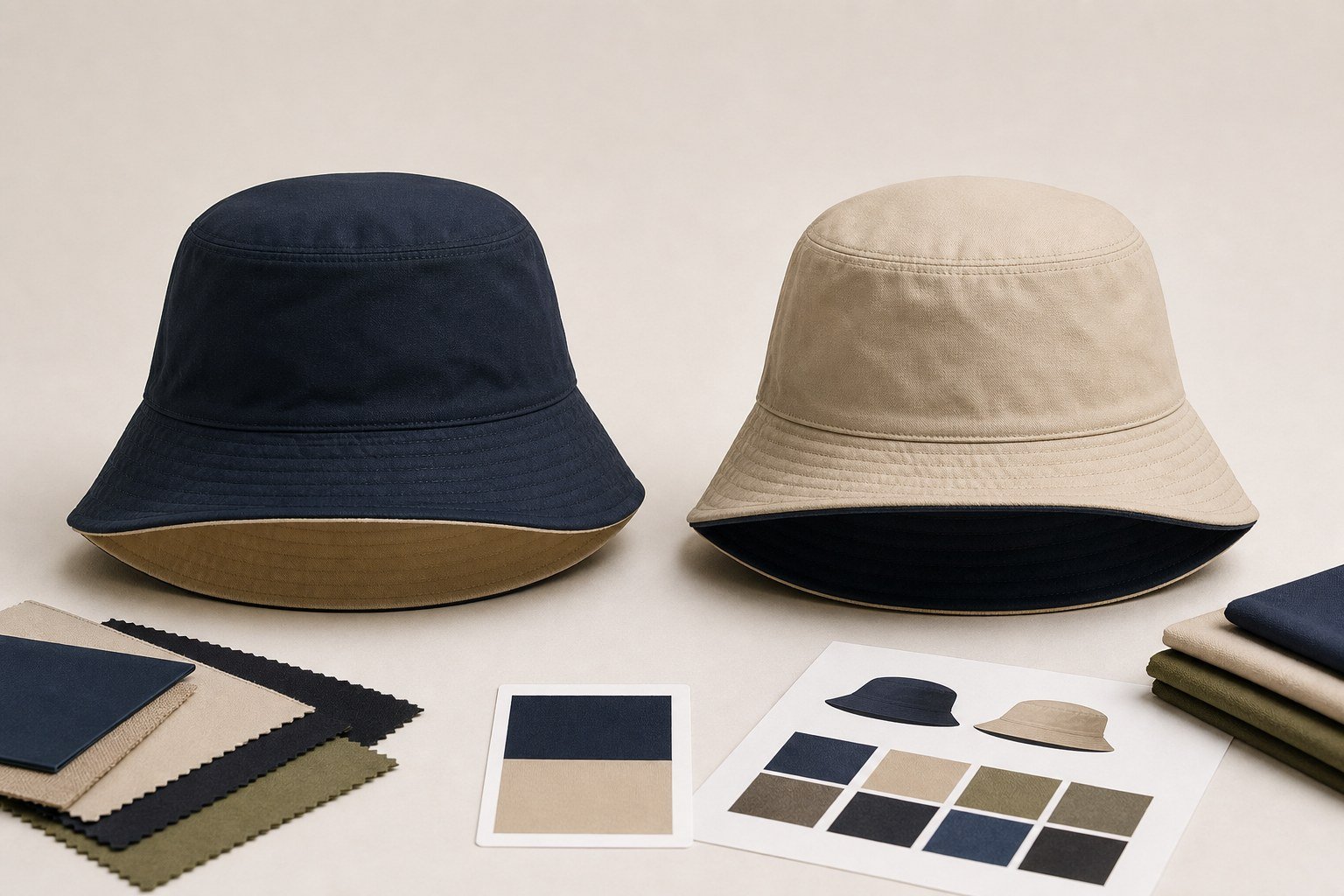
A clear spec sheet also makes it easier to compare your cap strategy against adjacent categories like bucket hats and your broader headwear assortment.
MOQ, margin logic, and why the cheapest factory often costs more
Direct answer: The cheapest factory often costs more because low-price offers usually hide weaker materials, lower embroidery standards, inconsistent QC, or slower problem solving after the order is placed.
MOQ for custom caps usually starts around 300 to 500 pieces per color for standard private label work, though details vary by material and trim complexity. The right MOQ is not simply the smallest one available. It is the quantity that lets you test the market without locking too much cash into unproven colors or speculative decoration ideas.
Margin should be calculated from the final retail context. A cap that lands at a slightly higher cost but looks better in product photography, feels better in hand, and earns better reviews may produce far more profit than a weak low-cost version. Experienced buyers usually price backward from the target retail position instead of treating the factory quote as the only important number.
- Set your intended retail price and margin target first.
- Add freight, duty, and packaging to the true landed cost.
- Limit first-run colors to proven commercial shades.
- Ask for decorated samples, not just blank references.
- Compare factories by defect risk as well as unit cost.
This is how mature private label programs reduce risk while keeping reorder potential open.
Quality control checkpoints every serious buyer should demand
Direct answer: Serious buyers should require fabric confirmation, pre-production approval, inline decoration checks, and pre-shipment inspection with written defect standards.
Custom baseball caps look simple, but the details that drive customer satisfaction are easy to get wrong. Front-panel stiffness can vary, embroidery can sit off-center, visor curves can shift from one carton to another, and closures can feel inconsistent if hardware sourcing changes. Those problems rarely show up in a single sales sample. They appear at scale.
That is why a good custom baseball cap manufacturer should welcome process checkpoints rather than resist them. Buyers should approve one real production-standard piece, not just a polished sample made specially for sales. They should also confirm where embroidery happens, whether the cap body is made in-house, and how defects are handled before shipment.
- Confirm fabric weight, color, and shrink behavior before cutting.
- Approve one production-standard cap with real decoration.
- Check logo alignment and stitch quality during production.
- Use AQL-style inspection before the shipment leaves the factory.
- Keep defect standards in the purchase order, not buried in chat.
These steps protect your launch and lower the chance of expensive customer dissatisfaction later.
How to judge a manufacturer for USA, EU, AU, and GCC programs
Direct answer: Judge a manufacturer by communication quality, production control, decoration capability, and realistic export support for your destination market.
China remains a strong sourcing base because buyers can access fabric, trims, embroidery, sewing, and packaging within one dense supply ecosystem. Guangdong is especially competitive for private label headwear because factories there can often move quickly from sample to production while handling mixed material and branding requirements.
Still, a polished catalog is not enough. Ask the supplier how they manage repeat orders, whether they outsource embroidery, and what happens if your closure hardware changes mid-project. Can they support both promotional and higher-margin private label work? Can they match branded packaging requirements? These answers show whether the supplier is actually a custom baseball cap manufacturer or just a reseller of standard blanks.
It also helps to ground your buying logic in export information from the U.S. International Trade Administration when planning shipments into structured Western retail markets.
Factory-direct vs intermediary: which model fits your cap program
Direct answer: Factory-direct works best for stable repeat programs, while intermediaries can help newer buyers simplify communication and mixed-category development.
Neither model is always wrong. If you are a first-time private label buyer building a small launch, an intermediary may help coordinate faster. But once your bestselling silhouette is proven, factory-direct sourcing usually gives better long-term control over price, specifications, and quality accountability. The right choice depends on your internal buying experience and how disciplined your product brief already is. baseball cap fit guide for retail buyers how to reduce size related returns and stock the right crown depths
- Factory-direct is stronger for repeat private label programs.
- Intermediaries can help with smaller mixed trial runs.
- Buyers should always confirm who owns production accountability.
- Clear specs matter more than the sourcing model alone.
Final checklist before choosing a custom baseball cap manufacturer
- Lock fabric, crown, visor, and closure details before comparing quotes.
- Approve decorated samples with real branding, not mockups.
- Compare landed cost, not only ex-factory price.
- Route buyers naturally through baseball caps, contact, bucket hats, and home.
- Choose the partner that can repeat quality, not just promise speed.
Need a private label cap quote with realistic MOQ and decoration guidance? Contact Hongyue Cap for direct factory support from Guangdong, China.
External Quality Reference for Buyers
For additional sourcing discipline, buyers can compare supplier claims against public trade and textile references such as the International Trade Administration and textile testing resources from ASTM International before locking specifications for bulk orders.
Written by the Hongyuecap Product Team — 10+ years in B2B custom headwear manufacturing. Last updated: May 03, 2026.