Custom Baseball Cap Manufacturer for USA Brands: What Wholesale Buyers Should Check in 2026
Custom Baseball Cap Manufacturer for USA Brands: What Wholesale Buyers Should Check in 2026
Buyers usually lose money on custom cap programs when they compare quotes too early and specifications too late. A strong custom baseball cap manufacturer should be judged on consistency, trim control, communication speed, and whether the finished cap will actually sell through in your market.
If you are sourcing from a custom baseball cap manufacturer in 2026, the safest path is to evaluate the supplier the same way you would evaluate a product line: fit, material, decoration, MOQ, lead time, and after-sale reliability. For USA brands, that means moving beyond catalog photos and checking how the manufacturer handles real export work from Guangdong, China to North America, Europe, Australia, and GCC retail channels.
Wholesale buyers often start with price because it feels objective. The problem is that cap programs fail more often because of hidden quality variables than because of obvious quotation gaps. A hat that arrives with weak crown structure, uneven embroidery, or inconsistent closure hardware may be a little cheaper on paper, but it costs more once returns, slow inventory, and lost launch timing are considered.
That is why this guide focuses on the practical evaluation points that matter before you place a bulk order. If your team is also comparing broader categories, you can review our baseball cap manufacturing overview, browse the full headwear product range, and map your project requirements before moving to formal sampling.
How to evaluate a custom baseball cap manufacturer before requesting a bulk quote
Direct answer: evaluate a manufacturer by checking whether they can keep material, fit, decoration, and production communication stable across the full order cycle, not just during sample approval.
The first conversation should tell you whether the factory understands your market or is simply repeating standard sales language. Good suppliers ask about your target retail price, decoration method, sales channel, target customer, and climate use case. Weak suppliers ask only for logo files and quantity. That difference matters because the right specification sheet depends on where and how the cap will be sold.
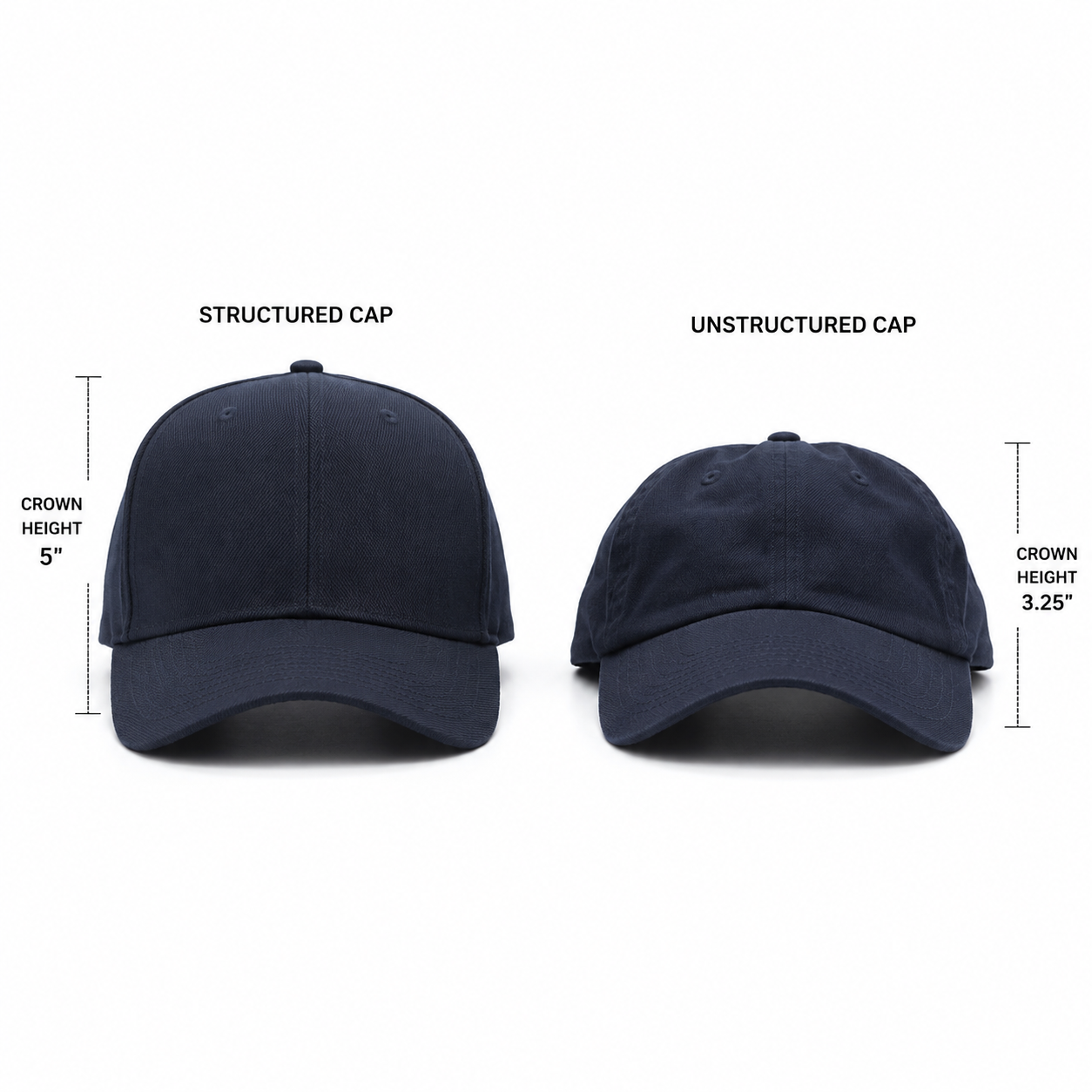
For example, a cap designed for corporate promotion in the USA has different priorities from a cap designed for lifestyle retail in Europe or for tourism programs in Australia. Crown height, fabric handfeel, sweatband quality, and closure choice all shift depending on the channel. The more clearly a manufacturer can discuss those tradeoffs, the more likely the program will work in production.
Check whether the supplier asks about end market and retail position.
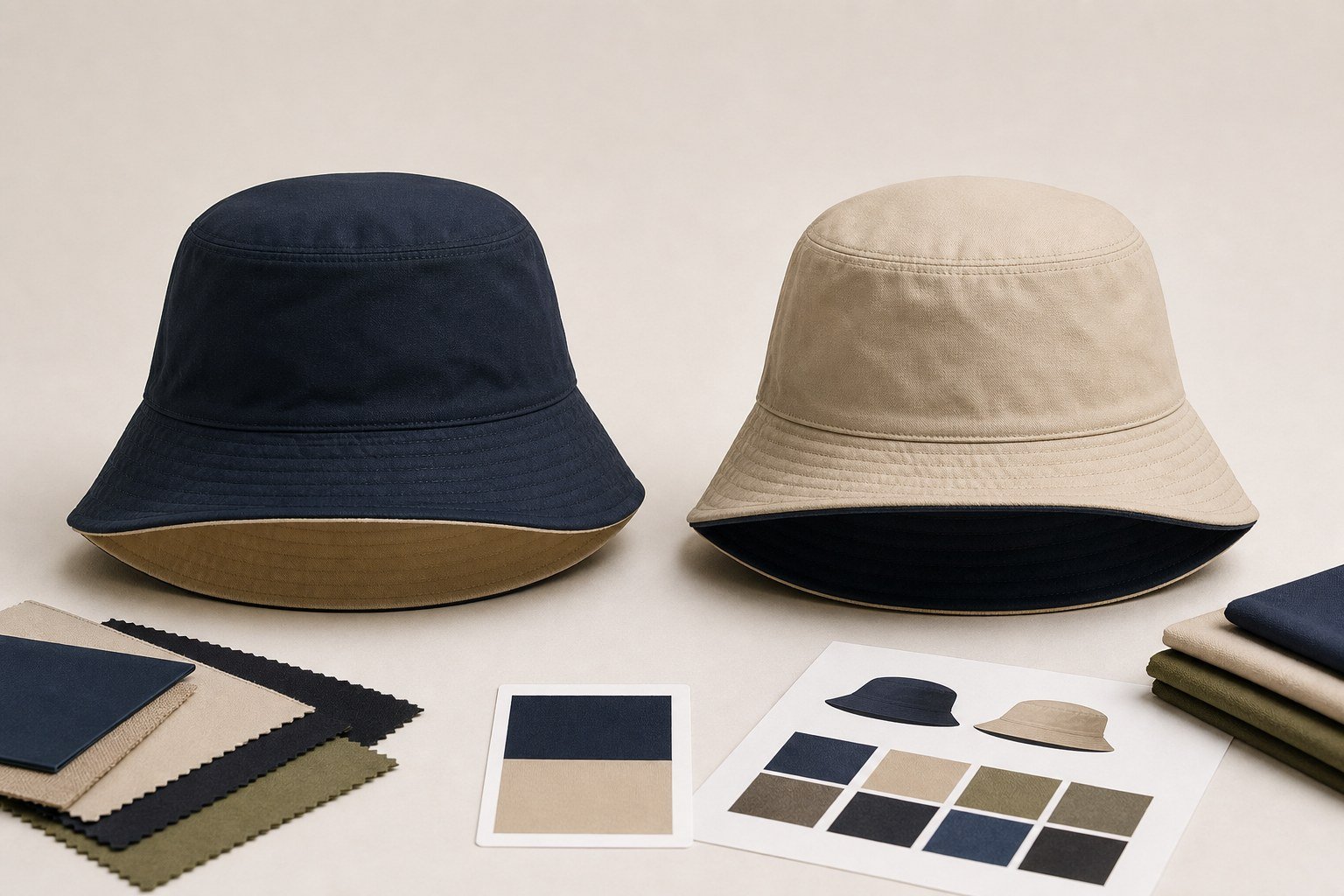
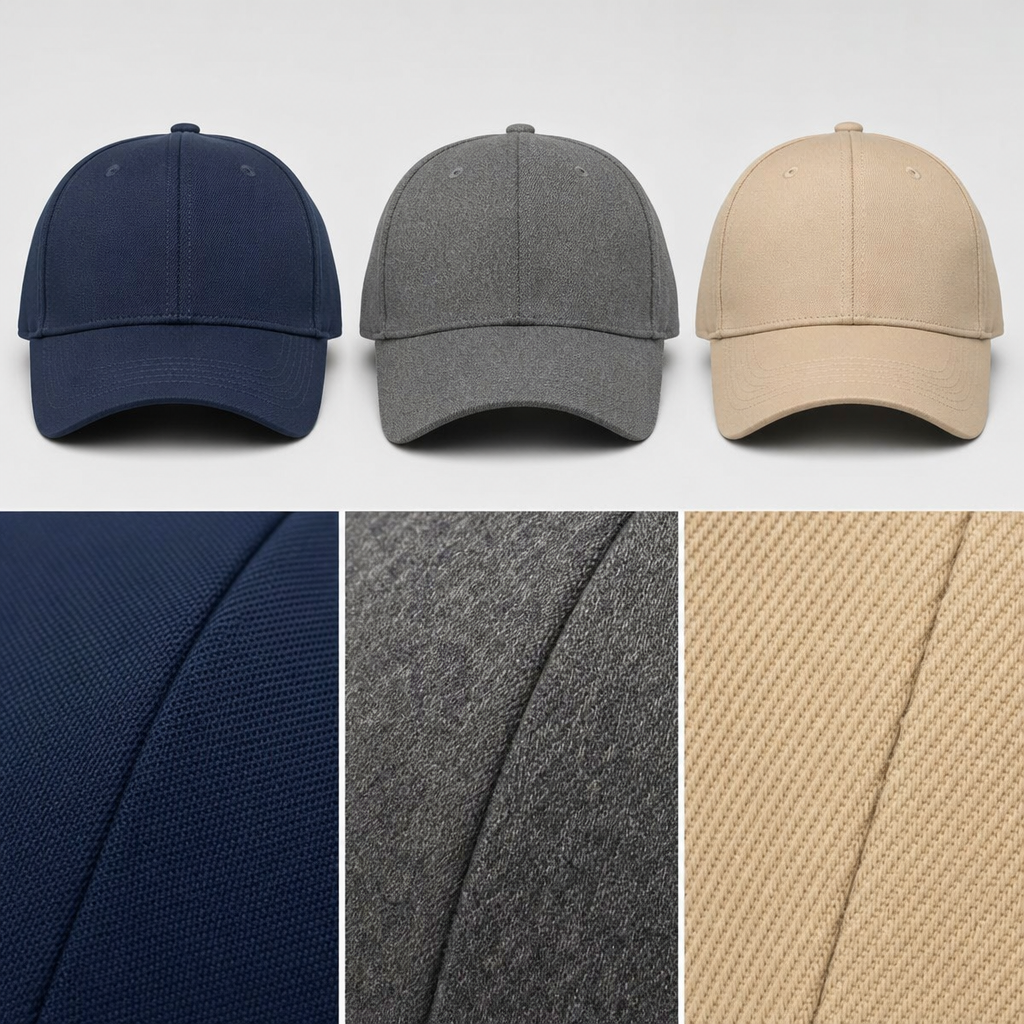
Ask for physical samples showing more than one fabric and construction option.
Request clear production timing for sampling, PP sample approval, and mass production.
Confirm how logo digitizing, patch application, or print placement is reviewed.
Verify if the supplier has regular export experience to the USA and EU.
In practical terms, you are not just buying a hat. You are buying process reliability. The best manufacturer is the one that reduces commercial risk while keeping your visual and cost goals realistic.
What USA private label brands should ask about MOQ, lead time, and sampling
Direct answer: ask for the real MOQ by style, color, and logo method, plus separate timelines for development sample, pre-production sample, and final bulk shipment.
Many first-time buyers hear one MOQ number and assume that is the full story. In reality, MOQs are usually affected by fabric choice, closure hardware, logo application, and packaging detail. A supplier may accept a lower MOQ for stock colors but require more units for custom-dyed fabric, special tape, woven labels, or branded inserts.
Lead time is equally important. If a factory quotes one attractive number without separating sample phase and production phase, that number may not be dependable. The better way to buy is to map each step. Development sample might take one to two weeks, PP sample another week, and mass production three to five weeks depending on season and trim availability. Export transit then adds another time layer.
Checkpoint
What to Ask
Why It Matters
MOQ
MOQ by color, style, and logo method
Prevents hidden quantity surprises
Sampling
Timeline for development and PP samples
Protects launch schedule
Production
Mass production days after approval
Helps inventory planning
Shipping
EXW, FOB, or DDP options
Clarifies landed cost
QC
Inline and final inspection checkpoints
Reduces claim disputes
A strong factory will answer these questions directly and in writing. A weak one will stay vague and hope the buyer only notices the final quote. That is usually where custom projects go wrong.
Which construction details affect cap quality the most
Direct answer: the most important quality variables are crown structure, brim shape, sweatband comfort, fabric weight, and the way the logo interacts with the front panel.
Many wholesale buyers talk about “quality” as if it were one thing. It is not. Cap quality is a stack of small decisions. A front panel may be too soft for dense embroidery. A brim may look fine in photos but warp slightly in storage. A closure may feel cheap compared with the retail price point. A sweatband may absorb poorly and reduce repeat wear. Those details drive customer perception faster than general marketing copy ever will.
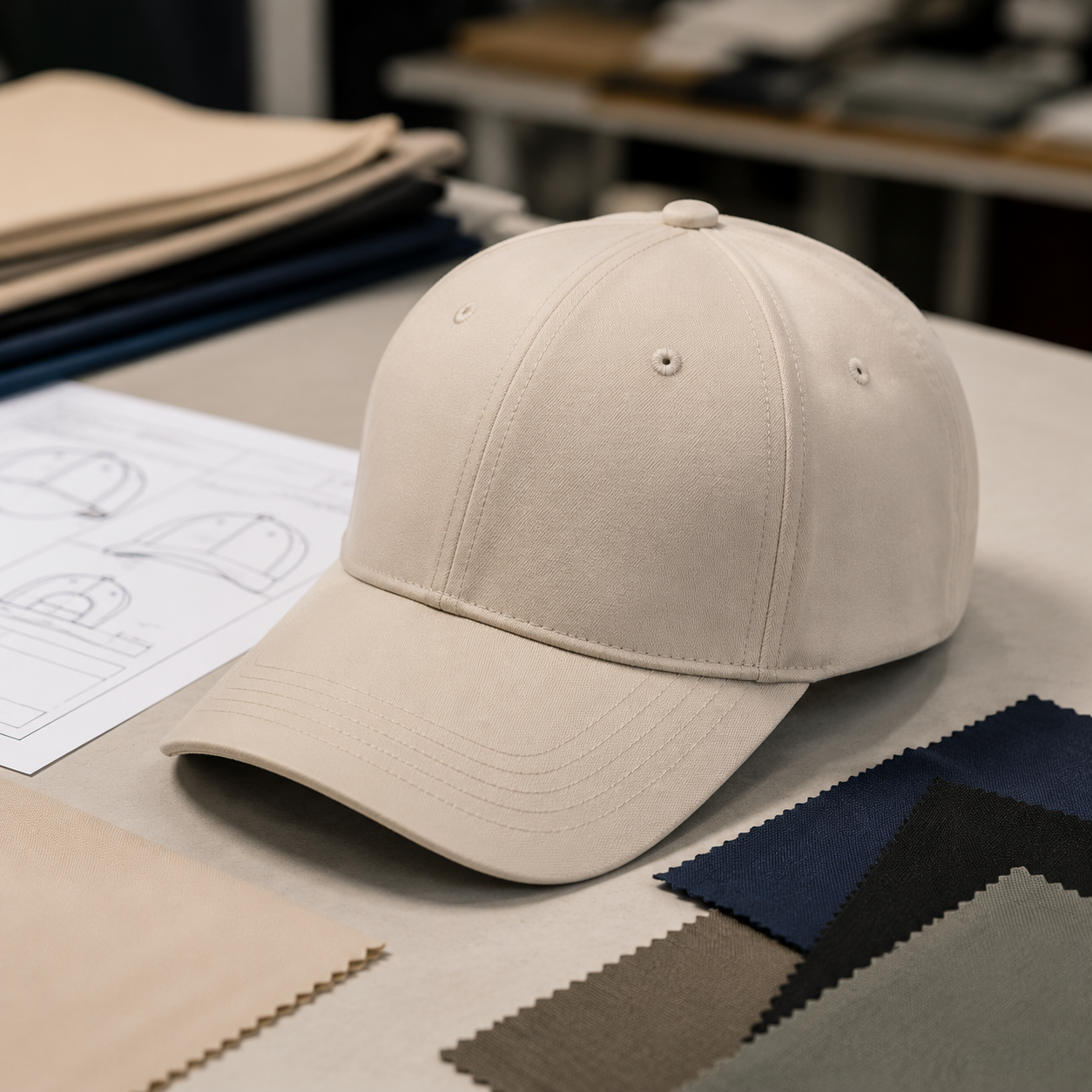
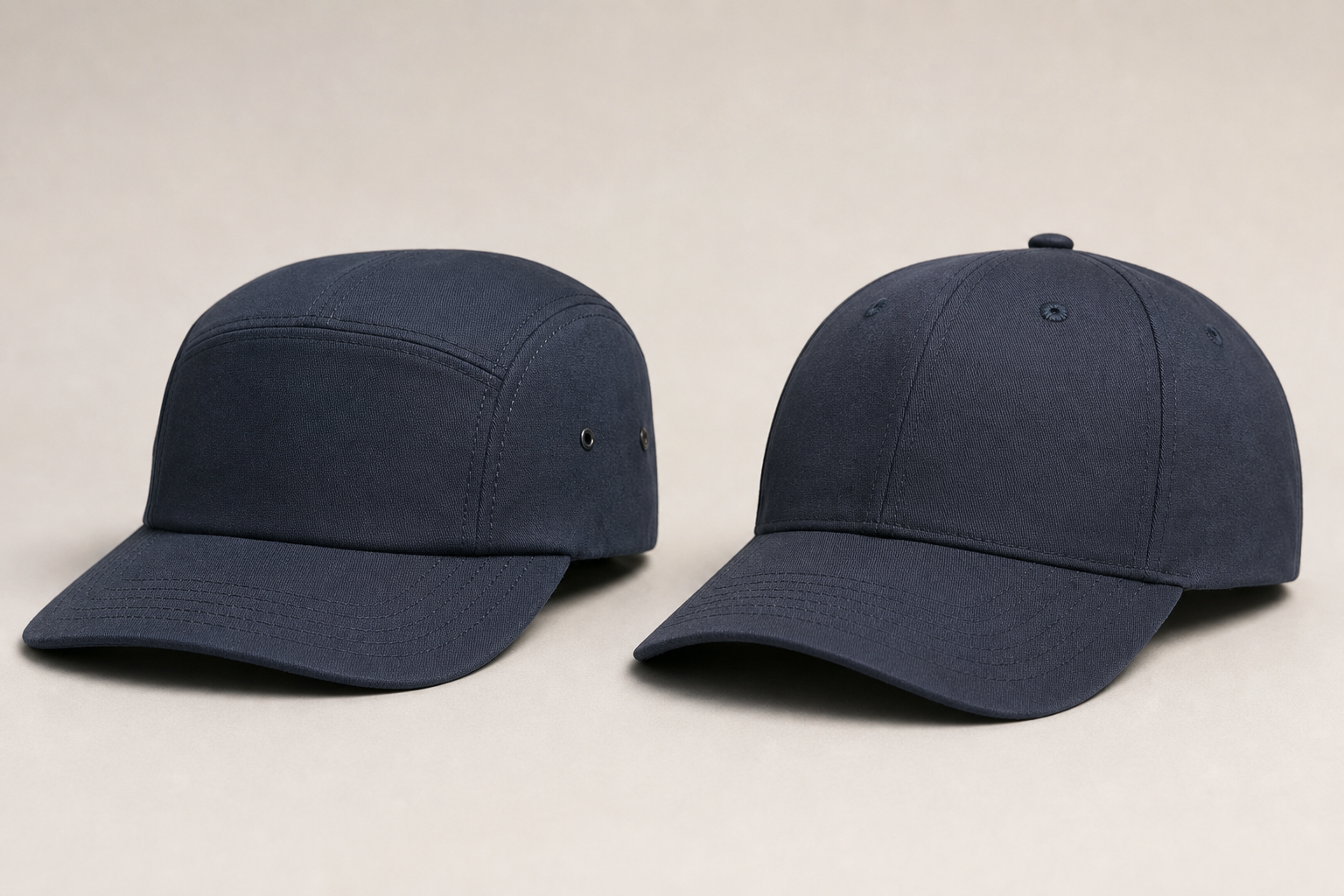
Structured 6-panel caps are often the safest option for sharp embroidery and cleaner visual presentation. Unstructured caps can feel more premium in fashion channels, but they require careful control of fabric and finishing. Cotton twill remains a dependable base for classic retail programs, while performance polyester or recycled blends work better when moisture management and lighter weight are required.
Match front panel structure to the decoration method.
Confirm brim curvature and insert stiffness before PP approval.
Check sweatband softness for all-day wear.
Review closure hardware for both function and visual finish.
Ask how color consistency is controlled between batches.
These are simple checks, but together they determine whether the finished cap feels private-label ready or merely promotional. If you want to compare cap construction pathways, our baseball cap page gives a useful starting framework for style selection.
How to compare decoration methods for retail and promotional programs
Direct answer: choose decoration based on logo complexity, price target, and how premium the final cap needs to feel at retail.
Embroidery still works best for most baseball cap projects because it is durable, familiar, and commercially safe. But not every logo is right for direct embroidery. Fine lines, gradients, and tiny characters may require a woven patch, printed patch, or transfer approach. If the supplier recommends embroidery for a logo that clearly needs another method, that is a warning sign.
Retail and promotional channels also use decoration differently. Promotional programs usually prioritize clarity, cost control, and logo recognition. Retail programs may want softer branding, tonal embroidery, special patches, or subtler trim integration. The right manufacturer should be able to explain these differences rather than pushing one generic method for every job.
Direct embroidery for core logos and long-term durability.
Woven patch for fine detail and cleaner edge definition.
Leather or PU patch for outdoor and heritage aesthetics.
Printed patch for complex color art with low distortion risk.
Because decoration influences both cost and sell-through, it should be reviewed together with fabric and panel structure, not as an afterthought.
Why Guangdong, China remains important for global cap sourcing in 2026
Direct answer: Guangdong remains important because buyers can still find strong manufacturing density, trim access, export experience, and practical customization support in one region.
There are many sourcing regions in Asia, but Guangdong still offers advantages for buyers who need flexibility and speed. Material sourcing, patch supply, embroidery support, and export coordination are easier when the manufacturing ecosystem is dense. For USA and EU buyers, that often means fewer communication gaps and better options when changes are needed during development.
Regional context also matters for seasonality. Buyers shipping into North America, Europe, Australia, or GCC markets frequently need different fabric weights, color stories, and timing windows. A supplier with export experience to multiple regions can usually advise more accurately on practical specifications, rather than simply offering standard domestic patterns.
For example, lighter performance caps may work better for southern USA and Australia programs, while washed cotton and neutral tones may perform better in select EU retail channels. A good manufacturer should help align product details with destination market behavior.
If you want to discuss those channel differences in more detail, you can contact our team for a project review and compare how different materials and trims affect your final landed cost.
Final wholesale checklist before choosing a custom baseball cap manufacturer
Direct answer: before placing the order, confirm the supplier can deliver the right cap, at the right consistency, with the right commercial support for your market.
The safest buyers are not the ones who ask the most questions. They are the ones who ask the right questions in the right order. Start with end market, then move to style, construction, decoration, MOQ, and lead time. Finally, confirm quality control and export handling. This sequence prevents expensive surprises.
Verify title sample, PP sample, and bulk standard are aligned.
Confirm material, closure, packaging, and logo method in writing.
Request realistic production and shipping windows, not optimistic estimates.
Check whether the supplier understands USA compliance and retail expectations.
Make sure the finished cap supports your sell-through goal, not just your quote target.
Need help building a cap range for USA retail, private label, or promotional sales? We support buyers across Guangdong, China manufacturing with practical development guidance, faster communication, and export-ready production support. Explore our baseball cap solutions, review the broader Hongyuecap collection, or send us your project brief to get a more workable wholesale plan.
External Quality Reference for Buyers
For additional sourcing discipline, buyers can compare supplier claims against public trade and textile references such as the International Trade Administration and textile testing resources from ASTM International before locking specifications for bulk orders.
Written by the Hongyuecap Product Team — 10+ years in B2B custom headwear manufacturing. Last updated: May 03, 2026.