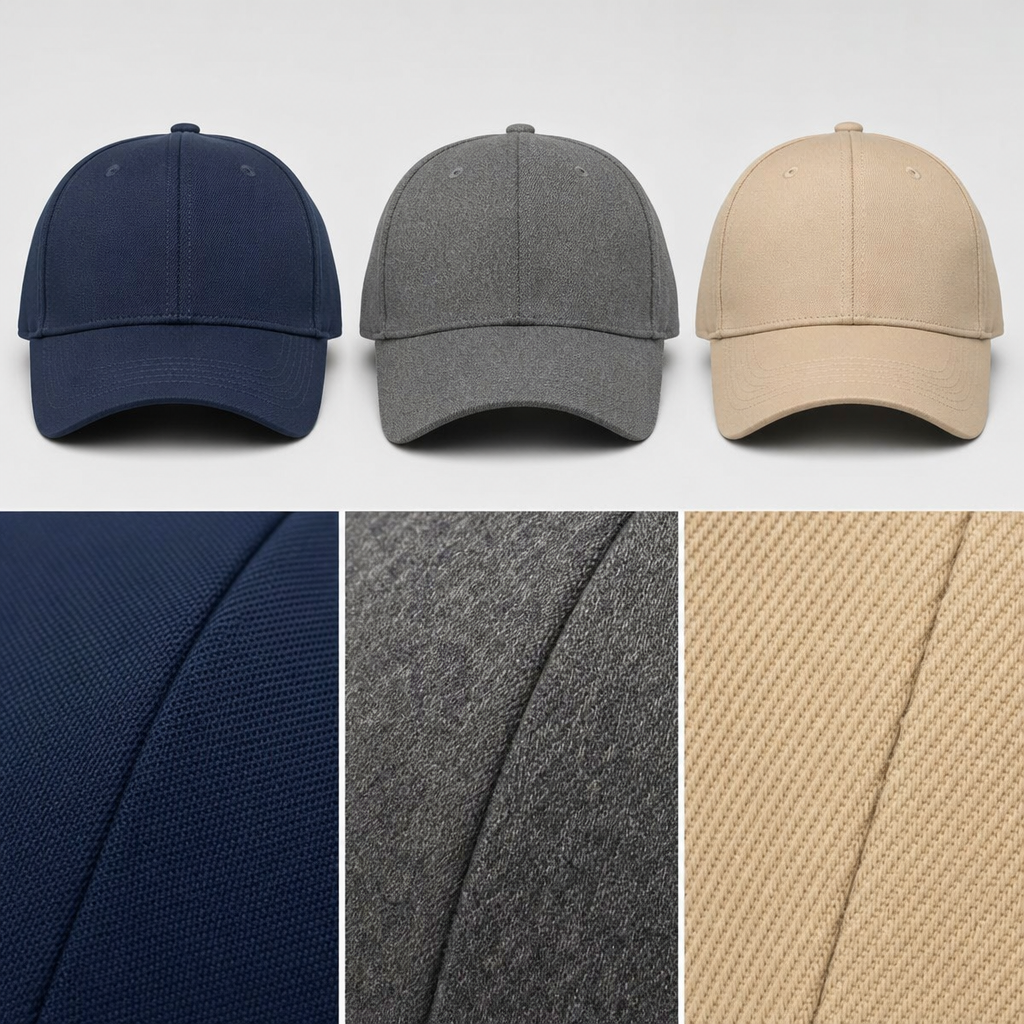

Baseball Cap Wholesale Quality: 7 Red Flags That Cost Bulk Buyers Thousands (2026)
You can negotiate a lower unit price on a custom baseball cap order and still lose money.
That sounds backward, but wholesale buyers see it every season: the sample looks great, the quote looks competitive, and then the production batch arrives with crooked embroidery, inconsistent panel shape, weak closures, or fabric that feels noticeably cheaper than the approved sample. By the time those issues show up, you have already paid in time, freight, and customer trust.
This guide breaks down the seven most expensive quality red flags in baseball cap wholesale, why they happen, and how buyers can catch them before mass production turns a small oversight into a large loss.
According to the ISO sampling framework behind AQL inspection, consistent quality control depends on measurable checkpoints, not visual assumptions. In other words: if a supplier cannot define how quality is checked, quality is mostly luck.
1. Uneven Stitching Around High-Stress Seams
The first red flag is inconsistent stitching tension around the front panels, side seams, visor attachment, and sweatband line. On a display table, the cap may still look acceptable. But after shipping compression or a few weeks of wear, weak seams begin to ripple, separate, or distort the crown shape.
For wholesale buyers, this matters because seam defects multiply fast in production runs. A defect rate of just 8% on a 5,000-piece order means 400 questionable caps. That is enough to trigger retailer complaints, markdown pressure, or partial rejection.
Ask for macro photos of the front seam, visor seam, and inner sweatband seam from pre-shipment inspection. Also ask whether the factory checks SPI (stitches per inch) consistency by line or only does visual spot checks.
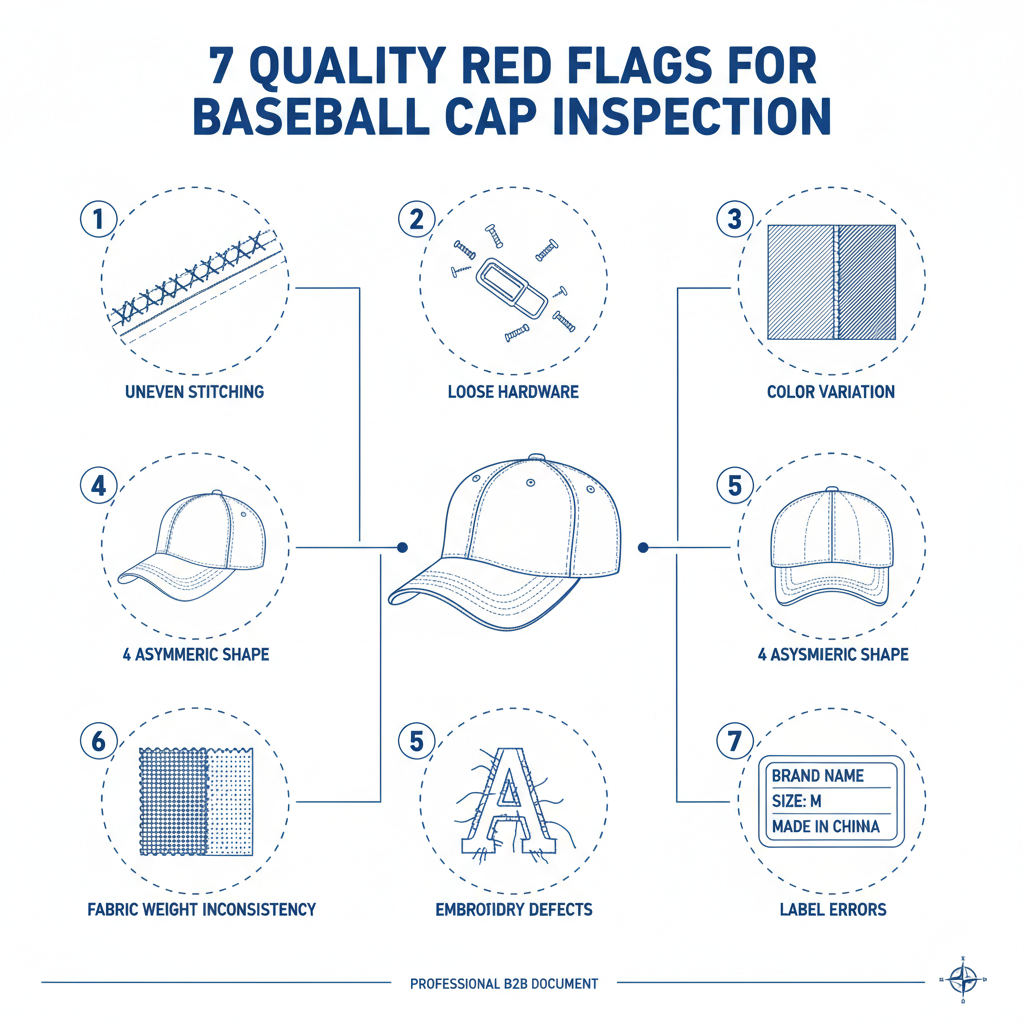
2. Embroidery That Looks Good on Samples but Fails in Bulk
Embroidery is one of the easiest areas to fake in samples. A supplier may run a slow, carefully adjusted sample on one machine and then push bulk production through faster heads with inconsistent tension, backing, or digitizing settings. The result is puckering, loose threads, poor edge definition, and logos that do not sit correctly on curved front panels.
That creates two problems: visual inconsistency and brand damage. If your customer sees the logo first, and the logo looks cheap, the whole product feels cheap.
Ask for the approved embroidery file, stitch density confirmation, and close-up photos from random bulk units—not just from the salesman sample. If the logo is complex, require a bulk embroidery standard with tolerance notes.
3. Crown Shape Drift Between Approved Sample and Production
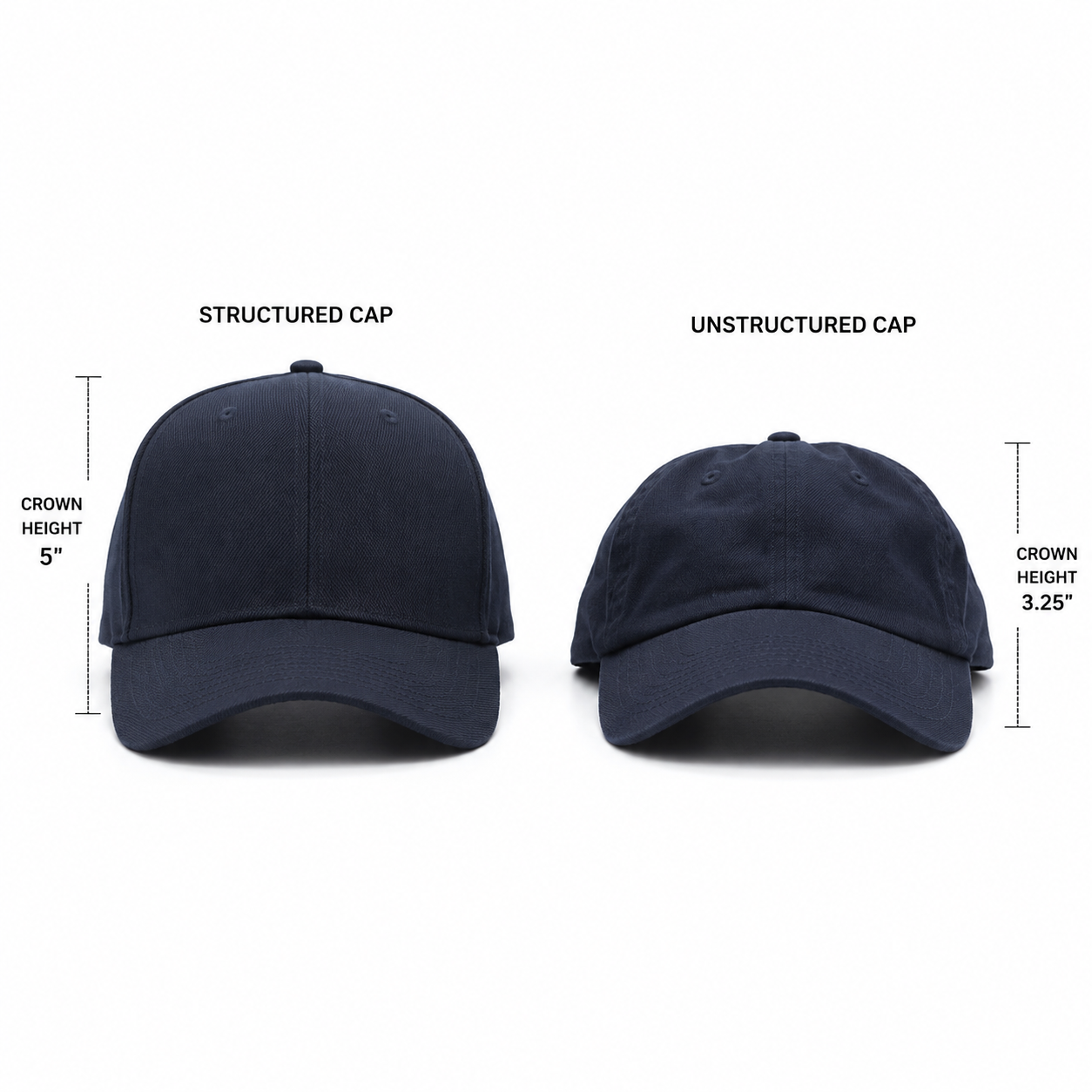
A baseball cap can technically match the requested color and logo while still being the wrong cap. This happens when front panel stiffness, buckram type, panel height, or blocking process changes between sample and bulk run. One batch feels structured and premium; the next feels softer, flatter, or asymmetrical.
This is especially dangerous in repeat orders. Buyers think they are reordering the same SKU, but a hidden material substitution changes the look enough to create customer confusion.
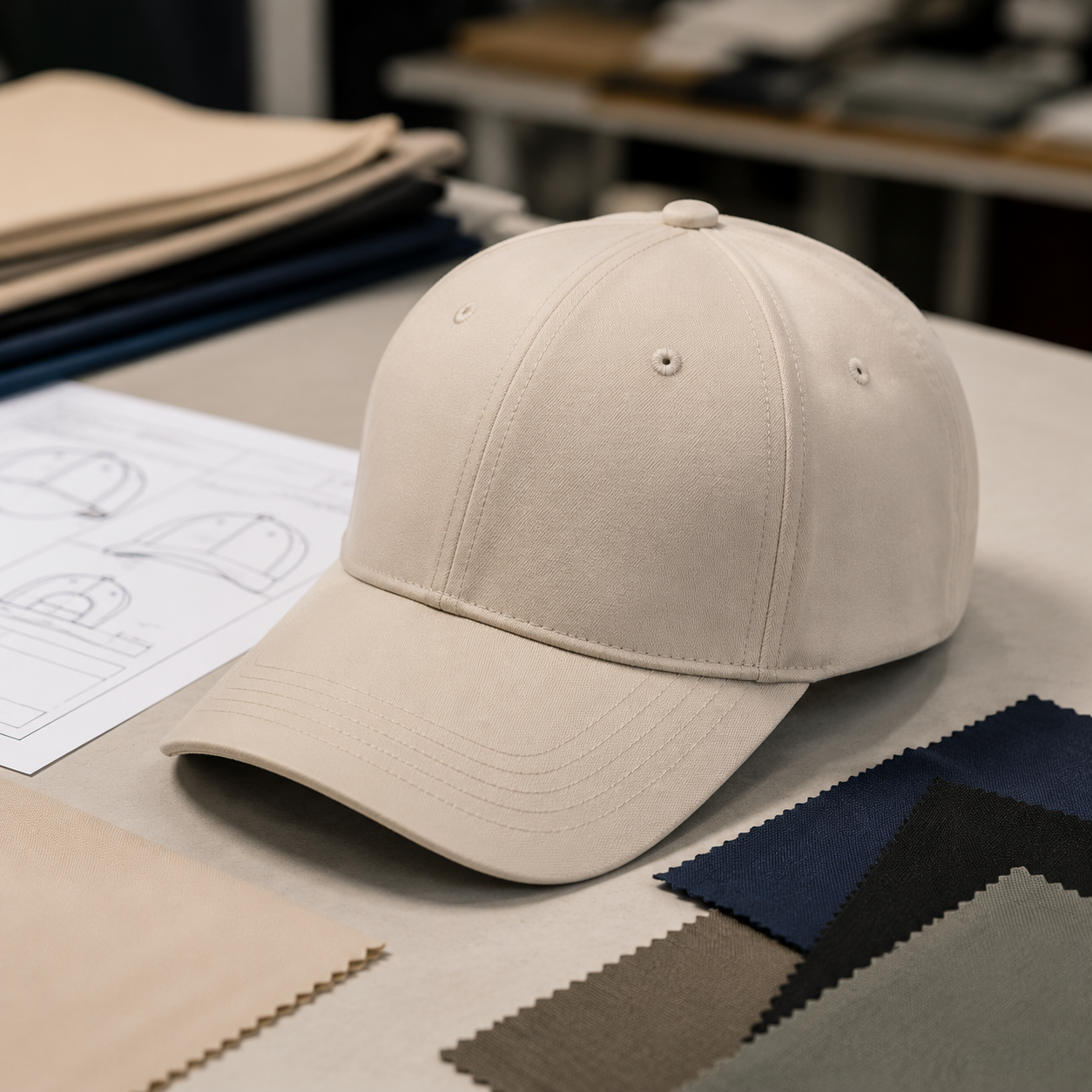
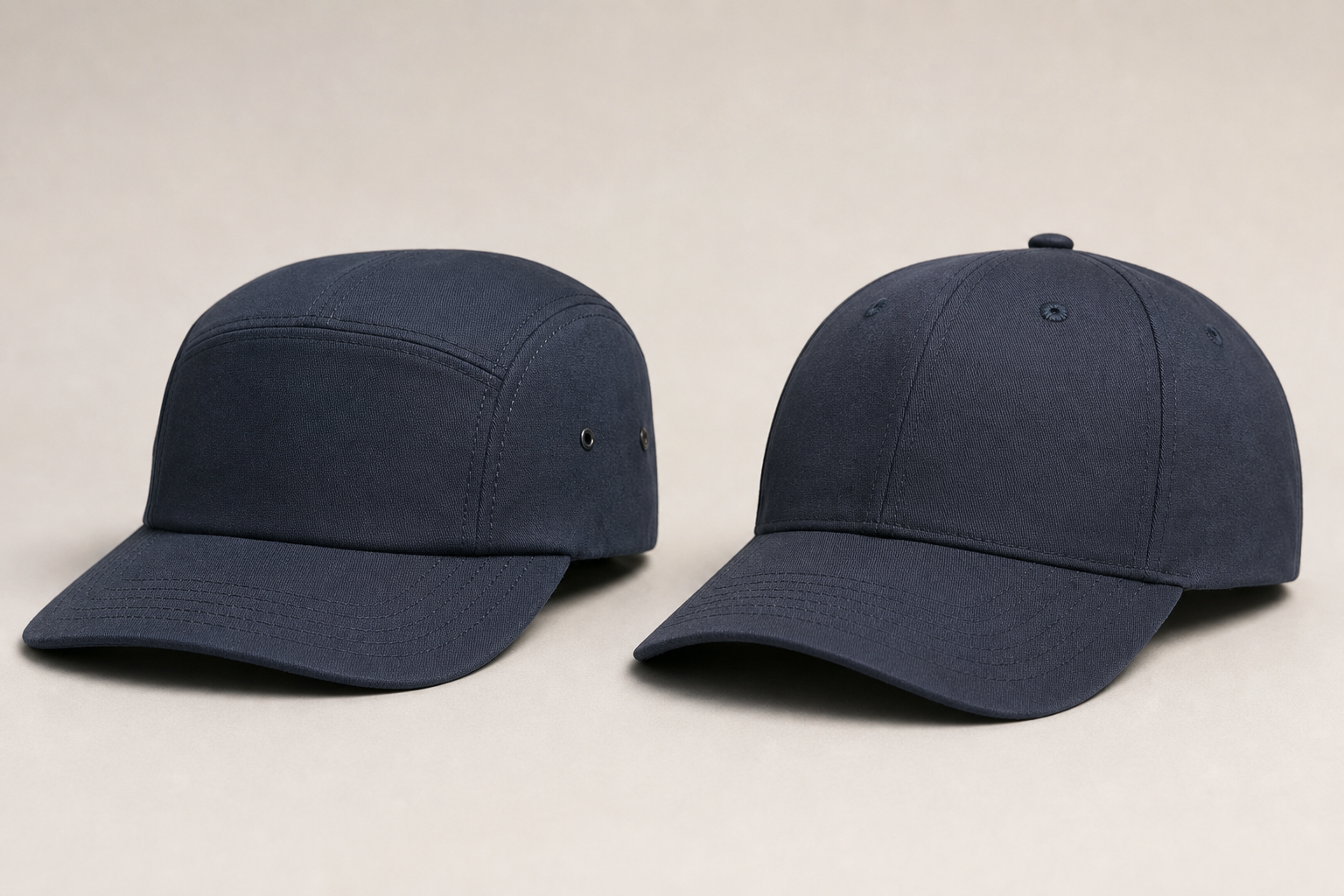
To avoid this, define crown style in writing: structured vs unstructured, profile height, panel count, visor curve, and closure type. The safest move is to keep a golden sample and compare bulk photos against that sample, not against memory.
4. Fabric Weight Inconsistency
Fabric substitutions are one of the oldest tricks in low-trust sourcing. A supplier may quote using one cotton twill or polyester blend, but switch to a lighter or lower-grade fabric when trying to protect margin. Most buyers only notice after they touch both versions side by side.
That difference matters because lighter, cheaper fabric changes drape, durability, and color hold. It can also change the way embroidery behaves on the front panels.
Specify fabric composition and target GSM in the PO. If the cap matters to a retail program or branded campaign, require fabric confirmation from the actual production lot. For buyers building a long-term program, this single step prevents a lot of expensive arguments later.
5. Closure Hardware That Fails Under Normal Use
Buyers often focus on front-facing details and ignore the closure. That is a mistake. Snapbacks crack. Metal buckles rust. Velcro loses grip. Plastic adjusters break under repeated tension. When this happens, returns go up because customers treat closure failure as a product failure, not a small component issue.
The fastest way to reduce this risk is to treat hardware like a spec item, not an afterthought. Define closure material, expected tension strength, plating quality for metal parts, and test requirements if the order is large enough.
If the cap is intended for outdoor retail, fishing, sports, or resort markets, hardware quality becomes even more important. Salt, sweat, and humidity expose weak components quickly.
6. Color Variation Between Batches
Color inconsistency is a quiet margin killer. One production lot may look fine on its own, but when combined with earlier inventory, the mismatch becomes obvious. That is how reorders create customer complaints even when the factory says the order is technically correct.
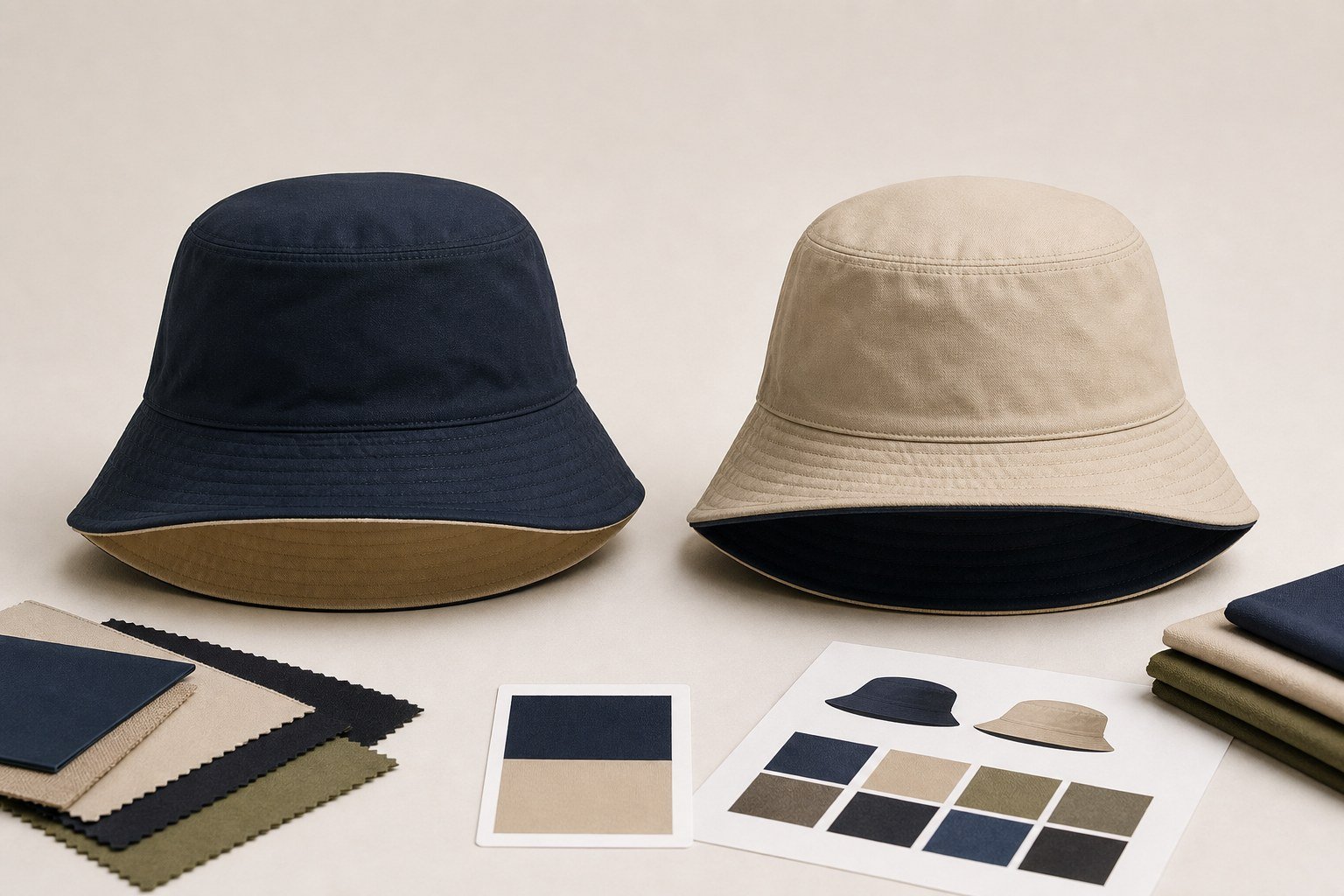
The fix is simple but often skipped: lock the color standard using a Pantone reference, approved swatch, or physical sample, and state acceptable tolerance before production starts. If your supplier cannot confirm how dye lot variation is controlled, assume there is no meaningful control.
For brand programs and uniform projects, batch consistency matters as much as initial quality. Retail buyers care about continuity, not just individual shipment pass rates.
7. Labeling and Packing Errors That Delay Sell-Through
Some wholesale buyers only discover the real cost of bad factories after the caps are technically finished. Wrong size labels, missing country-of-origin tags, wrong carton assortments, or mixed color packing do not always show up in the product itself—but they slow warehouse processing and create avoidable confusion on arrival.
That is why smart buyers review final packing method, assortment sheet, carton mark format, and label placement before shipment. An operational error can be just as expensive as a sewing error when you sell into distribution or chain retail.
How to Protect Your Next Baseball Cap Order
The practical answer is not to become paranoid. It is to become specific.
- Approve a golden sample and keep it as the production reference.
- Define fabric, crown, visor, embroidery, closure, and labeling specs in writing.
- Use pre-shipment inspection with photo evidence from random bulk units.
- Check both workmanship and packing, not just finished appearance.
- Build a supplier scorecard so repeat orders are reviewed on data, not memory.
For broader sourcing planning, buyers can also compare headwear inspection logic with general apparel QC frameworks published by organizations such as QIMA’s AQL inspection guide.
Final Take
In baseball cap wholesale, the expensive mistakes are rarely dramatic. They are small quality drifts repeated hundreds of times. The best buyers do not just ask for a better price. They ask better questions, define tighter standards, and verify before shipment.
If you are sourcing structured caps, promotional caps, sports caps, or retail-ready custom baseball caps, the safest next step is to work from a written quality checklist and compare every run against an approved sample. That is how you protect both margin and trust.
Need a factory-side review before your next baseball cap order? See our baseball cap manufacturing capabilities or contact Hongyuecap for a quote and QC checklist. For a deeper breakdown, see our baseball cap wholesale sourcing guide.
Related Headwear Resources
Also see: Hat Factory China Vetting Checklist: 10-Point Quality Audit for Wholesale Buyers
See our guide on baseball cap logo placement guide for more details.
Need Samples or a Factory Quote?
See our baseball cap manufacturing capabilities or contact Hongyuecap for a quote and QC checklist.
Related: For artwork specs and placement standards, see our baseball cap logo placement wholesale guide with pre-production approval workflow.
Written by the Hongyuecap Product Team — 10+ years in B2B custom headwear manufacturing. Last updated: May 03, 2026.