Guía de abastecimiento de sombreros de paja artesanales: 6 criterios de calidad de las fibras naturales para compradores de boutiques (2026)
Handwoven artisan sombrero de pajas continue to hold a premium place in summer retail because they offer something industrial headwear often cannot: texture, natural variation, and visible craftsmanship. But for retailers and sourcing teams, that same appeal creates risk when the material story is vague or the weave quality is misunderstood. In 2026, the best straw hat programs balance handcrafted aesthetics with clear retail positioning for the USA, EU, Australia, and resort-heavy GCC markets.

The most expensive mistake in straw hats is assuming every “natural-looking” hat is equivalent. Material truth, weave density, and brim stability change both the customer experience and the profit margin.
Why artisan straw hats still matter in a seasonal retail mix
Respuesta directa: Artisan straw hats matter because they deliver premium summer texture, resort-ready merchandising value, and a more elevated product story than purely synthetic sun hats.
Customers buy straw hats partly for function and partly for emotion. They want sun coverage, but they also want a product that feels connected to travel, leisure, craft, and seasonality. That is why handwoven styles continue to outperform generic imitations in boutique retail, resort shops, and vacation-focused e-commerce. The hat becomes part of the customer’s summer identity, not just a practical accessory.
For retailers, this makes straw hats commercially attractive even though the season is narrower than all-year products like baseball caps or cold-weather gorros de punto. When properly merchandised, artisan straw hats lift perceived quality across the whole assortment and improve average order value.
- Strong visual texture for online and in-store merchandising.
- Natural fit for travel, beach, resort, and boutique channels.
- Higher storytelling value than generic synthetic summer hats.
- Useful bridge between fashion and practical sunwear.
That is why the category remains relevant, even as buyers demand more clarity about material origin and performance.
Natural fiber quality: what retailers should actually evaluate
Respuesta directa: Retailers should evaluate fiber type, weave density, finishing quality, brim memory, and comfort details before they judge a straw hat by appearance alone.
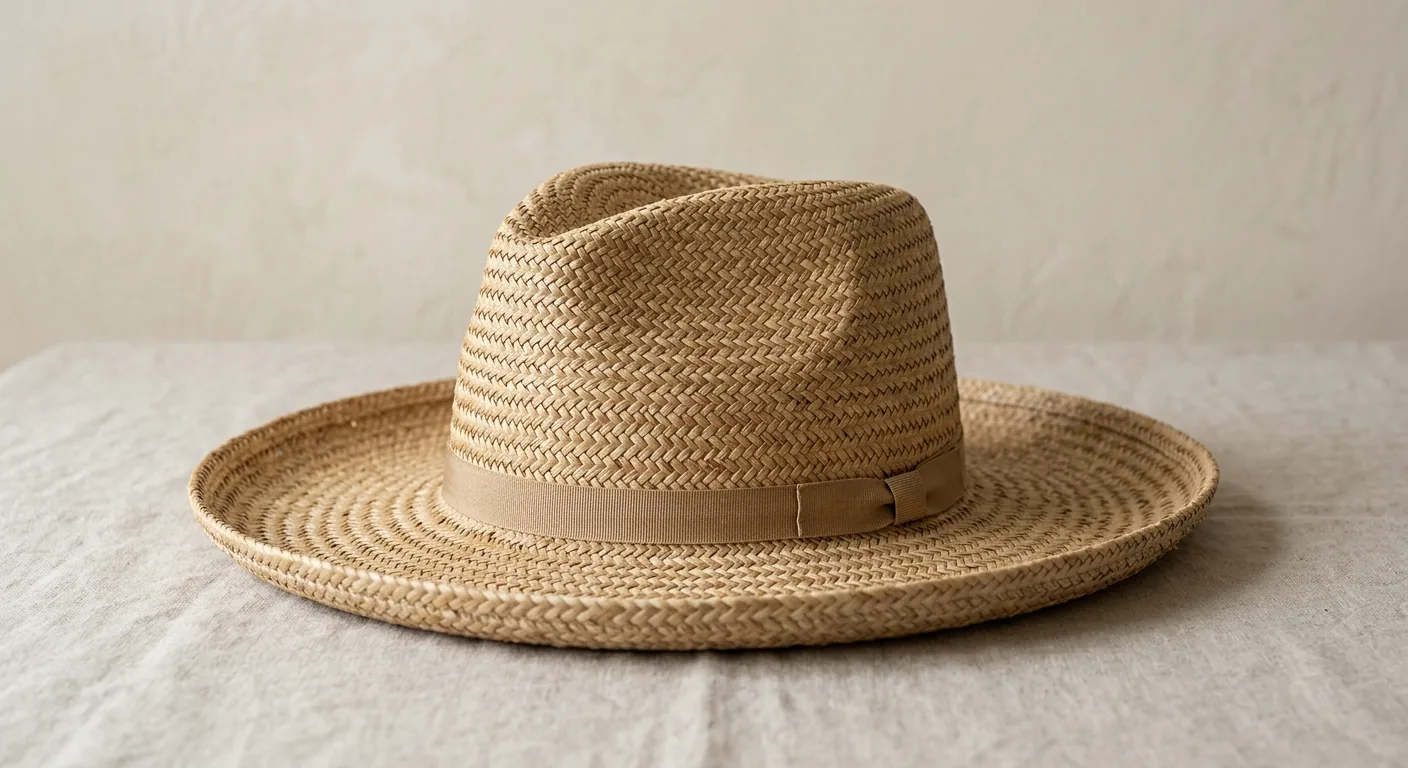
The word “straw” hides major differences. Some hats are made from toquilla palm, raffia, seagrass, or paper fiber. Others use blended or imitation materials that look acceptable online but feel very different in hand. This matters because material affects drape, comfort, fragility, humidity response, and price positioning.
A handwoven hat can justify premium placement when the weave is clean, the brim holds shape, and the finishing feels intentional. A weak imitation may still look attractive in a single photo but collapse under normal handling or travel. That difference becomes highly visible once customers wear the product in warm climates or pack it into luggage.
| Material Type | Look & Feel | Durabilidad | Retail Position |
|---|---|---|---|
| Toquilla / fine palm | Refined, premium | Moderate to high | Luxury / boutique |
| Raffia | Soft, natural, textured | Moderado | Fashion resort |
| Pastos marinos | Durable, practical | Alto | Commercial summer |
| Paper fiber | Smooth, consistent | Variable | Mid-market fashion |
Retailers should also evaluate the sweatband, inner finishing, and brim edge. Those details shape comfort and long-term customer satisfaction more than many buyers expect.
Common sourcing mistakes with artisan straw hats
Respuesta directa: The biggest sourcing mistakes are vague material descriptions, poor humidity planning, and buying on visual trend alone without testing structure and comfort.
Straw hats are sensitive to environment. A hat that behaves well in a dry showroom may soften, sag, or deform in a humid destination market. That matters for retailers serving Florida, coastal Europe, Southeast Asia tourists, or Gulf resort channels. The sourcing brief should reflect the climate the product is expected to survive.
Another mistake is assuming “artisan” means “premium” automatically. Customers may appreciate handwoven details, but they still judge comfort, fit, and durability. If the hat scratches, stains easily, or loses shape too fast, the craftsmanship story won’t save it.
- Specify the material honestly in the product brief and hangtags.
- Test brim recovery after packing and travel simulation.
- Check comfort at the inner band and crown edge.
- Align the product story with the actual fiber and finish quality.
That is particularly important in cross-border retail, where misleading materials create fast review damage.
How retailers should merchandise and price straw hats in 2026
Respuesta directa: Price and merchandise artisan straw hats according to material truth, resort or boutique positioning, and whether the hat is primarily decorative, practical, or both.
A refined handwoven straw hat belongs in a premium summer story, not a bargain accessory corner. The best-performing assortments typically group straw hats with resort bags, breathable apparel, sunglasses, and premium summer accessories. This gives the hat the environment it needs to justify its margin and visual presence.
Online, the product detail page should clarify fiber type, brim width, comfort details, and how the hat should be stored. That reduces returns and attracts buyers who appreciate a better material story. Linking naturally to your straw hat collection y más amplio summer headwear overview also improves both conversion and navigation.
- Lead with real material information, not vague style terms.
- Show texture and weave clearly in photography.
- Price by material and construction, not just silhouette.
- Pair straw hats with other summer categories in your merchandising plan.
Retailers who do this well create a more credible premium summer program and stronger category-level profitability.
Choosing a manufacturer or sourcing partner for straw hats
Respuesta directa: The right supplier understands natural-fiber variation, finishing consistency, and export packaging that protects shape through international shipping.
While some artisan straw styles are region-specific by nature, many commercial straw hat programs still rely on China-based development, finishing, packaging, and export coordination. Guangdong suppliers can be especially useful when buyers need a blend of handcrafted appearance, structured QC, and repeatable export support into Western retail markets.
Ask suppliers how they control brim shape, what happens if a batch varies slightly in weave, and how they protect the hats during transport. Fragile or premium-looking straw styles often need better packing logic than other categories. These questions matter as much as the sample itself.
For broader trade context, buyers can compare import and market guidance through sources like the Administración de Comercio Internacional. That helps retailers make better seasonal decisions instead of relying only on trend mood boards. packable straw hats for travel retail how buyers test crush resistance shape recovery and shelf ready presentation Sombreros de paja de ala ancha para la venta al por menor
Final checklist before buying artisan straw hats
- Confirm the true fiber and how it should be described to customers.
- Test comfort, brim memory, and packing resilience.
- Merchandise the hat in a premium or resort context, not a generic accessory bin.
- Use internal links to request sourcing support and related categories.
- Keep the craftsmanship story honest and tied to real product quality.
Planning a summer straw hat program? Talk to Hongyue Cap for sourcing guidance, seasonal MOQ planning, and export-ready support from Guangdong, China.
Referencia externa de calidad para compradores
Para reforzar la disciplina en el proceso de selección de proveedores, los compradores pueden contrastar las declaraciones de los proveedores con referencias públicas del sector textil y comercial, como el Administración de Comercio Internacional y recursos para el ensayo de textiles de ASTM International antes de fijar las especificaciones para los pedidos al por mayor.
Lista de verificación para el comprador antes de confirmar el pedido
Antes de aprobar una orden de producción, los compradores deben convertir la descripción del artículo en una lista de verificación por escrito. Esa lista de verificación debe incluir el nombre del material, el gramaje del tejido o del hilo, los requisitos de estructura, la tolerancia de color, la gama de tallas, el método de embalaje, el método de decoración y los criterios de aprobación de las muestras. Esto permite que el proveedor, el comercial y el equipo de inspección estén en sintonía antes de que comience la producción en masa.
En el caso de los programas minoristas, la lista de verificación más útil no es la más extensa, sino aquella que evita las disputas más comunes. Los compradores deben definir qué aspectos deben coincidir entre la muestra aprobada y el envío final, y luego pedir al proveedor que confirme esos puntos por escrito. Esto agiliza la revisión de calidad y reduce el riesgo de recibir productos que parecen aceptables en las fotos, pero que no dan la talla en cuanto a su manejo en la tienda, el uso por parte de los clientes o la repetición de pedidos.
Escrito por el equipo de productos de Hongyuecap — 15 años de experiencia en la fabricación de gorras personalizadas para el sector B2B. Última actualización: 3 de mayo de 2026.
Recursos relacionados con el abastecimiento:
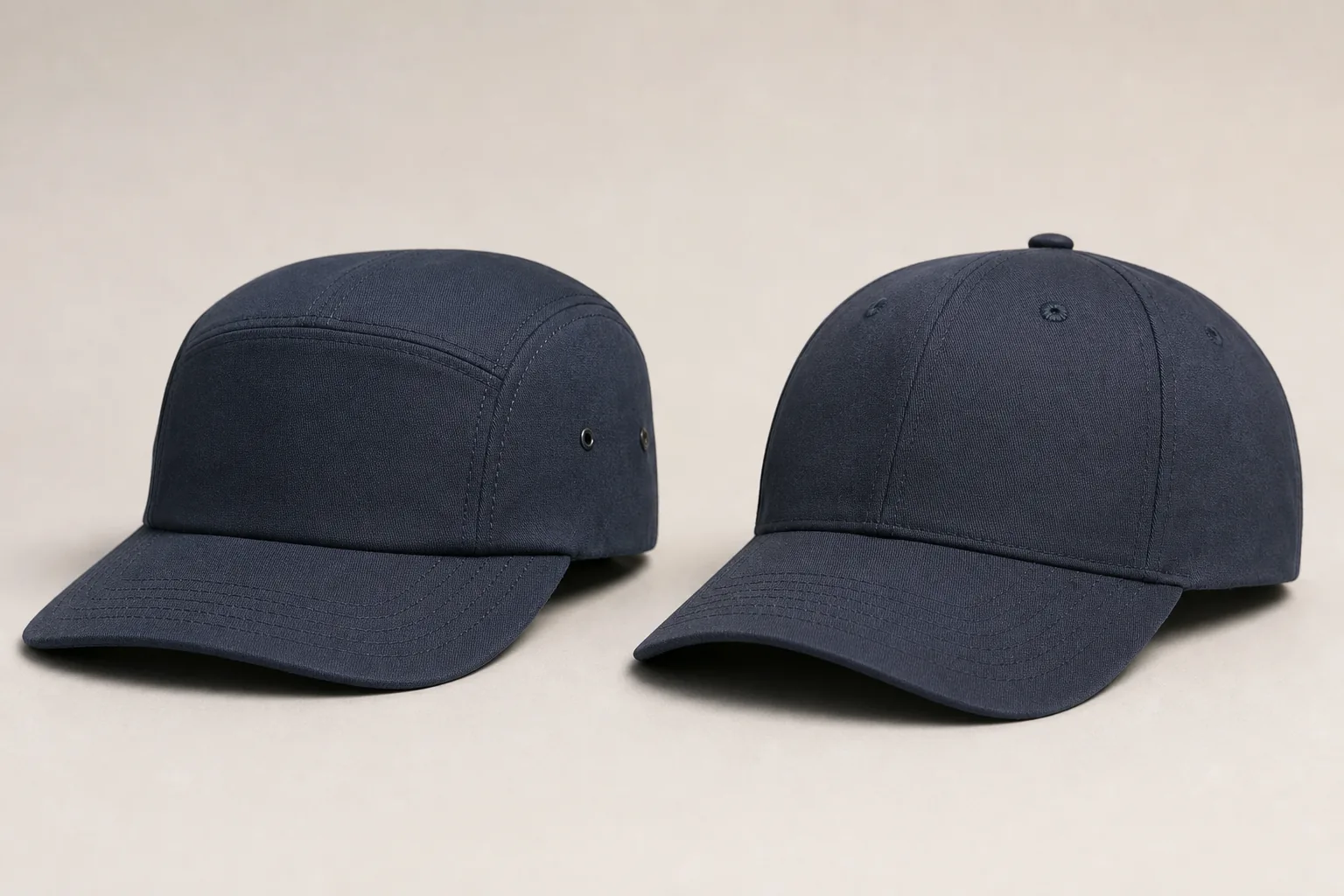
- Gorra de 5 paneles vs. gorra de 6 paneles: Fabricación y cantidades mínimas de pedido (MOQ)
- Guía para la fabricación de gorras de béisbol personalizadas
- Abastecimiento de sombreros de pescador al por mayor
- Solicite una cotización de fábrica y muestras