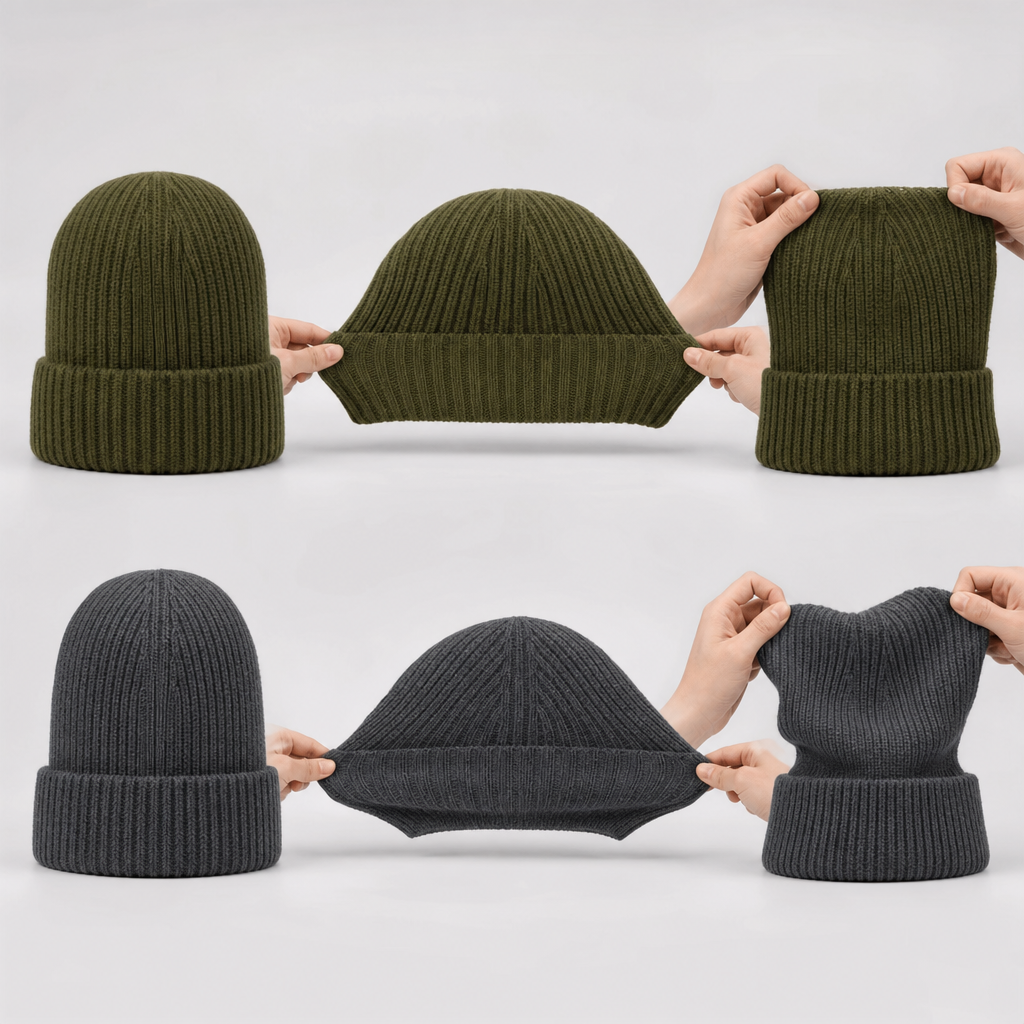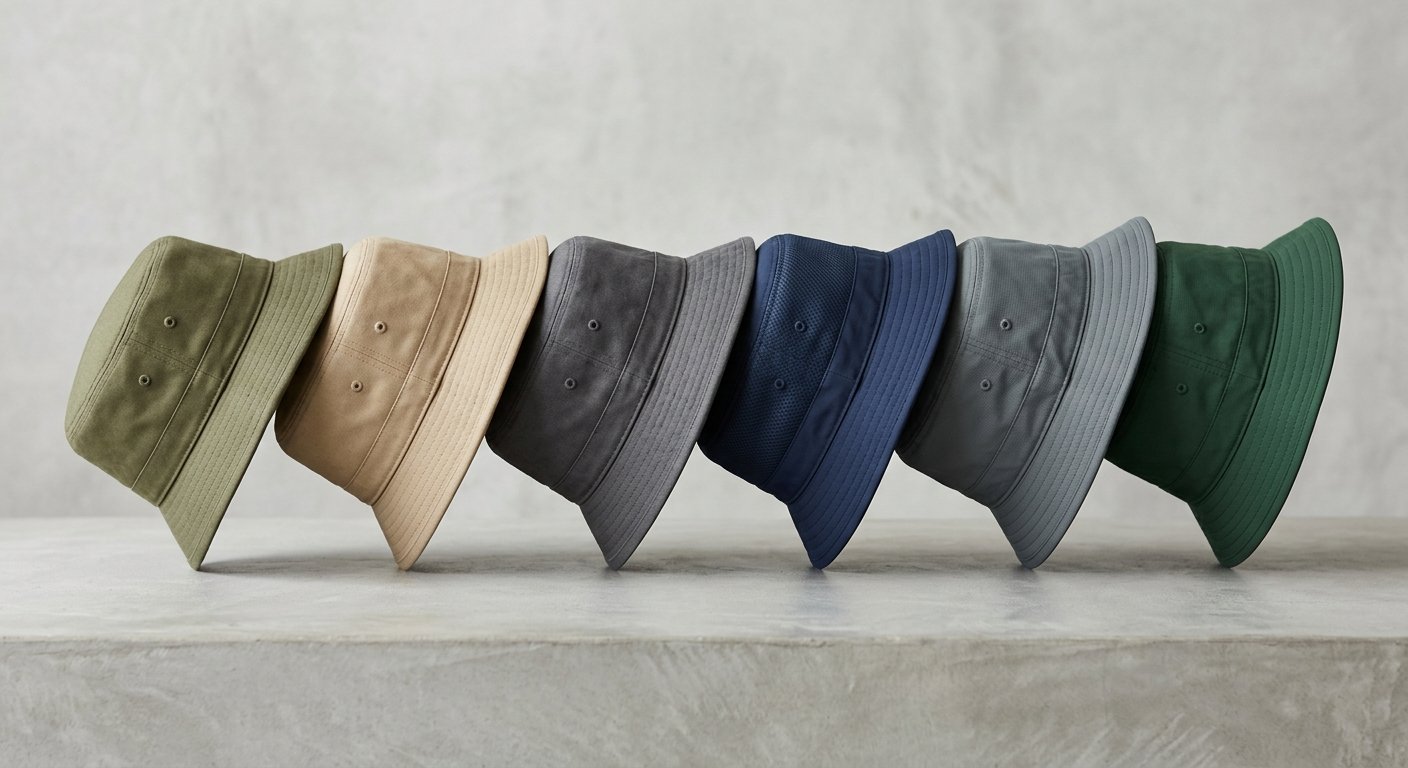
Baseball cap wholesale sourcing in 2026 is no longer a simple price comparison exercise. Retailers, private label brands, and promotional buyers need caps that fit consistently, embroider cleanly, survive shipping, and sell well in the USA, EU, Australia, and GCC markets. Buyers who skip specifications usually pay for that mistake later in returns, weak product photos, and slow repeat orders.

Most wholesale baseball cap problems come from three preventable gaps: unclear fabric specs, weak front-panel structure for embroidery, and closures that feel cheap in hand. If those three details are locked before production, the final product improves dramatically.
Why baseball cap wholesale sourcing is still the safest headwear category in 2026
Direct answer: Baseball caps remain the safest wholesale headwear category because they combine stable repeat demand, broad demographic appeal, and strong customization value for retailers, schools, sports teams, and private label brands.
In practical B2B terms, baseball caps outperform many trend-driven hat categories because customers already understand them. The silhouette is familiar, the size logic is simple, and the front panel offers one of the strongest branding surfaces in headwear. That matters when a buyer needs a product that works across e-commerce thumbnails, retail shelves, and corporate merchandise programs.
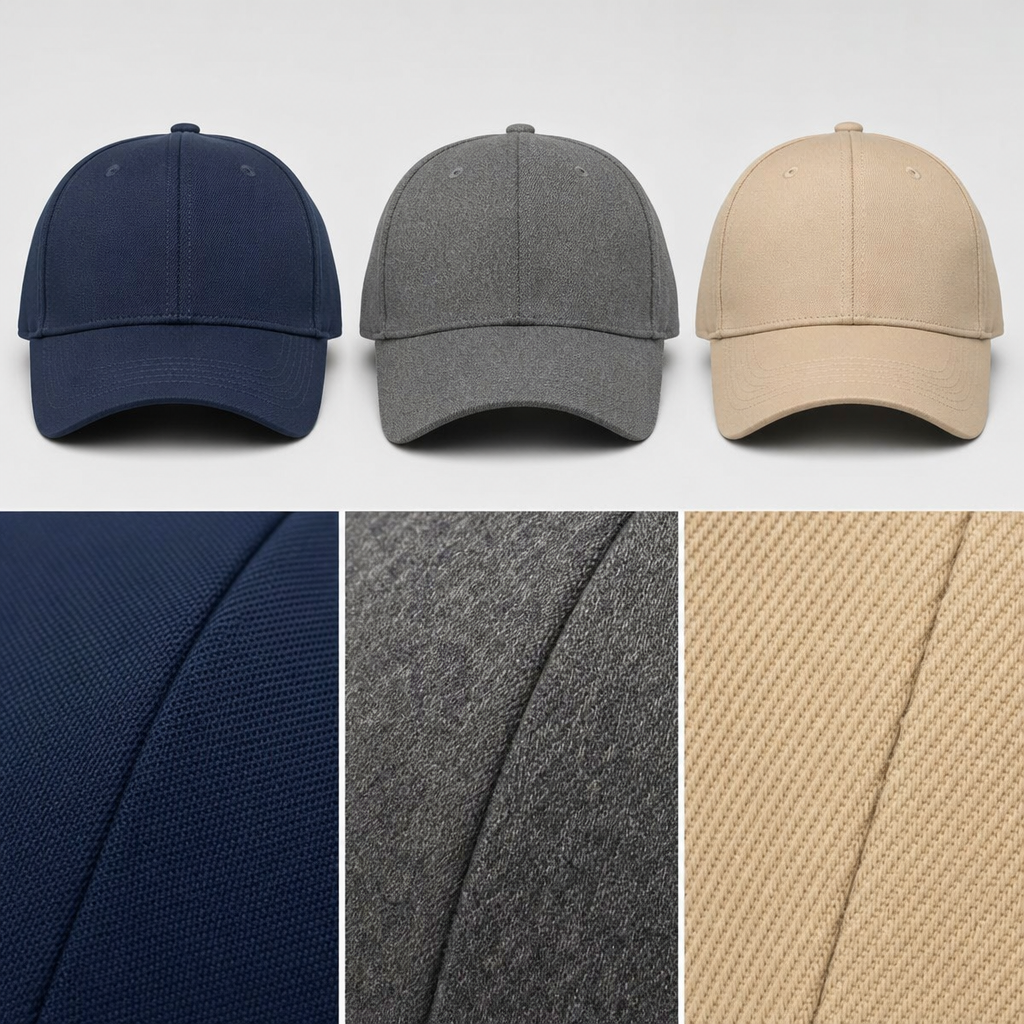
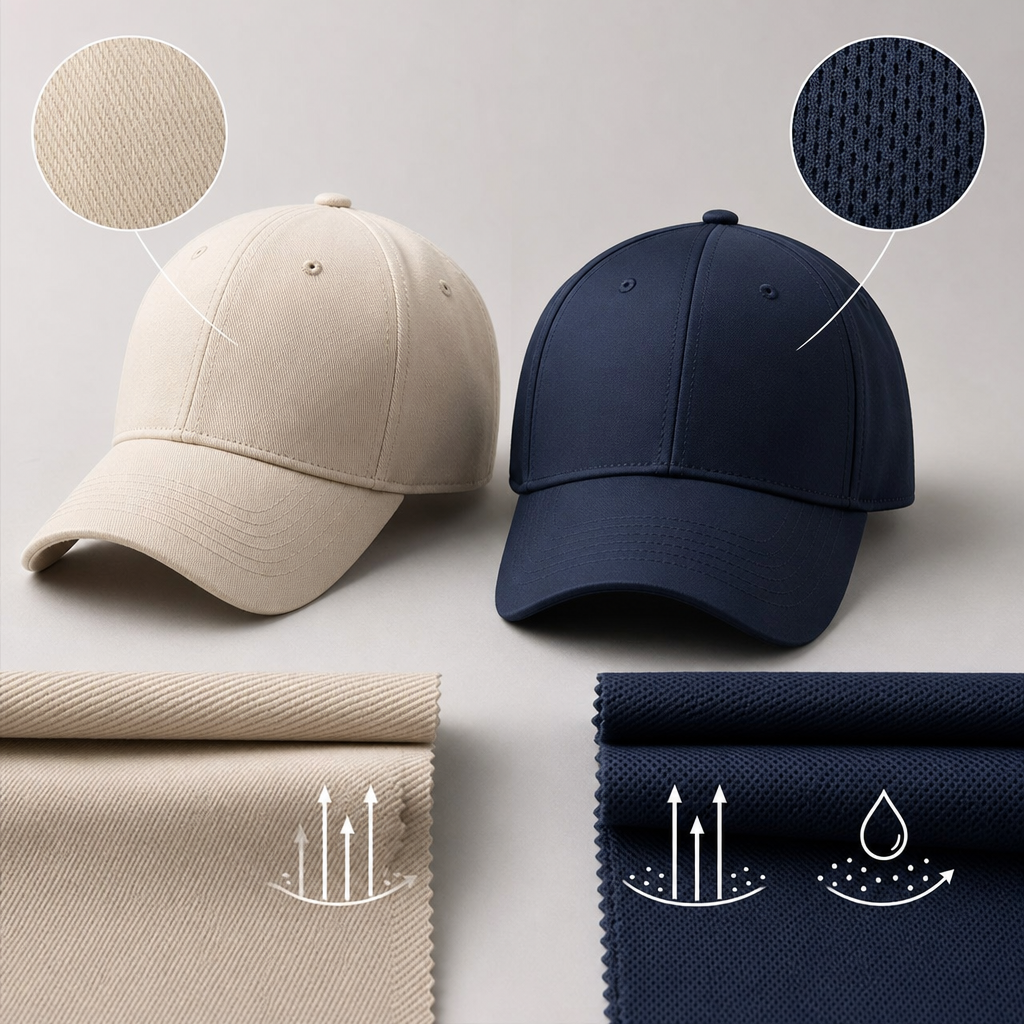
They also fit almost every merchandising model. A structured cotton twill cap can live in streetwear, tourism, school stores, sporting goods, and event merchandise. A performance polyester cap works for golf, running, outdoor, and hospitality uniforms. That range is why baseball cap sourcing is often the first category retailers scale before they diversify into bucket hats or straw hats.
- Reliable repeat demand in core colors like black, navy, khaki, and white.
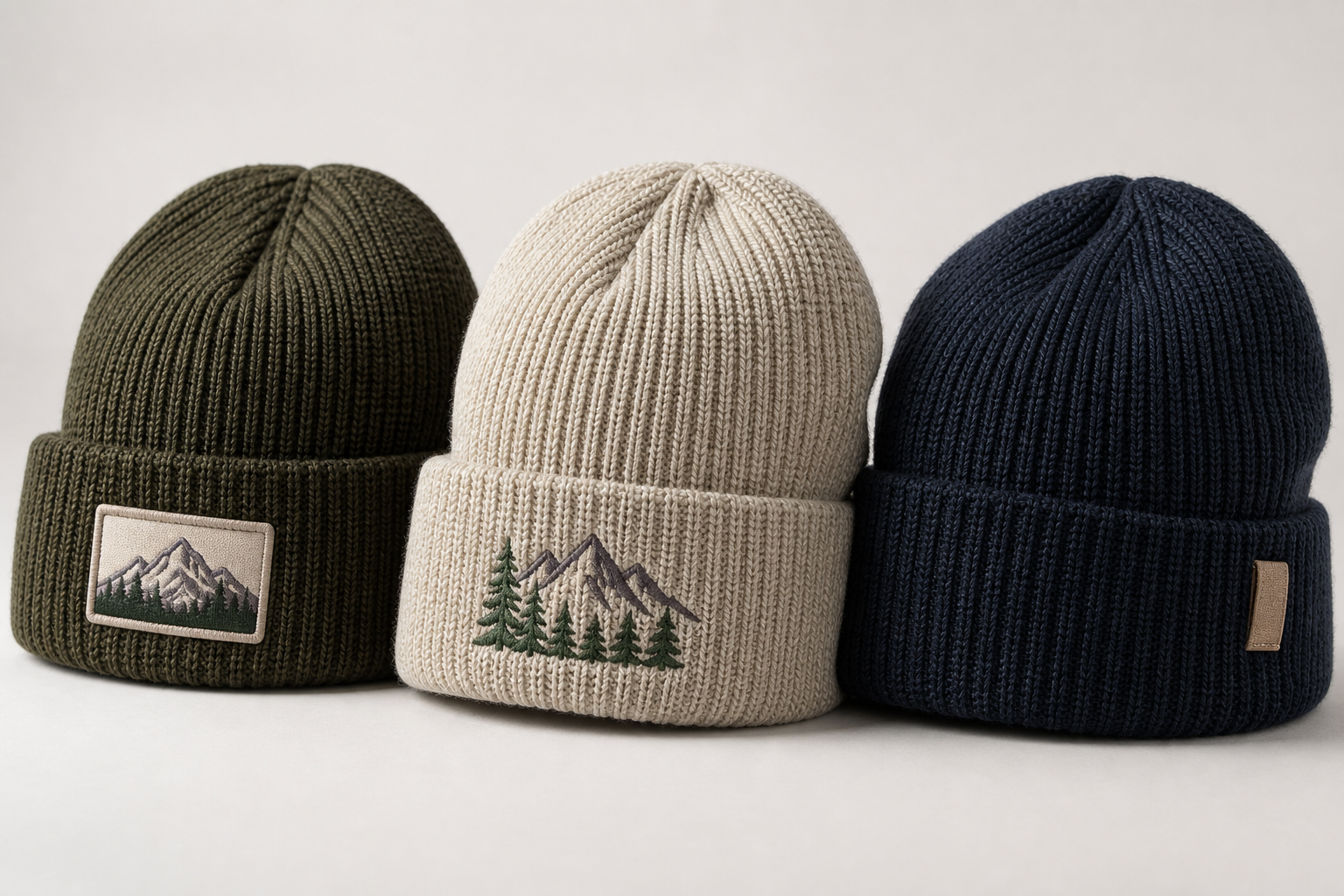
- Excellent branding surface for embroidery, woven patches, and labels.
- Freight-friendly structure compared with fragile fashion hats.
- Easy to build into broader headwear sourcing programs.
For buyers shipping from Guangdong, China to Western retail markets, the category stays attractive because it balances specification control with broad commercial demand.
Key specifications wholesale buyers should lock before sampling
Direct answer: Serious buyers should confirm fabric weight, crown structure, visor shape, sweatband quality, closure type, and decoration limits before requesting final quotations or approving samples.
The biggest mistake in baseball cap wholesale sourcing is asking for prices before setting specifications. When buyers compare quotations without a fixed brief, every supplier prices a different product. One factory assumes 180 gsm cotton twill, another quotes 220 gsm. One includes structured front panels, another sends a softer crown. The quotes look comparable until the samples arrive and the differences become obvious.
Structured 6-panel caps remain the best all-round format for retail because they hold embroidery well and photograph cleanly. Low-profile or unstructured styles work when the visual story is softer, but the buyer has to accept a different look and lower logo stability. Closure hardware matters too: plastic snapbacks feel practical and casual, while metal buckles push the cap toward premium private label or gifting.
| Specification | Classic Retail | Performance Use | Premium Private Label |
|---|---|---|---|
| Fabric | 200 gsm cotton twill | Poly microfiber | Washed canvas / wool blend |
| Crown | Structured 6-panel | Semi-structured | Structured reinforced |
| Closure | Snapback | Hook-and-loop | Metal buckle / fitted |
| Decoration | 3D embroidery | Flat embroidery | Woven label + tonal stitch |
A clean spec sheet reduces production risk and improves quote quality. It also makes it easier to compare against your existing baseball cap assortment and spot gaps in your lineup.
MOQ, pricing, and how wholesale margin actually works
Direct answer: Typical MOQ for baseball caps in 2026 is 300 to 500 pieces per color for standard materials, with pricing ranging from roughly USD 2.50 to 8.50 depending on fabric, decoration, and packaging.
MOQ only makes sense when connected to your retail model. If you sell through boutiques, department stores, or online private label channels, the right MOQ is the one that gives you enough stock to test repeat demand without locking cash into slow-moving colors. Low MOQ sounds attractive, but if it relies on generic materials or weak decoration, it may harm sell-through more than it helps cash flow.
Pricing follows material and labor logic. Cotton twill caps with standard embroidery and bulk packing stay in the mid-lower range. Add special dyes, recycled fabric, custom trims, woven labels, inside taping, and branded boxes, and your price band climbs. Wholesale buyers who understand this usually back-solve from the final retail price rather than chasing the lowest quotation.
- Define the target retail price first.
- Calculate landed cost with freight and duty included.
- Choose one or two proven silhouettes instead of overcomplicating the first run.
- Request decorated samples, not just blank references.
- Build the reorder logic before the first shipment lands.
That discipline is what keeps margins healthy when sourcing for the USA or EU, where freight timing and online review quality influence reorder velocity.
Quality control checkpoints that protect your wholesale order
Direct answer: A strong baseball cap QC system includes pre-production fabric checks, first-article approval, inline sewing and embroidery checks, and pre-shipment AQL inspection with photo evidence.
Quality control for baseball cap wholesale sourcing should never be left to the final carton inspection alone. By that stage, the real causes of defects have already been sewn into the order. The stronger system is layered: confirm fabric GSM and color first, approve one real production sample, inspect embroidery positioning and stitch density inline, then perform pre-shipment inspection against written acceptance criteria.
For online retailers, decoration quality is especially critical. A logo that looks dense, crooked, or bulky in photos can reduce conversion even if the physical product is technically acceptable. That is why embroidery underlay, stitch count, and front-panel structure should be agreed before bulk production. If your brand sells on Amazon, Shopify, or B2B catalogs, this affects profit directly.
- Verify fabric color, GSM, and shrinkage before cutting.
- Approve one first-article production cap, not just a sales sample.
- Run inline checks on crown structure and logo alignment.
- Use AQL-style pre-shipment inspection to manage defects consistently.
- Write defect standards into the purchase order, not only chat messages.
Buyers who build these controls into the process get cleaner launches and lower post-sale friction.
How to choose a baseball cap manufacturer for US, EU, AU, and GCC retail
Direct answer: The best baseball cap manufacturer is the one that understands your specifications, controls decoration in-house, and can ship reliably into your destination markets with realistic lead times.
China remains one of the strongest sourcing bases for wholesale headwear because the ecosystem is dense: fabric suppliers, closure hardware, embroidery, packaging, and export logistics are all close enough to move quickly. Guangdong in particular stays competitive for buyers who need mixed materials, reliable communication, and flexible decoration capability.
When evaluating suppliers, ask practical questions. Can they produce the exact embroidery finish your retail channel needs? Do they own embroidery or outsource it? Can they handle both standard bulk orders and smaller private label tests? What happens if the closure hardware changes mid-run? These answers tell you far more than a polished catalog ever will.
We recommend that wholesale buyers compare potential suppliers against both internal requirements and external market standards such as import guidance from the U.S. International Trade Administration. That combination keeps the sourcing decision grounded in both retail reality and export compliance expectations.
If you want a faster benchmark for your next run, send us your specification sheet. We can usually respond with MOQ, timeline, and build recommendations in under 24 hours.
Final sourcing checklist before placing your PO
- Lock fabric, crown, brim, and closure details in writing.
- Approve decorated samples with the real logo.
- Match MOQ to your retail and reorder plan.
- Clarify freight mode and launch timing before production starts.
- Keep at least four strategic internal links in the product story so buyers can move from category to inquiry naturally.
Baseball cap wholesale sourcing rewards buyers who treat the cap as a real retail product rather than a commodity. If you want cleaner quality, better sell-through, and fewer surprises, start with the specification sheet and end with a manufacturer that can execute it. For a deeper breakdown, see our baseball cap wholesale sourcing guide. For a factory-evaluation checklist, see our custom baseball cap manufacturer guide. baseball cap fit guide for retail buyers how to reduce size related returns and stock the right crown depths
Need a retail-ready quote? Contact Hongyue Cap for MOQ planning, sample advice, and direct factory support from Guangdong, China.
External Quality Reference for Buyers
For additional sourcing discipline, buyers can compare supplier claims against public trade and textile references such as the International Trade Administration and textile testing resources from ASTM International before locking specifications for bulk orders.
Written by the Hongyuecap Product Team — 10+ years in B2B custom headwear manufacturing. Last updated: May 03, 2026.