
If your last baseball cap order arrived with crooked embroidery, weak buckram, or three different black shades in the same carton, the problem was not bad luck. It was bad sourcing discipline. For wholesale buyers, a baseball cap is not just a fashion item. It is a margin product, a repeat-order product, and a brand touchpoint that gets judged in seconds.
The short version: the best custom baseball caps for retail programs balance decoration performance, fabric stability, comfortable fit, and freight efficiency. In 2026, buyers who win are the ones who specify the cap like a product developer instead of buying it like a generic accessory.
Why Baseball Caps Still Lead Headwear Programs
Baseball caps remain the easiest category to scale across sports stores, lifestyle boutiques, resort shops, corporate gifting programs, and promotional campaigns. The silhouette is familiar, size risk is low, and consumers understand the value instantly. Compared with more seasonal hats, baseball caps also hold a longer selling window and work across age groups.
- Fast design turnover: new logo placements, seasonal color stories, and event-driven drops can be developed without rebuilding the whole product concept.
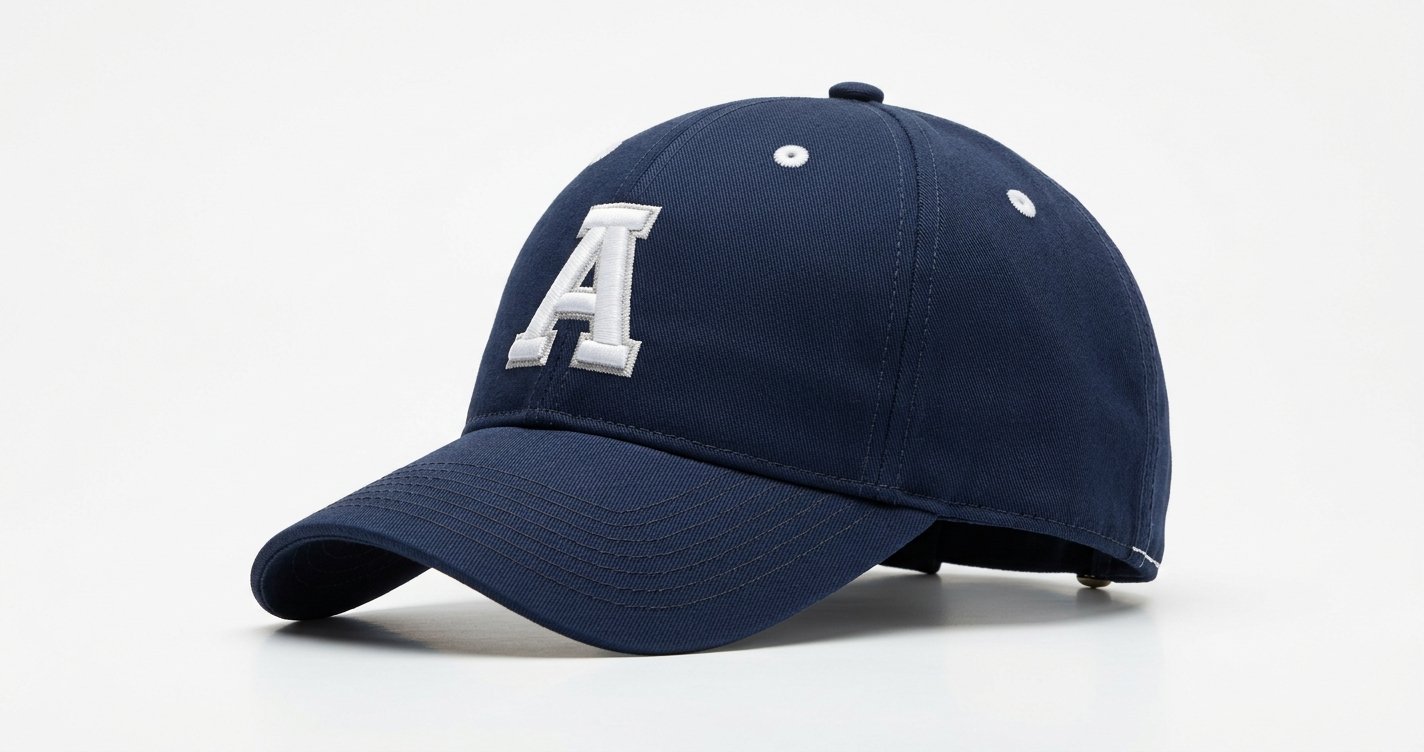
- Reliable decoration surface: front panels support embroidery, patches, woven labels, and selected print techniques when the construction is specified correctly.
- Lower return risk: adjustable back closures reduce fit complaints compared with fixed-size headwear.
- Stable merchandising: caps are easy to stack, peg, bundle, and cross-sell with apparel or accessories.
- Broad customer reach: they work for men, women, teens, teams, travel retail, and brand merchandise at the same time.
That commercial flexibility is why serious buyers keep a cap line in their assortment even when fashion cycles shift. For background on fiber and safety language, it helps to reference standards from OEKO-TEX and material guidance from Textile Exchange.
Which Construction Details Actually Affect Sell-Through
Buyers often focus on the logo first and the cap body second. That is backwards. Construction decides whether the logo looks premium, whether the cap holds shape on shelf, and whether the consumer feels the difference after ten minutes of wear.
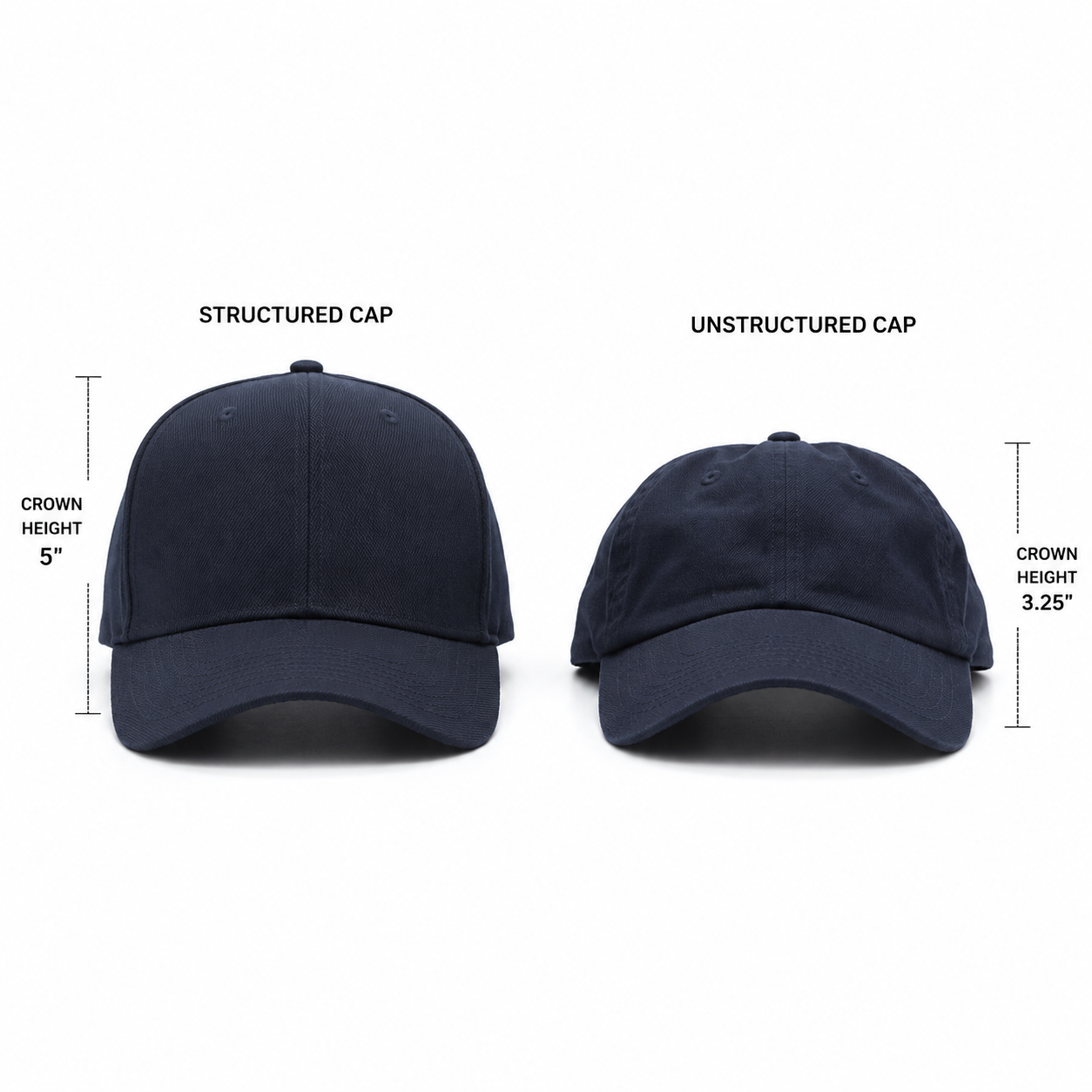
- Structured vs unstructured crown: structured crowns present cleaner embroidery and stronger visual impact in retail; unstructured crowns feel softer and more casual but cannot hide poor sewing.
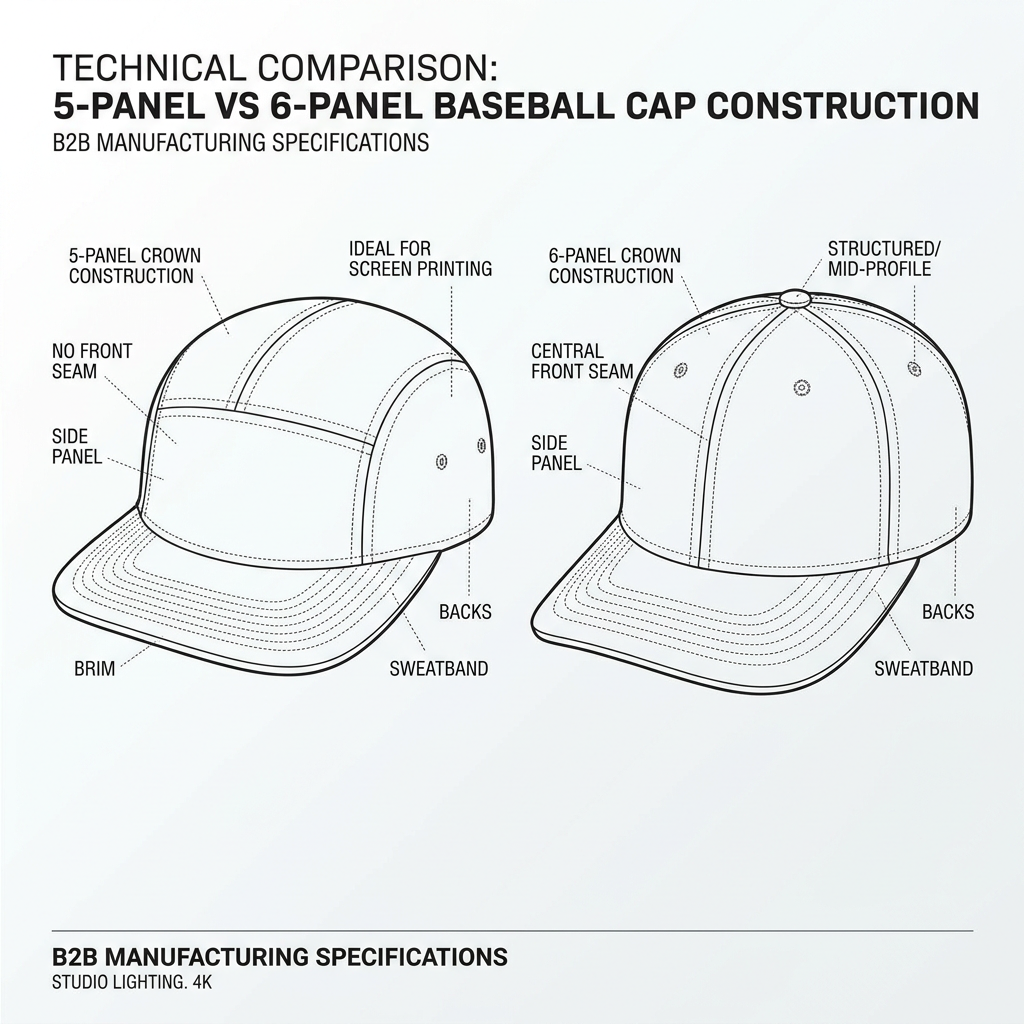
- 5-panel vs 6-panel: 5-panel caps offer a broad front decoration field, while 6-panel caps are more common and usually easier to source consistently at scale.
- Buckram quality: weak front reinforcement causes wrinkling after shipment and makes even good embroidery look cheap.
- Visor curve and insert stiffness: a visor that is too soft warps in transit; one that is too rigid feels unnatural for fashion retail.
- Sweatband and seam finishing: inside finishing directly affects comfort, especially in warmer markets or longer wear situations.
Ask suppliers for close-up photos of panel seams, inside taping, visor stitching, and back closure hardware before approving the line. If they avoid detail shots, that tells you something. Buyers comparing suppliers can also benchmark labor and compliance language against amfori BSCI.
Material Selection: Cotton Twill, Washed Cotton, Polyester or Blends?
Fabric choice changes the price point, decoration result, and retail positioning. In 2026, most successful programs are built around mid-weight cotton twill, washed cotton, performance polyester, or cotton-poly blends depending on channel.
- Cotton twill: the safest all-round choice for embroidery, structure, and perceived quality. It works especially well for lifestyle retail and private-label programs.
- Washed cotton: useful when the brand wants a softer, broken-in look. Buyers should control color consistency tightly because wash variation can become a claim issue.
- Performance polyester: better for sports, event caps, and hot-climate use where quick dry and shape retention matter more than a natural handfeel.
- Cotton-poly blends: a practical middle ground when margin pressure is high but buyers still want a relatively premium appearance.
- Special fabrics: corduroy, ripstop, brushed canvas, and recycled blends can differentiate a collection, but they need tighter MOQ planning and stronger visual merchandising support.
A good supplier should explain GSM, weave behavior under embroidery, colorfastness expectations, and shrinkage risk in plain language. If they cannot do that, they are probably assembling rather than developing. For sourcing-related inquiries, buyers usually move next to Contact us or compare options through HongyueCap.
Customization Options That Add Value Without Killing Margin
Not every decoration upgrade deserves a line-item cost increase. The best wholesale programs use a small number of visible upgrades that change perceived value more than factory cost.
- Front embroidery: still the default value driver. Clean digitizing and correct underlay matter more than excessive stitch density.
- Side logo or flag: a small side detail often lifts perceived branding with very limited added cost.
- Closure upgrade: moving from generic plastic snap to metal buckle or branded strap can reposition the cap instantly.
- Inside tape printing: subtle but effective for private-label retail lines that want a more finished brand experience.
- Patch applications: woven, leather-look, rubber, and sublimated patches help create differentiation when direct embroidery is not ideal.
See our guide on wholesale baseball cap artwork for more details.
The mistake many buyers make is stacking too many small upgrades onto a low-ticket cap. Instead, decide whether the item is meant to be promotional, mid-tier retail, or premium specialty. Then build the specification around that target retail price and the margin you need.

Production Details Wholesale Buyers Should Lock Before Deposit
| Item | Typical Range | Buyer Note |
|---|---|---|
| MOQ | 100-300 pcs per style/color | Complex materials or trims may push MOQ higher |
| Sampling | 5-10 days | Ask for photo confirmation before courier dispatch |
| Bulk lead time | 20-35 days | Seasonal peaks can add 7-10 days |
| Decoration | Embroidery / patch / print | Test artwork readability before bulk |
| Compliance | BSCI / OEKO-TEX / testing on request | Confirm which claims are document-backed |
| Shipping terms | EXW / FOB / DDP | Compare landed cost, not ex-factory only |
Before paying a deposit, lock approved artwork, Pantone references where needed, carton pack ratio, inspection standard, and tolerance for color variation. A vague PO creates expensive arguments later.

Case Study: A Retail Chain Fixed Reorder Problems by Changing the Spec Sheet
A regional lifestyle retailer had been buying branded baseball caps from two low-cost trading suppliers. The first order looked acceptable, but reorder batches arrived with inconsistent crown height, off-tone navy fabric, and embroidery that sank into the front panel. Sell-through slowed because the hats looked different from the approved samples displayed in stores.
After reviewing the issue, the buyer moved to a tighter specification: 280 GSM cotton twill, structured 6-panel crown, reinforced buckram standard, fixed visor stitch count, approved navy swatch, and a mandatory pre-shipment photo set for every bulk run. The next 4,800-piece order reduced defect-related store complaints by 63% and improved repeat order confidence enough for the retailer to expand into a second cap program with seasonal colorways.

FAQ: Sourcing Custom Baseball Caps in 2026
Q: What is the safest material for embroidered retail baseball caps?
Cotton twill is still the most reliable option because it balances structure, comfort, and embroidery performance. It is easier to control than many specialty fabrics and gives a more premium shelf appearance than cheap polyester.
Q: Is a 5-panel or 6-panel baseball cap better for wholesale?
It depends on the look you want. A 5-panel cap can offer a cleaner front panel for graphics, while a 6-panel cap is easier to source consistently and fits a broader range of standard retail programs.
Q: What MOQ should buyers expect?
For common custom baseball cap programs, 100-300 pieces per style or color is realistic. Lower MOQs may be available, but they often come with fewer options or weaker pricing.
Q: How many samples should a buyer request?
At minimum, request one pre-production sample and one confirmed bulk reference standard. For larger programs, a color approval set is often worth the extra cost.
Q: Which supplier mistake causes the most expensive claims?
Inconsistent color and weak front structure are two of the most common causes because they damage both shelf appearance and brand consistency across repeat orders. For a deeper breakdown, see our baseball cap wholesale sourcing guide. For a deeper breakdown, see our baseball cap wholesale sourcing guide. For a factory-evaluation checklist, see our custom baseball cap manufacturer guide.
Ready to Get Started?
If you are planning a retail or promotional cap program this season, the smartest move is to define the specification before you negotiate the price. That alone filters out weak suppliers. Browse our baseball cap manufacturer options or Contact Us to review materials, closures, decoration, and lead times for your next order.
Related: Read our baseball cap logo placement guide to prevent embroidery distortion and artwork approval delays.
Related: For artwork specs and placement standards, see our baseball cap logo placement wholesale guide with pre-production approval workflow.
Written by the Hongyuecap Product Team — 10+ years in B2B custom headwear manufacturing. Last updated: May 03, 2026.