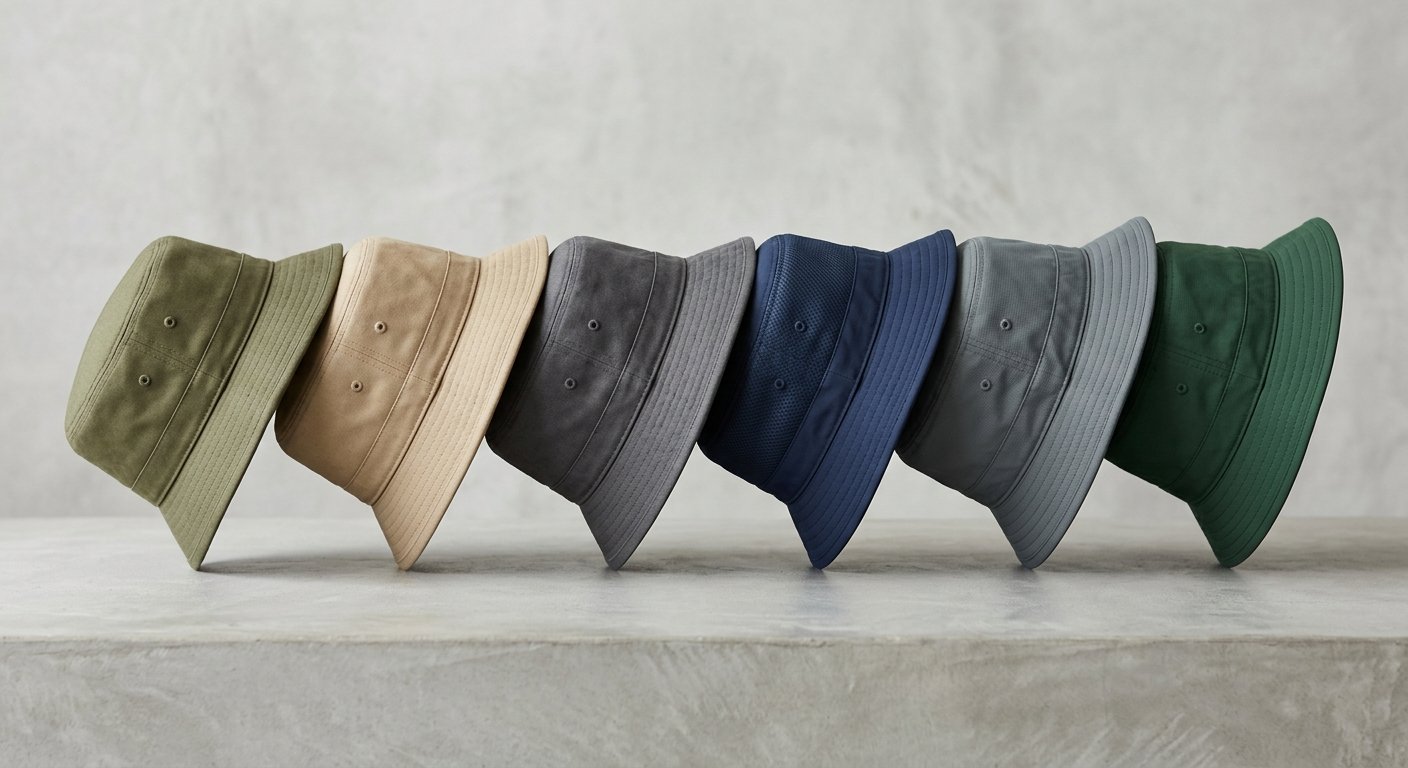
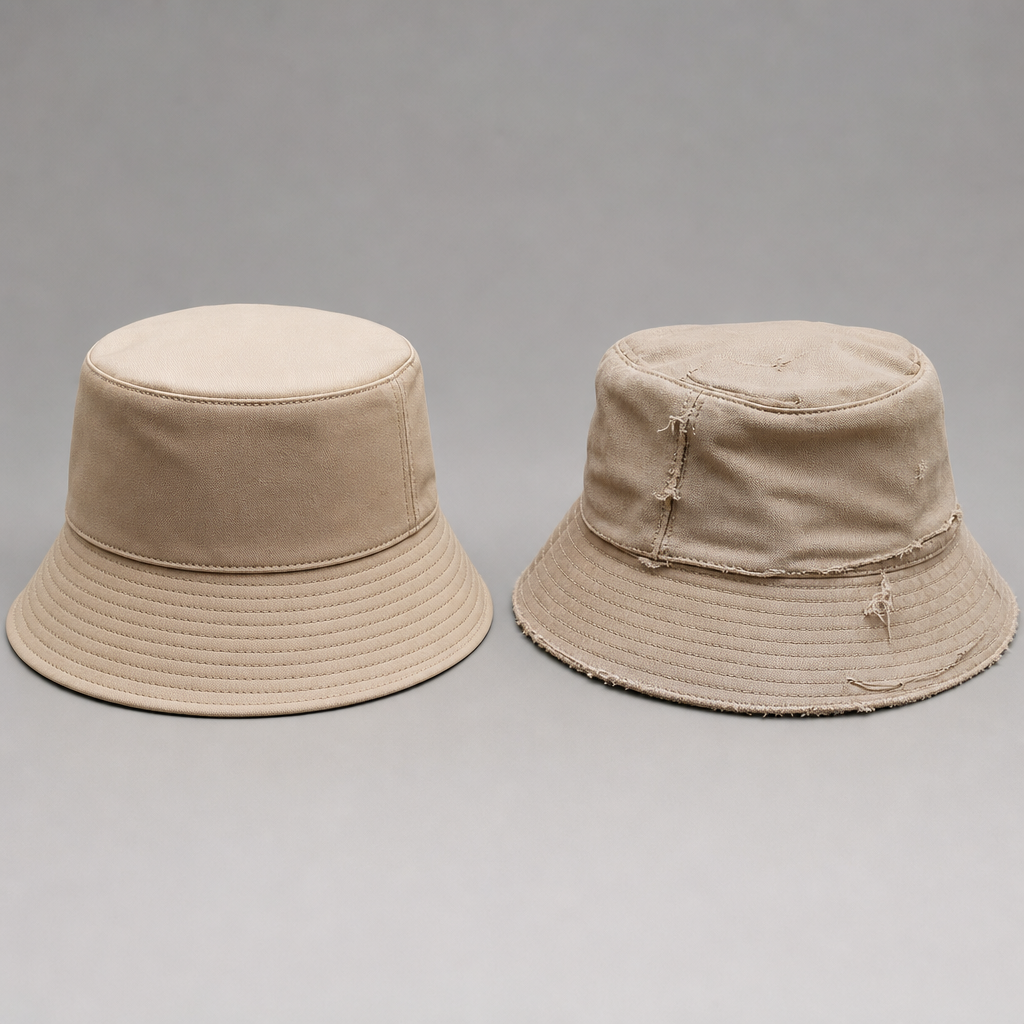
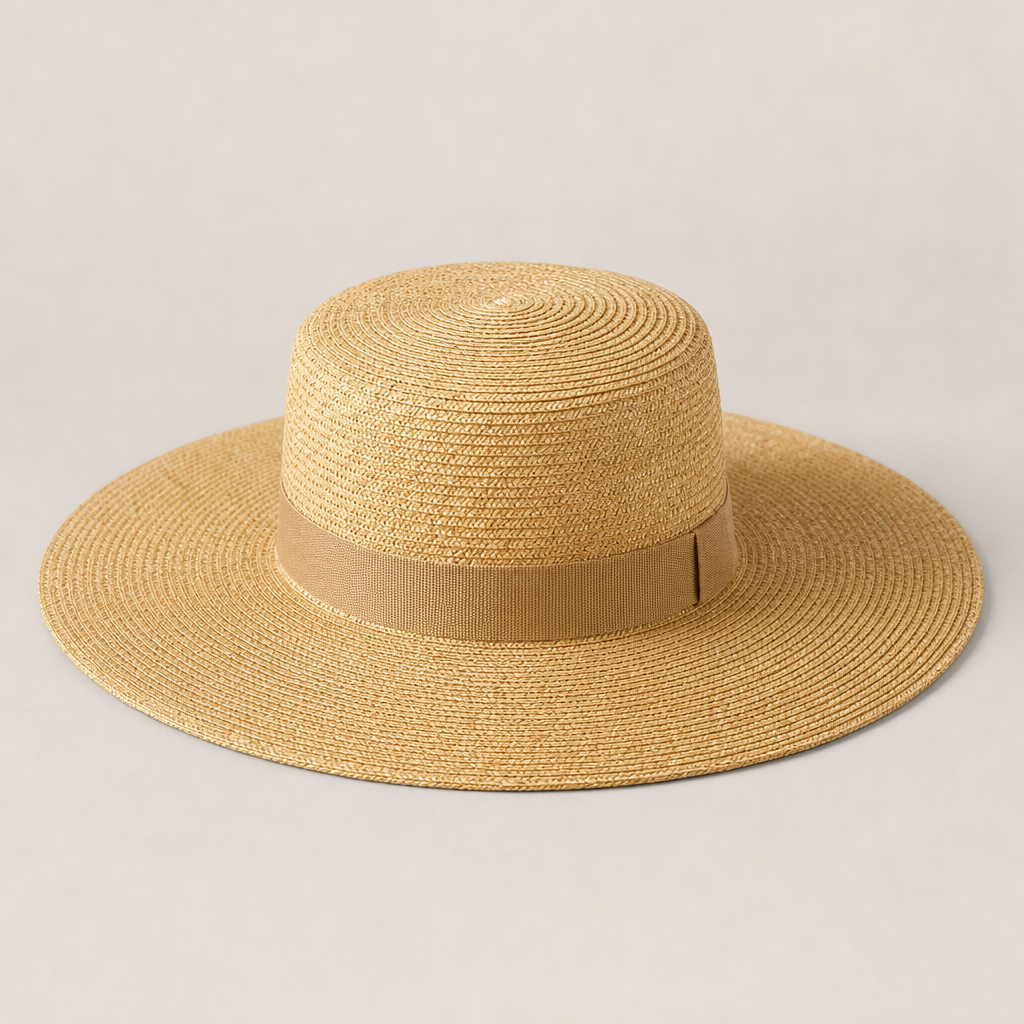
Retail buyers usually notice the problem too late: a hat that looked fine in a sample carton arrives on shelf with crushed structure, poor recovery, weak comfort, or a fit profile that creates avoidable returns. Bucket hats for resort staff decisions work better when buyers test the real use case instead of trusting generic spec sheets.
Bucket hats for resort staff is not just a product keyword. It is a buying framework for retailers, resort programs, boutique stores, and uniform projects that need lower return rates, cleaner display standards, and more dependable repeat orders. Buyers working with suppliers in Guangdong, China often serve customers in the USA, EU, AU, and GCC, so the article below focuses on practical specification checkpoints that survive freight, climate, and day-to-day selling pressure.
Why resort staffing needs a different bucket hat standard
Direct answer: Bucket hats for resort staff should be chosen for all-day outdoor wear, which means ventilation, sweat handling, and brim function matter more than trend language alone.
Hospitality teams work in motion. They greet guests, move between shade and direct sun, and often wear uniforms for long blocks of time. A bucket hat that photographs well but traps heat or loses shape under daily use creates complaints fast. Buyers need a more operational buying checklist.
How ventilation changes real comfort on long shifts
Direct answer: Ventilation matters because warm-weather staff judge comfort by airflow and moisture control, not by fabric marketing words on a hangtag.
Panels, eyelets, lining choice, and sweatband build all affect whether the hat feels wearable after several hours. Good ventilation does not need to look technical. It just needs to keep the wearer cooler and drier in a visible, repeatable way.
Spec point
What to verify
Why buyers care
Ventilation
Airflow from eyelets or panel design
Improves long-shift comfort
Brim coverage
Shade on face and neck zone
Supports outdoor function
汗液管理
Absorption and drying behavior
Reduces discomfort in heat
Uniform appearance
Structured, neat silhouette
Keeps service image professional
What buyers should check in brim coverage and visibility
Direct answer: Brim coverage should balance sun protection, face visibility, and uniform neatness so staff can stay comfortable without looking sloppy in service settings.
If the brim is too short, the functional value drops. If it is too soft or too wide, the silhouette can feel messy in guest-facing roles. The right coverage depends on the resort task, the climate, and whether the team is walking, guiding, serving, or managing events.
Check airflow in real outdoor conditions
Review brim width from front and side
Test comfort after extended wear
Confirm branding stays clean with use
Why sweat management and weight belong on every spec sheet
Direct answer: Buyers should request weight, sweatband construction, and drying behavior because those factors drive repeat wear comfort more directly than trend-focused descriptions.
The difference between a wearable staff hat and a forgotten uniform accessory is often basic comfort engineering. Light weight, a practical sweatband, and stable structure help staff keep the hat on instead of taking it off halfway through the shift.
Define the staffing scenario
Request functional samples
Run a field wear test
Approve the best balance of comfort and image
How buyers approve a bucket hat program for hospitality and events
Direct answer: The strongest approvals combine wear tests, branded appearance review, and a short operational trial in real sun and movement conditions.
For outdoor events and resort properties, a final sample should be worn during actual activity. That reveals whether the hat keeps shape, stays comfortable, and still looks professional in service photos. It also gives procurement teams a concrete reason for selecting one supplier over another.
For deeper category browsing, see our bucket hats category. Buyers comparing project options can also review the UPF 50 bucket hat wholesale guide 2026 and visit our contact page to discuss OEM and private label details. If you want a broader brand introduction, our homepage gives a quick overview of our export experience.
For external reference, buyers can review guidance from OSHA Heat Illness Prevention when aligning compliance, merchandising, or operational expectations across markets.
Final buying recommendation
Direct answer: The safest way to buy bucket hats for resort staff is to define the exact use case, convert quality language into measurable tests, and approve bulk only after structure, comfort, and display performance have been validated on real samples.
If your team is sourcing from Guangdong, China for buyers in the USA, EU, AU, or GCC, we can help you compare structure options, logo routes, packing methods, and bulk execution standards before production. Contact us for sample planning, quotation support, and a buyer-ready specification review.
External Quality Reference for Buyers
For additional sourcing discipline, buyers can compare supplier claims against public trade and textile references such as the 国际贸易管理局 and textile testing resources from ASTM International before locking specifications for bulk orders.
Buyer Checklist Before Confirming the Order
Before approving a production order, buyers should convert the article topic into a written checklist. That checklist should include material name, fabric or yarn weight, structure requirements, color tolerance, size range, packaging method, decoration method, and sample approval standard. This keeps the supplier, merchandiser, and inspection team aligned before bulk production starts.
For retail programs, the most useful checklist is not the longest one; it is the one that prevents the most common disputes. Buyers should define what must remain consistent between the approved sample and the finished shipment, then ask the supplier to confirm those points in writing. This makes quality review faster and reduces the risk of receiving products that look acceptable in photos but fail in store handling, customer use, or repeat orders.
How Buyers Can Use This Guide During Supplier Negotiation
The most effective way to use this guide is to turn each buying point into a supplier question before samples are made. Buyers should ask the supplier to confirm material specifications, construction details, decoration method, packaging standard, sample lead time, bulk lead time, and the inspection points that will be checked before shipment. Written confirmation reduces the gap between the sales quotation and the actual product that arrives in the warehouse.
For repeat retail programs, buyers should also separate “must-have” specifications from “nice-to-have” options. The must-have list protects fit, comfort, durability, and brand presentation. The optional list can include seasonal colors, packaging upgrades, trims, or display-related details. This helps the buyer control cost without weakening the product features that actually influence returns, reviews, and reorder potential.
A final useful step is to compare the approved sample against the article’s core problem before placing a larger order. If the topic is fit, test size consistency. If the topic is decoration, test logo clarity after stretch or wear. If the topic is travel retail, test crush recovery and shelf presentation. A focused sample review is faster, cheaper, and more reliable than discovering the issue after cartons have already shipped.
Final Specification Check Before Bulk Production
Before bulk production, buyers should ask for one final confirmation sheet that lists the approved material, measurement tolerance, color reference, decoration placement, packaging method, and inspection standard. This simple document prevents misunderstandings between the buyer, supplier, and quality-control team, especially when multiple departments are involved in the order. It also gives the buyer a clear reference if the bulk shipment differs from the approved sample.
Related: For a complete sourcing workflow, see our bucket hat buying guide wholesale — covering materials, quality checks, MOQs, and supplier negotiation.
Written by the Hongyuecap Product Team — 10+ years in B2B custom headwear manufacturing. Last updated: May 03, 2026.