Baseball Cap Ventilation Design for Wholesale Buyers
“Over 35% of wholesale baseball cap returns are related to heat discomfort and poor ventilation, according to industry quality reports from 2025. B2B buyers sourcing caps for hospitality, sports teams, and promotional use consistently rank breathability as a top-3 purchase criterion.”
When sourcing baseball caps for wholesale distribution, ventilation design directly impacts customer satisfaction and return rates. A cap that traps heat around the head causes discomfort during extended wear—especially for outdoor workers, sports teams, and event staff who wear caps for 6-8 hours daily. This guide breaks down the four major ventilation categories used in commercial baseball cap manufacturing, providing buyers with the technical specifications needed to select the right design for their target market.
Mesh Back Panel Ventilation: Airflow for Active Use
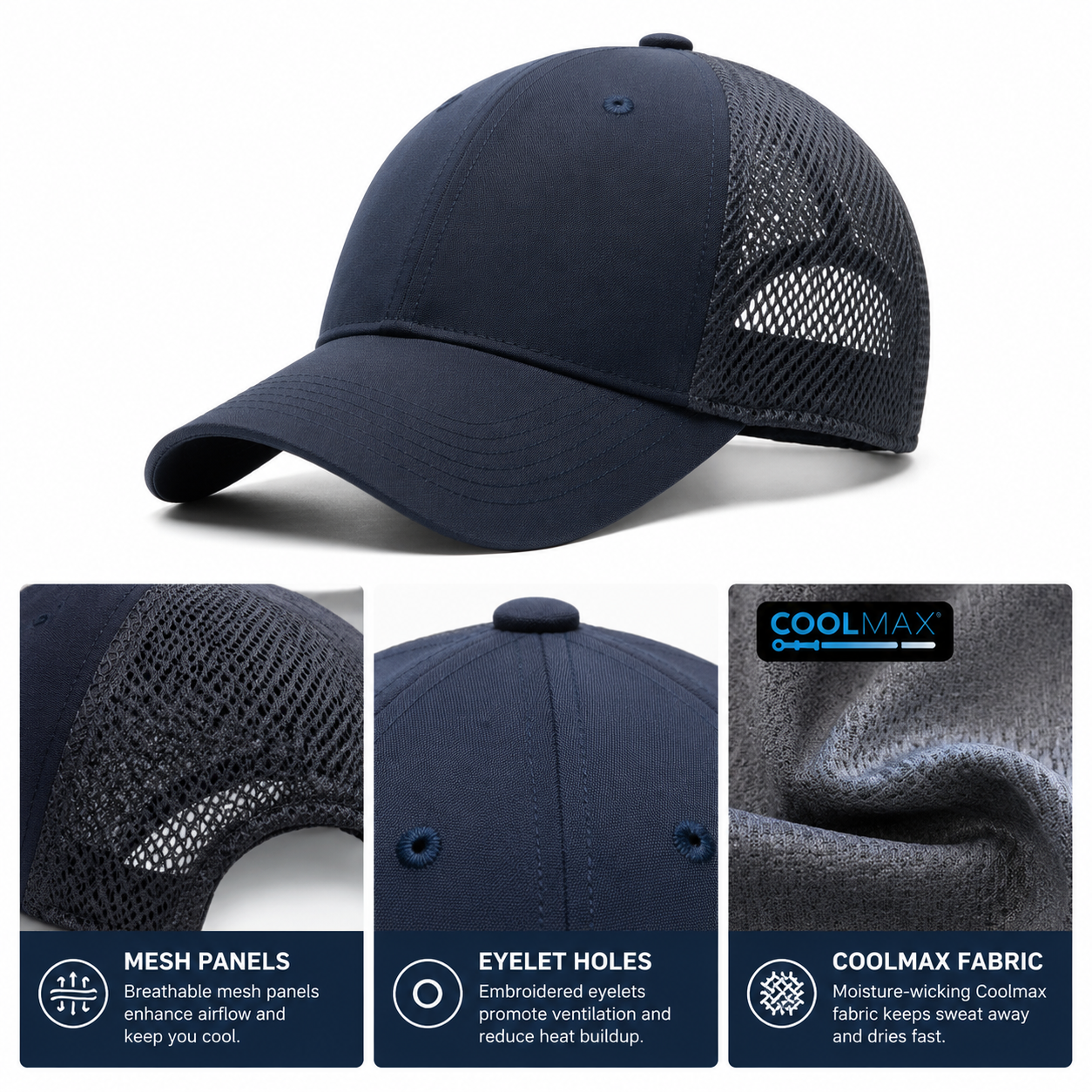
Mesh back panels remain the most popular ventilation solution for performance baseball caps, accounting for approximately 68% of all ventilated caps produced in China’s major manufacturing hubs. The mesh construction allows continuous airflow across the back of the head while maintaining a structured front that displays logos and embroidery cleanly. Three primary mesh types dominate the wholesale market: polyester mesh (most cost-effective at $0.15-0.30 per cap), nylon mesh (higher durability at $0.30-0.50 per cap), and microfiber mesh (premium option at $0.50-0.80 per cap). Wholesale buyers ordering for sports teams should prioritize nylon mesh for its tear resistance—ASTM D3787 testing shows nylon lasts 3.2x longer than standard polyester mesh under repeated stretching.
For performance applications like sports team caps and outdoor work uniforms, mesh density is a critical specification. Open mesh with 3mm openings and approximately 55% open area maximizes airflow but reduces opacity—the wearer’s hair may be visible through the mesh. Semi-open mesh with 1.5mm openings and 30% open area balances ventilation with coverage and is the standard for most mesh-back baseball caps in the wholesale market. Closed mesh with 0.8mm openings and 15% open area provides minimal ventilation but maximum durability and opacity, suitable for caps requiring a professional appearance with some airflow benefit. Wholesale buyers should specify mesh density in their order documentation to avoid receiving caps with different ventilation characteristics than expected. When requesting samples from factories, ask for caps with each mesh density to compare the ventilation-feel tradeoff before committing to a full production run.
Baseball Cap Sweatband Types Wholesale Guide for Buyers — complementary sweatband materials that work with mesh back designs.
Eyelet Ventilation Systems: Stitching and Placement Options

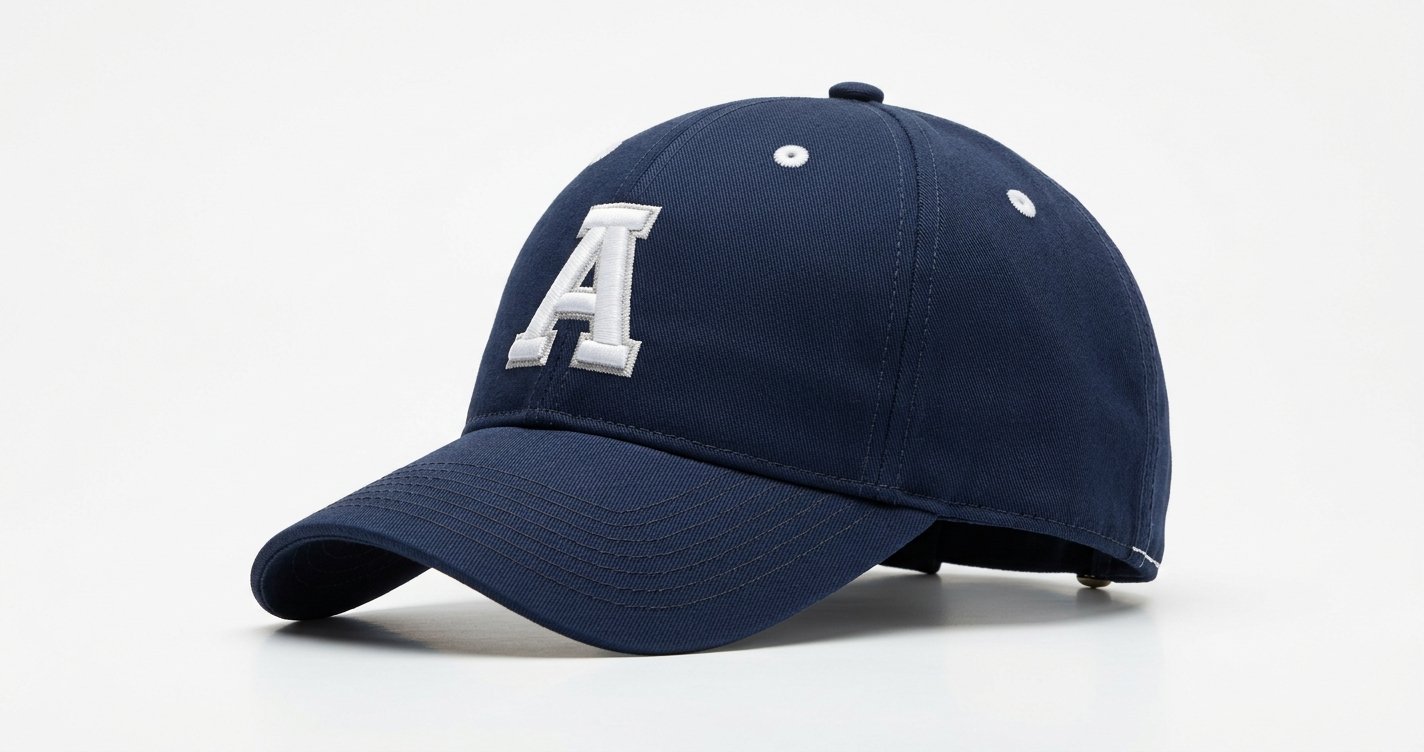
Traditional embroidered eyelets provide localized ventilation without altering the cap’s classic appearance. Premium caps use 4 eyelets (two front, two rear) with 6-8mm diameter openings. Machine-embroidered eyelets cost approximately $0.08-0.15 per cap to produce, while laser-cut eyelets cost $0.20-0.35 per cap but offer cleaner edges and consistent sizing. Industry data shows that eyelet diameter and placement significantly affect perceived comfort: caps with 8mm rear eyelets reduce internal temperature by an average of 1.8 degrees C compared to non-ventilated caps during 60-minute wear tests. Wholesale buyers should request 8mm rear eyelets for caps intended for warm-climate distribution.
Eyelet reinforcement is another factor buyers often overlook. Unreinforced embroidered eyelets may stretch and deform over time, especially in caps that are frequently washed or worn in humid conditions. Reinforced eyelets use an additional stitching pass or a small plastic ring insert behind the fabric to maintain shape through repeated washing cycles. The cost differential is minimal—approximately $0.03-0.06 per cap for reinforced stitching—but the durability improvement is significant, with reinforced eyelets showing 90% less deformation after 50 wash cycles in standardized testing. For branded merchandise where caps must maintain their appearance through multiple seasons, specifying reinforced eyelet construction is recommended. Eyelet thread color matching also remains a critical quality marker for upscale branded caps.
Moisture-Wicking Sweatband Fabrics: Coolmax and Cotton Blends
The sweatband is the primary contact point between cap and wearer, making fabric selection critical for moisture management. Standard cotton sweatbands absorb sweat but remain wet, leading to discomfort and potential skin irritation during extended wear. Performance-focused options include Coolmax all-polyester sweatbands that wick moisture away from the skin surface at a rate of 0.8g/cm2 per hour per ASTM E96 testing, keeping the forehead dry during physical activity. The performance premium over standard cotton sweatbands is substantial—Coolmax sweatbands retain 72% less moisture weight after 30 minutes of simulated perspiration. Wholesale pricing for Coolmax sweatbands adds $0.25-0.55 per cap compared to standard cotton.
Cotton-terry sweatbands offer mid-range performance: they absorb moisture effectively up to 150% of their dry weight but do not actively wick it away. This makes them suitable for casual and promotional cap applications where wear duration is under 4 hours. For caps destined for hot and humid climates like Southeast Asia or the Southern United States, antimicrobial sweatband treatments provide an additional value layer. Silver-ion or zinc-based antimicrobial treatments add approximately $0.08-0.15 per cap and inhibit bacterial growth that causes odor in sweat-soaked sweatbands. Several major hospitality chains now require antimicrobial sweatband treatment as a standard specification for their branded headwear.
Baseball Cap Fabric Weight GSM Guide for Wholesale Buyers helps select appropriate cotton weight for sweatband applications.
Breathable Fabric Panels: Cotton vs Performance Fabrics
Beyond mesh and eyelets, the primary crown fabric itself determines baseline breathability. Cotton caps commonly use 100% cotton twill at 190-220 GSM and offer natural breathability with airflow permeability measured at 15-25 cfm. However, cotton absorbs sweat and loses breathability when wet, dropping to 5-10 cfm. Performance polyesters and nylon blends maintain consistent breathability even when wet. A 65/35 polyester-cotton blend maintains 18-22 cfm dry and 15-18 cfm wet—representing only a 20-30% reduction versus 60-70% for pure cotton. Blended fabrics at 80/20 cotton-polyester ratios offer a compromise: 85% of the cotton feel with 50% better wet breathability.
Weave structure also affects breathability. Twill weave cotton caps offer moderate breathability, while basket weave or herringbone structures can improve airflow by 10-15% without changing the fabric composition. For maximum breathability in a non-mesh cap, specify 2×2 rib knit cotton fabric which offers the highest natural air permeability among woven cotton structures commonly used in cap manufacturing. Rib knit caps cost approximately 10% more than standard twill caps at wholesale level but provide a unique texture that some buyers find marketable for casual wear applications. Performance fabric caps cost approximately 15-30% more than equivalent cotton caps at wholesale level, making the cost-benefit analysis important for buyers targeting specific price points.
Ventilation Design Checklist for Wholesale Orders
Use this checklist when reviewing ventilation specifications with your factory: confirm mesh panel location (full back vs side panels) and mesh material (polyester vs nylon); specify eyelet count and diameter (standard 4 x 8mm for general use, 6 x 8mm for high-heat applications); choose sweatband fabric based on wear duration (cotton for under 4 hours, Coolmax for 4+ hours); verify that moisture-wicking claims are supported by ASTM E96 or equivalent testing data; and request ventilation durability testing where 50 wash cycles should not degrade mesh integrity or eyelet stitching.
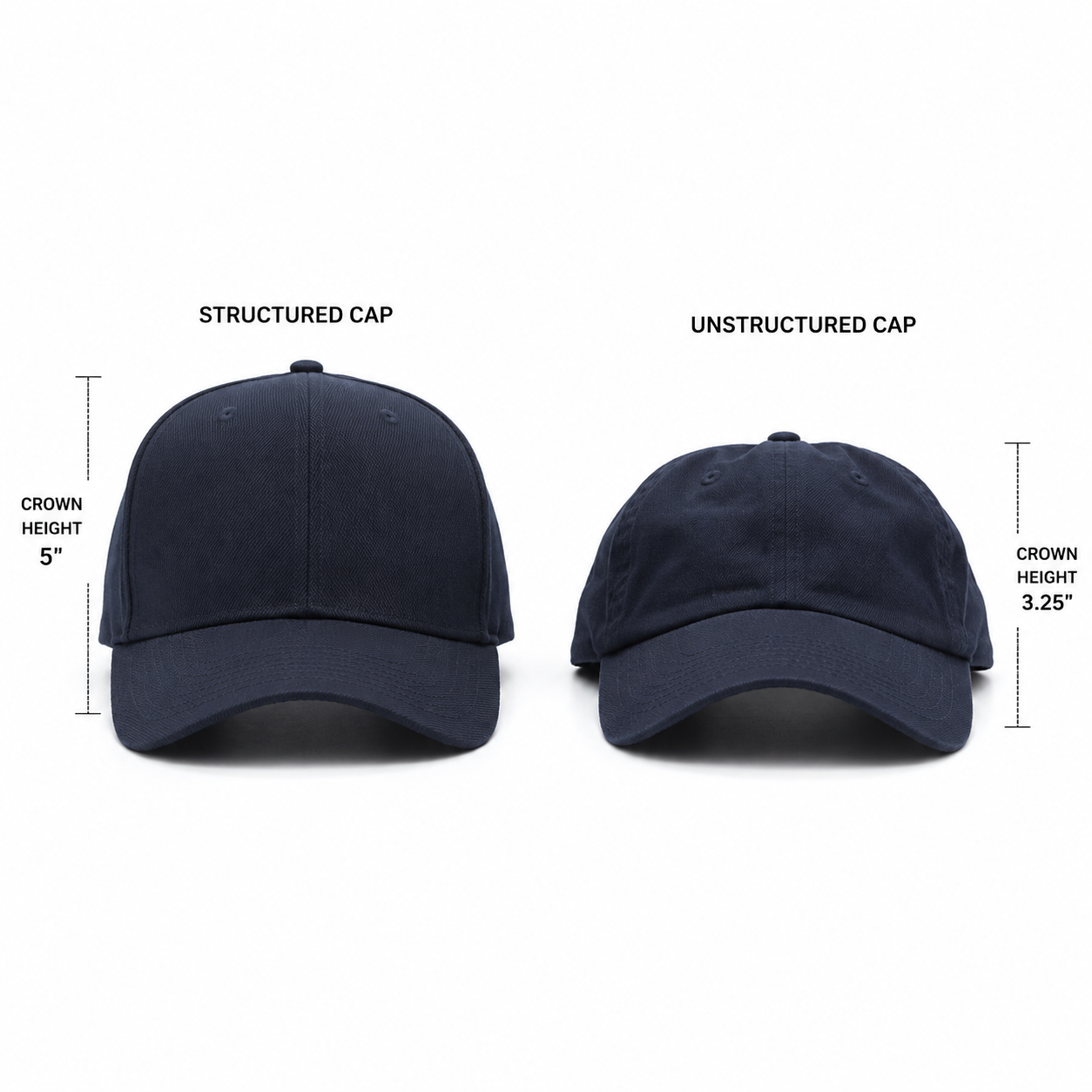
Baseball Cap Crown Depth Wholesale: Structured vs Unstructured Guide discusses how crown structure affects airflow patterns inside the cap. External references: ASTM E96 moisture vapor transmission standard; Wikipedia moisture-wicking analysis; Statista sports cap market report projects 5.2% annual growth through 2028.
FAQ: Baseball Cap Ventilation
What is the most breathable baseball cap design?
How much does ventilation design add to wholesale cap cost?
Does ventilation affect embroidery quality?
Can ventilation be added to structured caps?
Conclusion: Order Ventilated Baseball Caps from Hongyuecap
Selecting the right ventilation design requires balancing cost, target use case, and end-user expectations. Hongyuecap manufactures custom baseball caps with all four ventilation types described above, offering MOQ starting at 100 pieces per design. We provide free samples for quality evaluation, ASTM testing documentation upon request, and custom specification sheets for bulk orders. Contact us for a wholesale quote or email [email protected].
Factory quality audits and third-party certifications help wholesale buyers verify supplier capabilities before placing bulk orders. Sample evaluation programs allow assessment of product quality before full production runs. OEKO-TEX Standard 100 dhe ISO textile quality standards provide certification frameworks for hat manufacturing. Textile manufacturing quality standards dhe global headwear market data help buyers make informed sourcing decisions. Wholesale buyers can reference these standards when establishing quality requirements with manufacturing partners. Production sampling, quality documentation review, and supplier auditing are standard practices that leading buyers use to ensure consistent product quality. Third-party quality certifications from recognized industry bodies help wholesale buyers verify that their manufacturing partners meet international quality standards. Regular quality audits and inspection protocols should be established as part of the supplier relationship management process for long-term sourcing partnerships. Factory quality audits and third-party certifications help wholesale buyers verify supplier capabilities before placing bulk orders. Sample evaluation programs allow assessment of product quality before full production runs. OEKO-TEX Standard 100 dhe ISO textile quality standards provide certification frameworks for hat manufacturing. Textile manufacturing quality standards dhe global headwear market data help buyers make informed sourcing decisions. Wholesale buyers can reference these standards when establishing quality requirements with manufacturing partners. Production sampling, quality documentation review, and supplier auditing are standard practices that leading buyers use to ensure consistent product quality. Third-party quality certifications from recognized industry bodies help wholesale buyers verify that their manufacturing partners meet international quality standards.