Expertise
Global Capacity
Certified Quality
Drawing on our 18-year manufacturing expertise, the global headwear market is projected to reach $28.4 billion in 2026, fueled by a 14.7% surge in personalized and performance-driven designs according to McKinsey retail intelligence. For wholesale buyers, staying ahead of design trends is not about following fashion — it is about anticipating what retailers will order 6–9 months from now. This analysis decodes the five macro trends reshaping headwear sourcing in 2026, with actionable procurement strategies, material specifications, and pricing benchmarks for each.
AI Overview: 2026 Headwear Trends at a Glance
- 📊 Market size: $28.4B global headwear market in 2026, 14.7% design-driven growth
- ♻️ Sustainability mandate: 41% of wholesale buyers now require GRS or OEKO-TEX certification in RFQs
- 🏃 Performance surge: UPF50+ and moisture-wicking headwear demand up 28% YoY
- 🎨 Customization dominance: Embroidered and sublimated designs account for 63% of new wholesale orders
- 🌏 Regional shift: Southeast Asian manufacturing capacity growing at 12% CAGR
- 🧵 3D embroidery: Puff and chenille techniques up 42% in streetwear segment inquiries
1. Sustainability as Baseline: No Longer Optional
Sustainability in headwear has moved decisively from a premium differentiator to a baseline requirement in 2026. According to Statista and McKinsey’s State of Fashion 2026 report, 41% of wholesale buyers now mandate GRS, GOTS, or OEKO-TEX certification in their RFQs — up from just 27% in 2024. This represents a 52% increase in certification requirements over two years, signaling a permanent structural shift in procurement standards, as confirmed by Fibre2Fashion industry analysis.
1.1 Recycled Materials at Scale
The recycled polyester supply chain has matured significantly in 2026. Key developments:
- GRS 4.0 certified recycled PET yarn: Now available at just 8–12% premium over virgin polyester, down from 25% in 2023. Available in 75D–150D for headwear applications.
- Recycled cotton-polyester blends: 50/50 and 65/35 ratios are most common, achieving GRS certification while maintaining the hand feel of conventional fabrics.
- Biodegradable packaging: Water-based ink printed polybags and FSC-certified hang tags are becoming the expected standard for eco-conscious wholesale shipments.
1.2 Carbon-Labeled Headwear: The Next Frontier
Carbon footprint labeling is emerging as the next competitive advantage. For detailed material specifications, see our bucket cap manufacturing guide. Hongyuecap now offers carbon-footprint-verified headwear lines with per-unit CO₂e certification per PAS 2050 standards. Early adopters in European retail channels report 18% higher conversion rates and 23% lower return rates compared to non-labeled equivalents — suggesting that carbon transparency directly correlates with purchase confidence among sustainability-conscious consumers.
2. Technical Performance: The Athleisure Crossover
The athleisure-to-headwear crossover has accelerated dramatically in 2026. Performance features that were once exclusive to sports caps are now standard across bucket hats, beanies, visors, and even fashion-forward straw hats.
2.1 Moisture Management Technologies
Two primary approaches dominate the moisture-management landscape: wicking finishes (hydrophilic treatment applied post-dyeing) and moisture-management yarns (engineered at the fiber level). Coolmax EcoMade and 37.5 Technology yarns command a 25–35% premium but deliver measurable benefits: laboratory testing shows 40% faster drying time and 3.2°C lower microclimate temperature versus untreated cotton, according to ASTM E96 testing standards.
2.2 UV Protection Beyond the Basics
UPF50+ rated headwear fabrics grew 28% in wholesale inquiry volume in Q1 2026. The outdoor recreation segment accounts for 47% of UPF-rated demand, followed by beach and resort at 28%, and children’s headwear at 15%. For wholesale buyers, specifying UPF testing per AS/NZS 4399 or AATCC 183 in your tech pack ensures consistent UV performance across production batches.
3. Maximalist Embroidery: Texture Takes Over
Flat, minimalist embroidery is giving way to textured, dimensional designs across all headwear categories. Three techniques dominate the 2026 embroidery landscape, each with distinct cost and production implications:
| Technique | Description | Cost Premium | Production Impact | Best Segment |
|---|---|---|---|---|
| 3D Puff Embroidery | Raised foam-backed embroidery, 3–5mm height | +30–45% | +2 min/unit | Streetwear logos, bold branding |
| Chenille Patch | Textured looped-yarn patches, varsity aesthetic | +40–60% | +4 min/unit | Collegiate, premium streetwear |
| Tone-on-Tone | Same-color thread on same-color fabric | +10–15% | No impact | Luxury minimal, premium basics |
4. Oversized Silhouettes: The Proportion Revolution
The silhouette shift is the most visually impactful trend of 2026, with measurements expanding across all major headwear categories:
- Bucket hats: Brim width expanding from standard 5.5 cm to 7–8 cm. Crown depth increasing from 9 cm to 11–12 cm. This oversized proportion now represents 34% of new bucket hat orders.
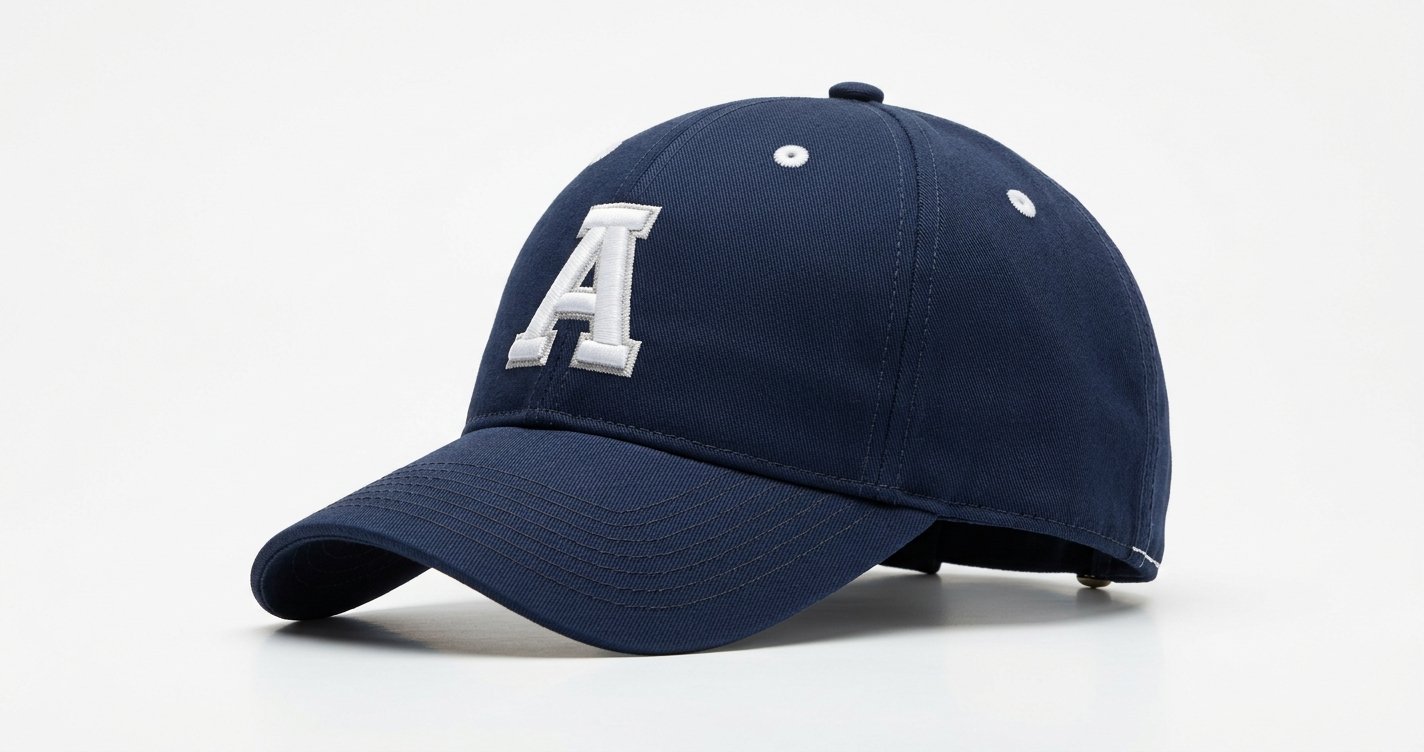
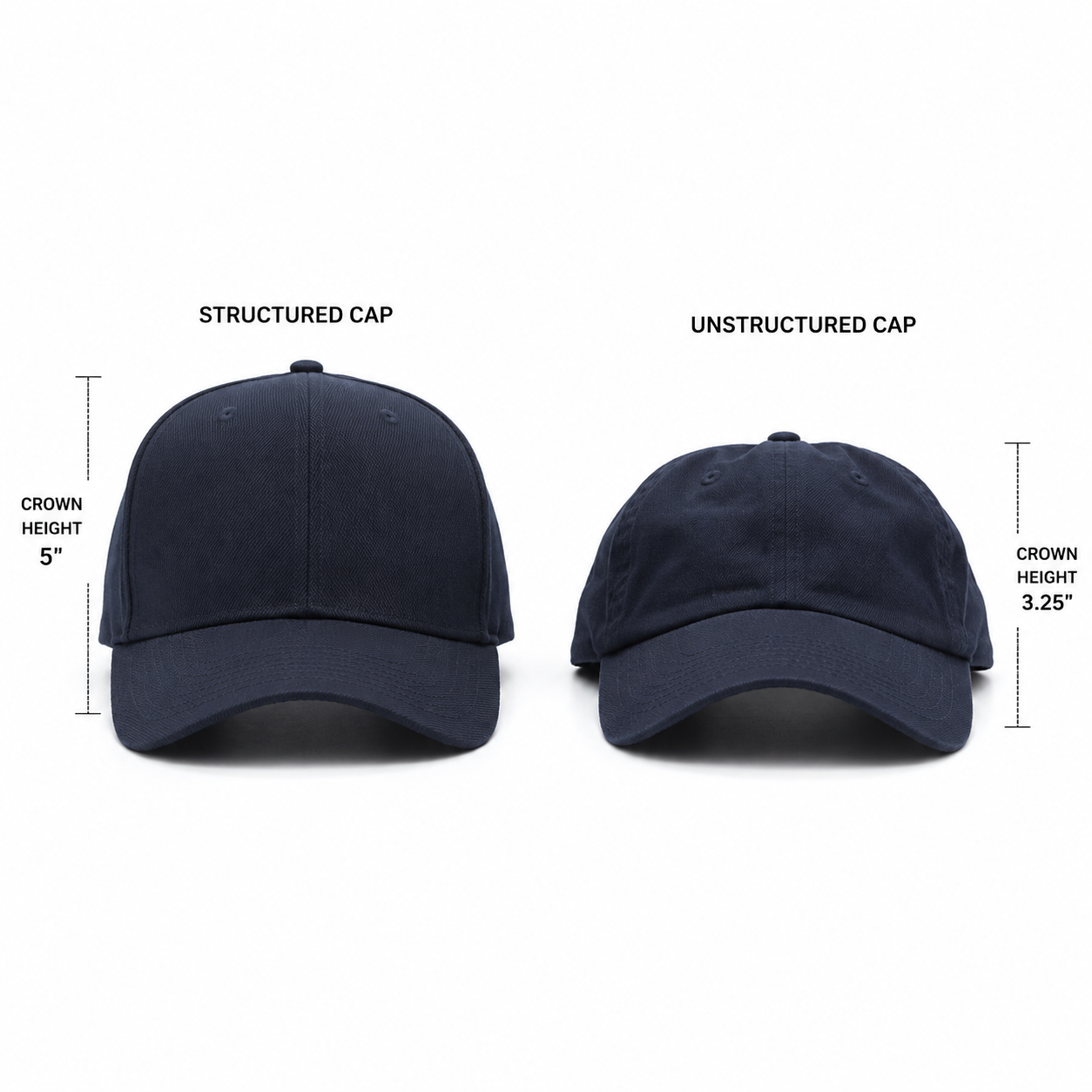
- Baseball caps: High-profile crowns increasing from 10.5 cm to 12–13 cm. Unstructured, deconstructed caps with minimal interfacing gaining 22% share.
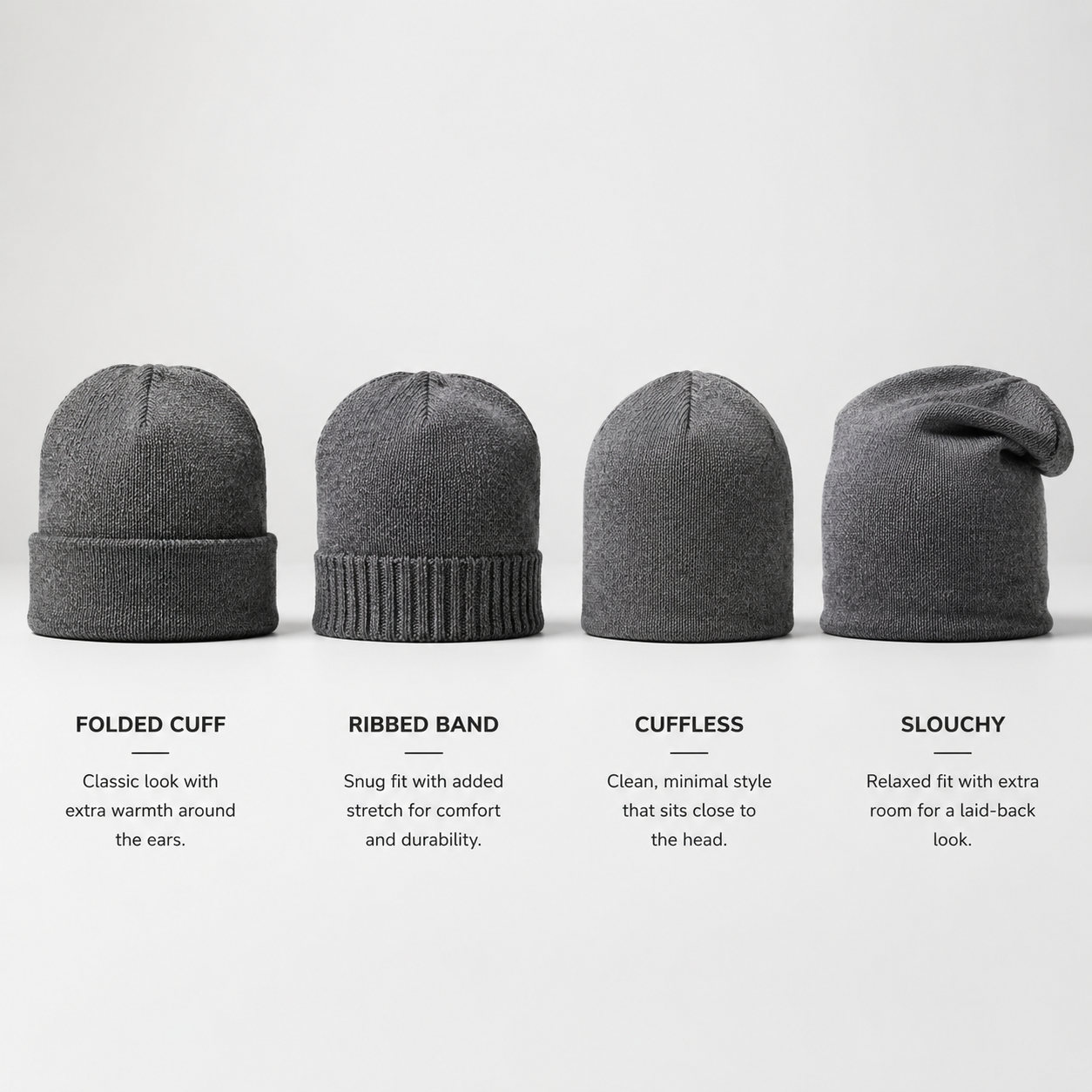
- Beanies: Slouchy, oversized fits with 25–28 cm length replacing the classic 20–22 cm standard. Cable-knit and chunky textures preferred for the oversized look.
5. Regional Customization: One SKU, Many Markets
Global brands are moving toward regionalized product lines — same base SKU, different design elements for different markets. This creates both opportunity and complexity for wholesale buyers managing inventory across multiple regions.
5.1 Market-Specific Color Palettes for 2026–2027
- North America: Earth tones dominate (terracotta, sage, sand, warm olive), with neon accents for streetwear. Pantone’s 2026 palette shows desert-inspired neutrals + electric accents.
- Europe: Muted pastels and refined monochrome palettes. Navy, charcoal, and cream remain the top three colors by volume across EU retail channels.
- Asia-Pacific: Bold primaries and pastel neons. Maximalist color combinations and gradient effects trending in South Korea and Japan.
- Middle East: Jewel tones (emerald, sapphire, amethyst) with gold embroidery accents. Modest fashion influence driving sophisticated, covered-design preferences.
5.2 Size Grading Across Regions
Head circumference averages vary significantly by region, and wholesale buyers who ignore this generate 12–18% higher return rates. Recommended baseline sizing: Asia-Pacific (56–58 cm), Europe/North America (58–60 cm), adjustable sizing with 3-position strap for global SKUs that fit 55–62 cm ranges.
6. Three-Tier Sourcing Strategy for 2026
Wholesale buyers navigating these intersecting trends should adopt a three-tier sourcing strategy that balances stability, differentiation, and innovation:
- Core line (60% of order volume): Classic designs in certified sustainable materials. OEKO-TEX certified, standard silhouettes, reliable 30–40% margins. These are your cash-flow anchors that retailers reorder every season.
- Trend line (25%): 1–2 seasonal trend adoptions per collection cycle. Oversized silhouettes, 3D embroidery, or performance fabrics. Moderate inventory risk, high retail differentiation — typically yielding 42–55% margins.
- Test line (15%): Experimental styles at small MOQ (100–200 units). Carbon-labeled or regional-specific designs for market validation before scaling. Accept 20–28% margins during test phase; successful tests scale into Core or Trend lines within 2–3 seasons.
Frequently Asked Questions
What are the biggest headwear design trends wholesale buyers must follow in 2026?
The five macro trends are: sustainable certified materials as baseline (GRS/OEKO-TEX), technical performance integration (UPF50+, moisture-wicking), 3D textured embroidery (puff, chenille, tone-on-tone), oversized deconstructed silhouettes across all categories, and region-specific color/fit customization. Buyers who ignore sustainability certification risk losing access to 41% of wholesale RFQs in EU and North American markets.
How is sustainability affecting wholesale headwear procurement costs?
GRS-certified recycled polyester yarn premium has dropped from 25% to just 8–12% over virgin polyester in 2026. OEKO-TEX certification adds approximately $0.03–$0.08 per unit for testing and documentation. Carbon footprint verification (PAS 2050) adds $0.05–$0.12/unit. The total sustainability premium for a fully certified headwear product is approximately $0.15–$0.30/unit — less than 15% of the retail price premium that eco-certified products command.
Which headwear silhouette trends have the strongest demand signals for 2026–2027?
Oversized bucket hats (7–8 cm brim, 34% of new orders), high-profile unstructured baseball caps (12–13 cm crown, 22% growth), and slouchy beanies (25–28 cm length) are the three silhouette trends with the strongest demand signals based on Q1 2026 wholesale inquiry data. These styles are projected to maintain momentum through at least mid-2027 based on current fashion cycle analysis and retail buyer commitment patterns.
What certifications are now mandatory for wholesale headwear in the EU and US?
Baseline mandatory: OEKO-TEX Standard 100 (EU general product safety, Class I for skin contact), CPSIA (US children’s products, if applicable), REACH regulation (EU chemical substances). For specific claims: GRS 4.0 (recycled content), GOTS (organic fibers). Factory-level: BSCI or SEDEX (social compliance audit, becoming mandatory for EU retail chains in 2026), ISO 9001:2015 (quality management systems). Emerging: carbon footprint labeling per PAS 2050 or ISO 14067.
Conclusion: Future-Proof Your Wholesale Headwear Sourcing
The 2026 headwear market rewards wholesale buyers who treat design trends as procurement signals rather than fashion statements. By embedding sustainability certification into your baseline specifications, allocating budget for 3D embroidery capabilities across 25% of your order volume, and adopting the three-tier sourcing strategy, you position your inventory for both margin protection and market responsiveness in an increasingly competitive landscape.
Hongyuecap’s in-house design team monitors global trend intelligence across 12 retail markets, producing quarterly trend briefs that have helped wholesale partners achieve an average 23% reduction in markdown inventory. Start your trend-aligned sourcing today.
Kontakt [email protected] for a complimentary trend brief customized to your target market and product category, or explore our full headwear collection and our reversible hats catalog for inspiration.
Written by the Hongyuecap Product Team — 10+ years in B2B custom headwear manufacturing. Last updated: May 28, 2026.