
Cotton vs Polyester vs Nylon Hats: 6-Point Material Selection Guide for Wholesale Buyers (2026)
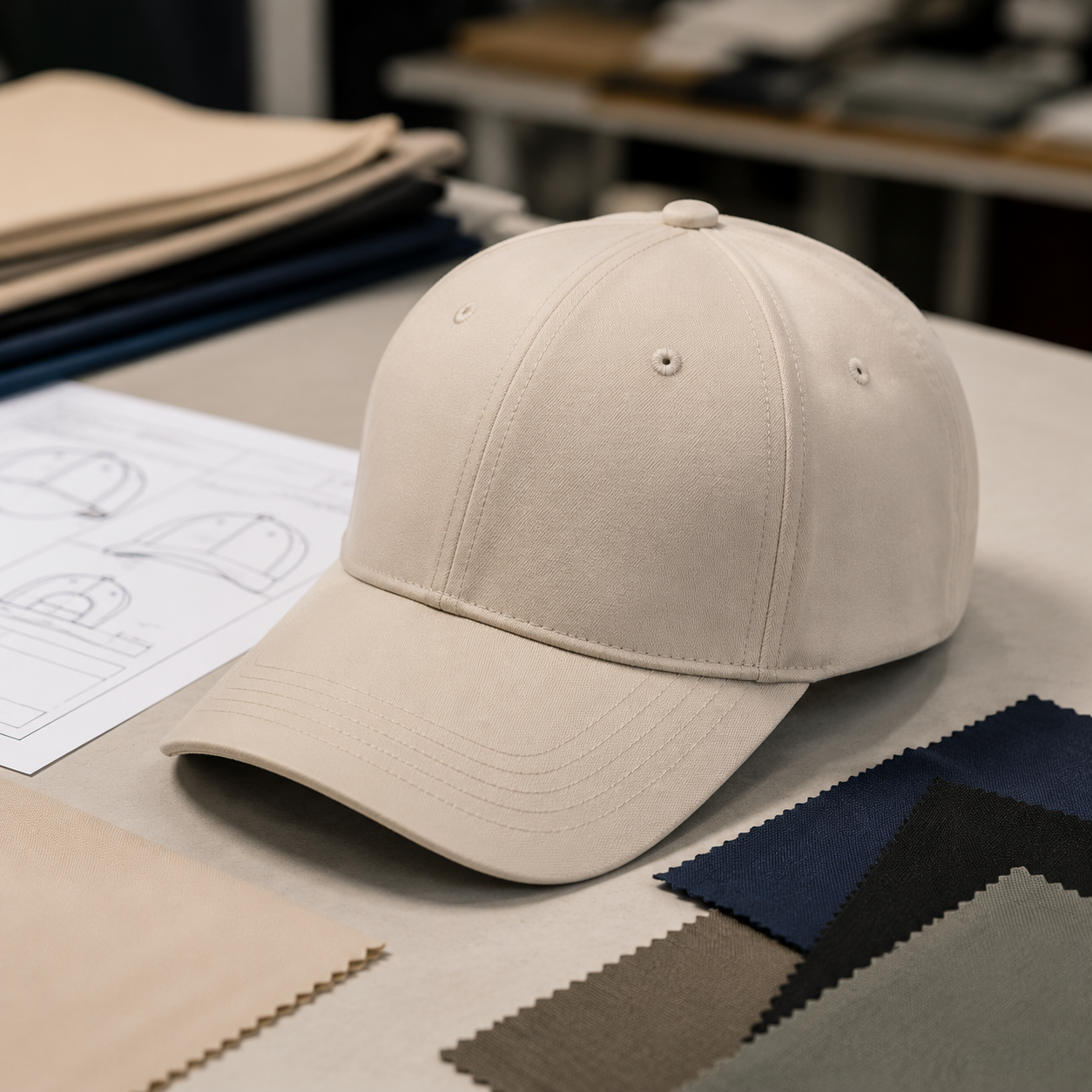
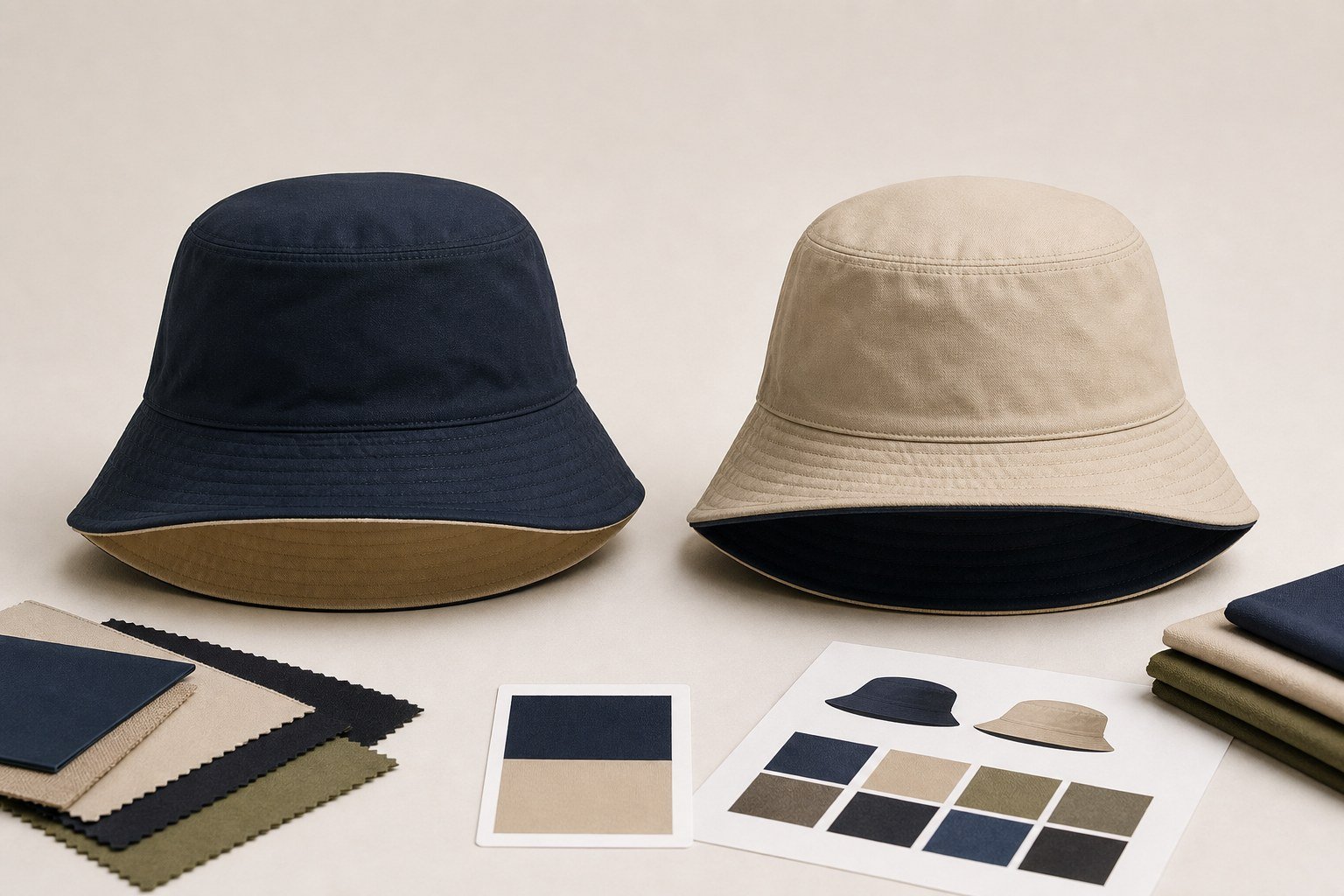
Fabric choice strongly affects durability, printability, breathability, cost and perceived quality. Wholesale material problems often begin with selecting fabric on price alone. Compare composition, weight, weave, finish, decoration compatibility and test requirements before approving the material.
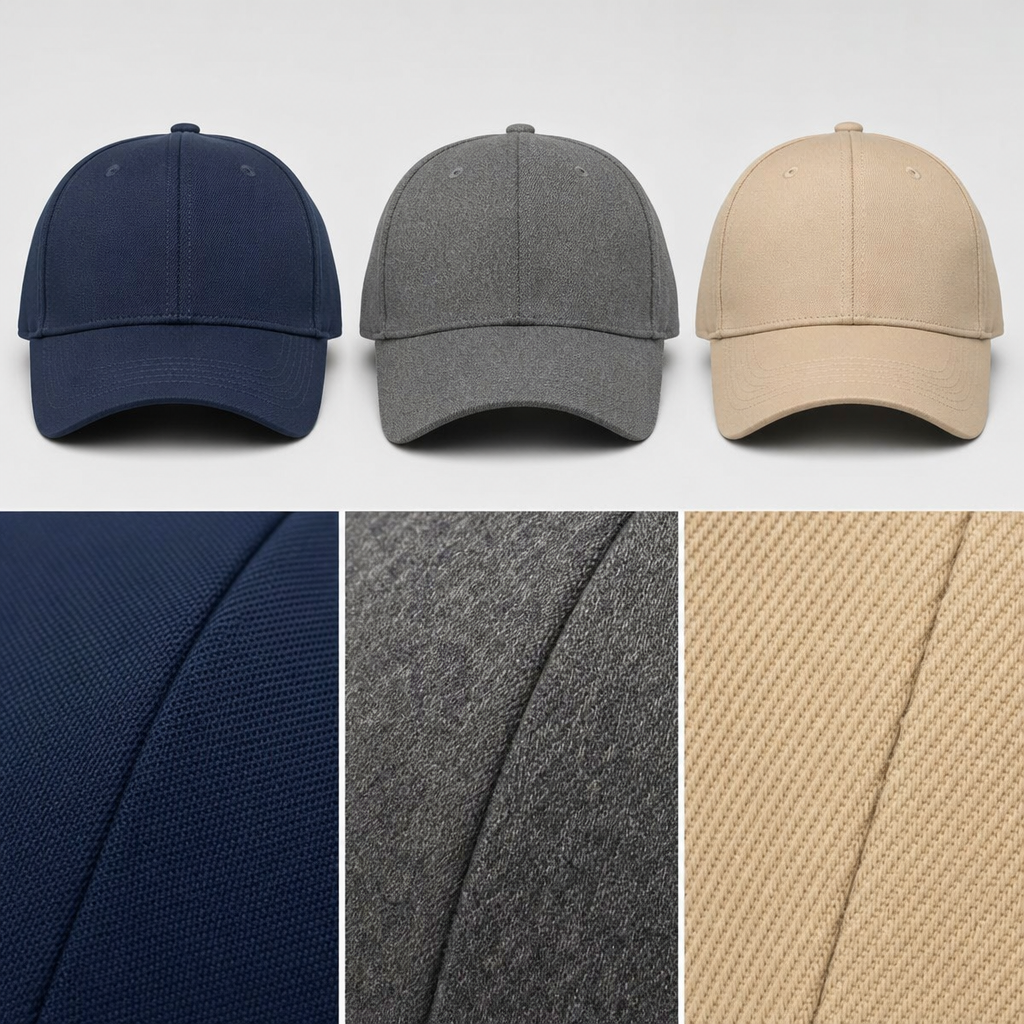
This guide breaks down the four primary hat fabrics — cotton, polyester, nylon, and wool blends — across the seven dimensions that matter to wholesale buyers: cost, durability, print compatibility, breathability, shape retention, colorfastness, and environmental profile.
Cotton Hats: The Premium Feel with Trade-Offs
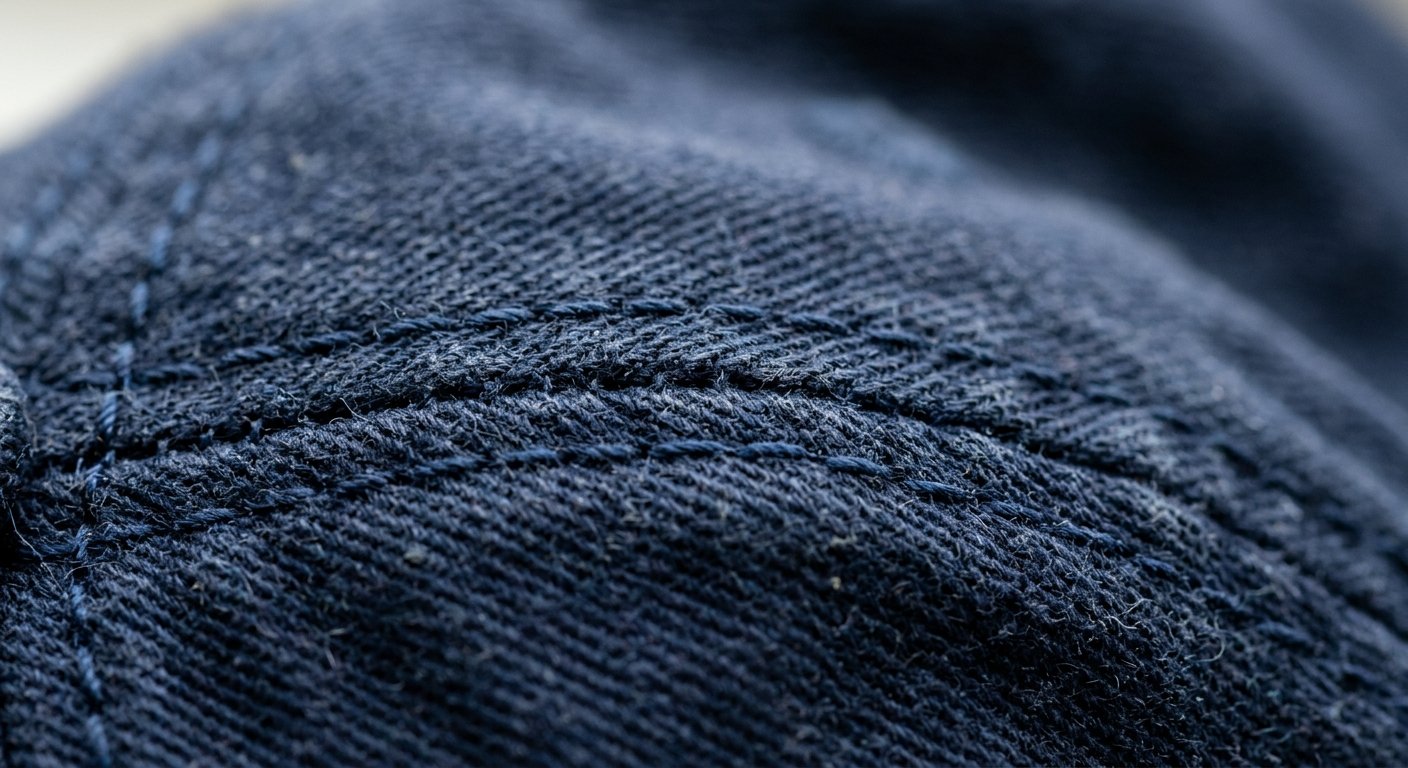
Cotton is the most popular hat fabric by volume, accounting for roughly 55% of Hongyuecap’s baseball cap and bucket hat production. It’s the default choice for buyers who prioritize hand feel and natural appearance.
What Cotton Does Well
– Hand feel: Soft, natural touch that premium brands prefer for retail presentation
– Print absorption: Cotton absorbs screen printing ink and DTF transfers better than synthetic fibers, yielding 15-20% better color saturation on complex designs
– Breathability: Natural fiber structure allows airflow — important for summer hats
– Dye absorption: Cotton takes reactive dyes deeply, producing richer and more consistent dark colors than polyester
What Cotton Does Poorly
– Shrinkage: Expect 3-5% shrinkage after first wash — enough to change a fitted cap’s sizing. Pre-shrunk cotton reduces this to 1-2% but adds $0.15-0.25 per unit
– Colorfastness: Cotton’s AATCC 61 colorfastness rating averages 3.5/5 versus polyester’s 4.5/5. Colors fade noticeably after 20-30 washes
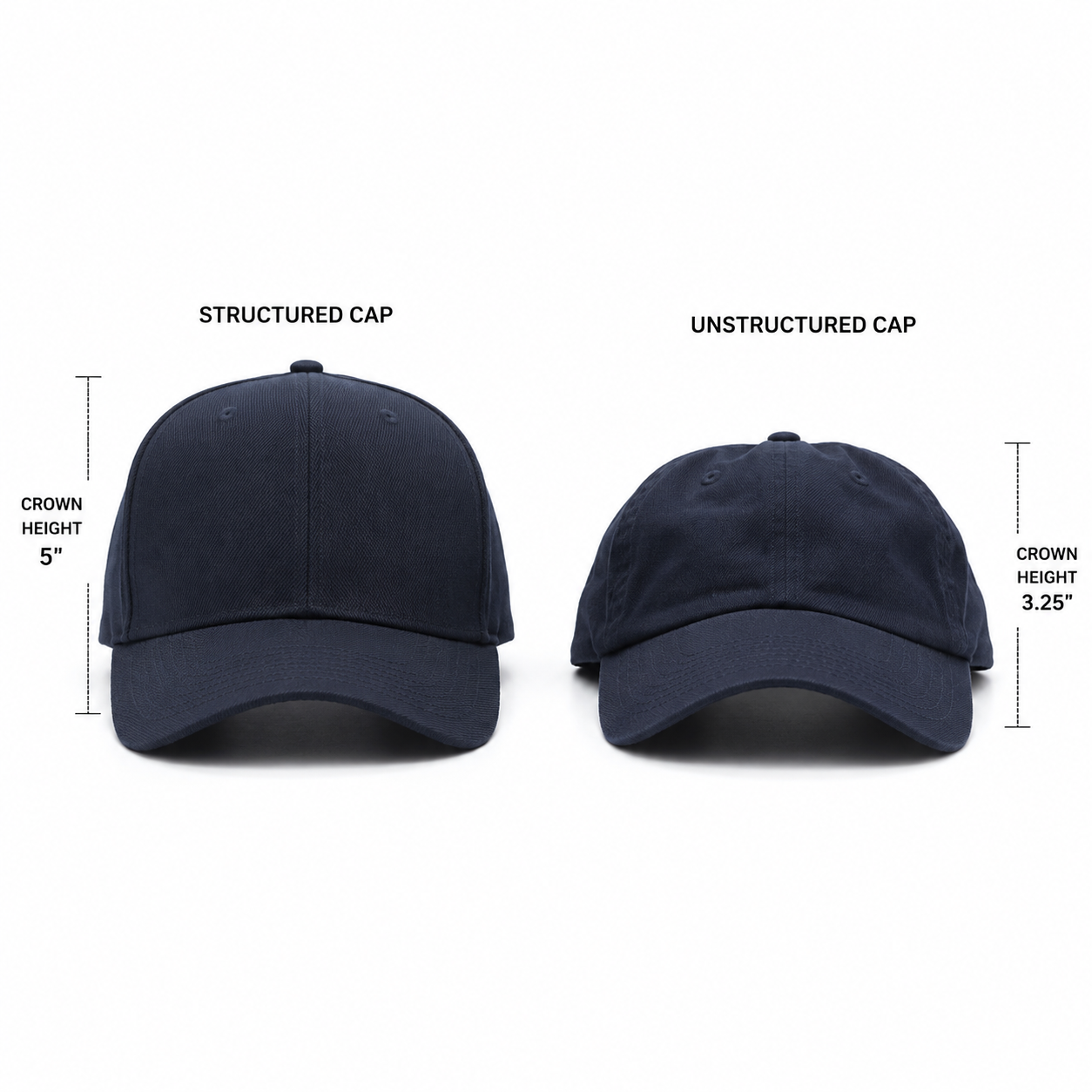
– Shape retention: Unstructured cotton caps lose crown shape over time. Structured caps with buckram backing solve this but add cutting complexity
– Water absorption: Cotton absorbs moisture — bad for sports caps, good for dye penetration
Best Use Cases
– Premium retail brands where hand feel drives perceived value
– Screen-printed designs with 4+ colors
– Corporate gifts where “natural fiber” is part of the presentation
– Indoor and mild-weather use
Wholesale Pricing
Cotton-cap pricing and MOQ depend on fabric weight, finish, construction, decoration, quantity, packaging and current material availability. Request a current quotation for the approved specification.
Polyester Hats: The Performance Workhorse
Polyester is widely used for athletic, outdoor and promotional headwear because its performance, finish and decoration options can be matched to different programs.
What Polyester Does Well
– Durability: Abrasion resistance rated 4.5/5 (Martindale test, 20,000 cycles) — roughly 40% better than cotton
– Colorfastness: Holds color through 50+ washes with minimal fading. Sublimation printing on polyester achieves photographic-quality full-color prints impossible on cotton
– Shape retention: Polyester’s memory fiber returns to original shape after folding, crushing, or washing — critical for trucker caps and structured crowns
– Moisture wicking: Polyester is hydrophobic — sweat evaporates quickly, making it the standard for performance caps
– Recycled content: rPET (recycled polyester) from post-consumer bottles is readily available, enabling sustainability claims that cotton struggles to match
What Polyester Does Poorly
– Hand feel: Budget polyester feels synthetic and can irritate sensitive skin. Higher-grade micro-polyester (≥150 GSM) closes the feel gap with cotton but costs 20-25% more than standard polyester
– Static electricity: Polyester builds static in dry environments — noticeable in winter retail display
– Print limitation: Screen printing on polyester requires low-bleed inks (adds $0.08-0.12/unit). Without them, dye migration from the polyester fibers bleeds through prints
Best Use Cases
– Sports teams and athletic brands
– Outdoor events where hats face sun, sweat, and rain
– Sublimated full-color designs
– Eco-conscious brands using rPET for sustainability marketing
– Promotional giveaways where durability matters more than premium feel
Wholesale Pricing
Standard polyester cap at 500 units: $1.50-1.85 FOB — typically 15-20% cheaper than equivalent cotton. rPET (certified 85%+ recycled content) adds $0.30-0.45/unit.
Nylon Hats: The Specialist for Extreme Conditions
Nylon is the niche player in hat fabrics — low volume, high performance, essential for specific applications.
What Nylon Does Well
– Water resistance: Nylon is naturally hydrophobic. A nylon bucket hat with DWR (durable water repellent) coating achieves IPX-4 water resistance — suitable for rain, boating, and fishing
– Strength-to-weight ratio: Nylon ripstop fabric weighs 30% less than equivalent-strength polyester while resisting tearing better than any other common hat material
– Packability: Nylon hats can be crushed into a pocket and spring back — the standard for travel and outdoor gear hats
– UV resistance: Nylon naturally blocks UV better than cotton or polyester, with UPF ratings of 30-50 without chemical treatment
What Nylon Does Poorly
– Kosto: Nylon is the most expensive common hat fabric. Expect $2.40-3.00 FOB at 500 units — roughly 50% more than polyester
– Print difficulty: Nylon’s smooth surface resists ink adhesion. Screen printing requires nylon-specific inks and heat-setting. Embroidery works well but DTF transfers have mixed results
– Heat sensitivity: Nylon melts at lower temperatures than polyester — hot press decoration requires careful temperature control
– Limited color range: Nylon takes dye less readily than polyester, resulting in a narrower color palette
Best Use Cases
– Outdoor adventure brands (hiking, fishing, boating)
– Travel accessories and packable hats
– Rain-ready bucket hats and wide-brim sun hats
– Military and tactical headwear
Wool and Wool-Blend Hats: The Cold-Weather Specialist

Wool is the traditional material for knitted beanies and winter hats, though acrylic blends now dominate the budget segment.
What Wool Does Well
– Insulation: Merino wool provides 40% better warmth-to-weight than acrylic — critical for premium winter beanies
– Moisture management: Wool absorbs up to 30% of its weight in moisture without feeling wet — keeping heads warm even in damp conditions
– Natural odor resistance: Wool’s lanolin content naturally resists bacteria — a underappreciated advantage for winter sports hats worn multiple days between washes
What Wool Does Poorly
– Kosto: Merino wool beanies cost $3.50-5.00 FOB at 500 units — 2-3x the price of acrylic
– Care requirements: Wool requires hand wash or delicate cycle — a friction point for retail customers
– Itch factor: Lower-grade wool causes skin irritation. Hongyuecap recommends minimum 18.5-micron Merino for next-to-skin comfort
Material Comparison Table
How Hongyuecap Sources and Tests Hat Fabrics
Understanding fabric sourcing gives wholesale buyers leverage in negotiations and confidence in quality.
Material sourcing: State the required fiber composition, origin restrictions, certification scope and supplier documents in the RFQ. Match each claim to the selected mill, material lot and current evidence before approval.
Pre-production testing: Select the relevant methods for fiber composition, colorfastness, pilling, dimensional stability, tear strength and water repellency, then agree the sample source and acceptance criteria before production.
FAQ: Hat Material Selection for Wholesale Buyers
Should I choose cotton or polyester for corporate event hats?
Polyester is generally better for event giveaways — it’s cheaper, holds sublimated full-color logos better, and survives longer in attendees’ closets. Choose cotton only if your brand positioning requires a “premium natural” story and you’re willing to pay 15-20% more per unit.
Can I mix materials in one order?
Yes, but with a caveat: different materials run on different production lines. A mixed order of 250 cotton + 250 polyester caps will split across two cutting tables, adding 3-5 days to production lead time. Hongyuecap recommends keeping single-material orders for efficiency unless the mix is essential.
What material shows embroidery best?
Cotton twill provides the best embroidery surface — the natural fiber structure grips thread well and the fabric’s slight texture hides minor stitch irregularities. Polyester microfiber also embroiders cleanly but requires tighter tension settings. Nylon is the worst for embroidery because its smooth surface makes stitches sit on top rather than embed into the fabric.
Is recycled polyester (rPET) as durable as virgin polyester?
Do not assume rPET performs identically to virgin polyester. Compare abrasion, colorfastness and hand feel on the selected material, and verify any recycled-content claim against the applicable documents.
What’s the difference between 6-panel and 5-panel construction for material choice?
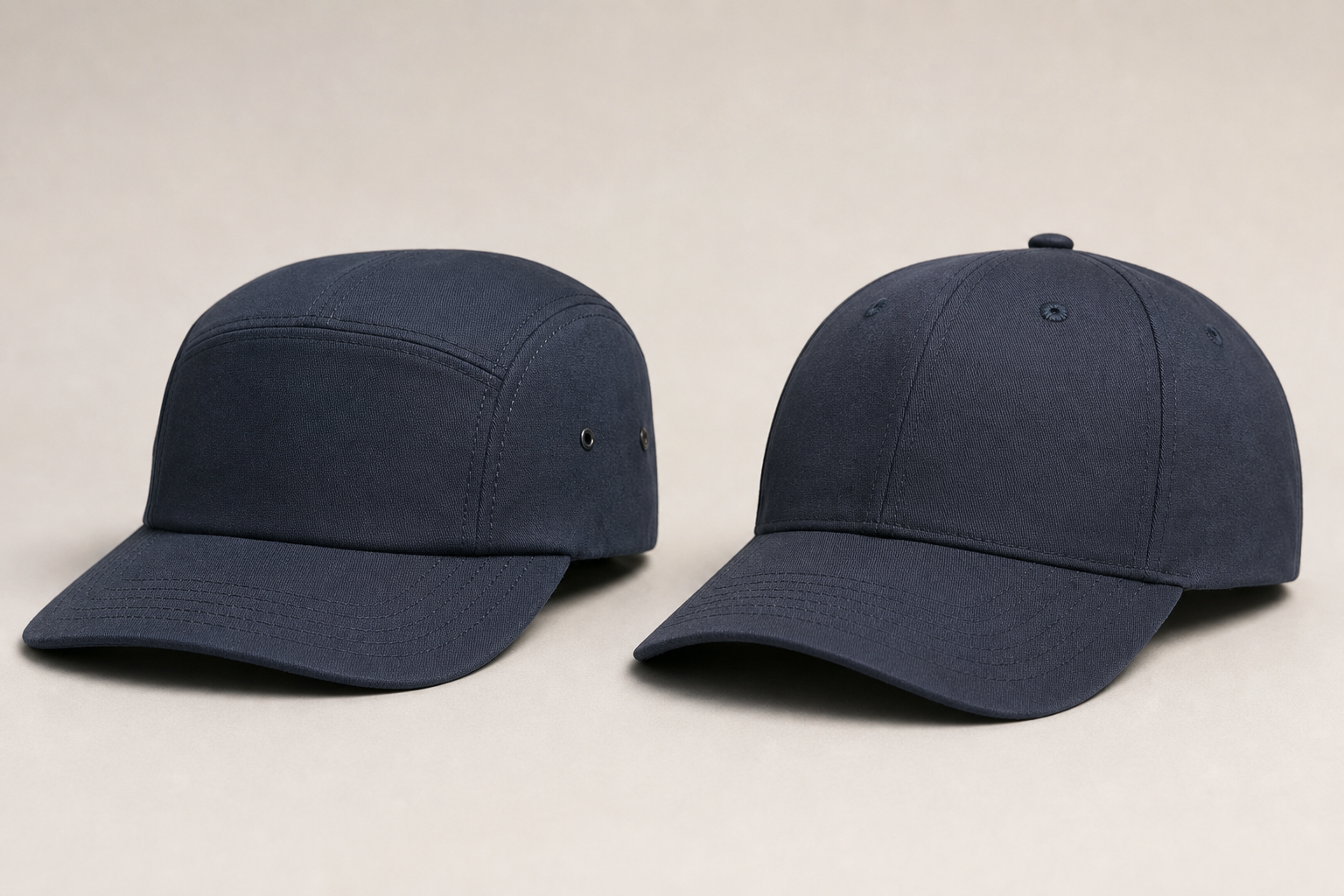
Panel count affects how fabric drapes — not which fabric to choose. However, 5-panel caps (with a continuous front panel) are better suited for polyester because the larger uninterrupted surface shows sublimation prints better. 6-panel caps divide the front into two pieces joined by a center seam — cotton’s softer drape makes this seam less visible than on stiff polyester.
Ready to select the right fabric for your next wholesale hat order? Hongyuecap’s sourcing team can send you a complimentary fabric swatch book covering cotton, polyester, nylon, wool blends, and rPET — with GSM, weave type, and color options for each. Na kontaktoni to request your swatch book and current FOB pricing.
*Sources: Technical references; AATCC Technical Manual; ASTM D3512/D2261 standards; Textile Exchange Preferred Fiber Market Report 2025; OEKO-TEX Standard 100 certification database.*
Frequently Asked Questions About Hat Material Selection
Which hat material is best for wholesale summer orders?
Cotton and polyester-cotton blends work best for summer hats due to breathability. Nylon is better for performance/outdoor hats. For budget-conscious wholesale buyers, polyester-cotton blends offer the best balance of quality and cost.
What is the MOQ for custom hats by material type?
MOQ varies by material, color, construction, decoration and mill availability. Mixed-material orders may require separate production lots; confirm the current MOQ and combining rules in the quotation.
How do I specify hat material quality in my purchase order?
Specify fabric weight (gsm/oz), composition percentage, and any certifications (OEKO-TEX, GRS). Request fabric swatches before bulk production. Include acceptable tolerance ranges for color, weight, and hand feel in your QC specifications.
Written by the Hongyuecap Product Team. Last updated: May 03, 2026.
Related Resources for Wholesale Buyers: