
Straw Hat Weave Types and Material Guide for Wholesale Buyers
Прямой ответ: Straw hat weave types determine durability, breathability, price point, and target market positioning — with Panama (toquilla palm) commanding the highest margins at $8–$25 FOB while paper braid dominates the volume segment at $1.80–$4.50 FOB from Guangdong factories.
“I ordered 5,000 straw hats last summer but 12% arrived crushed because I did not specify weave density. Now I need a supplier who actually understands weave grades.” — A US boutique chain buyer who switched to Hongyuecap in 2025
1. The 7 Major Straw Hat Weave Types Every Wholesale Buyer Must Know
When sourcing straw hats at wholesale volume, define the weave material, density, finish, target price and inspection tolerance. Use the following comparison as a specification starting point:
| Weave Type | Material Source | FOB Price Range | MOQ | Lead Time | Target Market |
|---|---|---|---|---|---|
| Бумажная тесьма | Cellulose / paper fiber | $1.80–$4.50 | 500 pcs | 25–30 days | Mass market, promos |
| Raffia (Polypropylene) | Synthetic raffia | $2.20–$5.00 | 500 pcs | 20–25 days | Mid-tier fashion |
| Natural Raffia | Madagascar raffia palm | $4.00–$8.50 | 300 pcs | 30–35 days | Premium resort |
| Toyotape (Visca) | Visca / viscose strip | $5.00–$12.00 | 200 pcs | 30–40 days | Boutique, equestrian |
| Toquilla Palm | Ecuador toquilla palm | $8.00–$25.00+ | 100 pcs | 45–60 days | Luxury, heritage |
| Морская трава | Seagrass / wheat straw | $3.50–$7.00 | 500 pcs | 25–35 days | Eco-conscious market |
| Bamboo Straw | Bamboo fiber | $3.00–$6.50 | 500 pcs | 20–30 days | Sustainable fashion |
Key insight: Paper braid accounts for approximately 52% of all straw hat imports into the US and EU markets (Statista, 2025, data), but raffia-based styles are growing at 18% CAGR as buyers shift toward sustainable materials with better margin profiles.
2. Weave Density and Quality Grading: What to Specify in Your RFQ
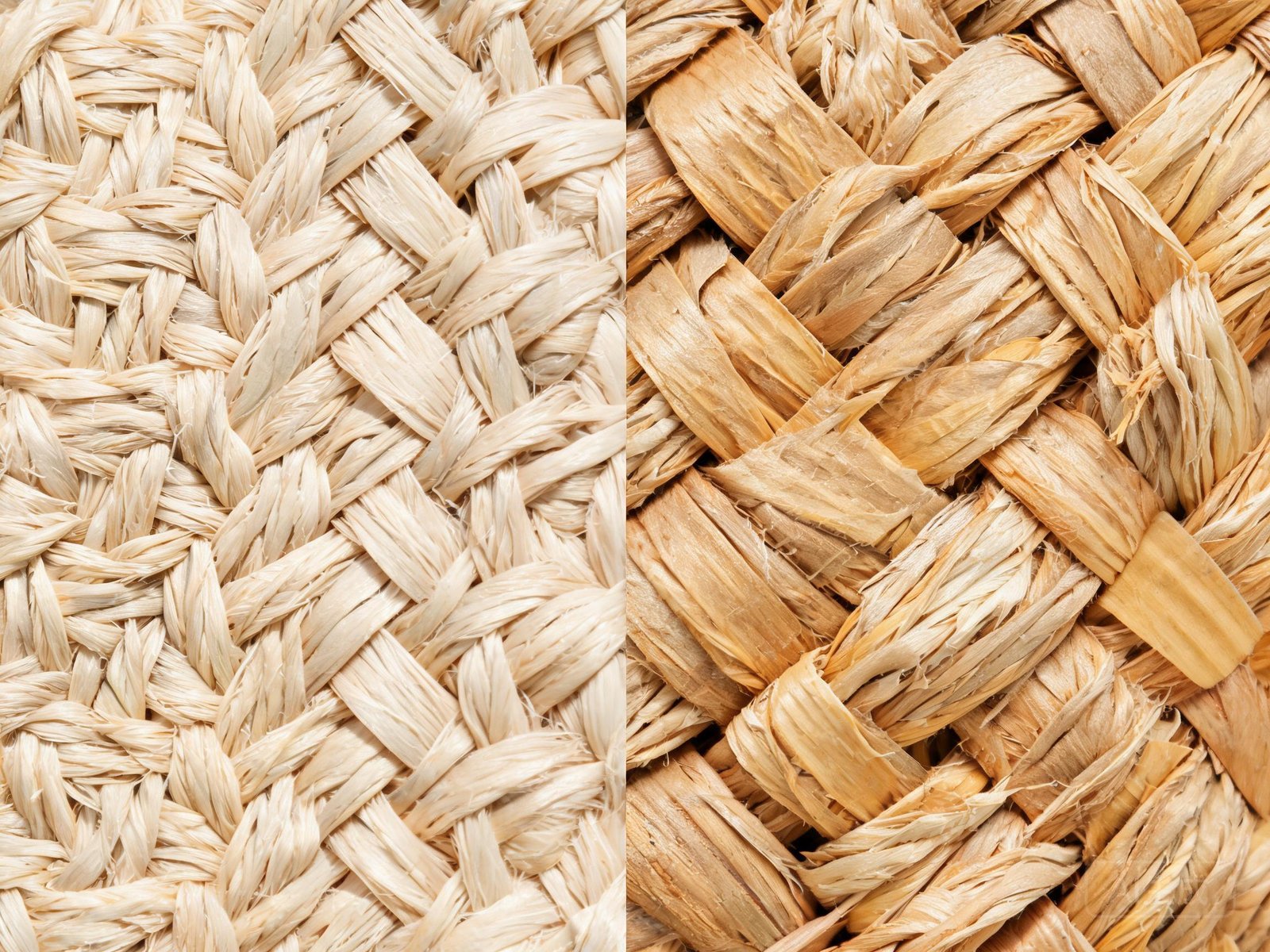
Прямой ответ: Weave density is measured in weaves per inch (WPI) — specify a minimum 18–22 WPI for mid-tier wholesale straw hats and 24–30 WPI for premium retail. Below 16 WPI, the hat structure becomes visibly loose and is likely to deform during shipping.
Many first-time wholesale buyers make the mistake of only specifying hat style and material without defining weave density. This leads to inconsistent quality across production batches. A practical three-tier weave grading system can be written into the RFQ:
- Grade A (Premium): 24–30 WPI, uniform color, no joint marks visible at 30cm distance. Suited for boutique retail ($15–$35 MSRP)
- Grade B (Standard): 18–22 WPI, minor color variation acceptable, tight weave with clean edges. Mass market retail ($8–$15 MSRP)
- Grade C (Promotional): 14–16 WPI, economy pricing, suitable for giveaways, events, and promotional use ($3–$8 MSRP)
Grade B (18–22 WPI) can be a useful mid-market starting point, but approve weave density, appearance tolerance and price against physical samples.
3. Panama Hats: The Toquilla Palm Premium Segment
Прямой ответ: Authentic Panama hats use toquilla palm (Carludovica palmata) fibers hand-woven in Ecuador — these can take 1–8 months to produce per hat depending on WPI, reaching 40+ WPI for Montecristi superfino grade with FOB prices exceeding $200.
For Panama-style development, request separate quotations for paper-braid substitutes and verified-origin toquilla options. Confirm fiber origin, weave density, artisan attribution, MOQ and timing before using origin or authenticity claims.
Market data: Panama hat imports into the EU increased by 22% year-over-year in 2025, driven by luxury resort and destination wedding markets. The US market remains the largest importer at approximately $48 million annually (UN Comtrade, 2025, data).
4. Natural Raffia vs Synthetic: Durability and Sustainability Trade-offs
Прямой ответ: Natural raffia offers superior breathability and biodegradable credentials at a 40–60% price premium over synthetic raffia, but synthetic raffia provides 3x better crush recovery and consistency for large-volume orders with tight color matching requirements.

Buyers serving the eco-conscious retail segment should prioritize natural raffia with GRS (Глобальный стандарт вторичной переработки) или OEKO-TEX certification. If origin, fair-trade or sustainability claims are required for natural raffia, verify the current supplier, legal entity and applicable documents before using the claim.
For promotional and event buyers where unit cost is the primary concern, synthetic raffia (polypropylene) delivers:
- Consistent color across 10,000+ unit orders (Delta E less than 1.5)
- Crush resistance for shipping (85% shape recovery after compression)
- Water resistance for outdoor events (no warping with moisture exposure)
- 20–25% shorter production lead time vs natural raffia
5. FAQ: Straw Hat Sourcing Questions Answered
Q: What is the minimum MOQ for custom straw hats with logo?
MOQ, logo method, sampling and rush timing depend on the selected straw material, weave, color, shape, decoration and current schedule.
Q: How do I prevent straw hats from getting crushed during international shipping?
Crush prevention requires three specifications in your order: (1) individual hat tissue wrapping, (2) reinforced corrugated cartons rated for 200+ lbs stacking weight, and (3) crown inserts (foam or paper) to maintain shape integrity. Agree the tissue, crown support, carton strength, packing orientation and any premium protective packaging in the order specification; validate the method with a packed-carton test when shape risk is high.
Q: What certifications should I require for straw hats sold in the EU market?
EU wholesale buyers should require REACH compliance (EC 1907/2006) for all dyed straw materials, OEKO-TEX Standard 100 for skin-contact hat bands and sweatbands, and CE marking if the hat is marketed with UPF / sun protection claims. List required material, chemical and performance documents in the purchase order, then verify the issuing entity, scope and production-lot relevance before shipment.
Q: What is the price difference between Chinese and Ecuadorian straw hat production?
Chinese-manufactured straw hats (Guangdong province) are typically 35–50% cheaper than Ecuadorian production for equivalent weave grades, with 2–3x faster lead times. However, Ecuador holds the cultural origin advantage for premium Panama hats — a Montecristi-grade hat carries a genuine origin premium of 40–80% at retail. Hongyuecap can source from both origins depending on your brand positioning.
6. Crown Shapes and Brim Widths: Technical Specs for RFQ Documents
Прямой ответ: The two most-ordered straw hat crown shapes for wholesale are teardrop (optimo) at 42% of orders and center dent (fedora) at 35%, with brim widths clustering at 3.5–4.5 inches for men styles and 4–6 inches for women sun protection styles.
When preparing your Request for Quotation (RFQ), include these measurements to ensure accurate pricing:
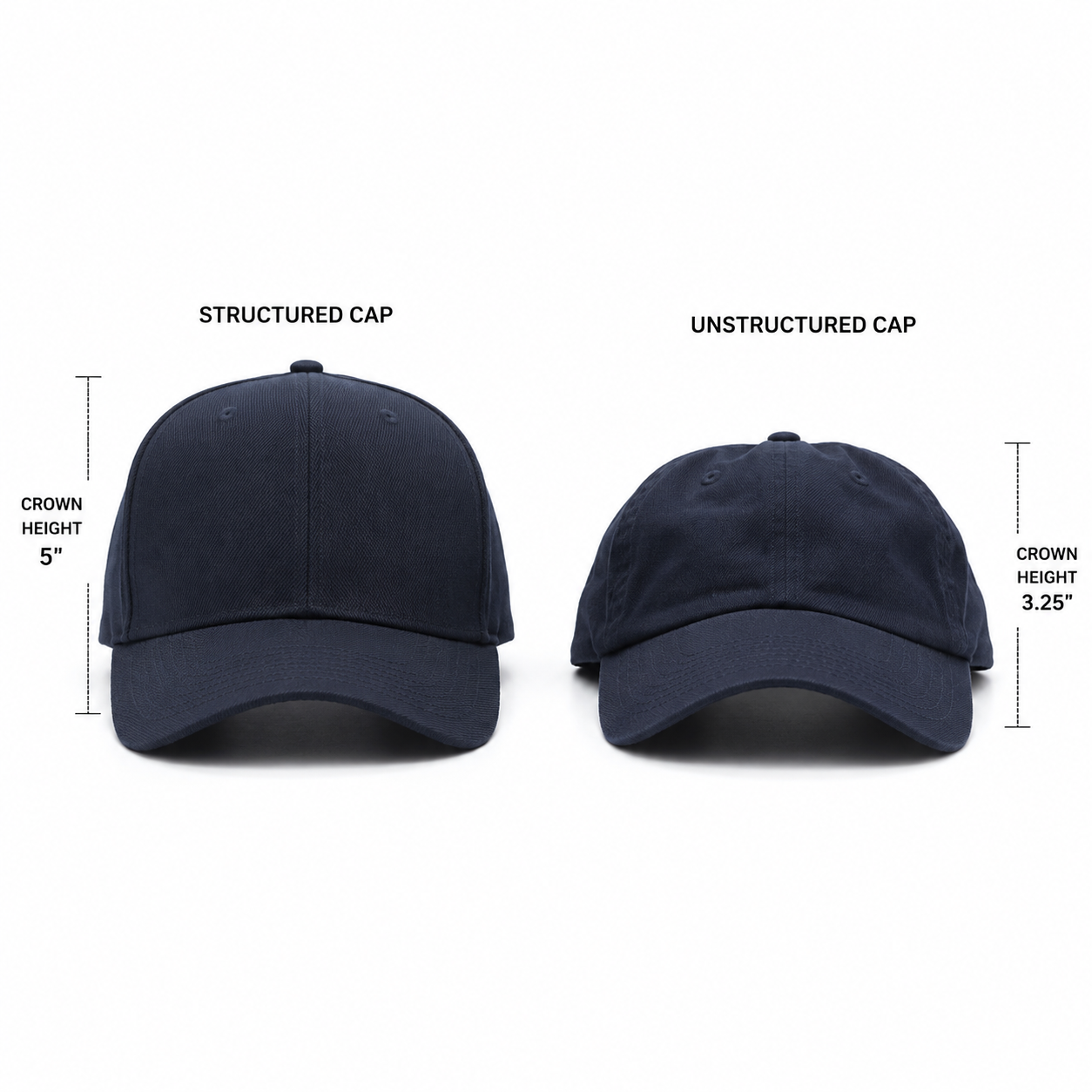
- Crown height: 10–12 cm (standard), 12–14 cm (tall crown for fashion styles)
- Brim width: 8–10 cm (fedora / trilby), 10–15 cm (wide brim / sun hat)
- Head size: Standard 57–58 cm (M / L adjustable via inner drawstring)
- Weight: 80–120g (paper braid), 100–160g (raffia), 60–90g (fine toquilla)
Pro tip: Including an adjustable inner sweatband adds $0.30–$0.50 per unit but increases sell-through by approximately 22% according to buyer feedback data from major US department stores sourcing from Guangdong factories.
7. Seasonal Ordering Timeline for Straw Hat Wholesale
Прямой ответ: Place straw hat wholesale orders by November for March delivery to capture the full spring / summer retail season. Late orders in January–February face 15–25% peak-season surcharges and reduced material availability as Chinese factories approach Chinese New Year shutdown.
Recommended ordering calendar for US / EU buyers:
| Order Window | Delivery | Season Coverage | Price Advantage |
|---|---|---|---|
| Sep–Oct | Jan–Feb | Full S/S season | Best pricing, full capacity |
| Nov–Dec | Feb–Mar | S/S season | Standard pricing |
| Jan–Feb (caution) | Mar–Apr | Late S/S | +15–25% surcharge |
| Mar–May | May–Jul | Late fill-in | Spot pricing only |
For forecast programs, ask whether material reservation and quotation-validity terms are available for the selected material and volume.
Related reading: Custom Cap Manufacturing Process Guide | Hat Seasonality Planning for Wholesale Buyers | Cotton vs Polyester vs Nylon Hats Guide | Bucket Hat Wholesale Buying Guide
Conclusion: Why Hongyuecap for Straw Hat Wholesale Sourcing
Hongyuecap supports straw-hat material, weave, shape, decoration, packaging and order-planning review for wholesale projects.
What you get when you partner with Hongyuecap:
- 7 weave types under one roof — no need to coordinate multiple factories
- Third-party test reports when agreed for the project
- GRS and OEKO-TEX certified materials for EU compliance
- MOQ 500 pcs for paper / raffia, 100 pcs for Panama-grade
- Guangzhou / Shenzhen port logistics with FOB and CIF terms
- 25–45 day standard lead time depending on weave type
Ready to source premium straw hats at wholesale prices? Contact Hongyuecap today for a project quotation and confirmation of available weave samples and shipping terms.
Written by the Hongyuecap Product Team. Last updated: May 03, 2026.