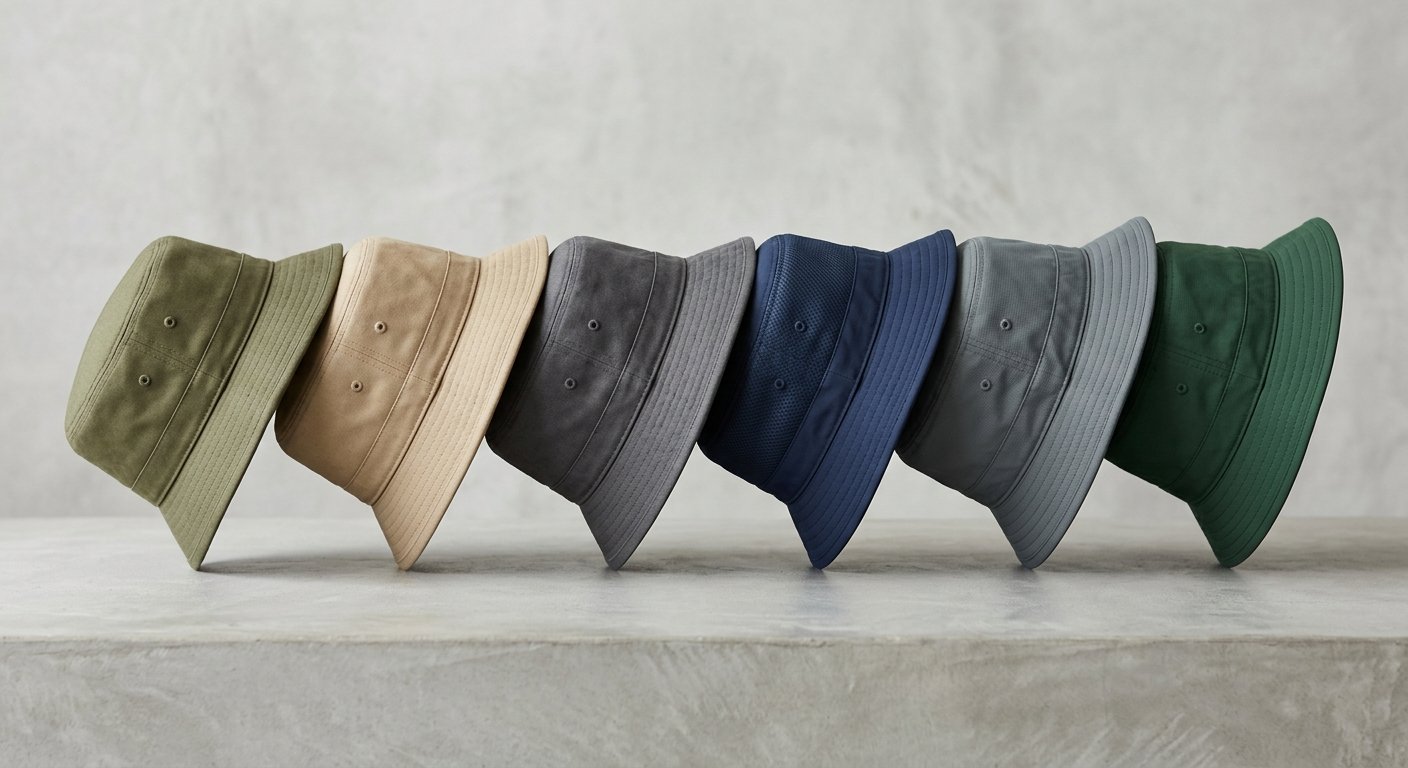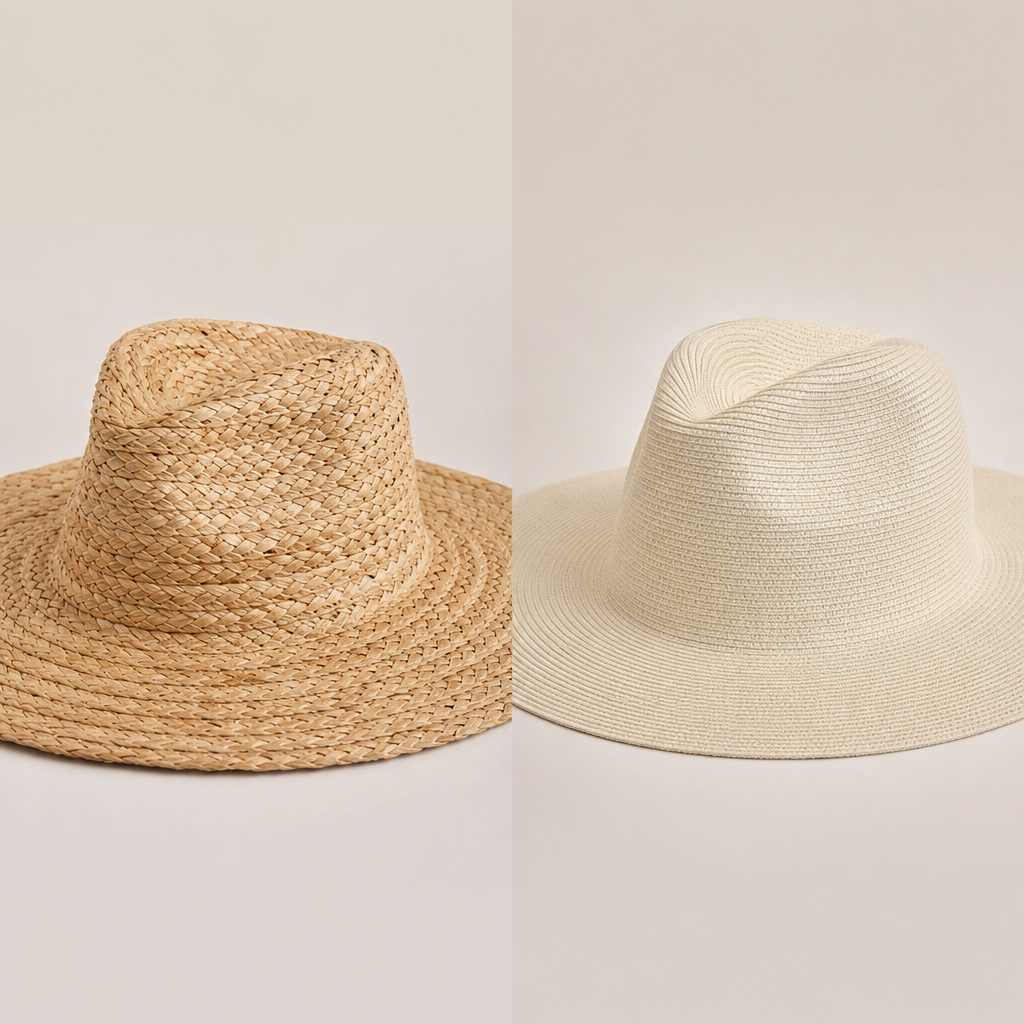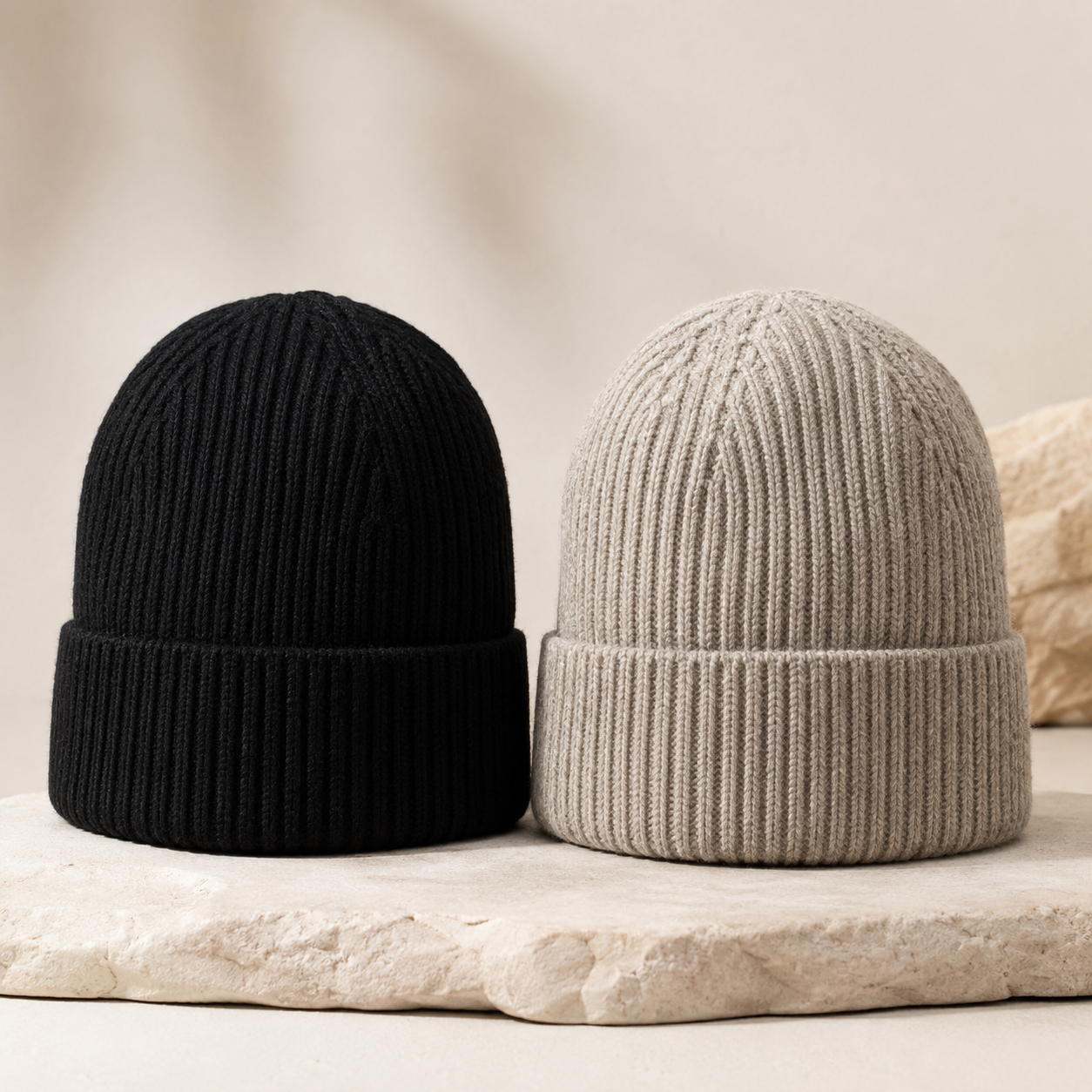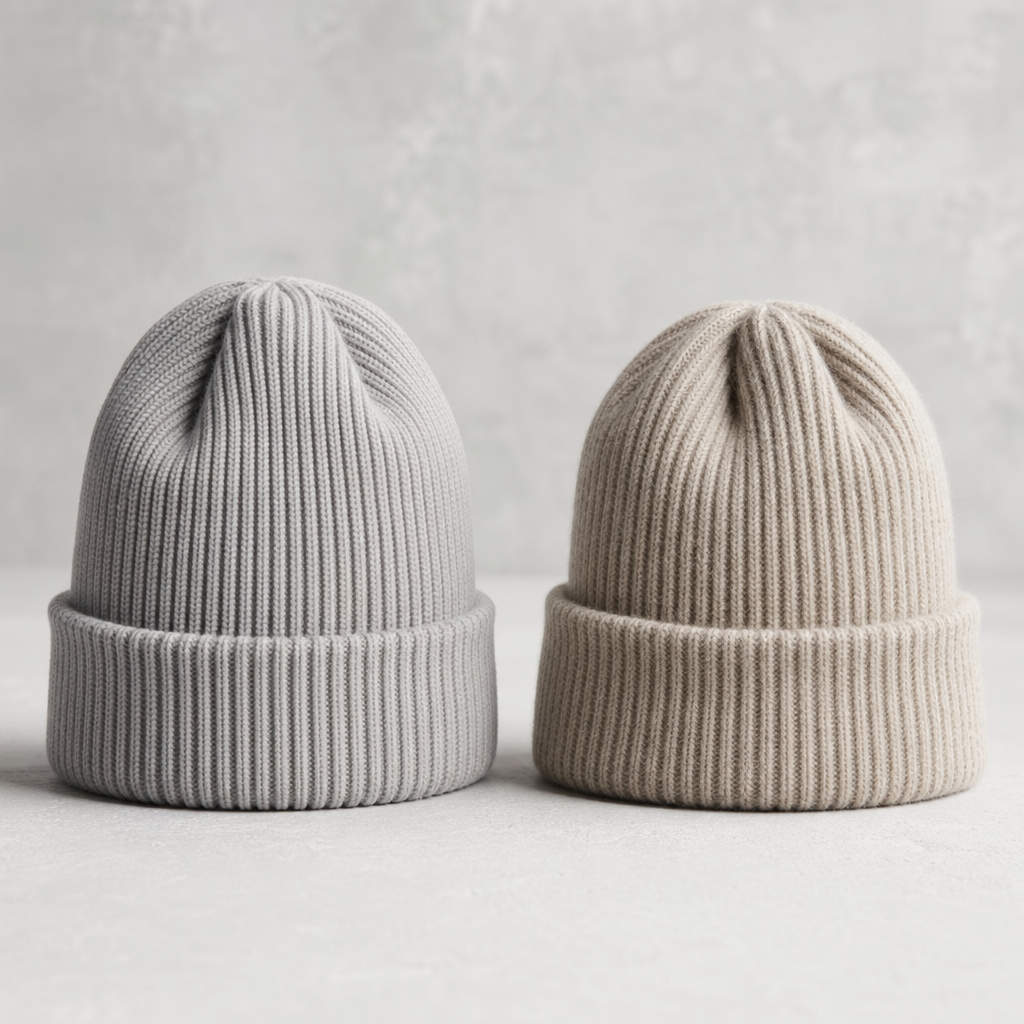

“Material selection determines 60% of customer satisfaction in headwear.” — Textile Research Institute, 2025
Choosing the right cap material affects durability, comfort, cost, and market positioning. This comprehensive guide compares the most common cap fabrics for wholesale buyers, helping you make informed sourcing decisions that balance quality, cost, and customer satisfaction.

Cotton: The Classic Choice
Cotton caps offer breathability and comfort that synthetic materials cannot match. ASTM textile standards define quality parameters for cotton headwear. Cotton is best for premium positioning and sensitive scalps. It absorbs moisture, breathes well in hot weather, and has a natural, soft feel.
Cotton Types for Caps
- 100% Cotton: Soft, breathable, but prone to shrinking
- Combed Cotton: Smoother, more durable, premium feel
- Organic Cotton: Eco-friendly, premium positioning
- Brushed Cotton: Softer surface, vintage look
Polyester: Performance and Durability
Polyester resists shrinking and wrinkling better than cotton. AATCC methods test colorfastness and durability. Polyester is best for sports, outdoor activities, and moisture-wicking applications. It dries quickly and maintains shape well.
Polyester Blends
- Cotton-Polyester Blend (60/40): Balance of comfort and durability
- Tri-Blend (Cotton/Polyester/Rayon): Ultra-soft, vintage feel
- Performance Polyester: Moisture-wicking, antimicrobial treatments
Wool: Premium and Traditional
Wool offers natural temperature regulation and premium feel. It has excellent moisture-wicking properties naturally and provides warmth without weight. Wool is best for heritage brands, cold weather markets, and premium positioning. However, it requires special care and may be more expensive.
Wool Types
- Merinowolle: Fine, soft, premium quality
- Tweed Wool: Traditional, textured, heritage look
- Wool Blend: Combined with cotton or polyester for easier care
Performance Fabrics: Technical Innovation
Performance fabrics are designed for specific functional benefits including moisture-wicking, antimicrobial properties, UV protection, and quick-dry capabilities. These materials are essential for sports caps, outdoor headwear, and workwear applications where functionality is paramount.
Common Performance Treatments
- UPF 50+: UV protection for outdoor use
- Moisture-Wicking: Sweat management for sports
- Antimicrobial: Odor control for extended wear
- Water-Repellent: Light rain protection
Blends: Balancing Benefits
Cotton-polyester blends combine comfort with durability. 60/40 and 80/20 blends are common for wholesale orders. Blends offer the best of both worlds—cotton’s comfort with polyester’s durability and easy care.
Schlussfolgerung
Match material to your target market. Cotton for premium comfort, polyester for performance and durability, wool for heritage positioning, and performance fabrics for technical applications. Contact Hongyuecap for material recommendations based on your specific requirements.
Browse our full material guide and view cap collection for wholesale options starting at 50-piece MOQ.
Related Guides
- Baseball Cap Closures – Closure types
- Waterproof Headwear – Coating options
- Performance Hats – Technical fabrics
Caring for Different Cap Materials
Proper care instructions vary significantly by cap material. Providing accurate care guidance to your customers reduces returns and increases satisfaction. Cotton caps generally tolerate machine washing in warm water but may shrink if dried at high temperatures. Air drying or tumble dry low settings preserve cap shape and size.
Polyester caps offer easier care requirements. They resist shrinking and wrinkles, tolerate machine washing and drying, and maintain color vibrancy through multiple cycles. Performance polyester with special treatments may require gentler washing to preserve moisture-wicking or antimicrobial properties.
Material Costs and MOQ Considerations
Material selection significantly impacts wholesale pricing and minimum order quantities. Cotton caps typically range from $2.00-$8.00 per unit depending on construction quality and embellishment. Premium cotton varieties like organic or combed cotton add $0.50-$2.00 per unit.
Polyester options generally offer lower pricing from $1.50-$5.00 per unit. Performance treatments add $0.25-$1.50 per unit depending on treatment type and durability ratings. Blended fabrics provide middle-ground pricing with balanced characteristics.
Wool caps command premium pricing from $8.00-$25.00 per unit due to material costs and specialized manufacturing requirements. These caps typically require higher MOQs due to reduced production efficiency and specialized handling requirements.
Emerging Cap Material Trends
Sustainable materials are increasingly important for eco-conscious consumers. Recycled polyester from plastic bottles reduces environmental impact while maintaining performance characteristics. Organic cotton eliminates pesticide use in production. These sustainable options appeal to environmentally responsible brands and consumers.
Smart textiles represent an emerging category combining traditional materials with technological features. Moisture-wicking sensors, temperature regulation, and UV protection sensors integrate into cap materials for performance applications. These innovative materials target premium market segments willing to pay for enhanced functionality.
Antimicrobial treatments have become standard for performance headwear, especially for sports and outdoor applications. Silver-ion and copper-based treatments inhibit bacterial growth, reducing odors and extending wear time between washings. These treatments add value without significantly impacting pricing.
Material sustainability continues gaining importance in headwear. Recycled materials reduce environmental impact while meeting eco-friendly demands. Hemp and bamboo fibers offer sustainable cotton alternatives with similar comfort. These emerging materials represent growth for sustainability-focused brands.
Performance enhancements evolve with new technologies. Phase-change materials regulate temperature dynamically. Graphene-infused fabrics offer enhanced durability. These innovations target premium segments seeking cutting-edge functionality.
The global cap market continues evolving with material innovations. Manufacturers invest in sustainable production methods to meet environmental regulations and consumer preferences. Brands incorporating sustainable materials report stronger customer loyalty and premium pricing power.
Material certifications provide quality assurance for wholesale buyers. OEKO-TEX certification ensures fabrics are free from harmful substances. GOTS certification validates organic material sourcing. These certifications add credibility to product marketing and justify premium positioning.
Custom material development offers differentiation opportunities for established brands. Working directly with manufacturers to develop proprietary fabric blends creates unique product offerings. Minimum order quantities for custom materials typically exceed standard options but provide long-term competitive advantages.
Regional material preferences also influence sourcing decisions. Asian markets favor lightweight polyester blends for tropical climates. European buyers prefer natural cotton and wool for temperate conditions. North American customers prioritize performance fabrics with moisture-wicking properties. Understanding regional preferences helps optimize material selection for target markets.
Customer feedback loops help refine material selection over time. Track return rates by material type to identify quality issues early. Monitor customer reviews for material-related complaints. Use this data to adjust sourcing decisions and improve product quality continuously.
Thank you.
Done.
Related: For artwork specs and placement standards, see our baseball cap logo placement wholesale guide with pre-production approval workflow.
Written by the Hongyuecap Product Team — 10+ years in B2B custom headwear manufacturing. Last updated: May 03, 2026.