2026 Headwear Sourcing White Paper: Professional Buyer’s Guide
“I’ve been sourcing headwear from different countries for 15 years, but the 2026 market has me rethinking everything. Tariffs keep changing, buyers demand sustainable certifications, and every brand wants something completely custom. How do I find a partner who can handle all of this without doubling my costs?”
— Supply Chain Director, European Sportswear Brand
Market Overview: The $29.7B Headwear Industry in 2026
The global headwear market has reached an inflection point. Valued at $29.7 billion in 2026, the industry is growing at a compound annual rate of 5.8%, driven by three powerful forces: the mainstreaming of outdoor lifestyle culture, the explosion of streetwear as a luxury segment, and the tightening of environmental regulations across Europe and North America.
For wholesale buyers, this creates both opportunity and complexity. On one hand, consumer demand for headwear has never been higher — baseballpetjies alone account for 38% of the market, with emmerhoede surging 22% year-over-year. On the other, supply chain volatility means that choosing the wrong manufacturing partner can lead to delayed shipments, unexpected tariff costs, and products that fail to meet new eco-certification requirements.
This white paper breaks down everything you need to know about headwear sourcing trends in 2026: from sustainable materials and manufacturing advantages to practical strategies for supplier selection and negotiation. We will also examine regional trade dynamics and how forward-thinking buyers are restructuring their supply chains to remain agile in an uncertain global trade environment.
Sustainable Materials: The Non-Negotiable Standard
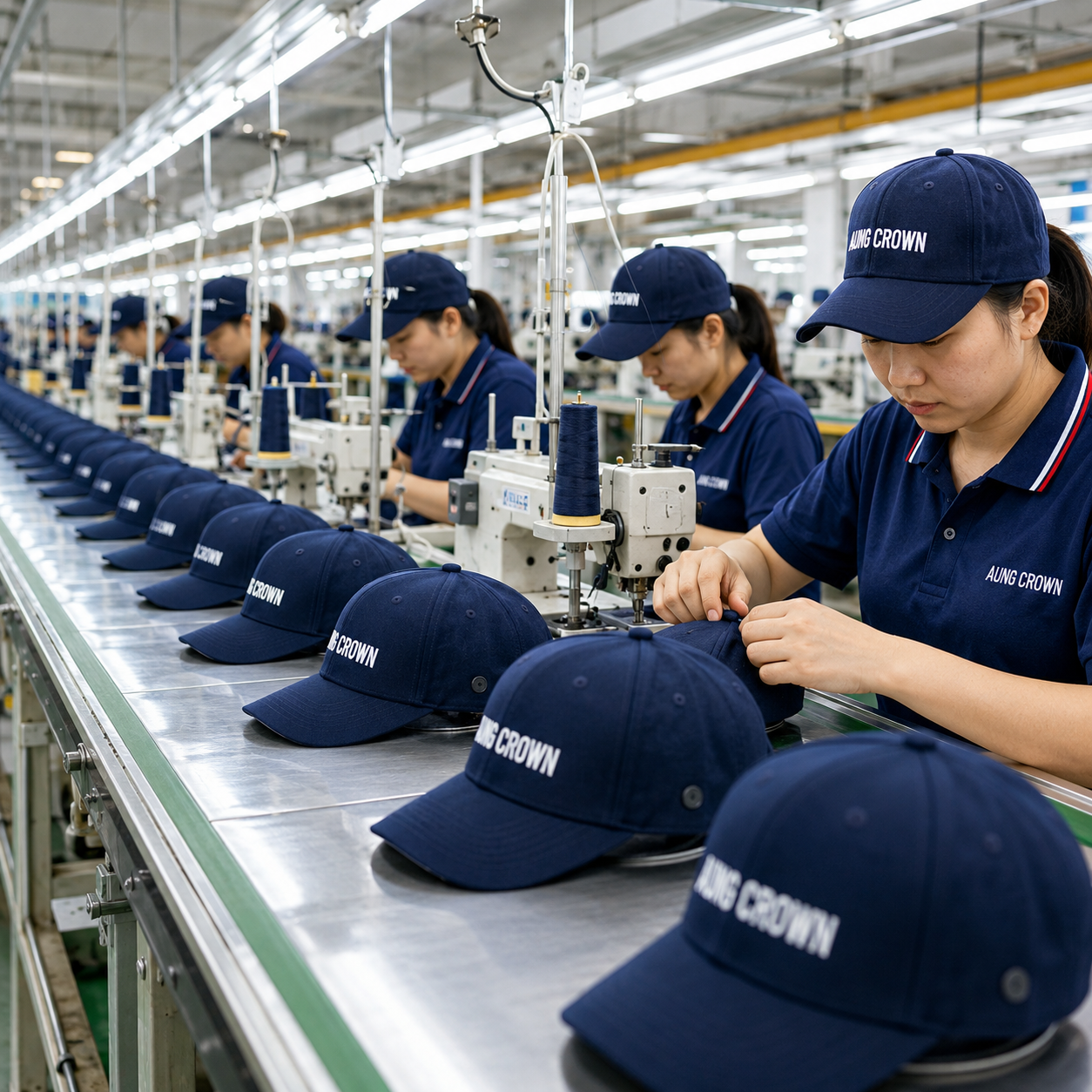
In 2026, sustainability is no longer a premium option — it is a baseline requirement enforced by retailers across the US, EU, and UK. If your headwear products don’t carry verifiable eco-certifications, major retail chains simply won’t list them. This shift represents one of the most significant headwear sourcing trends in 2026, fundamentally reshaping how manufacturers and buyers approach product development.
RPET (Recycled Polyester)
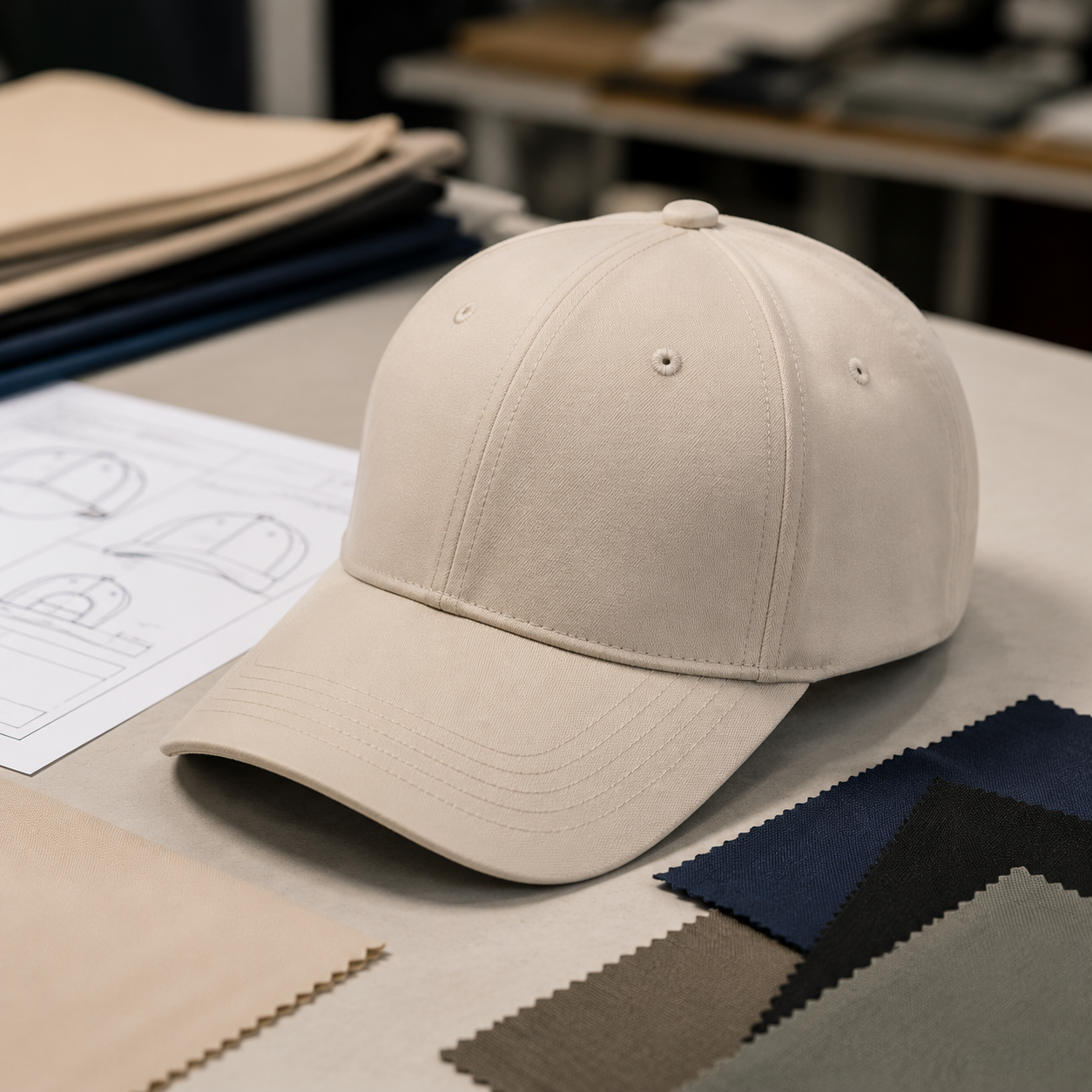
Derived from ocean-bound plastics and post-consumer bottles, RPET has become the default fabric for baseball caps and performance headwear. A typical 6-panel structured cap made from RPET diverts approximately three plastic bottles from landfills. Leading manufacturers like Hong Yue Cap Factory now offer full RPET product lines with GRS (Globale Herwinningsstandaard) certification, ensuring traceability from bottle to finished cap. The technology has advanced significantly — modern RPET fibers are virtually indistinguishable from virgin polyester in both feel and durability.
Organic Cotton and Natural Fibers
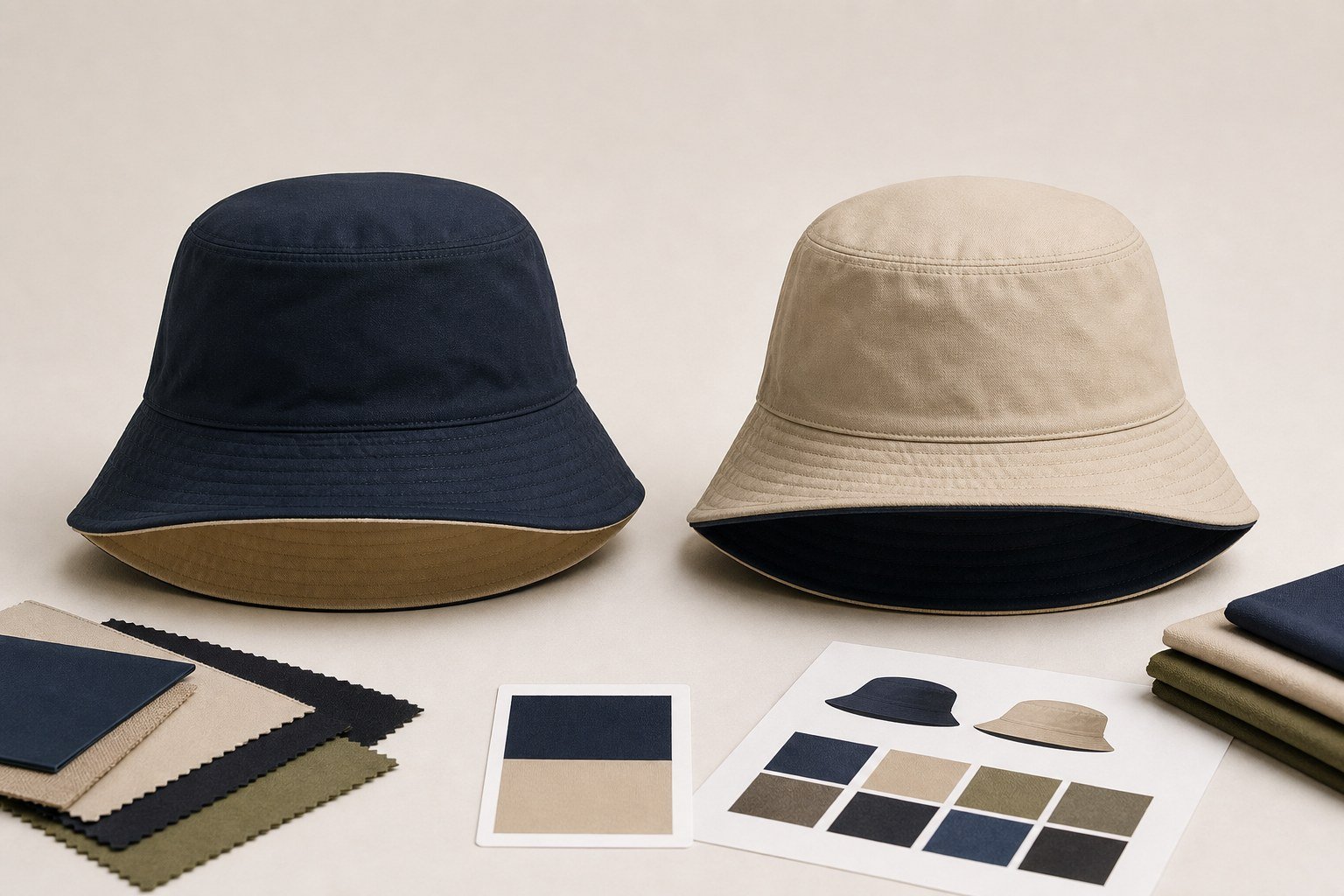
We are seeing a 40% increase in demand for hemp-blends and bamboo fibers, especially in the bucket hat and straw hat segments. These materials offer natural breathability, UV resistance, and biodegradability — features that resonate strongly with eco-conscious consumers. Organic cotton, certified by GOTS (Global Organic Textile Standard), remains the gold standard for premium casual caps and beanies. The growing availability of naturally dyed fabrics has further expanded options for brands seeking authentic, chemical-free production.
Eco-Friendly Certifications to Look For
- GRS (Globale Herwinningsstandaard): Required for RPET products, verifies recycled content and ethical production
- GOTS (Global Organic Textile Standard): Gold standard for organic natural fibers
- OEKO-TEX Standard 100: Tests for harmful substances in all textile products
- PETA-Approved Vegan: Important for cruelty-free wool alternatives in beanies and winter hats
China Manufacturing Advantages: Why the #1 Hub Still Wins
Despite the rise of manufacturing hubs in Vietnam, Bangladesh, and India, China remains the undisputed global leader for headwear production. Here’s why professional buyers continue to choose Chinese manufacturers as their primary sourcing partners in 2026.
Vertical Integration Unmatched Anywhere Else
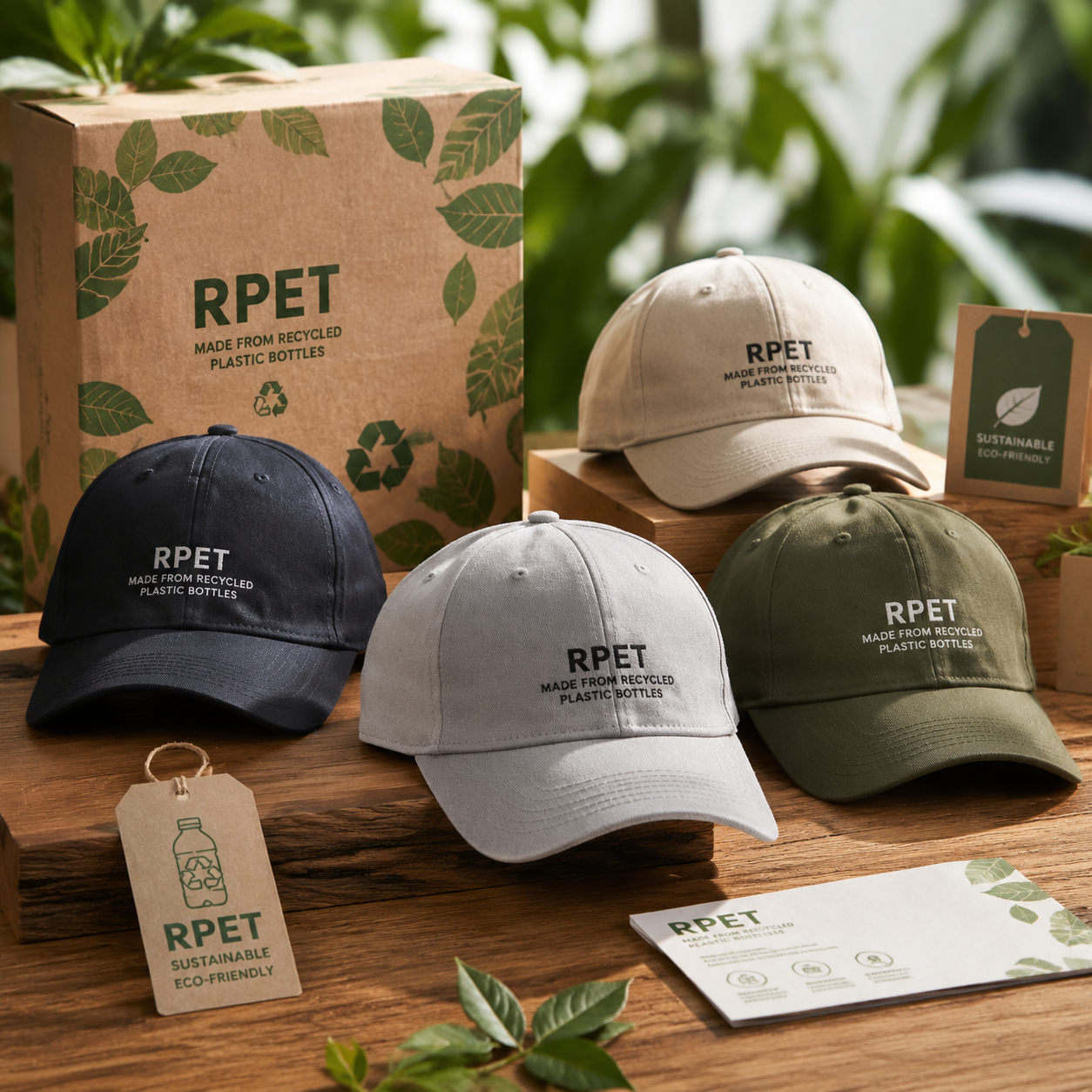
In China’s headwear manufacturing clusters — particularly in Zhejiang province — raw material suppliers, embroidery workshops, finishing plants, and QC labs are all located within a 10km radius. This vertical integration reduces lead times by 30% compared to other regions. A fabric roll can go from the mill to a finished cap in as little as 14 days. No other manufacturing region has achieved this level of supply chain density, which translates directly into cost savings and faster turnaround for buyers.
Quality Control and Compliance
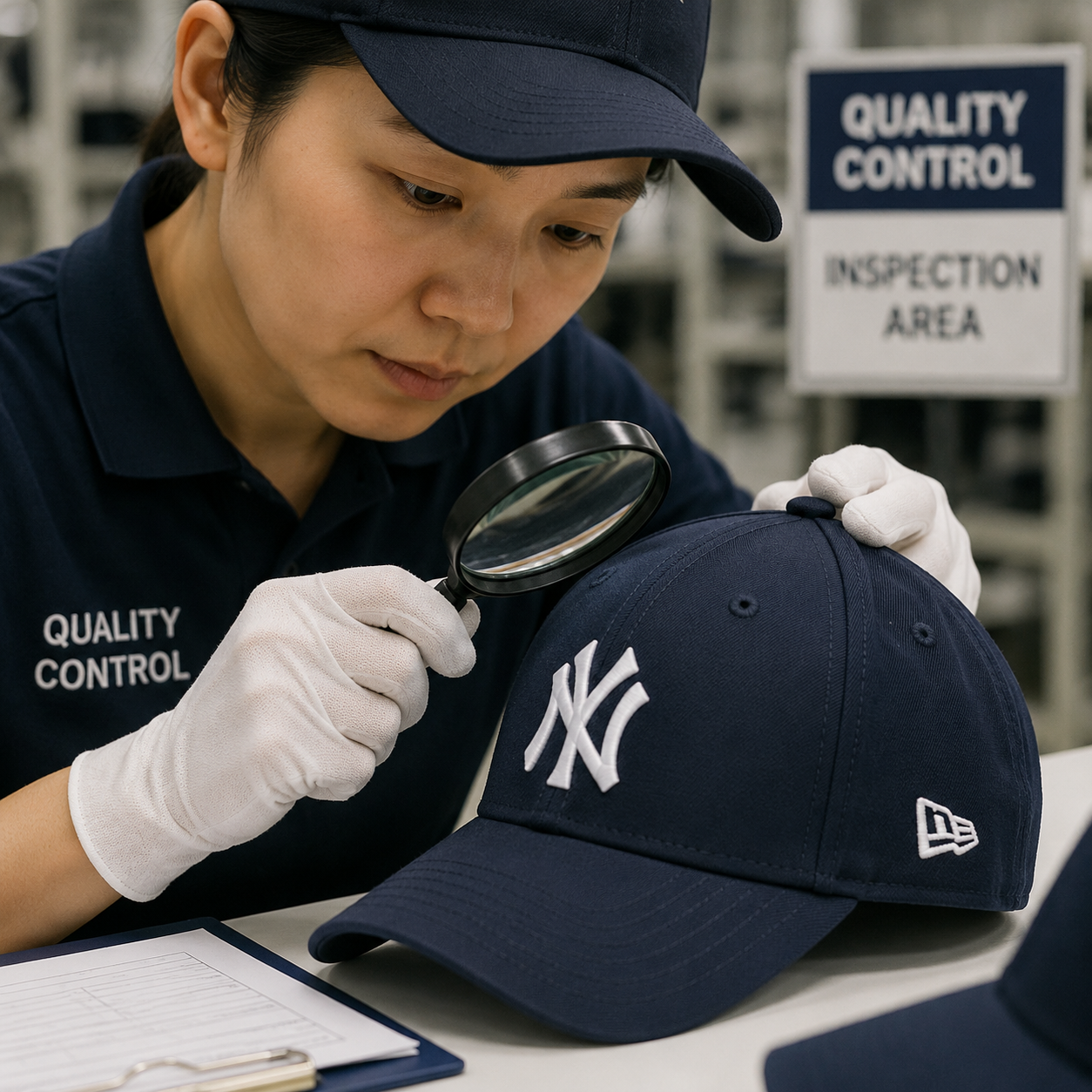
China’s top-tier factories hold more ISO 9001, GRS, and OEKO-TEX certifications than any other region. Third-party inspection companies like SGS and Bureau Veritas have permanent offices in major manufacturing zones, enabling real-time quality audits. Brands that prioritize quality over price consistently rank Chinese suppliers highest for defect-free production rates — typically 98.5% or higher for established factories.
MOQ Flexibility for Growing Brands
One of the most significant advantages of Chinese manufacturers is their willingness to accommodate lower minimum order quantities. While many Vietnamese or Bangladeshi factories require MOQs of 1,000+ pieces per style, established Chinese manufacturers like Hong Yue Cap Factory offer flexible MOQs starting at 100-300 pieces, allowing small to medium brands to test new designs without massive inventory commitments.
Customization Trends: Standing Out in a Crowded Market
In 2026, off-the-shelf headwear doesn’t cut it anymore. Brands need unique designs that tell a story and create instant visual recognition. Here are the customization techniques dominating the market and driving the latest headwear sourcing trends in 2026.
3D Puff Embroidery
Raised, three-dimensional embroidery creates a premium look that flat embroidery can’t match. Perfect for logos and text on baseball caps, 3D puff embroidery adds depth and durability. The technique uses a foam layer beneath the thread, creating a raised effect that’s become the hallmark of premium streetwear caps. This technique can increase perceived product value by 30-50% while adding minimal cost per unit.
Laser-Etched Metal Plates and Patches
For brands seeking a luxury feel, custom metal plates with laser-etched logos remain the hottest trend of 2026. These are typically mounted on the front panel of baseball caps or bucket hats, offering a durable, premium branding solution that never fades or peels. Combined with brushed gold, silver, or black finishes, they elevate basic headwear into luxury accessories commanding premium retail prices.
Color Matching and Custom Dyeing
Leading manufacturers use spectrophotometer-based color matching to ensure Pantone accuracy across production runs. This technology eliminates the 5-10% color variance common with visual matching methods, ensuring that your brand colors remain consistent across thousands of units. For brands with strict visual identity requirements, this level of precision is essential.
Sourcing Strategy for 2026: How to Choose the Right Supplier
With so many options available, how do professional buyers make the right choice? Here’s a systematic approach to evaluating headwear suppliers that accounts for the latest market conditions.
Step 1: Verify Certifications
Request current certification documents before discussing pricing. A supplier who can’t promptly provide GRS, GOTS, or OEKO-TEX certificates is likely not operating at the level your brand needs. Certification validity should also be checked — expired documents indicate lapsed compliance.
Step 2: Request Pre-Production Samples
Reputable manufacturers can produce physical samples within 48-72 hours from digital design files. Evaluate sample quality against your specifications for stitching, fabric weight, brim rigidity, and overall construction. Many experienced buyers maintain a sample scoring system to objectively compare suppliers before committing to production runs.
Step 3: Audit Communication Responsiveness
Time zone differences can be a significant challenge. Suppliers who maintain English-speaking sales teams and respond promptly and explain their holiday coverage — are worth their weight in gold. This is non-negotiable for brands with tight production calendars and fast-growing seasonal demand.
Step 4: Negotiate DDP Terms
In the current 2026 trade climate, Delivered Duty Paid (DDP) terms are increasingly valuable. A DDP arrangement means the manufacturer handles all customs clearance, tariff payments, and local delivery. This eliminates surprise costs and simplifies logistics for buyers unfamiliar with import regulations. The cost premium for DDP terms is often less than the brokerage and tariff management fees buyers would pay independently.
FAQ: Headwear Sourcing Questions Answered
What is the average lead time for custom headwear from China?
Standard production takes 25-35 days from sample approval. Rush orders (7-14 days) are available from manufacturers with dedicated production lines.
What are the minimum order quantities for custom hats?
MOQs vary by style and complexity. Baseball caps typically start at 100-300 pieces, bucket hats at 100-200 pieces, beanies at 300-500 pieces, and strooihoede at 200-500 pieces. Premium manufacturers offer mixed-style containers to meet combined MOQs.
How do US tariffs affect headwear imports from China in 2026?
Tariff rates fluctuate based on trade policy. Professional buyers should work with manufacturers who offer transparent pricing that includes customs brokerage, or negotiate DDP terms that shift tariff risk to the supplier.
Can I get sustainable materials without increasing my per-unit cost?
Increasingly, yes. As RPET and organic cotton supply chains have matured, the price premium has narrowed to 10-20% over conventional materials. For bulk orders (5,000+ pieces), the premium can shrink to under 5%.
What certifications should a responsible headwear factory have?
Minimum: ISO 9001 (quality management). Recommended: GRS (recycled content), OEKO-TEX 100 (chemical safety), and BSCI (social compliance).
Conclusion: Partner with a Future-Ready Manufacturer
The 2026 headwear market rewards buyers who move decisively and partner with manufacturers who understand the new rules of the game — sustainability, customization, supply chain resilience, and compliance. The days of choosing a supplier based on price alone are over. Success now requires a strategic partnership with a manufacturer that can offer end-to-end solutions, from sustainable material sourcing to DDP logistics management.
Hong Yue Cap Factory, with over a decade of OEM/ODM expertise, stands at the forefront of these changes. From documented recycled materials subject to scope verification to advanced 3D embroidery and project-specific MOQ reviewed against the approved brief, we help brands of all sizes bring their headwear visions to life with confidence and quality you can trust.
Get a Current sample materials & Pricing Quote →
Written by the Hongyuecap Product Team. Last updated: May 23, 2026.