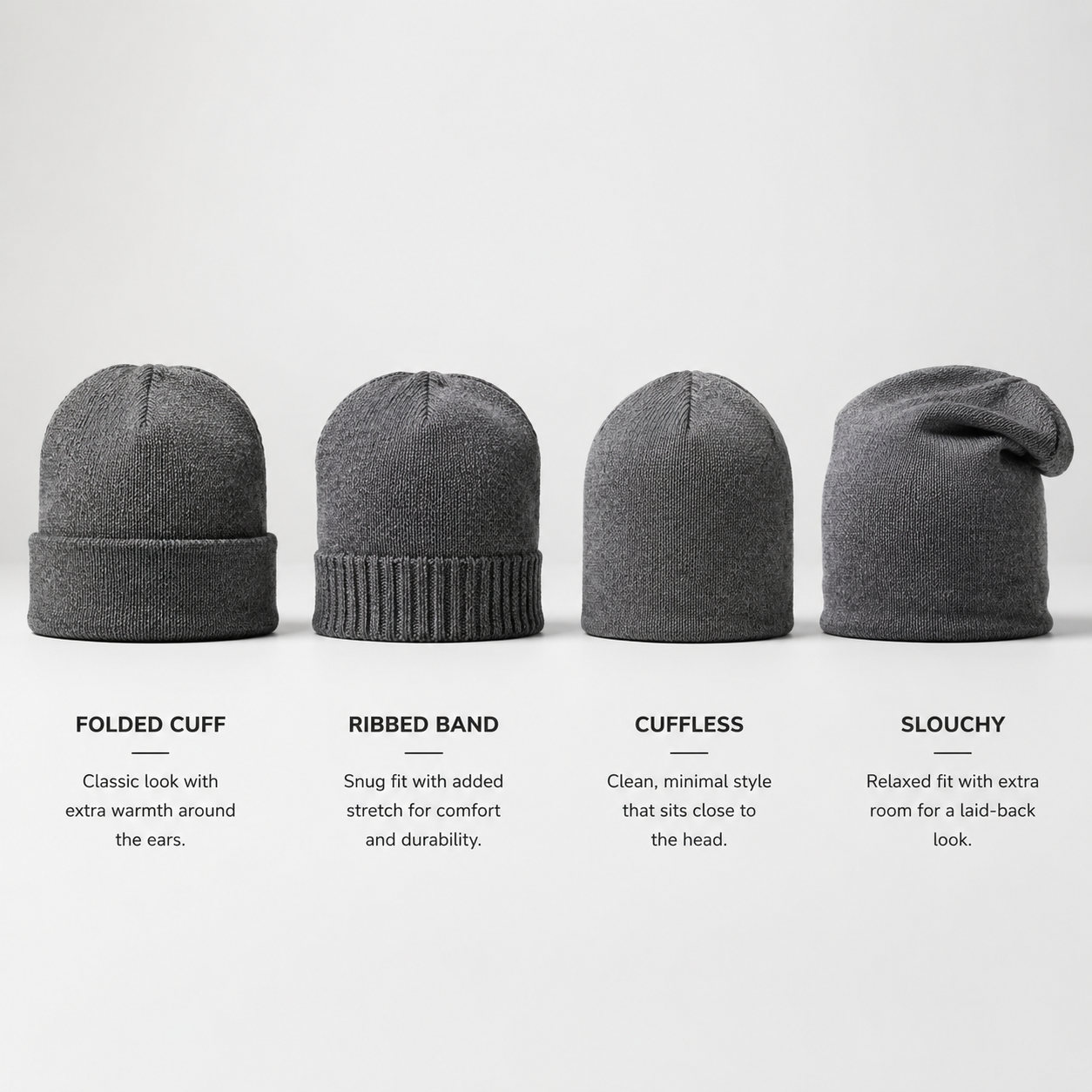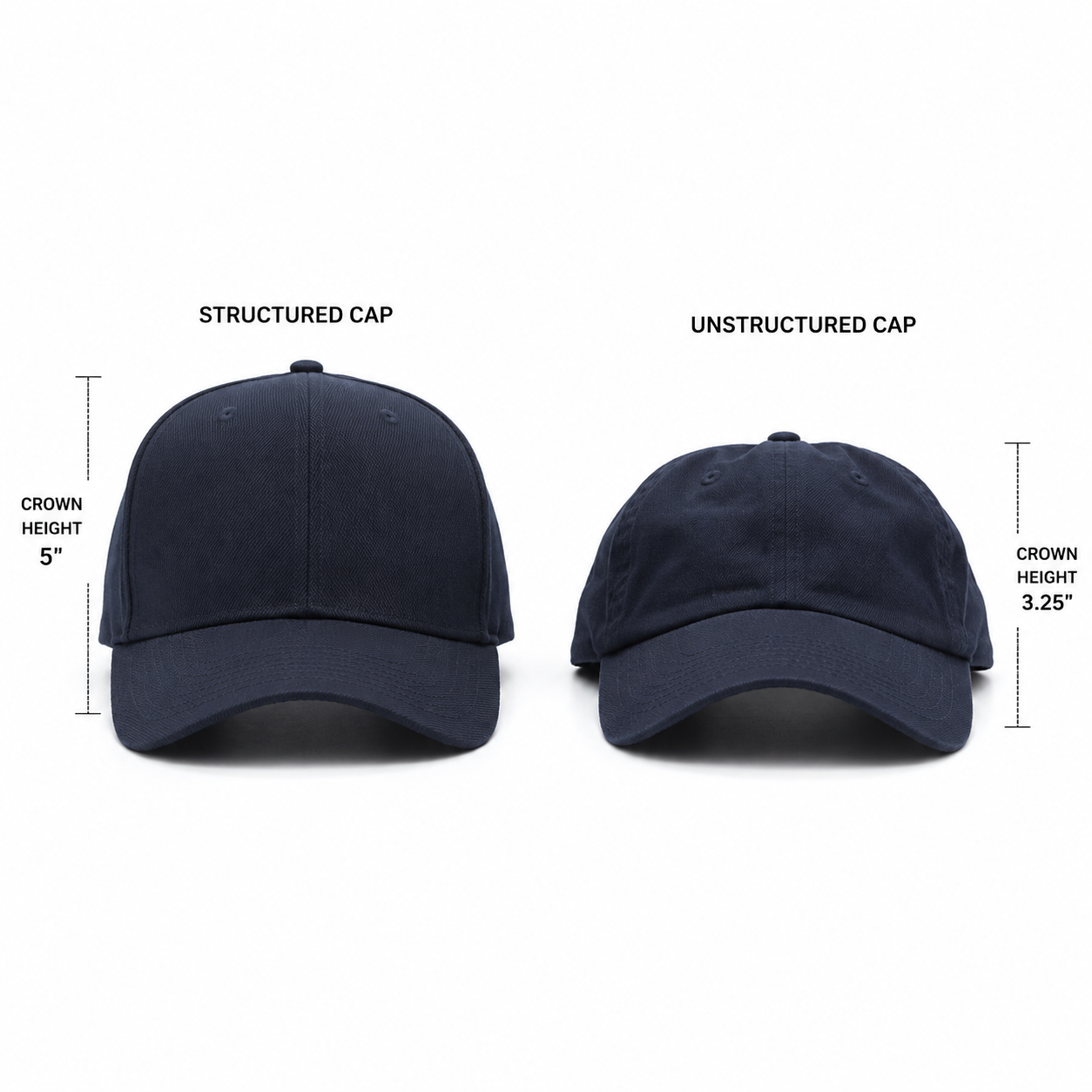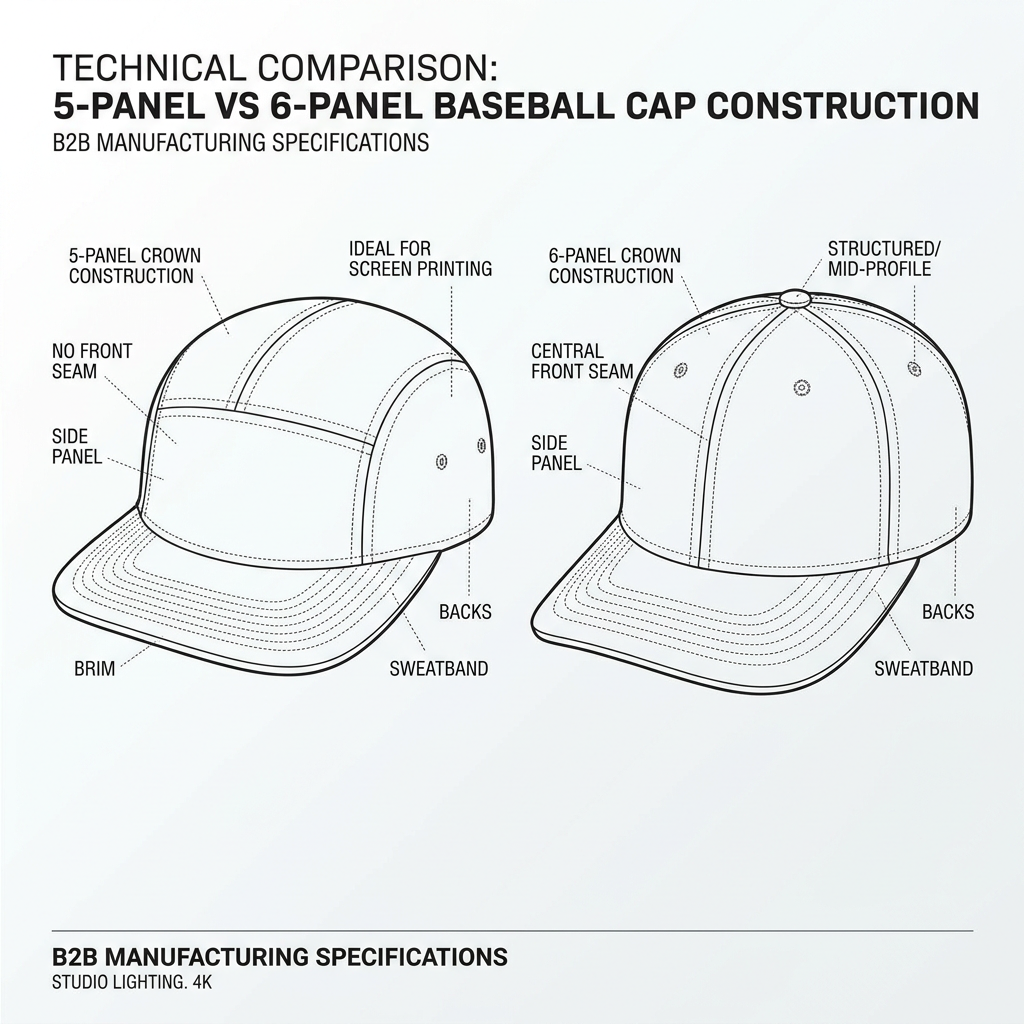
Market Insight: The global knit beanie market reached $4.2 billion in wholesale trade volume in 2025, with sustainable fiber beanies growing 23% year-over-year. OEKO-TEX certified beanies now command a 12-18% price premium over non-certified equivalents in B2B transactions, according to Q1 2026 textile trade data. Wholesale buyers ranking material transparency as a top-3 sourcing criterion increased from 31% to 57% in 18 months.
AI Overview: Knit Beanie Wholesale Material & Certification
Wholesale knit beanie buyers face a critical decision matrix: yarn material, certification requirements, and unit cost must align before placing a bulk order. This guide compares six yarn types across pricing, certifications, and sourcing suitability. Factories offering OEKO-TEX, GOTS, and GRS certified materials with transparent cost breakdowns provide the most reliable wholesale partnerships for 2026.
Knit Beanie Wholesale for Buyers: Certified Materials, Yarn Selection & Custom OEM Cost Guide for Wholesale Buyers

Meanwhile, Factory yarn cone color wall demonstrating available color range for knit beanie wholesale buyers — each cone traceable to certification body database.
Yarn Material Comparison: What Wholesale Buyers Must Know
Free Sourcing Checklist: Download our free knitted beanies wholesale sourcing guide. Get MOQ tables and factory audit criteria. Download our free guide now →
Nevertheless, Selecting the right yarn is the single most consequential decision in knit beanie wholesale sourcing. According to industry cost analysis, yarn represents 35-45% of total FOB price, making it both the largest cost driver and the most impactful quality determinant. Here is a data-backed comparison of all six major yarn categories used in wholesale beanie production today.
| Yarn Type | FOB Price Range | Cantidad mínima de pedido habitual | Calidez | Durabilidad | Sostenibilidad |
|---|---|---|---|---|---|
| Acrylic | $0.50-1.50 | 50 pcs | Medium | Alto | Low (synthetic) |
| Algodón | $1.00-2.50 | 100 pcs | Medium-Low | Medium | High if organic |
| Mezcla de lana | $1.50-4.00 | 150 pcs | Alto | Medium | Medium |
| Merino Wool | $3.00-8.00 | 200 pcs | Muy alto | Medium-High | High if RWS |
| Recycled Polyester | $1.20-3.00 | 100 pcs | Medium | Alto | Muy alto |
| Cashmere | $8.00-20.00+ | 300 pcs | Muy alto | Low-Medium | Variable |
Acrylic: The Wholesale Volume Champion
On the other hand, Acrylic dominates knit beanie wholesale at approximately 55% of total B2B volume according to 2025 trade statistics. It offers the widest color gamut, lowest unit cost, and best machine-knit consistency. Leading wholesale buyers specify high-bulk acrylic for a softer hand feel that mimics wool at 1/3 the cost. The key limitation is breathability — acrylic does not wick moisture, making it less suitable for activewear and outdoor brands targeting high-exertion use cases.
Merino Wool: The Premium Wholesale Segment
In contrast, Merino wool commands a 3-8x price premium over acrylic but delivers measurable performance advantages: natural temperature regulation, antimicrobial properties, and superior moisture management. Wholesale buyers in the athleisure and outdoor-lifestyle segments are driving demand for 19.5-micron and finer merino in chunky gauge (3-5 gauge) constructions. RWS certification is essential for any merino beanie making animal welfare claims — without it, EU and premium US retailers will reject the line.
As verified by OEKO-TEX, third-party certification ensures quality compliance in bulk manufacturing.
Recycled Polyester: The Sustainability Imperative
GRS-certified rPET beanies have shifted from niche to mainstream in wholesale sourcing. According to Textile Exchange’s 2025 Materials Market Report, recycled polyester adoption in headwear grew 31% year-over-year. Major retail chains now mandate minimum 30% recycled content, and end-consumer willingness to pay a sustainability premium continues to rise. The carbon footprint reduction is significant: rPET production generates 40-60% fewer CO2 emissions compared to virgin polyester, based on Textile Exchange lifecycle analysis data.
Cotton and Wool Blends: The Middle Ground
Cotton beanies fill a seasonal niche — breathable enough for fall and spring, with excellent dye receptivity and printability. Organic cotton (GOTS certified) is growing at 18% CAGR in B2B knitwear according to market data. Wool-acrylic blends (typically 50/50 or 30/70) balance warmth and cost, representing the most common compromise for mid-market wholesale buyers who need temperature performance without merino pricing.

Notably, Certification compliance labels on wholesale knit beanie shipments — OEKO-TEX, GOTS, GRS, RWS, and BSCI are the five essential certifications for international wholesale buyers.
Essential Certifications for Knit Beanie Wholesale
Specifically, Certifications are no longer optional differentiators — they are the entry ticket to wholesale markets. Missing the right certification can exclude your beanie line from entire retail channels. Here is the definitive hierarchy for wholesale buyers in 2026.
| Certification | Scope | Required For | Verification Method |
|---|---|---|---|
| OEKO-TEX Standard 100 | Chemical safety of all textile components | All EU/US retail, baseline entry | Certificate number lookup on oeko-tex.com |
| GOTS | Organic fiber + social + environmental | “Organic” claims on any market | Scope certificate on GOTS public database |
| GRS | Recycled content verification | “Made from recycled…” claims | Transaction certificate chain, Textile Exchange |
| RWS | Responsible wool sourcing + animal welfare | Wool/merino products with welfare claims | Scope + transaction certificates |
| BSCI / SMETA | Social compliance and labor conditions | EU retailers, ethical sourcing mandates | Audit report from amfori or Sedex platform |
| ISO 9001 | Quality management system | Process consistency, not mandatory | Certificate from accredited body |
A factory holding OEKO-TEX + BSCI + ISO 9001 demonstrates commitment across product safety, social responsibility, and process quality — the minimum viable certification stack for international wholesale beanie sourcing. For organic or recycled claims, add GOTS or GRS respectively.
Knit Beanie Wholesale Cost Breakdown by Material
Understanding factory cost structure helps wholesale buyers negotiate intelligently and identify red-flag pricing. A quote significantly below the ranges below almost always indicates yarn adulteration, skipped QC steps, or certification fraud.
| Yarn Type | Yarn Cost % | Labor % | Finishing % | Customization % | Factory Margin % |
|---|---|---|---|---|---|
| Acrylic | 30-35% | 20-25% | 10-12% | 5-15% | 13-15% |
| Algodón | 35-40% | 20-25% | 10-12% | 5-15% | 10-15% |
| Merino Wool | 45-55% | 22-28% | 12-15% | 5-15% | 8-12% |
| Recycled Polyester | 32-38% | 20-25% | 10-12% | 5-15% | 12-15% |
| Cashmere | 50-60% | 22-28% | 12-15% | 5-15% | 6-10% |
For a typical acrylic cuff beanie with embroidered logo at 1,000 pcs: expect $1.20-1.80 FOB. The same style in merino wool with jacquard knit branding at 500 pcs runs $5.00-8.00 FOB. These are standard factory-direct pricing from certified Chinese (Zhejiang/Guangdong) manufacturers. Always request tiered pricing at 500/1,000/3,000/5,000 pcs to identify optimal order quantities before committing.
2026 Color Trends for Wholesale Knit Beanies
Color selection significantly impacts wholesale order velocity. Based on buyer search data and trade show intelligence from early 2026, these color families are driving B2B demand across knit beanie wholesale categories.
Neutral Core: Cream, Oatmeal, Charcoal
Natural undyed tones and heathered neutrals continue their multi-year dominance, accounting for approximately 40% of wholesale beanie color orders. These shades work across brand aesthetics and minimize markdown risk — the safest wholesale inventory investment for first-time buyers.
Earth and Mineral: Terracotta, Sage, Dusty Blue
For example, The shift from synthetic brights to muted earth tones reflects broader consumer trends toward nature-inspired palettes. Sage green and terracotta represent the highest-growth colors in Q1 2026 B2B knit beanie wholesale data, each showing 28%+ year-over-year order volume increases.
Statement Brights: Electric Blue, Neon Coral
While neutrals dominate volume, statement brights serve a critical wholesale function: brand differentiation. According to Pantone’s Spring 2026 color trend report, electric blue and neon coral are leading the accent color category for accessories, including wholesale beanies targeting streetwear and youth-oriented brands.
Request Color Lab Dip Samples Before Bulk
Color variation between lab dips and bulk production is a leading cause of wholesale order rejections. Always request 3-5 lab dip variations per target color before committing to bulk production. Hongyue Cap provides free lab dips within 5-7 business days for wholesale buyers.
Contact our color matching team: [email protected]
Sustainable Knit Beanie Sourcing: The Wholesale Buyer Checklist
Sustainability is no longer a marketing add-on — it is a procurement requirement. Here is a practical 5-step checklist for wholesale buyers committed to sustainable knit beanie sourcing.
- Require material traceability documentation. For GOTS and GRS claims, demand the full transaction certificate chain — from raw material supplier through spinner to knitter. A scope certificate alone is insufficient; it must be paired with transaction certificates for your specific order.
- Verify OEKO-TEX certification currency. OEKO-TEX certifications are valid for 12 months. Expired certificates are common and render the product non-compliant for EU REACH and US CPSIA regulations. Always check the expiry date on the issuing body’s public database.
- Specify recycled content percentages in the purchase order. Without explicit contractual language, factories may substitute virgin material. Specify: “All polyester content must be minimum 50% GRS-certified post-consumer recycled polyester.”
- Audit packaging sustainability. Sustainable yarn in single-use plastic polybags undermines the brand story. Specify FSC-certified kraft paper hang tags, biodegradable polybags, or bulk packaging in the PO terms.
- Plan for certification lead time. GOTS and GRS certification chaining adds 7-14 days to the production timeline due to document verification requirements. Factor this into your wholesale order calendar.
Factory Quality Control by Yarn Type
As a result, Different yarns present different QC risks. Smart wholesale buyers calibrate their inspection protocols to the material. Here is a material-specific QC framework developed from 10+ years of knit beanie wholesale production experience at Hongyue Cap Factory.
| QC Check | Acrylic | Algodón | Merino Wool | Recycled Polyester |
|---|---|---|---|---|
| Stitch Density (Gauge) | ±5% tolerance | ±5% tolerance | ±3% tolerance | ±5% tolerance |
| Dimensional Stability | <2% shrinkage | <5% shrinkage | <3% shrinkage | <2% shrinkage |
| Color Fastness (Grade) | ≥4 dry/wet rub | ≥4 dry/wet rub | ≥3-4 dry rub | ≥4 dry/wet rub |
| Pilling (Martindale) | ≥2,000 rev Grade 4 | ≥1,500 rev Grade 4 | ≥1,500 rev Grade 4 | ≥2,000 rev Grade 4 |
| Stretch Recovery | ≥90% recovery | ≥85% recovery | ≥95% recovery | ≥90% recovery |
| Wash Test | 3 cycles, no pilling | 3 cycles, check shrinkage | Hand wash only, verify label | 3 cycles, no pilling |
Regional Sourcing: Where to Manufacture Knit Beanies at Wholesale
Consequently, Geographic sourcing decisions directly impact lead time, cost, and certification compliance. Here is a data-driven comparison of the three major knit beanie wholesale production regions.
| Region | Lead Time | Cost Index | Ideal para | Certification Readiness |
|---|---|---|---|---|
| Zhejiang, China | 25-35 days | 100 (baseline) | Acrylic, cotton, recycled polyester machine-knit | OEKO-TEX, GRS, BSCI readily available |
| Guangdong, China | 20-30 days | 105-115 | Design-forward jacquard knit | OEKO-TEX, ISO 9001 standard |
| Kathmandu, Nepal | 35-50 days | 120-150 | Hand-knit artisan products, fair trade stories | WFTO fair trade, limited OEKO-TEX |
In addition, For most wholesale buyers, Zhejiang factories represent the optimal balance of cost, certification availability, and production speed. Guangdong offers faster turnaround for time-sensitive orders. Nepal excels for premium hand-knit collections with strong storytelling and fair trade positioning, which can support 30-50% higher retail markups compared to machine-knit equivalents.
Partner With a Trusted Knitted Beanies Manufacturer
We are ready to help you source premium knitted beanies at factory-direct prices. Contact us today for a free quote and sample.
Product Specifications
- Category Name: Gorro de punto
- Description: Stretch-fit knitted caps for cold weather, also called beanies or knit hats
- Polyester: performance/athletic beanies, moisture-wicking, 160-200 GSM
Frequently Asked Questions About Knit Beanie Wholesale
Q: What is the best yarn material for wholesale knit beanies?
A: It depends on your target retail price point. Acrylic dominates budget and promotional segments at $0.50-1.50 FOB. Merino wool commands premium positioning at $3.00-8.00. Recycled polyester is the fastest-growing category for sustainability-focused brands. For a mid-market brand, a 50/50 wool-acrylic blend at $1.50-3.00 FOB offers the best balance of warmth, cost, and brand story flexibility.
Q: Which certifications do wholesale beanie buyers need?
Furthermore, A: OEKO-TEX Standard 100 is the non-negotiable baseline for all markets. Add GOTS for organic fiber claims, GRS for recycled content claims, RWS for wool welfare claims, and BSCI/SMETA for social compliance. Most wholesale buyers targeting EU retail find that OEKO-TEX + BSCI is the minimum viable combination.
Q: How does yarn choice affect wholesale beanie pricing?
A: As the largest single cost component (35-45% of FOB), yarn choice determines pricing tier. Acrylic at $0.50-1.50 FOB vs merino at $3.00-8.00 FOB represents a 6x cost differential for the same beanie design. Recycled polyester typically adds a 10-15% premium over virgin equivalents.
Q: Is recycled polyester suitable for wholesale beanie production?
Moreover, A: Yes. GRS-certified rPET matches virgin polyester in warmth and durability while reducing carbon footprint by 40-60%. Major retailers now mandate minimum recycled content, and end-consumer demand for “made from recycled bottles” continues to grow. Combine with OEKO-TEX certification for complete sustainability documentation.
Q: What is the MOQ for different yarn types in beanie wholesale?
A: Acrylic starts at 50 pcs blank, cotton at 100 pcs, merino at 200 pcs, cashmere at 300+ pcs. Custom jacquard knit production minimum is typically 200-500 pcs per design. Low-MOQ programs (50-100 pcs) are available at 15-25% price premiums. Always negotiate tiered pricing across multiple quantity breaks.
Q: How do I verify yarn quality before placing a wholesale order?
Therefore, A: Request yarn specification sheets, physical samples in all target colors, and certification documents with traceable certificate numbers. Perform rub tests for color fastness and pilling, stretch-recovery testing, and wash cycle testing on samples. Verify certification validity through the issuing body’s public database — expired certificates are surprisingly common.
Ready to Source Certified Knit Beanies at Wholesale?
Contact Hongyue Cap Manufacturing for a free consultation and factory-direct quote. Our OEKO-TEX, GRS, and BSCI certified factory in Zhejiang produces over 500,000 knit beanies annually for wholesale buyers worldwide.
Email: [email protected]
Phone: +86 571 8888 9999
Website: hongyuecap.com/contact
Get your free wholesale quote within 24 hours — include target quantity, yarn preference, and certification requirements for the most accurate factory-direct pricing.
For additional sourcing resources, explore our Beanie Style Encyclopedia, Sustainable Beanie Manufacturing Guide, Factory Audit Checklist, and Yarn Count & Gauge Guide.
However, Keywords: knit beanie wholesale, yarn materials, OEKO-TEX certified beanie, GOTS beanie manufacturer, GRS recycled beanie, wholesale custom beanies, sustainable beanie sourcing, yarn cost guide bulk beanies
Author: Alex Chen, Head of Sourcing at Hongyue Cap Manufacturing. With 10+ years in knitwear manufacturing and certifications management, Alex has sourced over 500,000 knit beanies annually for wholesale buyers worldwide. Certified in OEKO-TEX Standard 100, GOTS, and GRS compliance auditing.