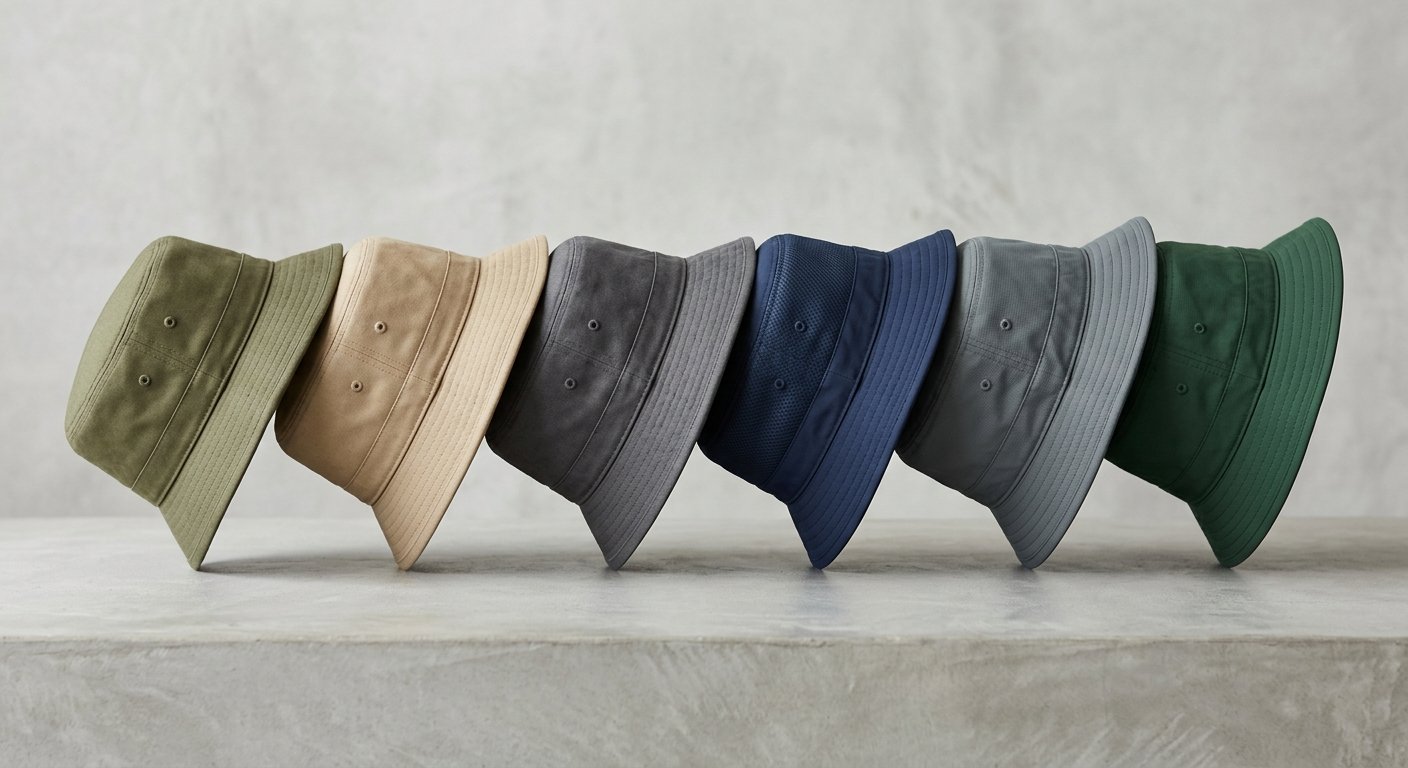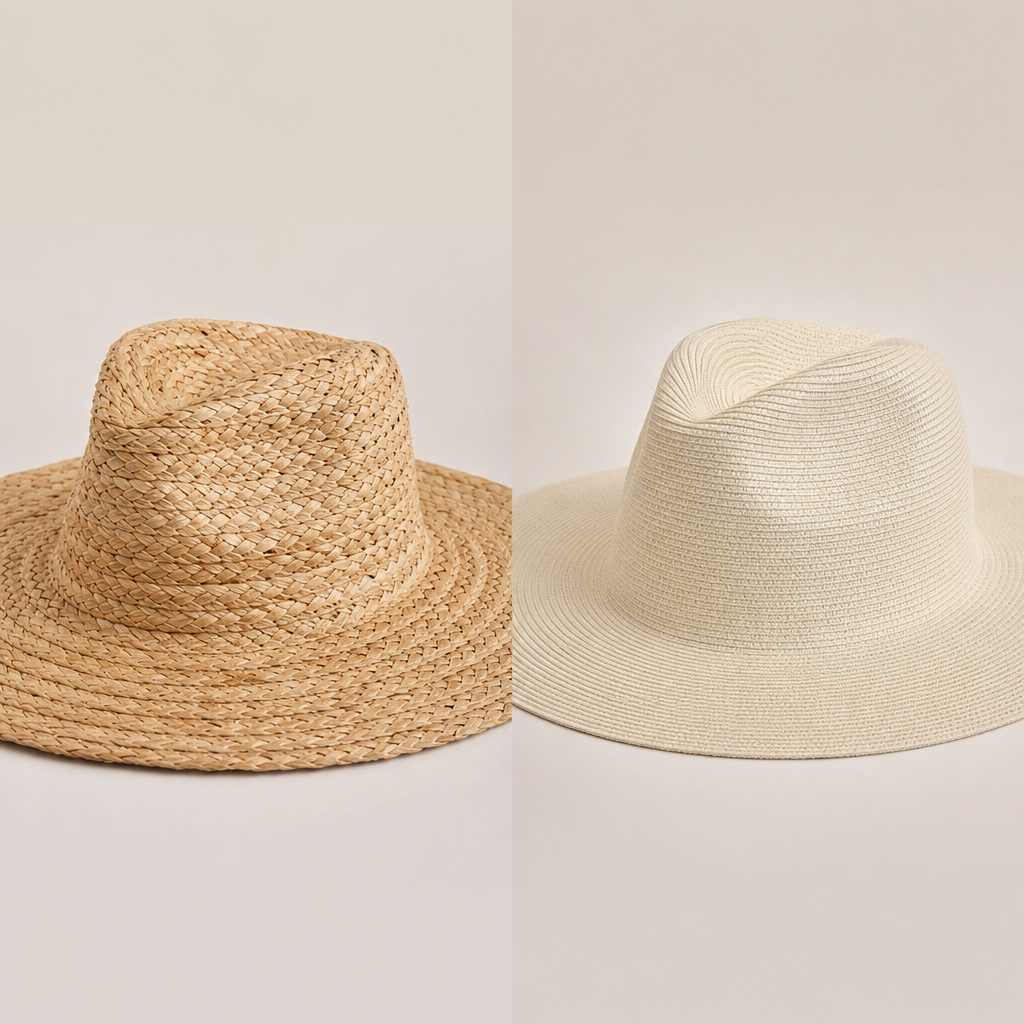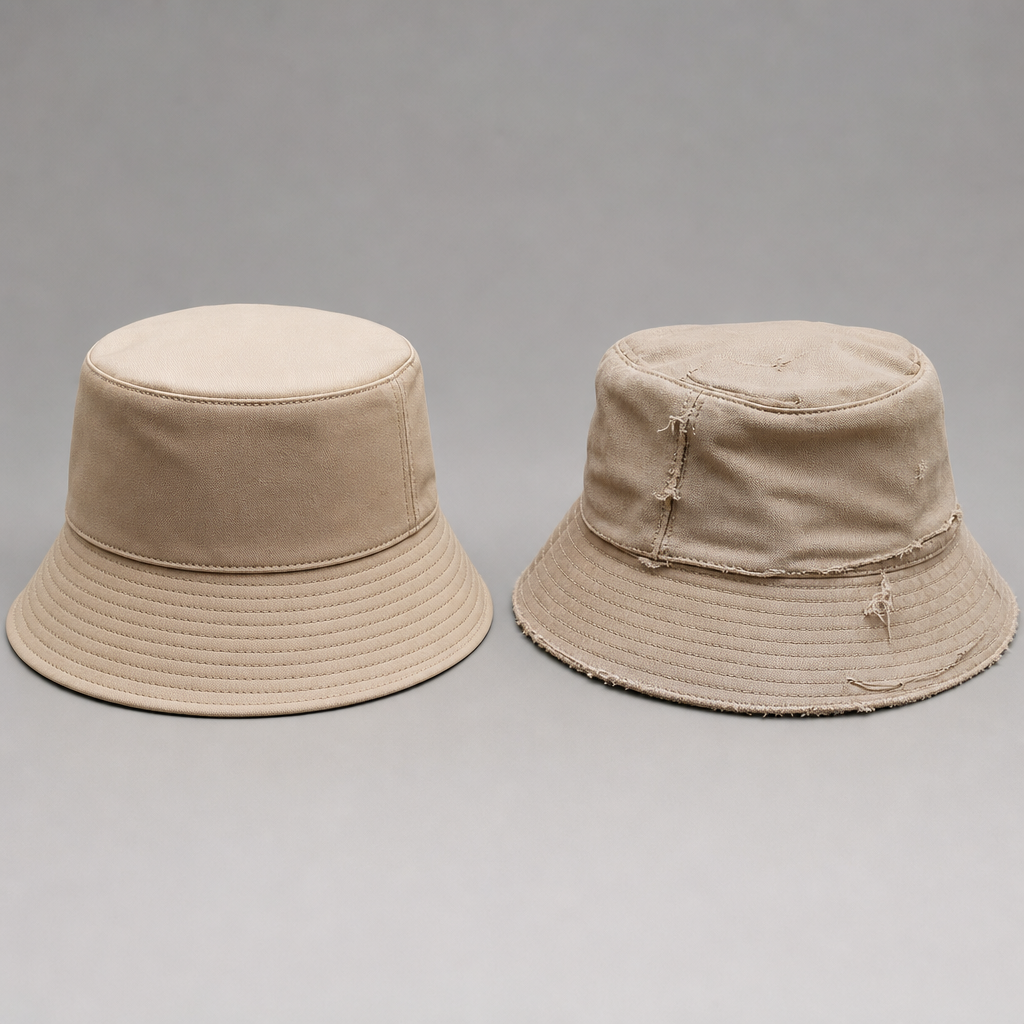
Straw hat brim deformation usually starts long before the customer opens the carton. A sample can look clean in the showroom, but the bulk order may arrive with wavy edges, flattened crowns, off-balance brims, or pressure dents if the shipping method was not designed for the hat shape. For buyers sourcing wholesale straw hats, this is not a minor cosmetic problem. A distorted brim can downgrade the retail look, increase claim rates, and turn a seasonal launch into a repacking or discount problem.
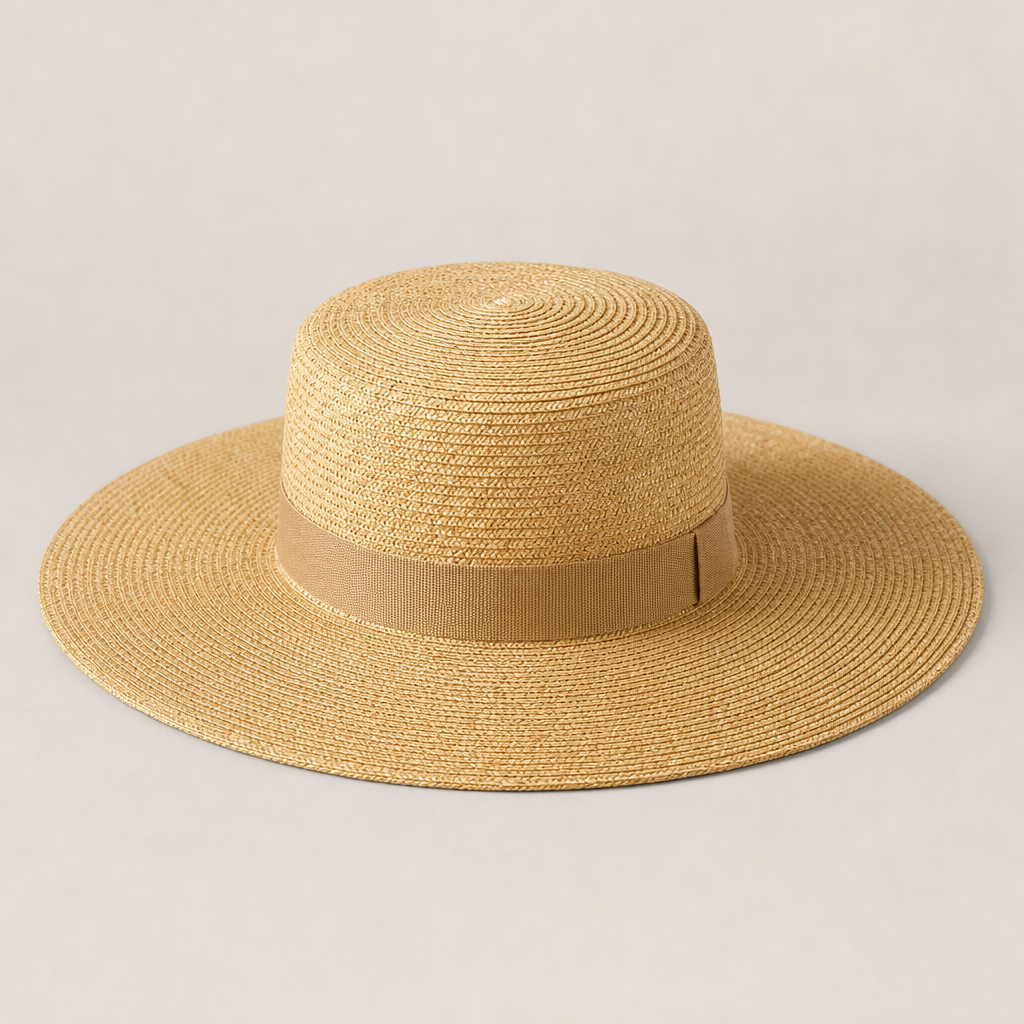
The good news is that most shipping damage is preventable. This page focuses on transit-stage prevention: carton pressure, humidity exposure, nesting control, and arrival inspection. If your team also needs the broader buyer guide covering pre-shipment sampling, packing approval, and wholesale QC decisions, review Straw Hat Brim Deformation for Wholesale Buyers before final supplier sign-off. Buyers should lock packing, carton, humidity, and inspection standards before the bulk order leaves the factory.
Main Buyer Problem
The main buyer problem is not whether the hat sample looks good. It is whether the approved hat can survive stacking, vibration, and humid transit without the brim line changing. Wide brims, woven edges, decorative bands, and shaped crowns can all react badly to compression, shifting, and moisture during transport.
The root cause is usually a weak shipping spec. Many buyers approve the hat itself but do not specify carton size, inner support, nesting depth, pallet pressure, or humidity protection. The supplier then uses a standard packing method that may save space but increase shape risk. The hats arrive technically delivered, but commercially damaged.
The buyer action is to define the shipping system early. A straw hat order needs a packing plan that matches brim width, material rigidity, nesting tolerance, transport route, and humidity exposure. The correct carton for a narrow-brim fashion hat is not automatically correct for a wide-brim resort hat. If the supplier discussion is still at the broader approval stage, use the wholesale buyer guide for straw hat brim deformation to settle sampling and packing ownership before moving into shipping execution.
Material / Construction Risk
Straw hat shipping performance depends on both the hat material and the hat structure. Natural straw, raffia, paper straw, and blended imitation-straw materials do not all react the same way under heat, humidity, and pressure.
Natural straw fibers can absorb moisture. When they take on water or high humidity, they may soften, swell, and lose shape. Some consumer-care sources note that natural straw can warp or deteriorate when wet. Paper-based straw materials can also lose shape if moisture reaches the fibers, and some styles may crease or collapse faster under direct pressure. If the buyer is reviewing wholesale straw hats across several factories, this is exactly why straw hat brim deformation should be evaluated together with moisture exposure, weave density, and brim support rather than as a final shipping complaint only.
Construction matters just as much as material. Buyers should confirm:
- brim width and intended curve
- crown shape and height
- weave density
- edge finishing or binding
- whether the hat includes an inner support band
- trim placement, such as ribbon, label, or decorative band
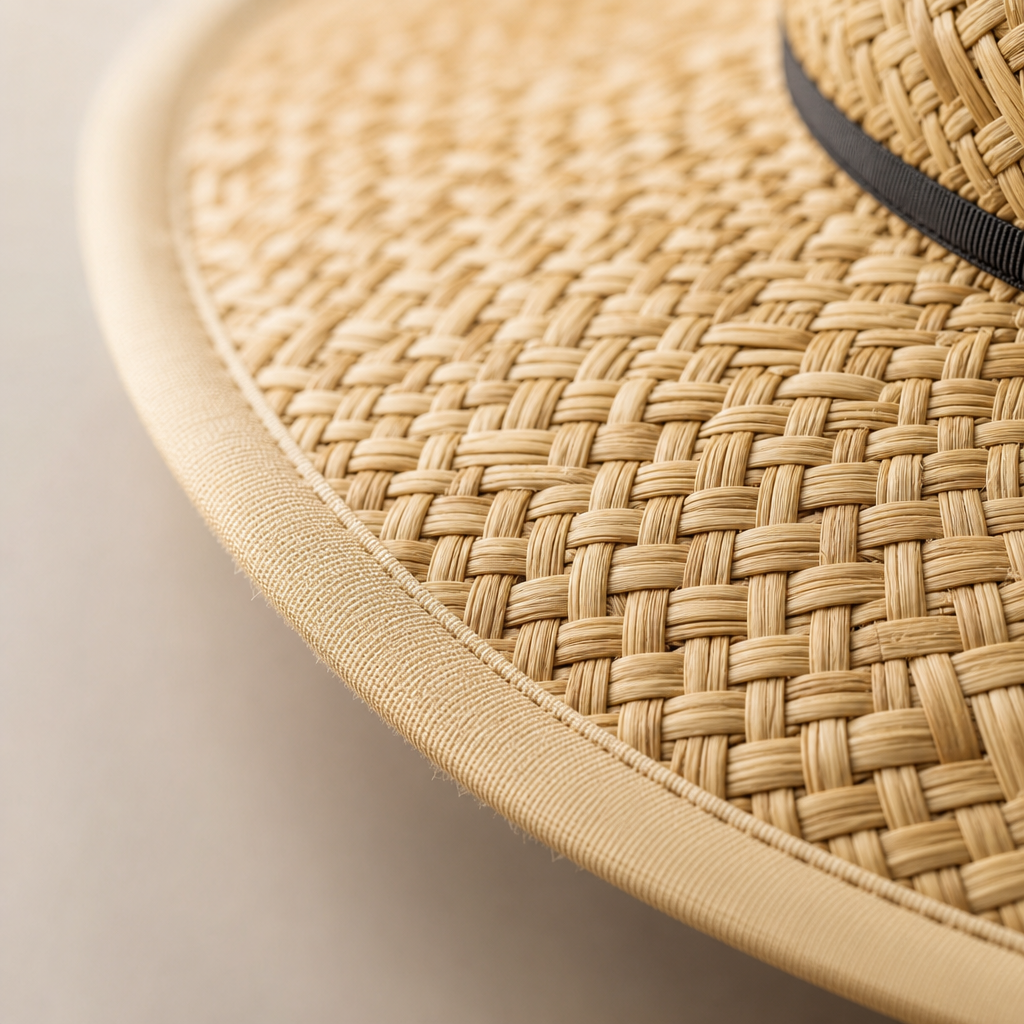
A looser weave may feel lighter and cooler, but it may also resist shipping pressure less effectively. A wide brim with weak edge control is more vulnerable than a smaller brim with tighter finishing. The buyer should not assume that a visually attractive sample will automatically survive long-distance transit.
When the project also includes custom straw hats, ask the supplier to compare the sample hat, the packed hat, and the unpacked hat after a short compression cycle. That simple sequence often reveals whether the brim support is stable enough for export.
Supplier / MOQ / Sampling Risk
Bulk shipping risk often appears after the supplier has already made the hats correctly. That is why the sample stage should include a packing discussion, not only a style discussion. The broader buyer workflow may start with style approval and QC, but this article stays on the narrower question of what must be fixed before cartons leave the factory.
When approving a straw hat supplier, buyers should ask:
- How are the hats nested or separated in cartons?
- What carton dimensions will be used?
- How many hats go into each carton?
- Will there be inner supports, spacers, or brim protectors?
- How is the order protected against humid transit conditions?
- Can the supplier perform a packing-drop or compression check?
MOQ also affects risk. If the order is large, hats may be palletized and stacked for longer periods. If the transit route includes ocean freight in warm or humid conditions, carton performance becomes more important. Some packaging sources note that corrugated cartons can lose compression strength as humidity rises. That means straw hat damage may come from two combined forces: the hat material softens, and the box protecting it becomes weaker at the same time.
If your team is already aligning product details through the straw hat category page, a sample quote request, or the broader straw hat brim deformation wholesale buyer guide, carry the packing method into the same approval sheet. Buyers lose control when style approval, carton approval, and transit-risk approval sit in separate conversations.
The safest way to reduce straw hat brim deformation is to control motion, pressure, and moisture together. A carton that is only large is not enough, and a carton that is only strong is not enough if the hats can slide or absorb humidity.
For many wholesale straw hats, buyers should consider these packing controls:
- use cartons sized to limit lateral movement
- avoid over-nesting wide-brim hats if the brim edge can flatten
- use inserts, rings, tissue, or separators to stabilize the crown and brim
- keep decorative bands from rubbing against adjacent hats
- use pallet handling that avoids top-load crushing
- consider desiccants or humidity-control materials for long humid routes
Humidity control matters more than many buyers realize. Packaging sources explain that corrugated boxes lose strength when relative humidity climbs, which raises collapse risk under stacking load. At the same time, straw and paper-based materials can soften or warp when they absorb moisture. The result is a predictable failure pattern: the carton weakens, the stack compresses, and the brim deforms.
That does not mean every straw hat shipment needs expensive specialty packaging. It means the buyer should match the packing method to the real risk level. A local dry-climate courier shipment may tolerate simpler packing than a container shipment moving through hot, humid ports.
QC Checklist
- Brim symmetry: inspect whether the left and right brim line match the approved sample.
- Brim edge condition: check for wave marks, flat pressure zones, bent edges, or cracked finishing.
- Crown shape: inspect for dents, collapse, or top-pressure marks.
- Moisture signs: look for soft cartons, water marks, musty odor, or visible dampness.
- Weave condition: check for loosened strands, opening gaps, or stress points near the brim edge.
- Trim stability: inspect ribbons, labels, bands, and attachments for rubbing or movement damage.
- Packing condition: review carton fit, inner support, and whether the hats moved during transit.
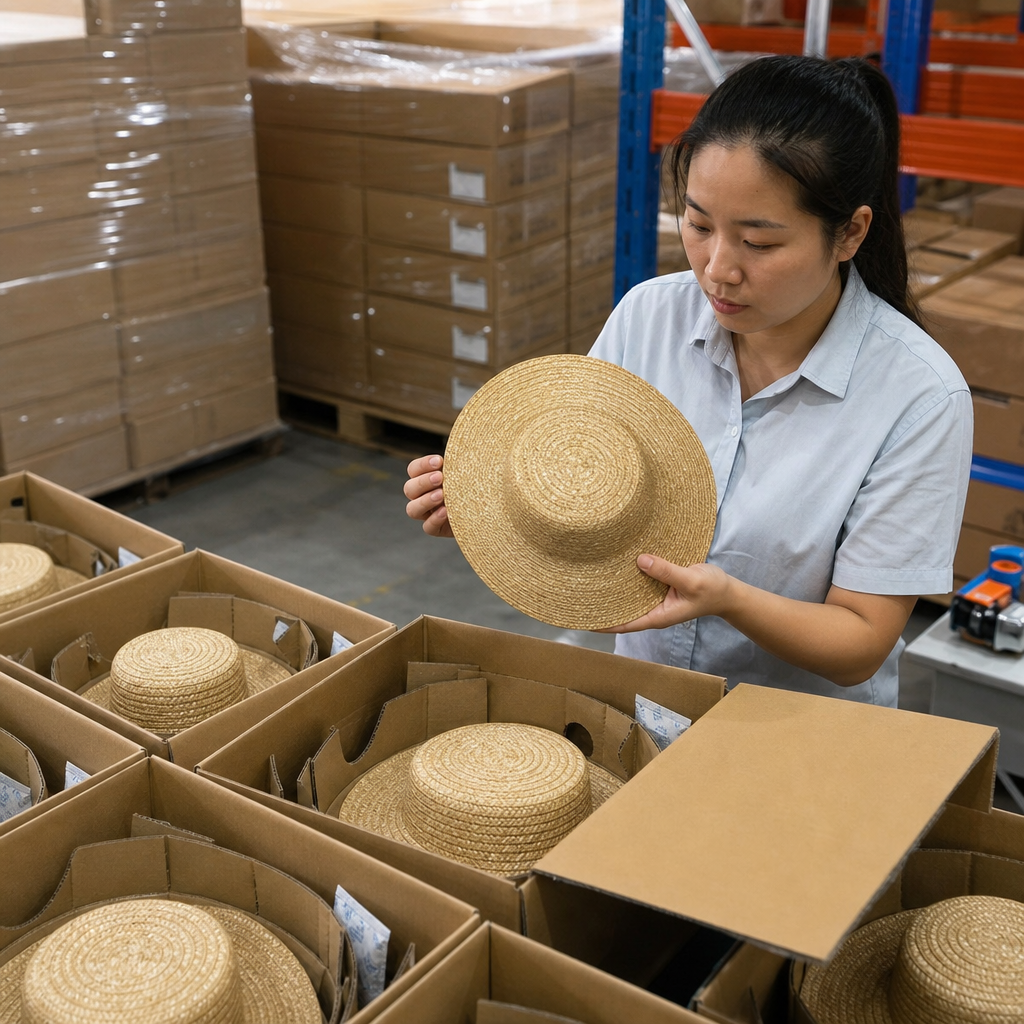
The best time to inspect is immediately on arrival. Do not wait until the hats are already distributed. If a shipment sits compressed in a humid warehouse, minor transit distortion can become a larger commercial loss.
Buyer Decision Framework
Shipping prevention should start with a simple risk map. This is where the article should stay narrow: transit handling, carton pressure, humidity, and arrival checks. The upstream sourcing decisions can sit in the broader buyer guide, but the shipping page should tell the logistics and QC teams exactly what to control.
| Risk factor | What to check | Why it matters | | — | — | — | | Brim width | How wide and stiff is the brim? | Wide brims deform faster under load | | Material type | Natural straw, paper straw, or blended fiber? | Different materials respond differently to moisture and pressure | | Carton plan | How many hats per carton and what inner support is used? | Reduces shifting and compression | | Route | Local courier, long truck route, or ocean freight? | Transit length changes humidity and stacking exposure | | Warehouse conditions | Will the cartons sit in humid storage? | Deformation can continue after delivery | | Inspection timing | Who checks the shipment and when? | Early detection protects claims and resale value |
If the hats are large-brim resort or retail styles, ask the supplier for photos of the packed cartons before shipment. For higher-risk orders, request a sample carton method and confirm how the brim is supported. A buyer who spends a little more time on shipping spec usually spends less on post-arrival recovery. If your team has not yet settled the wider sampling and QC process, go back to the wholesale buyer guide first, then return here for the shipping execution layer.
For teams that need an outside moisture-control reference, review how packaging strength can fall when humidity climbs, as outlined by Absortech's collapsed-packaging guidance. That kind of evidence helps explain why straw hat brim deformation is often a combined material-plus-carton problem rather than a single production error.
Reference sources: absortech.com, hatrealm.com.
常见问题解答
How do you prevent straw hat brim deformation in shipping?
Prevent it by matching the carton size to the hat, limiting internal movement, avoiding excess top pressure, and protecting the shipment from humidity. The packing method should be agreed before the bulk order ships, not after a damage claim appears.
Why do straw hats lose shape in cartons?
They lose shape when compression, shifting, and moisture work together. The brim can flatten under stacking pressure, while the straw or paper-based fibers may soften if the route is humid or wet.
Can humidity damage straw hats in transit?
Yes. Moisture can affect both the hats and the cartons. Straw-based materials can soften or warp, and corrugated cartons can lose compression strength in humid conditions, which increases crush risk.
What carton controls matter most for wide-brim straw hats?
The highest-priority controls are top-load resistance, internal movement control, brim support, and humidity protection. Wide-brim styles usually fail because the carton system allows pressure plus motion, not because the brim was visually imperfect at sample stage.
How should wholesale straw hats be packed?
They should be packed in cartons that control movement, support the crown and brim, and avoid unnecessary nesting pressure. Wide-brim styles usually need more shape protection than compact styles.
CTA
If you are planning a bulk straw hat order and want to reduce shipping damage, send HongyueCap your hat dimensions, brim width, carton target, quantity, destination country, and delivery route. If you are still deciding the wider sampling and QC framework, review the straw hat brim deformation wholesale buyer guide alongside our contact page. We can help you build a safer packing and inspection plan before production ships.