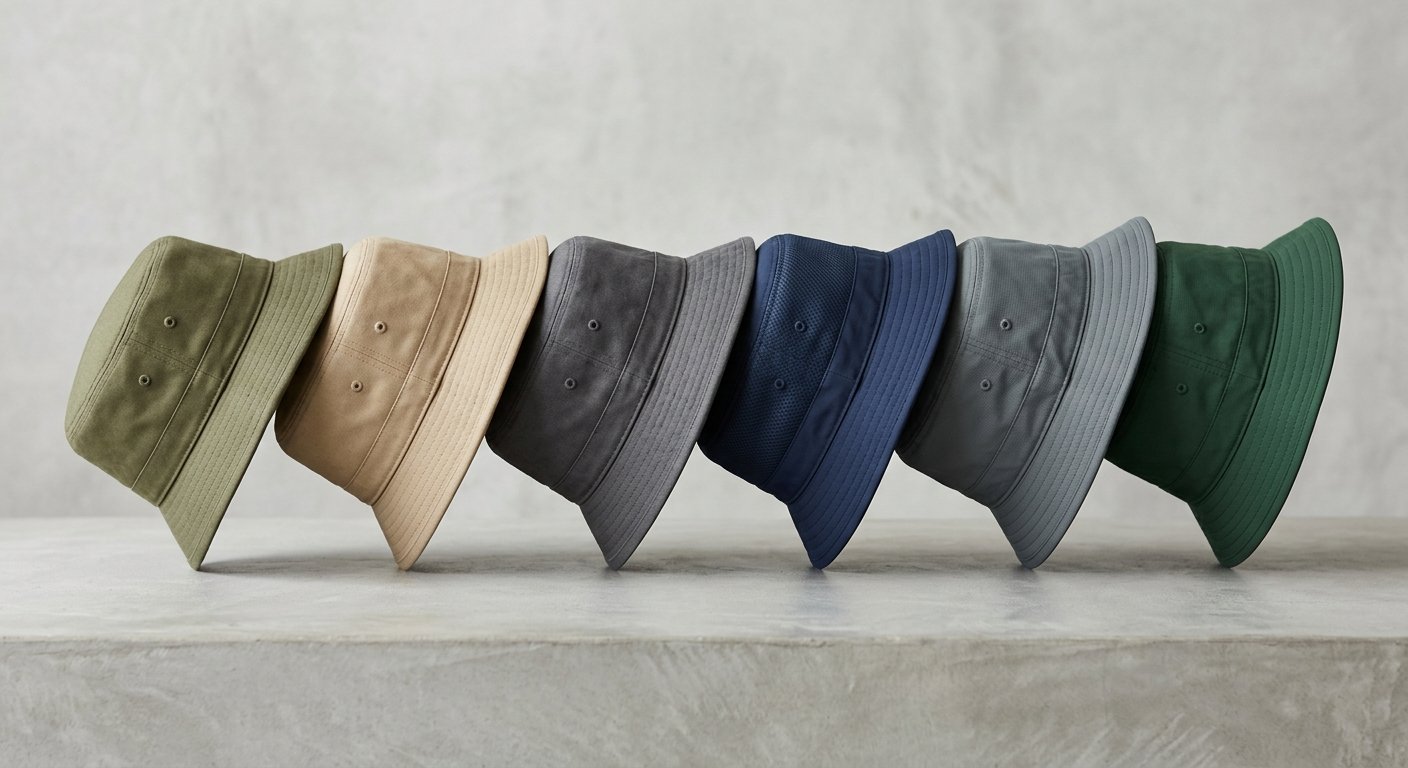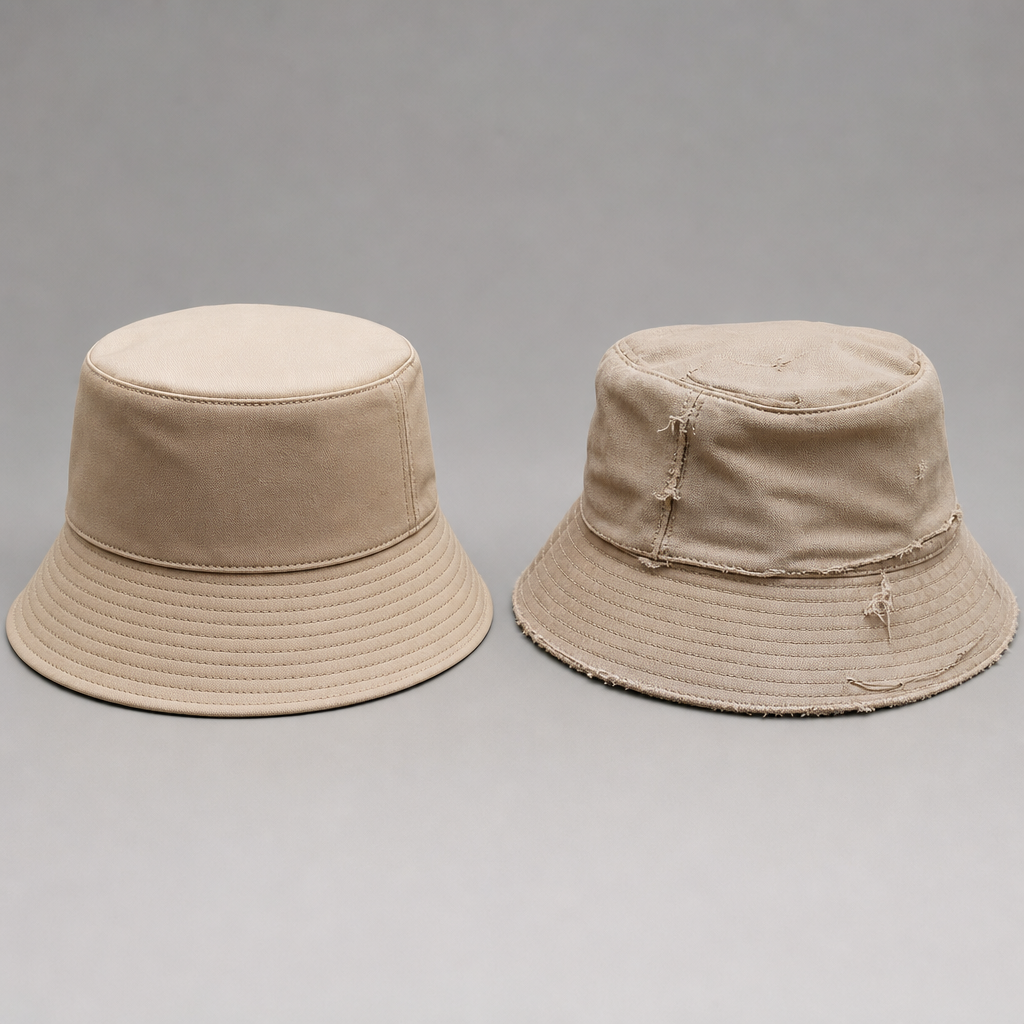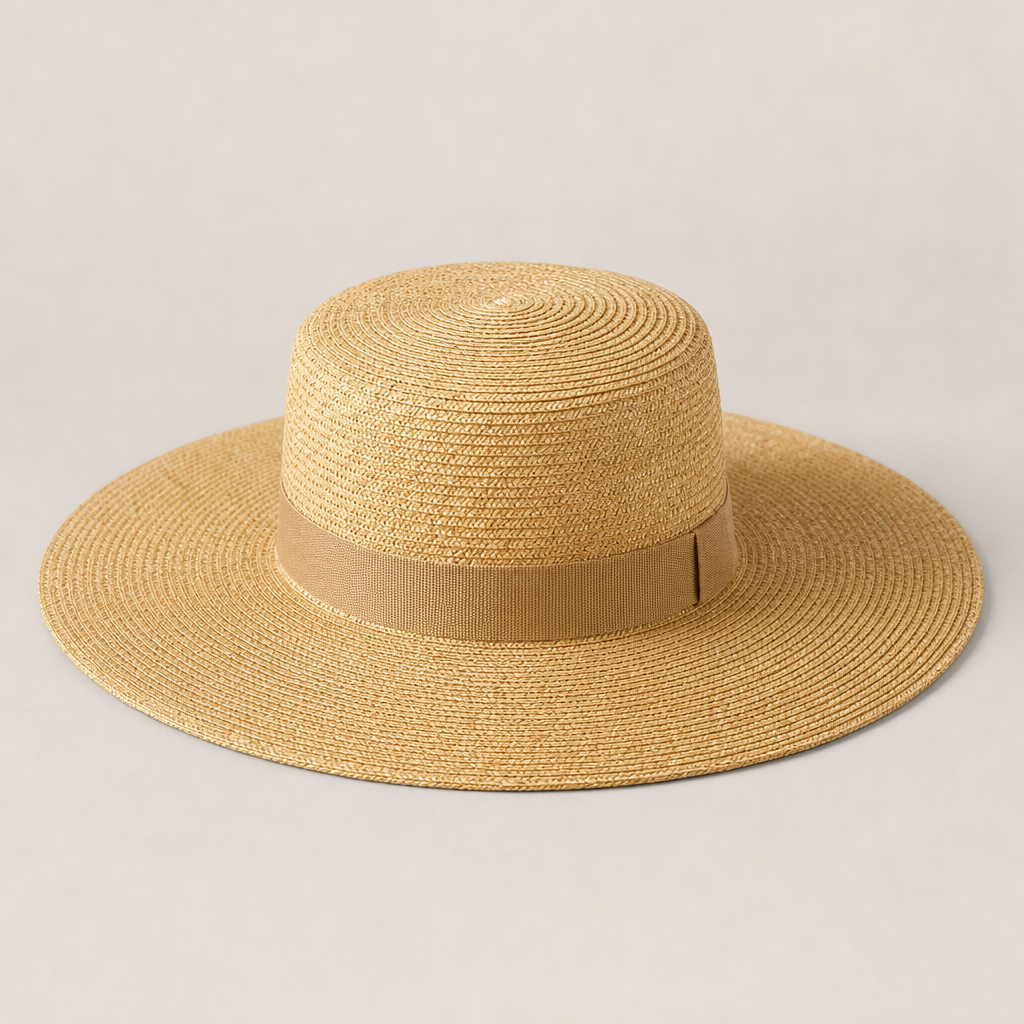
Natural straw vs paper straw hats for resort retailers is a sourcing decision, not just a style decision. For B2B buyers, the wrong choice can weaken sell-through, raise complaint risk, and create unnecessary sample revisions before the bulk order even starts. Buyers comparing natural straw vs paper straw hats for resort retailers usually want a faster answer to a practical question: which option fits price target, retail positioning, logo method, seasonal use case, and factory control most safely.
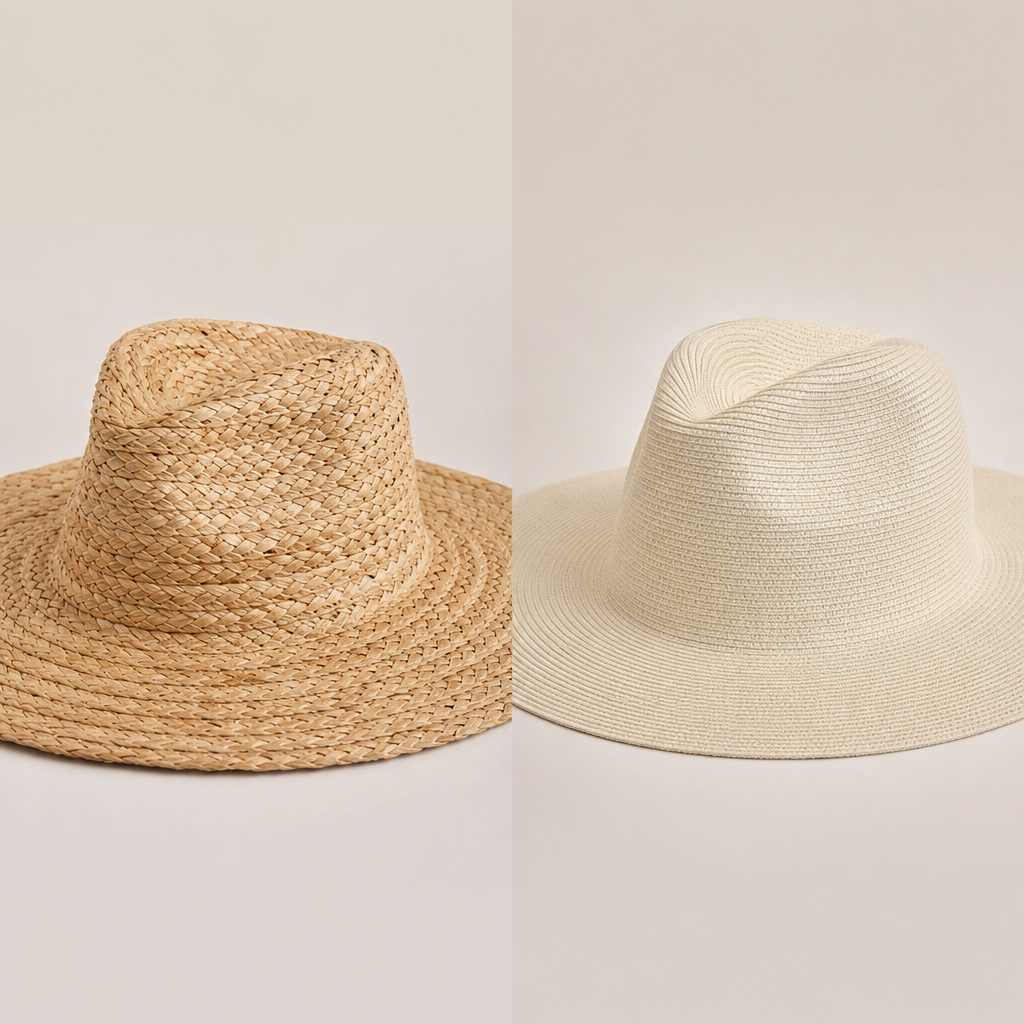
A useful material-comparison article should not stay at the level of consumer preference. It should help the buyer compare comfort, construction, MOQ pressure, decoration fit, and packing behavior together. If your team is still building the broader category path, keep HongYueCap and the live Straw Hat category in view while reviewing the sample options. That keeps the article connected to a real RFQ path instead of turning it into generic headwear commentary.
This guide focuses on buyer-side decisions for wholesale and custom orders: what the differences mean commercially, where the risks appear, what must be checked in sampling, and how to choose the safer route before production approval. It also keeps a clean path back to custom inquiry and sample discussion once the buyer is ready to move from comparison into execution.
Main Buyer Problem
The main buyer problem is usually not whether one option looks nicer in a mockup. It is whether the chosen material or build can match the launch goal without creating avoidable trouble in cost, lead time, decoration, or customer expectation. A sourcing team may approve the option that feels fine in a showroom sample, then discover later that it behaves differently in embroidery, packing, or repeated wear.
That is why buyers should define the use case first. Is the project for resort retail, seasonal promotion, distributor resale, or private-label shelf placement? Is the order trying to maximize perceived quality, unit-cost discipline, moisture tolerance, lighter weight, or a more premium natural-fiber story? Once those priorities are written down, the comparison becomes more objective.
The buyer action is to stop comparing labels only. Compare the full commercial fit: target market, fabric or fiber behavior, decoration compatibility, factory repeatability, and how much complaint risk the program can absorb. That is the real reason a structured guide for natural straw vs paper straw hats for resort retailers matters in B2B buying.
Material / Construction Risk
Material and construction risk should be reviewed together. A buyer who only compares the base material but ignores brim structure, weave density, lining, cuff construction, or patch method will still make a weak sourcing decision. That is especially true on custom orders where decoration, trim, or packing pressure can change how the product performs after approval.
From a buyer perspective, the first question is how the material behaves in the real channel. Natural-looking, softer, or more premium materials may support retail storytelling better, but they can also create more sensitivity around moisture, handling, or consistency. Lighter or more economical alternatives may support easier MOQ handling and faster sourcing, but they can weaken perceived value or behave differently when heat transfer, embroidery, or long shipping routes enter the picture.
Construction risk then decides whether the approved sample stays stable in bulk. Buyers should review seam quality, edge control, shape retention, trim placement, and whether the final product will be packed tightly or displayed immediately after arrival. If the team needs an outside compliance or materials reference, keep standards like OEKO-TEX Standard 100 and broader industry sourcing references such as Shkëmbimi Tekstil in the documentation trail for later supplier discussion.
Supplier / MOQ / Sampling Risk
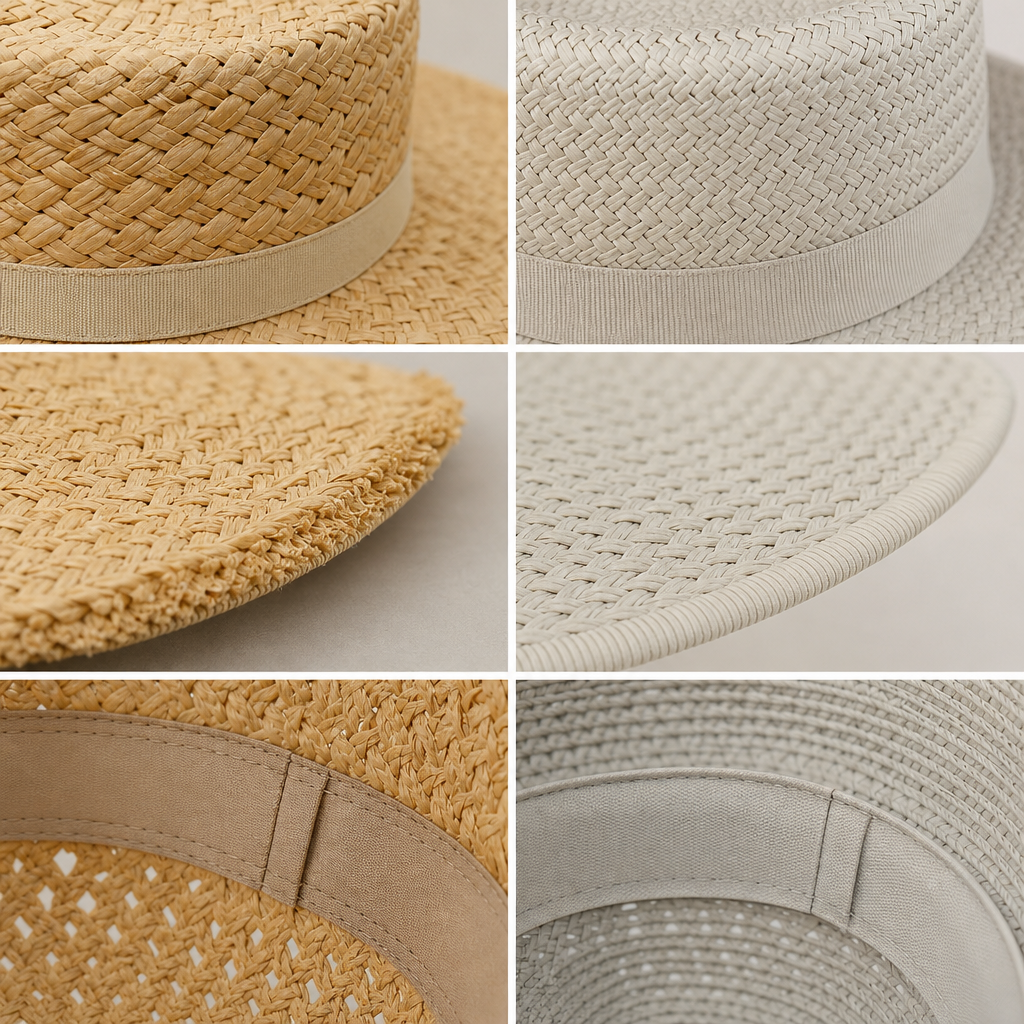
Supplier, MOQ, and sampling risk usually appear when the buyer has not locked the comparison logic early enough. Factories can quote two options that look close in price but differ greatly in sample stability, yarn or material sourcing, trim compatibility, and revision count. A good buyer brief should therefore compare not just the base option, but also how each path affects MOQ, sample timing, and bulk repeatability.
At the sample stage, buyers should ask whether both options are being tested with the same logo method, same trim expectation, and same packing assumption. If the final bulk order will use embroidery, patches, lining, shape inserts, or premium finishing, those details should be inside the comparison sample. Otherwise the buyer is approving only part of the real product.
Lead time also matters. One option may appear attractive until it triggers more sample rounds or sourcing substitutions. The safer route is often the one that gives a clear approval path with fewer hidden changes between mockup, sample, and production. When you send the RFQ, ask the supplier to answer four things clearly: realistic MOQ, sample lead time, bulk lead time, and which parts of the spec are most likely to change after sample review.
QC Checklist
- Confirm the material or fiber option matches the approved sample in look, hand feel, and structure.
- Check stitching, weave, seam, brim, cuff, or body stability after normal handling.
- Review the logo method on the actual approved material, not on a substitute sample.
- Compare packing response after the sample is folded, boxed, or unpacked.
- Check trim attachment, sweatband, edge finish, and visible symmetry.
- Record which risk is more commercially serious: comfort complaint, shape loss, pilling, moisture reaction, or premium-value mismatch.
Buyer Decision Framework
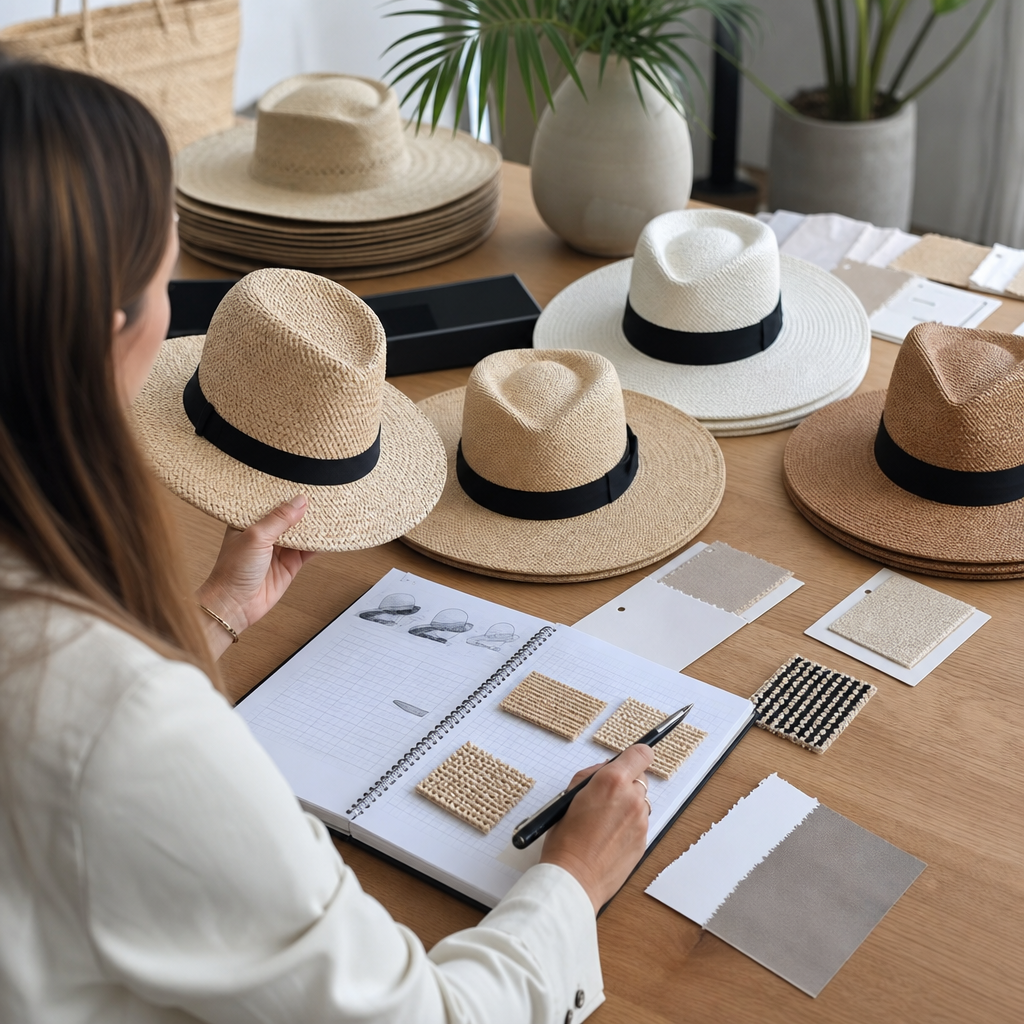
Buyers can make the final choice faster by using a simple decision framework instead of debating materials abstractly.
1. Start with the channel. Resort retail, distributor resale, event merchandise, and private-label boutique orders do not all need the same balance of cost, appearance, and function. 2. Match the material to decoration. If the logo method is heavy embroidery, patch application, or transfer-based branding, test that specific method on the final option before approval. 3. Rank the failure you can least afford. Some buyers care most about margin. Others care most about premium feel, packing recovery, or lower post-sale complaints. 4. Compare supplier control, not just sample appearance. Ask which option is easier for the factory to reproduce consistently across bulk quantities. 5. Keep the RFQ path open. Once the comparison is clear, the buyer should move directly to contact and sample planning with target quantity, country, logo file, and delivery window.
For many buyers, the best decision is the one that balances three things at the same time: commercial fit, stable factory execution, and believable end-market positioning. That is the point of a B2B article on natural straw vs paper straw hats for resort retailers: it should shorten the route from uncertainty to supplier decision, not just add another informational page to the site.
Request a quote or sample review after sharing your logo, target quantity, destination country, delivery date, and material preference.
FAQ
What is the safest way to compare options for a wholesale order?
Use the option that best fits your target channel, decoration plan, unit-cost ceiling, and expected product story. The safer B2B choice is the one that the supplier can reproduce consistently while still matching your market expectations.
What should buyers include in the sample brief during comparison?
Ask the factory to sample both options under the same logo, trim, and packing assumptions. That is the quickest way to compare not just appearance, but real approval risk, sample revision count, and likely bulk stability.
Why do material-comparison decisions still fail after a good-looking sample?
The biggest mistake is approving a material comparison without documenting MOQ, lead time, decoration behavior, and complaint-risk tradeoffs. A sample that looks fine in isolation can still be the wrong commercial choice for the order.
CTA
If you are comparing natural straw vs paper straw hats for resort retailers for a wholesale or custom order, send HongYueCap your logo file, target quantity, destination country, required delivery date, sample requirements, and key product specs through our faqja e kontaktit. We can help you narrow the safer sample direction before bulk production starts.