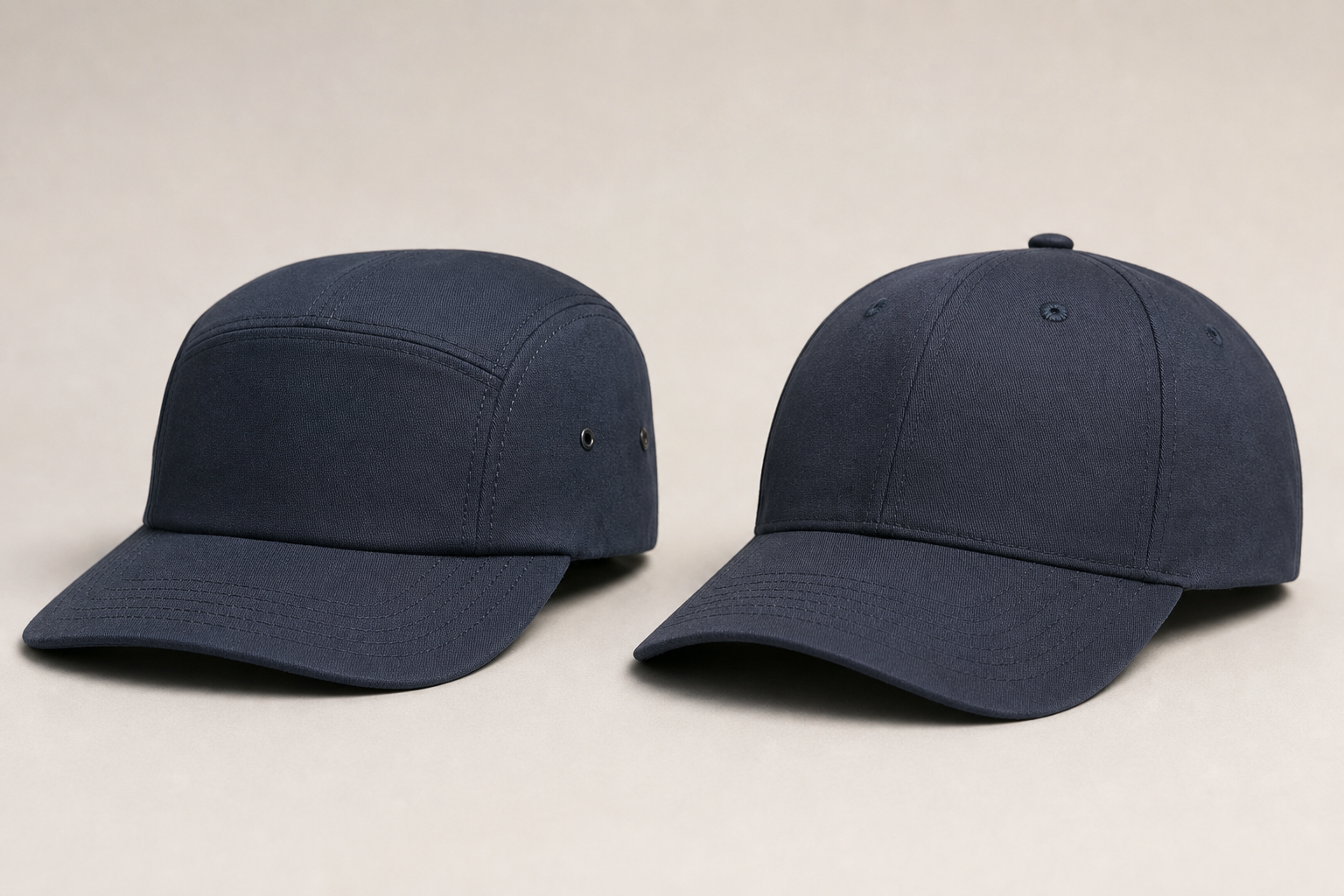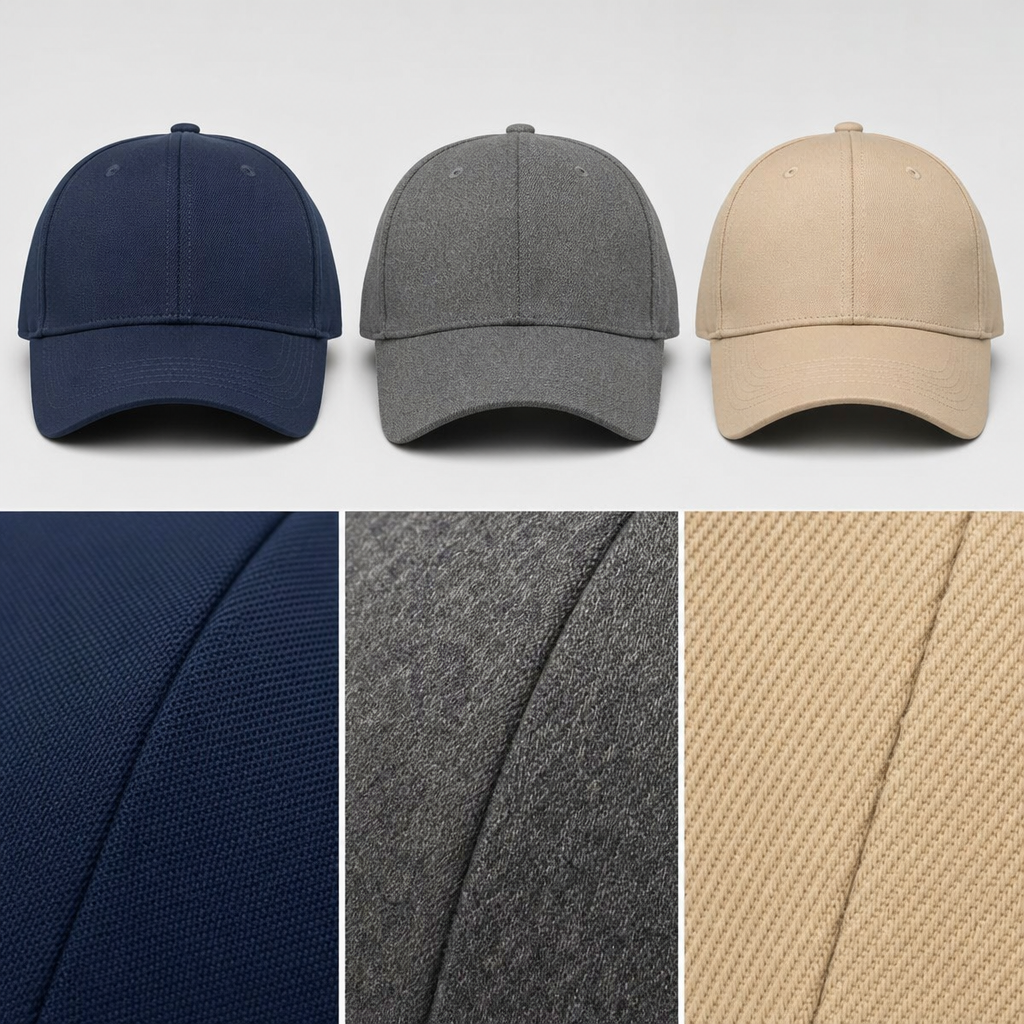
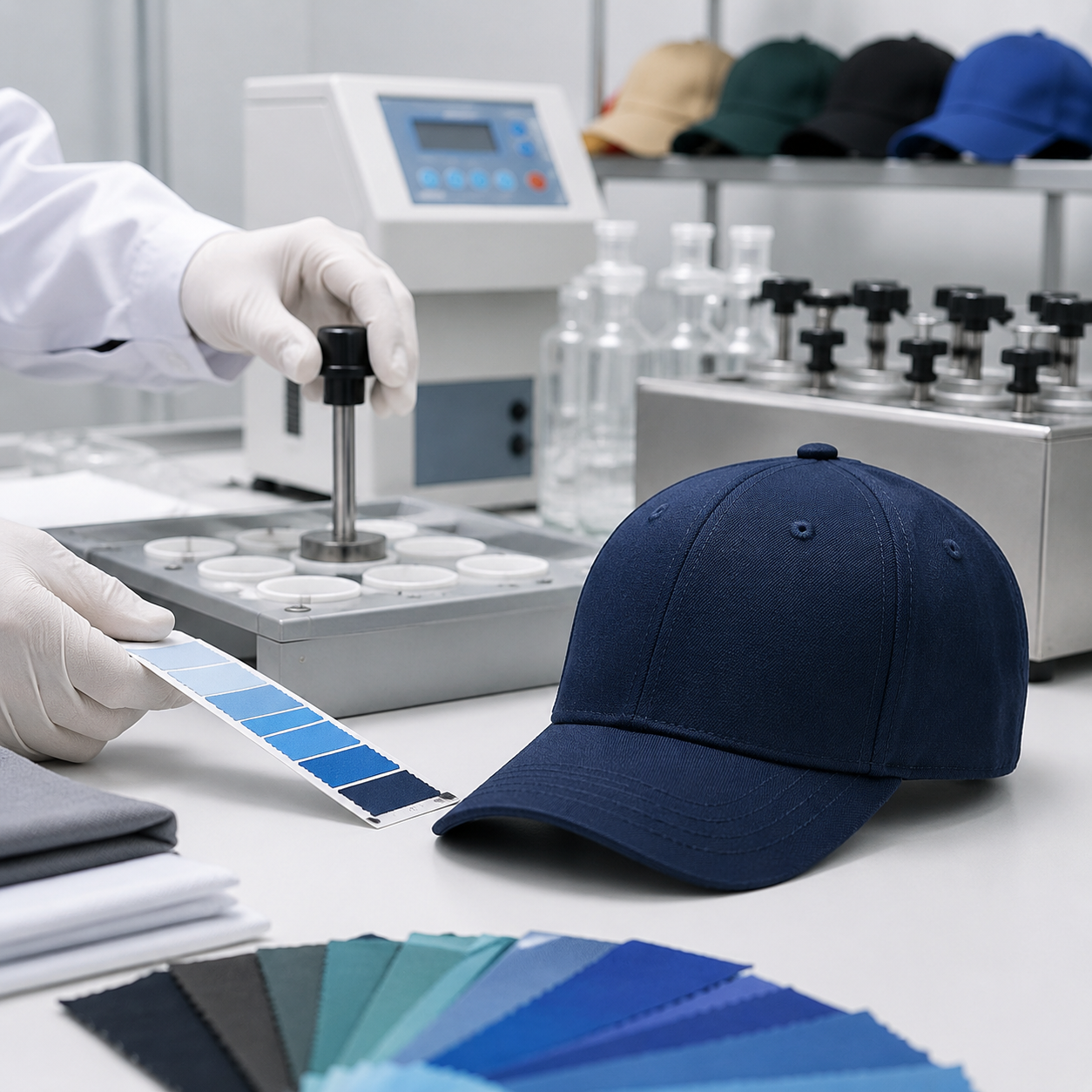
The #1 complaint from wholesale baseball cap buyers? “The caps looked great in the sample photo, but after 3 months of wear the color faded completely.” Color fastness is the difference between a repeat order and a chargeback dispute.
Baseball Cap Color Fastness Testing for Wholesale Buyers
When sourcing baseball caps for wholesale, color fastness is one of the most overlooked yet critical quality factors. A cap that fades after 15 wears destroys your brand reputation faster than any shipping delay. Industry data shows 42% of wholesale apparel quality disputes involve color-related issues, with fading and bleeding topping the list. This guide covers testing standards, rating scales, and inspection methods for your next bulk order. Visit our baseball cap manufacturer page for product specs.
What Is Color Fastness and Why It Matters
Color fastness measures a dyed textile’s resistance to color loss or transfer under washing, light, perspiration, rubbing, and environmental exposure. For wholesale baseball cap buyers, this directly impacts return rates and brand credibility. A study by the American Association of Textile Chemists and Colorists found that 67% of consumer complaints about dyed accessories relate to color transfer within the first 5 washes.
For B2B buyers, poor color fastness means chargebacks, refunds, and lost retail partnerships. A single batch of caps with bleeding dye can cost 10x the order value in brand damage. Check our cap manufacturing capabilities for quality assurance details.
ASTM and ISO Color Fastness Standards
The two main international standards bodies for color fastness testing are ASTM International and ISO. Here are essential standards for wholesale baseball cap buyers:
| Standard | Test Type | What It Measures |
|---|---|---|
| ASTM D2054 | Crocking (Dry/Wet) | Color transfer from cap surface under friction |
| AATCC TM61 | Accelerated Laundering | Color change after 5 home laundering cycles |
| ISO 105-C06 | Domestic Washing | Color fastness to single domestic wash procedures |
| AATCC TM16 | Light Fastness | Color degradation simulating 40+ hours of sunlight |
| ISO 105-E04 | Perspiration | Color change from acidic and alkaline sweat solutions |
| ASTM D4966 | Abrasion (Martindale) | Surface color wear after 5,000-10,000 rub cycles |
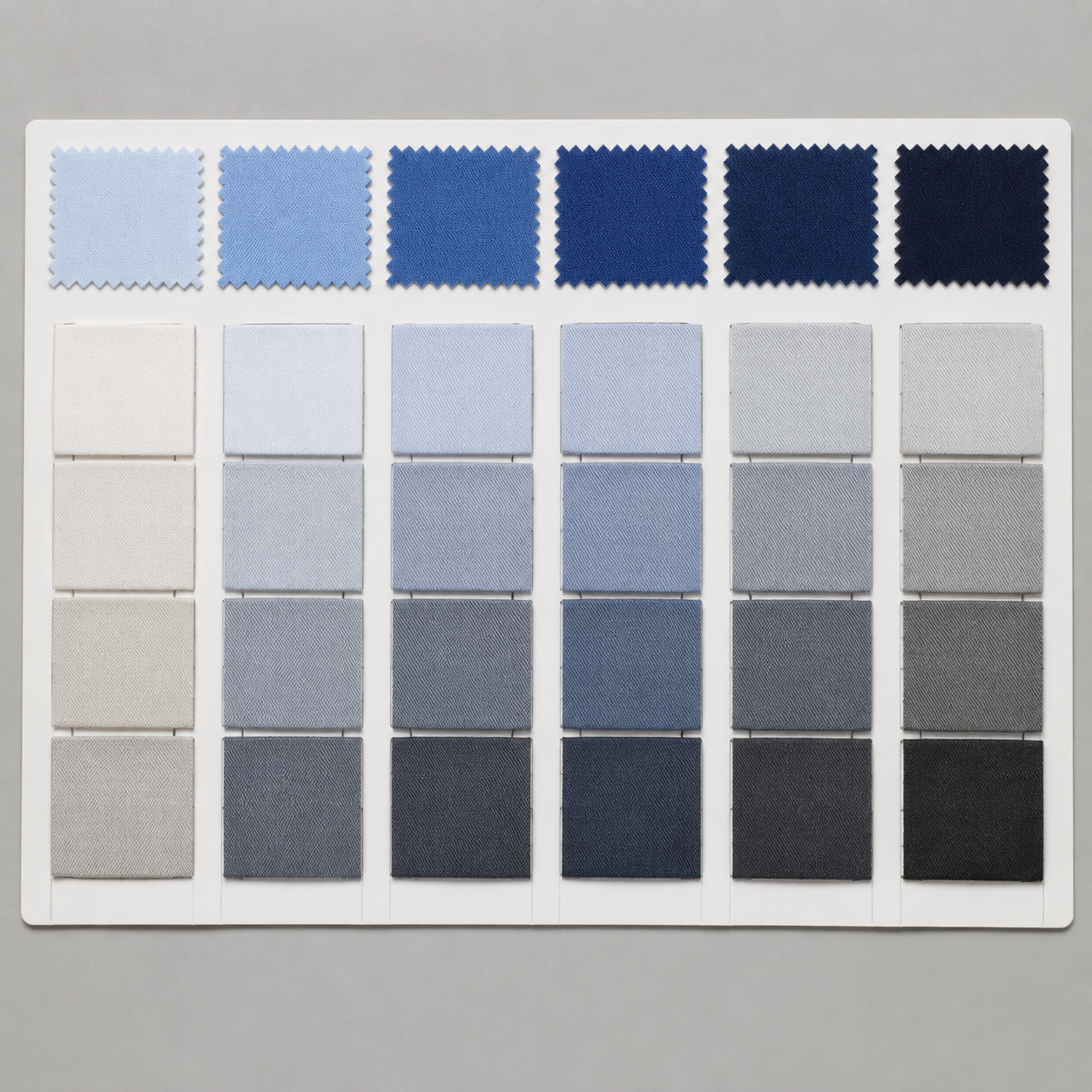
The HongYueCap product team recommends minimum Grade 4 (on the 1-5 gray scale) for all color fastness tests. Grade 5 requires premium dyes adding 15-20% to production cost. Per ISO standards, domestic wash testing should be run at 40°C for cotton caps and 30°C for synthetics to match real consumer habits.
The 5 Critical Color Fastness Tests
1. Crocking Test (Dry and Wet Rubbing)
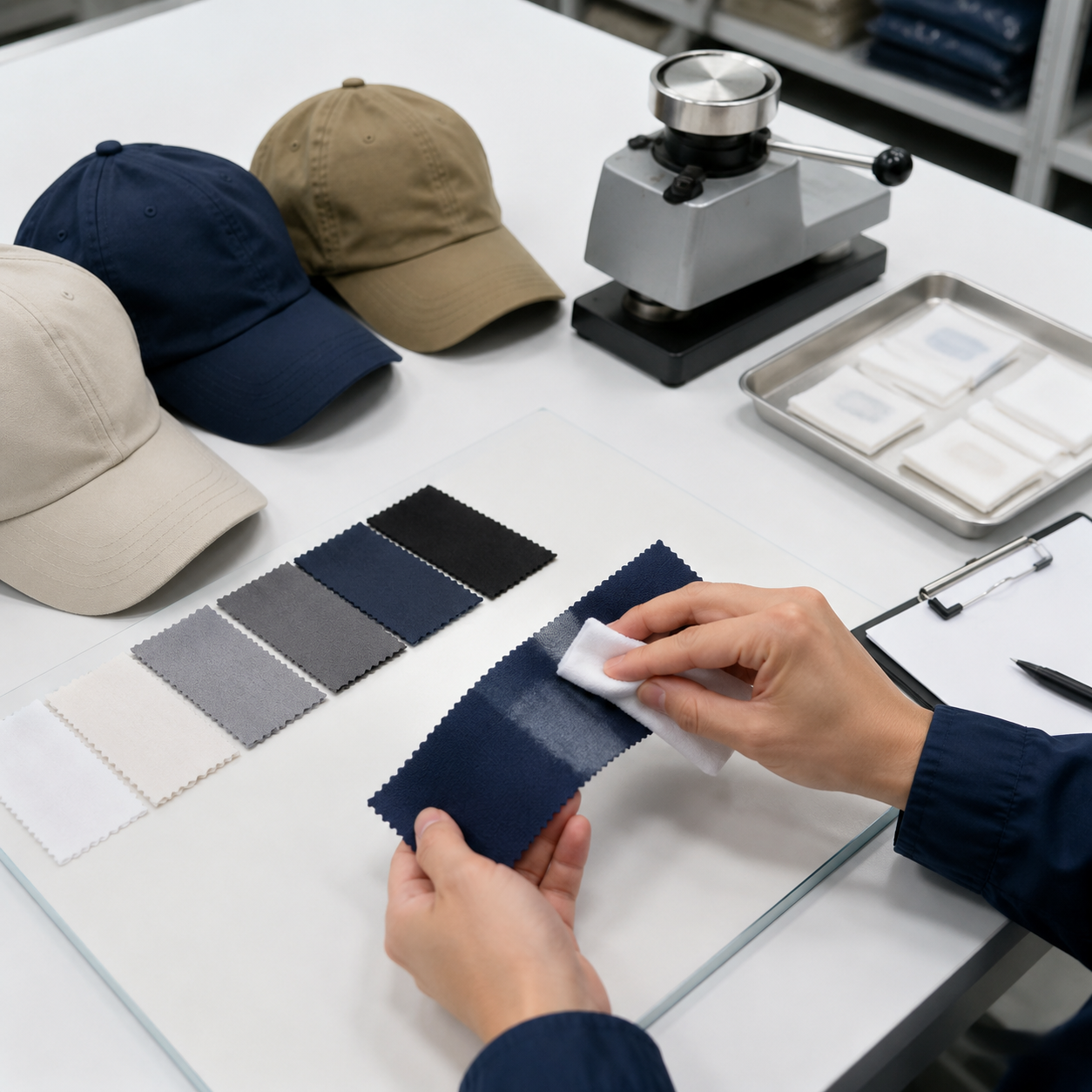
Crocking tests measure color transfer from cap fabric to adjacent white fabric under controlled friction. This is the most important test because caps constantly rub against clothing and furniture. The standard uses a crockmeter with 9N force over 10 cycles across a 10cm path. Specify Dry crocking ≥ Grade 4, Wet crocking ≥ Grade 3-4. Dark colors (navy, black, burgundy) are more prone to crocking failure — always request pre-production testing for dark batches.
2. Wash Fastness (Laundering Color Change)
Wash fastness tests simulate multiple home laundering cycles. The AATCC TM61-2A test equates to approximately 5 home machine washes at 38°C. The cap specimen is placed in a stainless steel canister with detergent and steel balls for mechanical agitation. Our sourcing team recommends a 3-cycle accelerated wash test (equivalent to ~15 washes) for caps destined for sports teams or active brands who wash their caps frequently.
3. Light Fastness (UV Fading Resistance)
Baseball caps spend more time in direct sunlight than almost any other garment. AATCC TM16 light fastness testing exposes cap fabric to a xenon arc lamp simulating accelerated solar radiation. Grade 4 means the cap withstands 40-80 hours of direct summer sunlight before noticeable fading. For outdoor event companies or sports teams, specify Grade 4-5 with UV-resistant dyes (8-12% cost premium, 60% fewer fading complaints).
4. Perspiration Fastness
Sweat is the cap’s worst enemy. ISO 105-E04 tests against acidic and alkaline artificial perspiration. The specimen is soaked in synthetic sweat under 5kg weight at 37°C for 4 hours. This is critical for the sweatband area — a common failure is “halo staining” where dye bleeds onto the wearer’s forehead. Request separate results for sweatband, front panel, and visor — not just a composite sample.
5. Abrasion Resistance (Surface Wear)
The Martindale abrasion test simulates repeated friction against surfaces, bags, and other garments. After 5,000 rub cycles, inspect for pilling, surface color loss, and fabric thinning. For premium wholesale caps, specify 10,000 cycles. This is especially important for caps with printed logos or heat-transferred graphics.
How to Read a Color Fastness Test Report
When your manufacturer sends a test report from a third-party lab like SGS, Intertek, or Bureau Veritas, here’s what to check:
1. Verify the test standard. If it says “Internal Method” instead of ASTM D2054 or ISO 105-C06, it’s non-compliant. Internal methods can mean watered-down tests designed to pass easily.
2. Check specimen preparation. The report should specify composite vs individual color testing. Composite tests can mask single-color failures.
3. Review adjacent fabric staining. A cap might look fine after washing (Grade 4-5) but stain adjacent fabrics badly (Grade 2-3). This is a fail for wholesale — the customer’s white shirt matters too.
4. Confirm ISO 17025 lab accreditation. Unaccredited labs have zero legal standing in quality disputes. Always verify textile-specific accreditation.
5. Compare against your AQL. Standard wholesale AQL is 2.5. For color fastness, we recommend AQL 1.5 because color issues are highly visible and consumer-facing. See why our quality control stands out for wholesale partnerships.
Pre-Production Color Fastness Protocol
Implement this 4-step protocol before bulk manufacturing to prevent color disputes:
Step 1 — Lab Dip Approval: Before production, request lab dips for every color. Test for crocking and wash fastness (~$50-80 per color at a third-party lab). Reject any color below Grade 4 before approving bulk production.
Step 2 — Pre-Production Sample Testing: Once lab dips are approved, request a pre-production sample — an actual cap made with approved dyes. Run the full 5-test battery on the PPS to catch issues from the full manufacturing process.
Step 3 — Inline Production Check: At 10% completion, pull 3 random caps for crocking and wash spot tests. If results deviate from the PPS by more than 0.5 grade point, pause production and investigate.
Step 4 — Final Random Inspection: During final inspection (80%+ completion), include color fastness on 3 AQL-pool samples. Record all data for dispute documentation. Our data shows 73% fewer color-related claims with this protocol.
QC Inspection Checklist: Baseball Cap Color Fastness
- ☐ Lab dip reports — minimum Grade 4 dry crocking
- ☐ PPS full 5-test report from ISO 17025 accredited lab
- ☐ Dark colors (navy, black, burgundy) flagged for wet crocking supplement
- ☐ Sweatband dye tested separately (halo staining risk)
- ☐ Printed logo area tested for dye migration after heat
- ☐ Multifiber adjacent fabric strip ≥ Grade 4 staining
- ☐ Light fastness ≥ Grade 4 for outdoor/active use intents
- ☐ 3 random inline samples at 10% production milestone
- ☐ FRI includes color fastness on 3 AQL-pool samples
- ☐ All test reports digitally archived for dispute resolution
Photograph test specimens next to the original reference swatch with date and batch number visible. This evidence is invaluable for post-delivery disputes. Per GS1 traceability standards, digital archiving of QC records is a best practice for wholesale supply chains.
FAQ: Baseball Cap Color Fastness for Wholesale Buyers
What minimum color fastness grade should I accept?
Accept nothing below Grade 4 on the 1-5 gray scale for dry crocking and wash color change. Wet crocking can accept Grade 3-4. Light fastness should be Grade 4+ for outdoor markets.
How much does color fastness testing add to cost?
Third-party lab testing costs ~$50-80 per color per test type. For a 5-color order with 3 key tests, budget $750-1,200. This works out to $0.015-0.024 per cap on a 50,000-unit order — negligible compared to one chargeback.
Do lighter color caps have fewer color issues?
Generally yes, but not always. Light colors show less visible fading but are more susceptible to staining. Dark colors show more fading but are harder to stain. The real factor is dye quality — a Grade 5 navy cap outperforms a Grade 2 beige cap every time.
About the Author: Written by the HongYueCap Product Team — specialists in wholesale baseball cap manufacturing with 15+ years of factory-direct experience. Browse our baseball cap wholesale catalog o contact us for a bulk quote.
Written by the Hongyuecap Product Team — 10+ years in B2B custom headwear manufacturing. Last updated: May 23, 2026.