Planning a custom beanie sample too late is one of the easiest ways to miss a winter selling window. A beanie looks simple compared with a structured cap, but the sample stage still has to confirm yarn, gauge, fit, cuff height, patch or embroidery method, wash behavior, stretch recovery, and bulk lead time. If any of those details are vague, the sample cycle stretches, revisions multiply, and the buyer ends up approving production too close to the cold season.
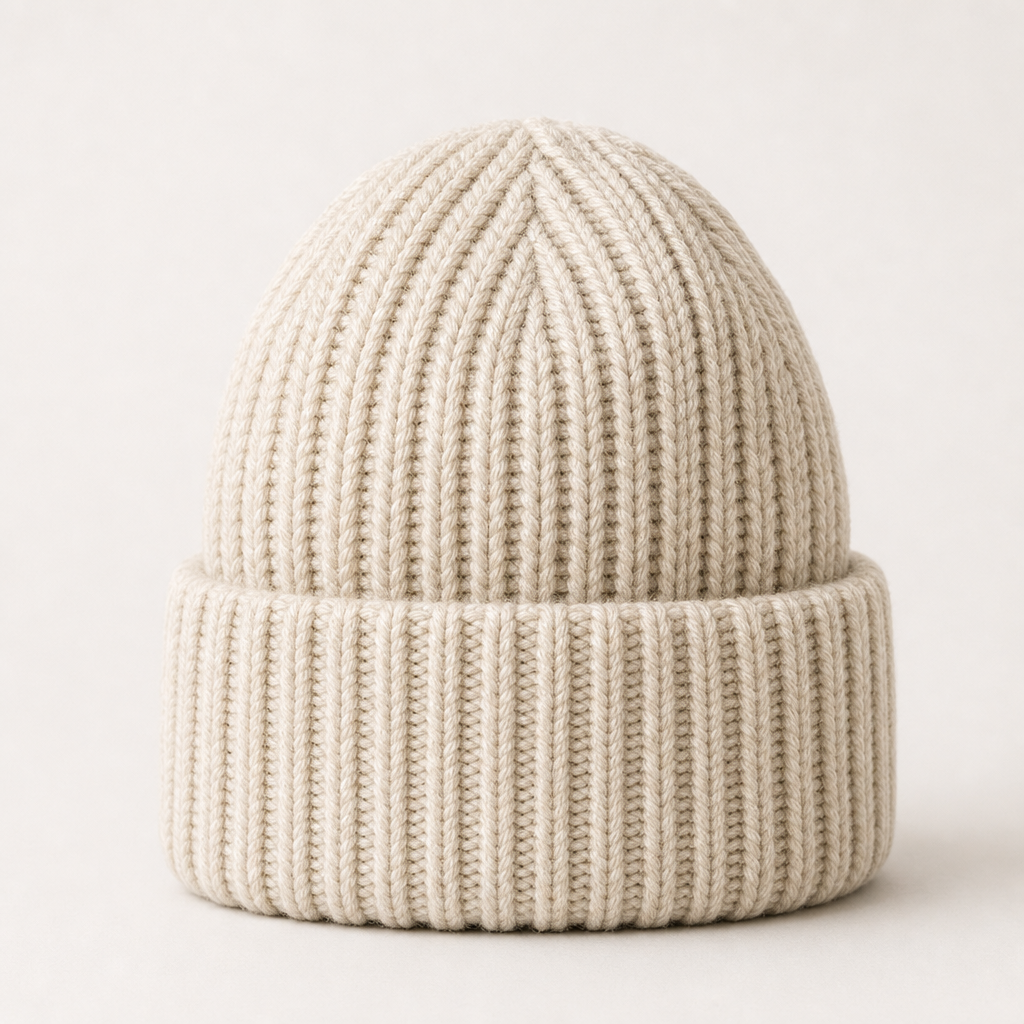
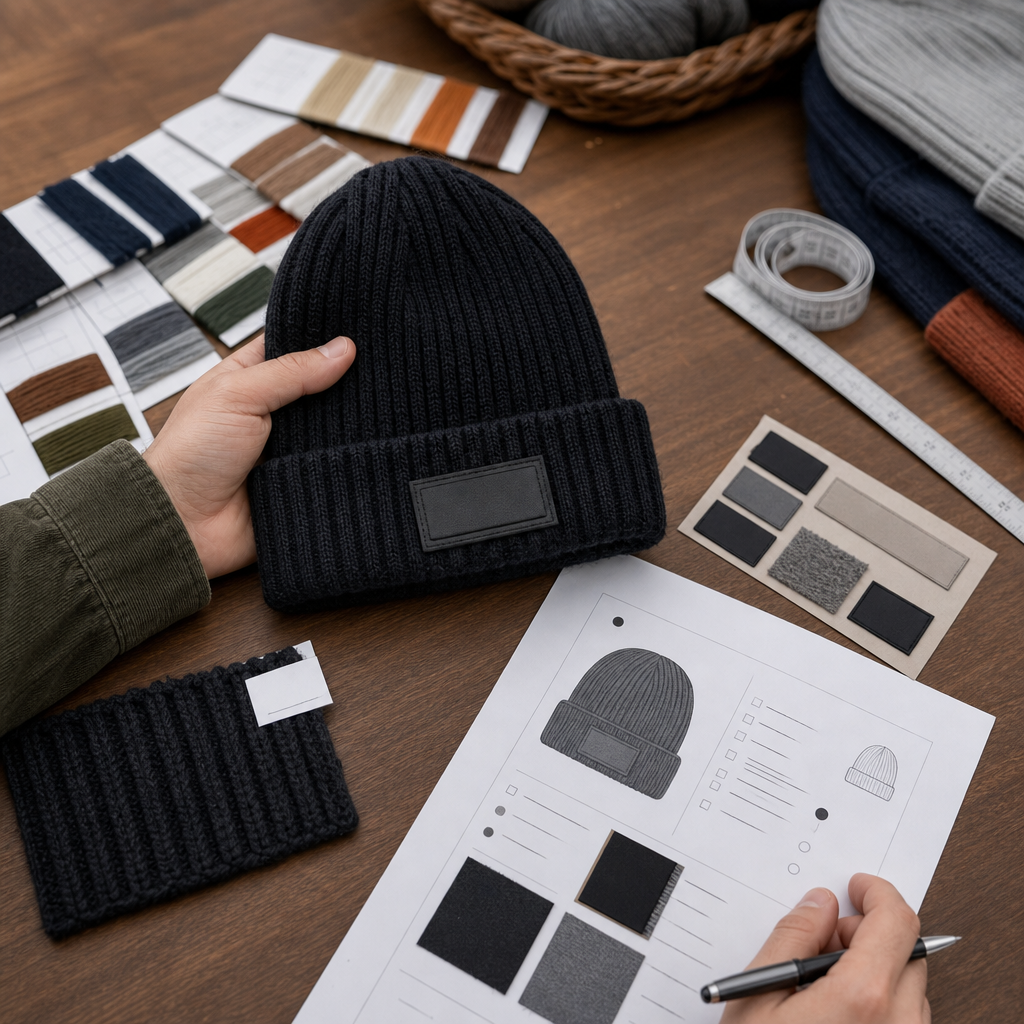
For B2B buyers, a custom beanie sample is not only a branding proof. It is a production checkpoint. The sample should confirm whether the chosen yarn feels right, whether the logo stays readable on a ribbed surface, whether the cuff keeps shape, and whether the supplier can repeat the approved look across a full winter order.
Main Buyer Problem
The main buyer problem is timing. Buyers often plan the winter launch date first, but delay the sample request until late summer or early fall. By then, there may be little room for yarn substitutions, patch revision, wash testing, or transport delays.
The root cause is treating a knitted beanie like a quick decoration job. In reality, the sample phase has several moving parts. The supplier may need to confirm yarn stock, knitting gauge, label layout, patch edge treatment, logo stitch method, pom-pom attachment, and packaging method before the sample is truly representative of bulk production.
The buyer action is to work backward from the launch month. If the beanies need to arrive in stores, at events, or in company gift kits before cold weather, the buyer should build time for concept approval, sample creation, sample shipping, revision, bulk knitting, final inspection, and freight. Even when a supplier advertises fast sample lead times, the total calendar depends on how quickly the buyer locks the spec.
Material / Construction Risk
The safest custom beanie sample is one that uses the same yarn family, knit structure, and decoration method as the planned bulk order. If the buyer approves an early mockup made with substitute yarn or a different patch method, the final bulk product can feel heavier, stretch differently, pill faster, or show a logo with weaker contrast.
Yarn choice is the first risk point. Acrylic is common for promotional and value-driven orders because it is cost-efficient, color-stable, and easy to maintain. Wool or merino blends can feel warmer and more premium, but they need closer control for softness, wash handling, and pricing. Recycled blends may support sustainability goals, but the buyer should confirm hand feel, color consistency, and certificate availability rather than assuming all recycled yarns perform the same way.
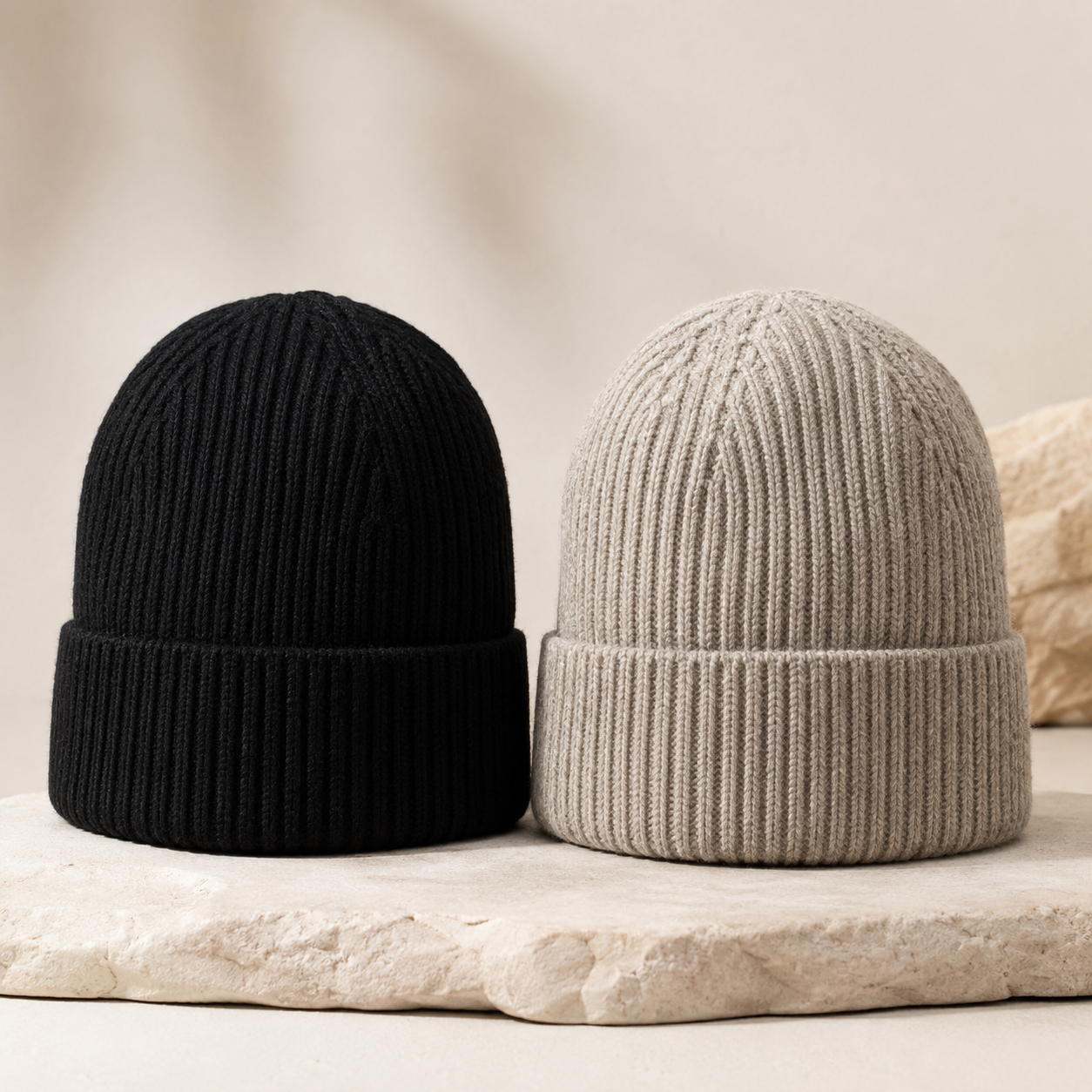
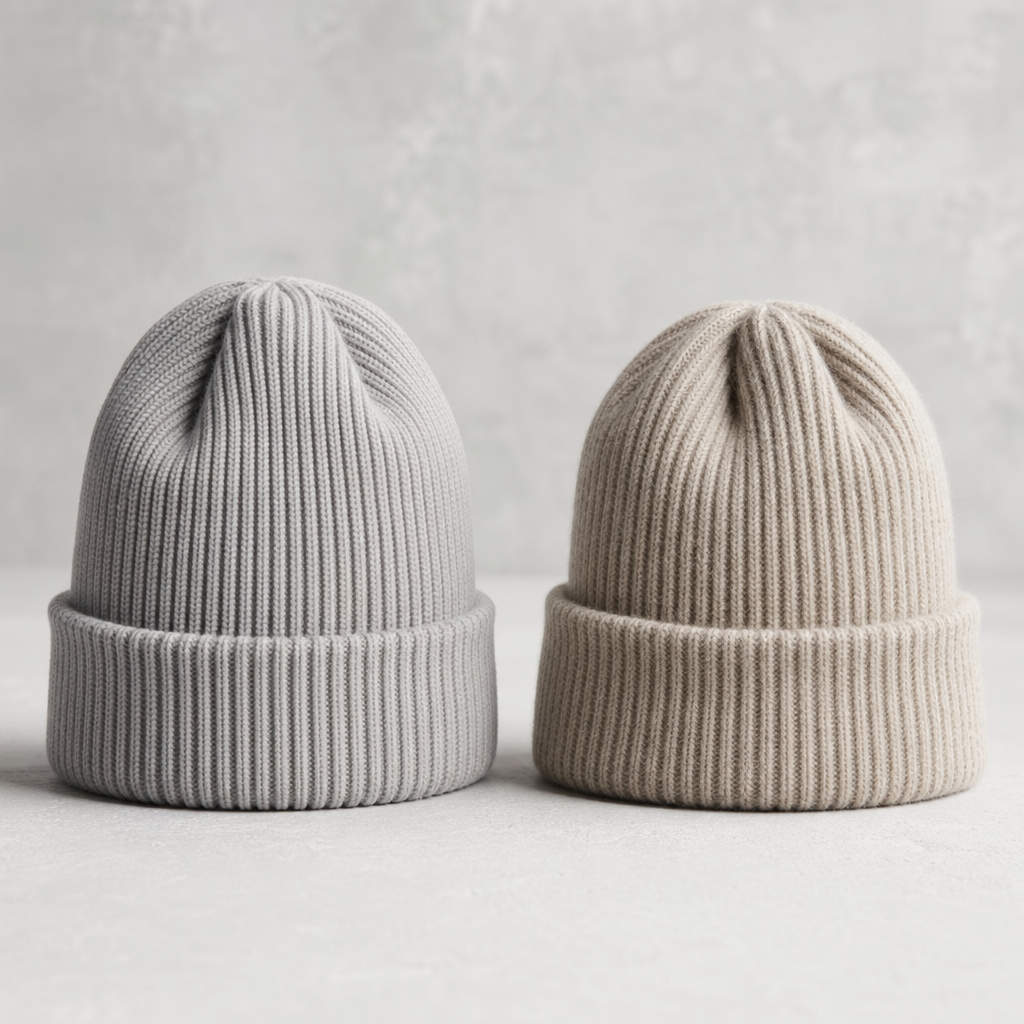
Construction also changes the sample outcome. Rib knit, jersey knit, cable knit, jacquard, and fleece-lined beanies all behave differently. A rib-knit cuff gives better stretch recovery than a weak single-layer opening. A folded cuff creates a good zone for woven patches or embroidery, but the logo size still needs to match the knit texture. If the buyer wants textile safety claims or reduced-risk material positioning, request documentation tied to the actual yarn or trim, not a generic statement. Some buyers use recognized textile standards such as OEKO-TEX STANDARD 100 as one part of supplier review.
Supplier / MOQ / Sampling Risk
The supplier matters most during the sample phase because this is where communication quality shows up. A strong custom beanie supplier will ask about yarn type, target season, cuff height, logo method, size expectation, end market, and packing. A weak one may only ask for artwork and quantity.
Buyers should clarify MOQ at the same time as the sample request. A supplier may offer a low-MOQ sample, but the final bulk MOQ may rise if the order requires custom yarn colors, jacquard knitting, special patches, woven labels, or pom-pom colors. If the order is for employee gifts or retailer launch packs, packaging can also add complexity and time.
Sample lead times differ by complexity. Some suppliers and industry references indicate custom hat samples may take around one to two weeks, while fully custom or yarn-specific orders can take longer once revisions and shipping are included. The smarter approach is to ask the supplier for a step-by-step timeline:
- artwork confirmation
- yarn or color confirmation
- sample knitting
- decoration application
- sample shipping
- revision window
- bulk production after approval
This timeline should be written before the buyer promises a launch date internally.
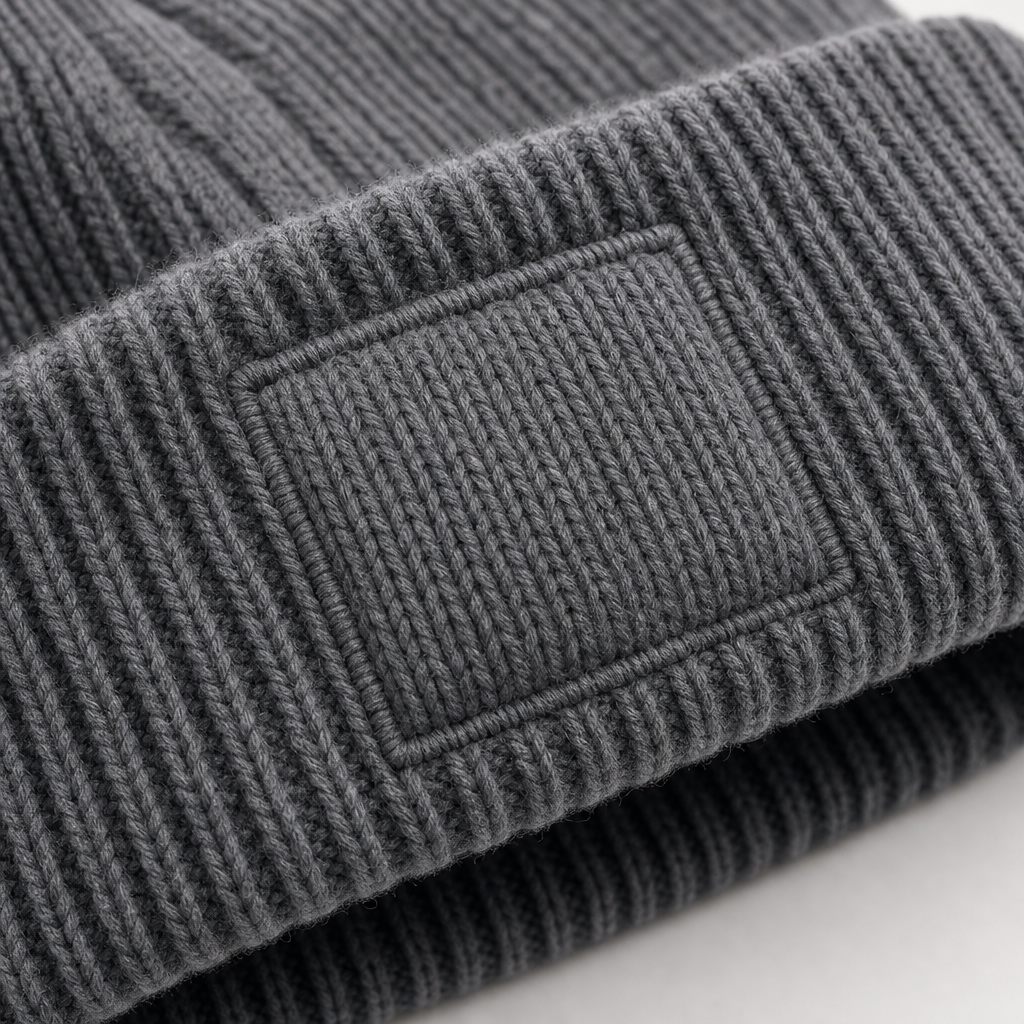
Logo readability is also part of supplier and sample risk. A logo that looks clean on a screen may lose clarity when stitched on rib knit, shrink visually on a narrow cuff, or feel too stiff if the patch backing is heavy. Before approving the sample, the buyer should confirm the decoration method, logo size relative to cuff height, thread or patch color contrast, patch edge finishing, inside comfort, and whether the logo stays centered after the beanie is stretched. If the order uses a patch, ask how it is attached and whether washing or repeated stretching can lift the edges. If the order uses embroidery, ask for the exact stitch area and confirm it does not distort the knit surface.
QC Checklist
- Yarn confirmation: verify the approved sample uses the planned yarn type, color, and weight.
- Knit quality: inspect tension consistency, dropped stitches, loose yarn ends, and seam finishing.
- Size and fit: measure cuff width, crown height, stretch range, and recovery after extension.
- Decoration: check logo position, patch alignment, embroidery clarity, backing comfort, and edge durability.
- Wash or wear behavior: if possible, test one or more samples for pilling, shrinkage, color bleeding, and shape retention.
- Packing: confirm folding method, labels, polybag or carton plan, and whether compression may deform the sample presentation.
For winter orders, sample approval should not stop at appearance. A beanie that photographs well but pills after one wash or loses cuff recovery after stretching is not ready for bulk production. If the buyer has a retail or employee-gift standard to meet, run a simple wear or wash test before final approval.
Buyer Decision Framework
The best way to manage a custom beanie sample is to divide the process into decisions, not guesses.
| Decision point | What to confirm | Why it matters | | — | — | — | | Launch date | When must the beanies be delivered? | Defines the full sampling and production calendar | | Yarn | Acrylic, wool blend, recycled blend, or other? | Controls cost, feel, warmth, and care | | Knit structure | Rib, jersey, cable, jacquard, lined? | Changes fit, logo area, and production complexity | | Decoration | Patch, embroidery, label, or jacquard-in logo? | Affects readability and revision risk | | Size standard | Adult, youth, unisex, cuff depth? | Reduces fit complaints and return risk | | Testing | Stretch, wash, wear, or color check? | Confirms whether the sample can survive real use |
If the buyer is planning a winter launch, start the sample phase earlier than seems necessary. The gain is not only speed. Early sampling gives room to compare yarn options, fix logo size, approve cuff height, and adjust the packaging without putting the entire campaign at risk.
Request a quote or sample review after sharing your logo, target quantity, destination country, delivery date, and material preference.
Related internal resources: HongYueCap, Blog, Kontak, Knitted Beanie, Custom Beanies.
Reference sources: jointopcap.com, oeko-tex.com.
FAQ
How long does a custom beanie sample take?
A simple custom beanie sample may be ready in about one to two weeks, but the real schedule also includes artwork approval, shipping, revisions, and bulk production planning. Fully custom yarns, patches, or jacquard details often take longer.
When should buyers start custom beanie sampling for winter?
Buyers should start as early as possible and work backward from the delivery deadline. For winter launches, the sample phase should leave enough room for revision, final approval, bulk knitting, inspection, and freight before cold-weather demand begins.
What should buyers approve on a beanie sample?
Approve yarn, color, knit structure, cuff height, fit, decoration clarity, label placement, stretch recovery, and washing behavior if relevant. A logo approval alone is not enough.
How do you test stretch recovery on a beanie sample?
Measure the opening before stretching, extend it to a realistic wearing size, then let it rest and compare recovery. Buyers should also check whether the cuff distorts, whether the logo shifts, and whether the knit stays even after handling.
What MOQ is normal for custom beanies?
MOQ depends on yarn, decoration, and customization depth. Simpler promotional styles may support lower MOQs, while custom colors, jacquard knitting, or complex patch programs often raise the minimum.
CTA
If you are planning a winter program and need a custom beanie sample, send HongyueCap your target launch month, logo file, preferred yarn, quantity, destination country, and sample deadline. We can help map the sample steps and build a clearer bulk-order plan before the season gets tight.