“From the first loop of the knitting machine to the final steam finishing, every stitch of a beanie is a balance of warmth, elasticity, and durability.”
Knitted Beanie Manufacturing Process: Knitting, Linking & Finishing Guide for Wholesale Buyers
Find quality knitted beanie for your wholesale orders. This guide covers essential specifications, quality standards, and sourcing tips for wholesale buyers.
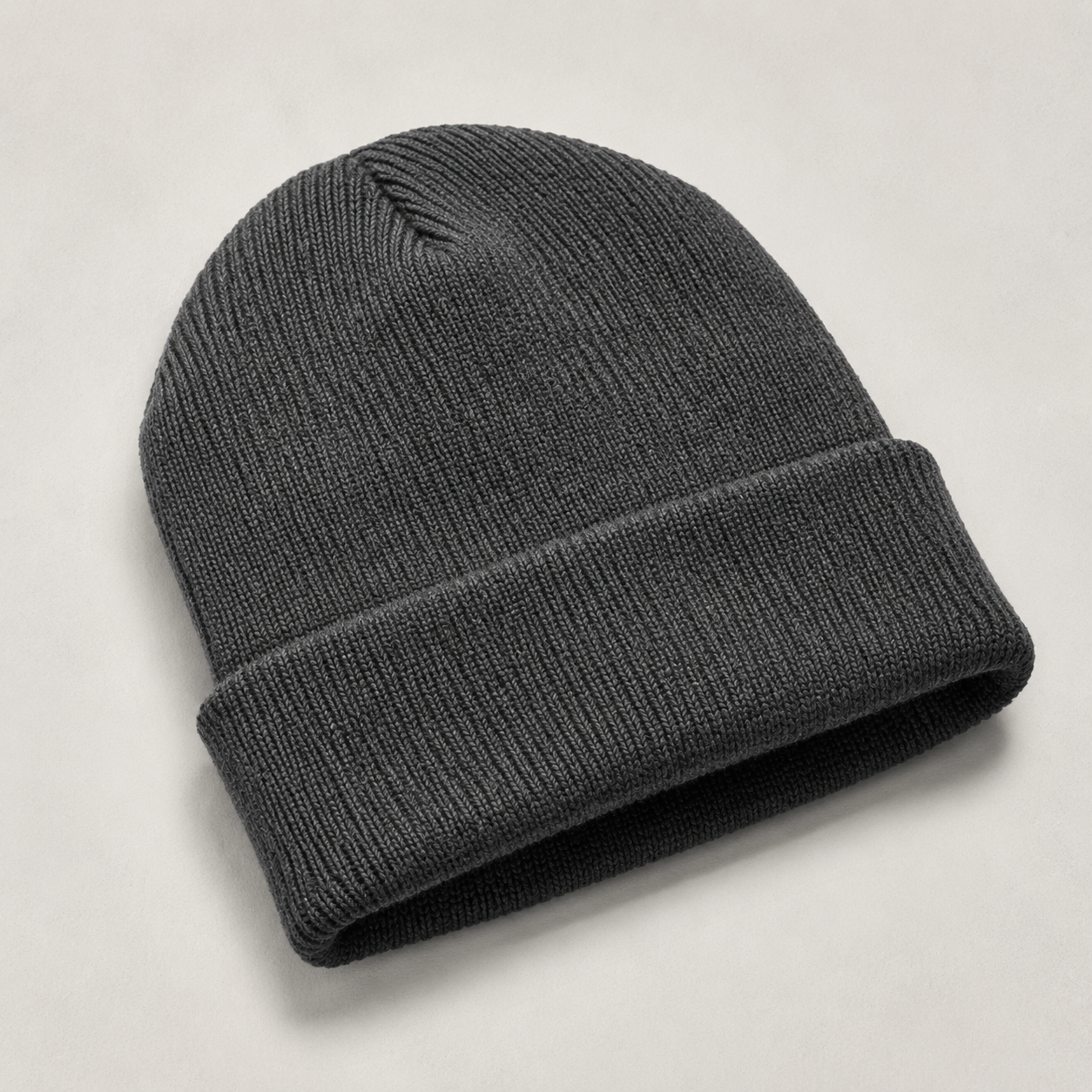
A knitted beanie looks simple — but the manufacturing process behind it involves precision knitting machine setup, linking tolerances, and finishing techniques that directly affect fit consistency, seam durability, and pilling performance. For B2B buyers sourcing bulk beanie orders, understanding how beanies are made is the shortest path to fewer defects and better supplier selection.
Knitted Beanie Manufacturing Process: Four Core Stages
Problem: Bulk beanie orders arrive with inconsistent sizing, visible seams, loose yarn ends, and early pilling — all of which trace back to process gaps during manufacturing.
Root Cause: Knitted beanie production involves four stages: yarn preparation, knitting or linking, finishing and washing, and final assembly. Each stage has specific quality controls that differentiate a factory producing 100% consistent beanies from one producing returns.
Buyer Action: Understand each stage’s quality checkpoints. Use this knowledge to audit prospective factories and verify samples before bulk production.
Stage 1: Yarn Preparation — Quality Starts at the Spool
Yarn quality is the most important factor in beanies — yarn irregularities cause visible defects that nothing downstream can fix.
| Yarn Type | Common Gauge Range | Stretch Recovery | Pilling Resistance | Best Use |
|---|---|---|---|---|
| Acrylic (standard) | 3.5-7 GG | Faible | Faible | Budget beanies, promotional |
| Acrylic (anti-pilling) | 5-9 GG | Low-Medium | Haut | Retail beanies, everyday wear |
| Wool / wool blend | 5-12 GG | Haut | Medium | Premium winter beanies |
| Cotton / cotton blend | 7-12 GG | Faible | Haut | Spring/fall beanies, kids |
Key checkpoints at yarn preparation:
- Yarn count and twist consistency: Yarn thickness (Ne count) and twist per inch (TPI) must be within spec for the whole batch. Inconsistent yarn creates tight and loose zones in the knit.
- Oil and wax levels: Knitting yarn requires a controlled amount of wax lubricant. Too much wax attracts dust; too little causes yarn breaks during high-speed knitting.
- Color lot consistency: Dye lots must be matched. Request yarn dye lot numbers and verify shade consistency within and across cones. Even a 0.5 cm color shift across the crown is noticeable.
Buyer Action: Request yarn test reports (count, TPI, dye lot consistency) from the factory. For anti-pilling claims, ask for the Martindale pilling test result (minimum grade 3-4 for retail beanies).

Stage 2: Knitting and Linking — The Core Production Step
Beanies are produced on knitting machines, then linked (seamed) at the crown. This stage determines fit, structure, and seam durability.
Knitting Machine Setup
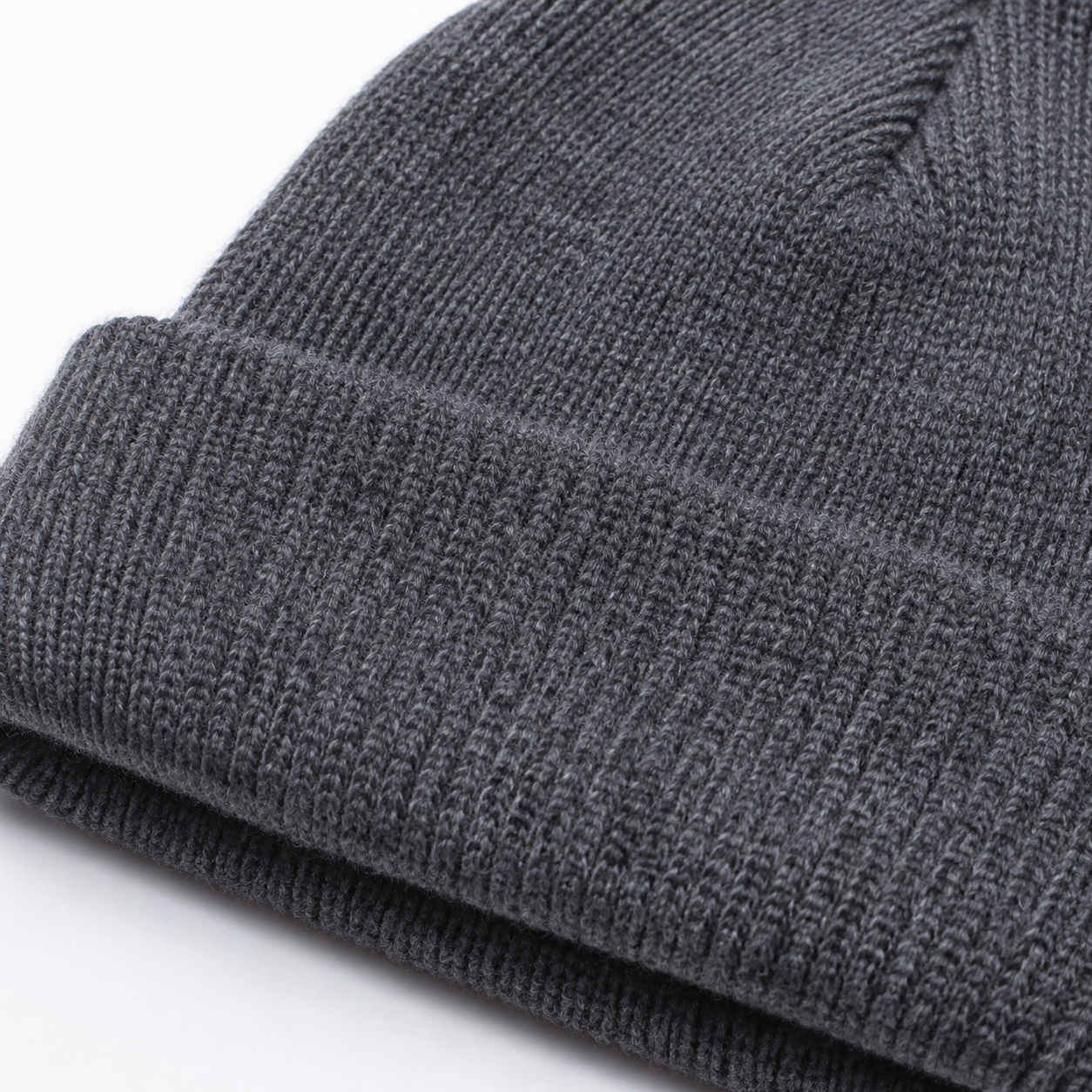
- Machine gauge: Measured as GG (gauge groups per inch). 5-7 GG produces looser, chunkier knits; 9-12 GG produces denser, finer knits. Match the gauge to the yarn type and desired product feel.
- Knitting pattern: Stockinette stitch (smooth face) is most common. Ribbed patterns require machine adjustments. Specify the pattern in the tech pack.
- Fabric take-down tension: The tension pulling the knitted fabric off the machine affects stitch length uniformity. Inconsistent tension causes uneven row spacing visible at crown shaping.
Buyer Action: Verify that the factory uses the correct gauge machine for your yarn type. Ask for a machine setting record for your production batch.
Linking (Seaming) Quality
Linking is the process of closing the crown seam. It is the most common defect source in knitted beanies.
- Matching loop for loop: Each stitch on one side must match exactly with the corresponding stitch on the other side. Mismatched loops create a visible seam ridge.
- Linking machine vs hand linking: Machine linking is faster and more consistent (1-2 minutes per beanie). Hand linking produces a flatter seam but takes 5-10 minutes per beanie and varies by operator.
- Seam elasticity: The linked seam must match the fabric’s stretch. A stiff seam causes the crown to pop open or distort the fit.
Buyer Action: Inspect the crown seam on the inside and outside. Turn the beanie inside out — the seam should lie flat without puckering. Pull the crown gently — the seam should stretch with the fabric.
Stage 3: Finishing and Washing
After knitting and linking, beanies go through a finishing process that affects feel, appearance, and durability.
- Scouring and washing: Removes oil, wax, and dust from the knitting yarn. Beanies that skip scouring arrive oily to the touch and attract dirt faster.
- Softening / conditioning: Fabric softener or silicone treatment improves hand feel. Over-softening reduces stretch recovery — beanies become baggy after a few wears.
- Drying and tumbling: Beanies are tumble-dried to relax the fibers. Temperature control matters: high heat shrinks wool and acrylic beanies unevenly.
- Steam pressing / shaping: For structured or cuffed beanies, steam pressing sets the final shape. Pressing temperature and duration must match the yarn type.
Buyer Action: Specify finishing parameters in the tech pack: wash temperature (max 40°C for acrylic), drying temperature (max 60°C), and softener type. Request a finished sample before approving bulk production.
Stage 4: Final Assembly — Labels, Tags, and Packing
- Label attachment: Care labels and brand tags are sewn into the inside hem or side seam. Labels must be aligned and flat — a crooked label signals overall QA gaps.
- Pom-pom attachment (if applicable): Pom-poms are tied or button-fastened to the crown. Tied pom-poms detach easily unless double-knotted. Button-fastened pom-poms allow removal for washing.
- Packing: Beanies are flat-packed, poly-bagged individually, or bulk-packed. Flat-packed beanies may lose shape in transit unless cardboard inserts are used. Specify packing method and carton configuration.
Knitted Beanie Manufacturing QC Checklist
Use this 8-point checklist when evaluating a beanie factory or inspecting pre-production samples:
- Yarn count and twist per inch consistent across all cones. Martindale pilling test result (Grade 3-4 minimum for retail).
- Dye lot color consistency verified — zero noticeable shade variation within the batch.
- Machine gauge matches yarn count and desired stitch density.
- Stitch length uniformity — measure 10 consecutive rows. Variation should not exceed 3%.
- Crown linking seam flat with no puckering. Seam stretches with the fabric.
- Loose yarn ends trimmed to under 3 mm. No hanging yarn tails inside the beanie.
- Washing and finishing parameters documented (temperature, duration, softener type).
- Final dimensions within ±5 mm of spec. Size consistency across S, M, L samples.
Common Beanie Manufacturing Defects and Their Root Causes
Understanding the connection between defect and root cause helps you correct problems during production rather than after delivery:
| Defect | Likely Root Cause | Process Stage |
|---|---|---|
| Uneven stitch row spacing | Inconsistent take-down tension | Knitting |
| Visible crown seam ridge | Mismatched loop linking | Linking |
| Loose stitch / yarn break | Incorrect yarn tension on machine | Knitting |
| Oily feel on arrival | Scouring step skipped | Finishing |
| Stretches out of shape | Over-softened or incorrect finish | Finishing |
| Pom-pom detached | Single-knot or weak tie | Assembly |
| Sizing inconsistent | Missing post-wash sizing check | Finishing |
Use this table during factory audits to link observed defects to specific process failures.
FAQ
What machine gauge should I specify for a standard acrylic beanie?
7 GG (7 gauge groups per inch) is the most common standard for mid-weight acrylic beanies. For finer, denser knits (cashmere feel), use 9-12 GG. For chunky apparel beanies, 5 GG. Match the gauge to the yarn count — a mismatch creates knitting defects.
How can I verify linking quality without opening every beanie?
Check 5% of the batch. Turn each sample inside out at the crown. Run your finger along the seam — it should feel smooth without bumps or gaps. Gently pull the crown open — the seam should stretch evenly with the fabric. Photograph and compare against the approved sample.
What is the minimum order quantity for custom beanie manufacturing?
Typical MOQ for machine-knitted custom beanies is 500-1000 pieces per color per style. Hand-linked or specialty yarn beanies may require 200-500 pieces minimum. Discuss MOQ with the factory before sampling — some factories offer shared container programs for lower quantities.
Source Knitted Beanies with Verified Manufacturing Quality
Knowing how beanies are made — from yarn preparation through linking to finishing — allows you to evaluate factories and prevent defects before they impact your order. Share your beanie spec with our sourcing team for a manufacturing feasibility check.
Ready to order wholesale beanies? Browse our knitted beanie wholesale collection ou send your tech pack for a free production review.
See our complete wholesale hat selection for more options.
See our complete wholesale hat selection for more options.
HongYueCap–JinGuangFu

Written by the Hongyuecap Product Team — 10+ years in B2B custom headwear manufacturing. Last updated: May 23, 2026.