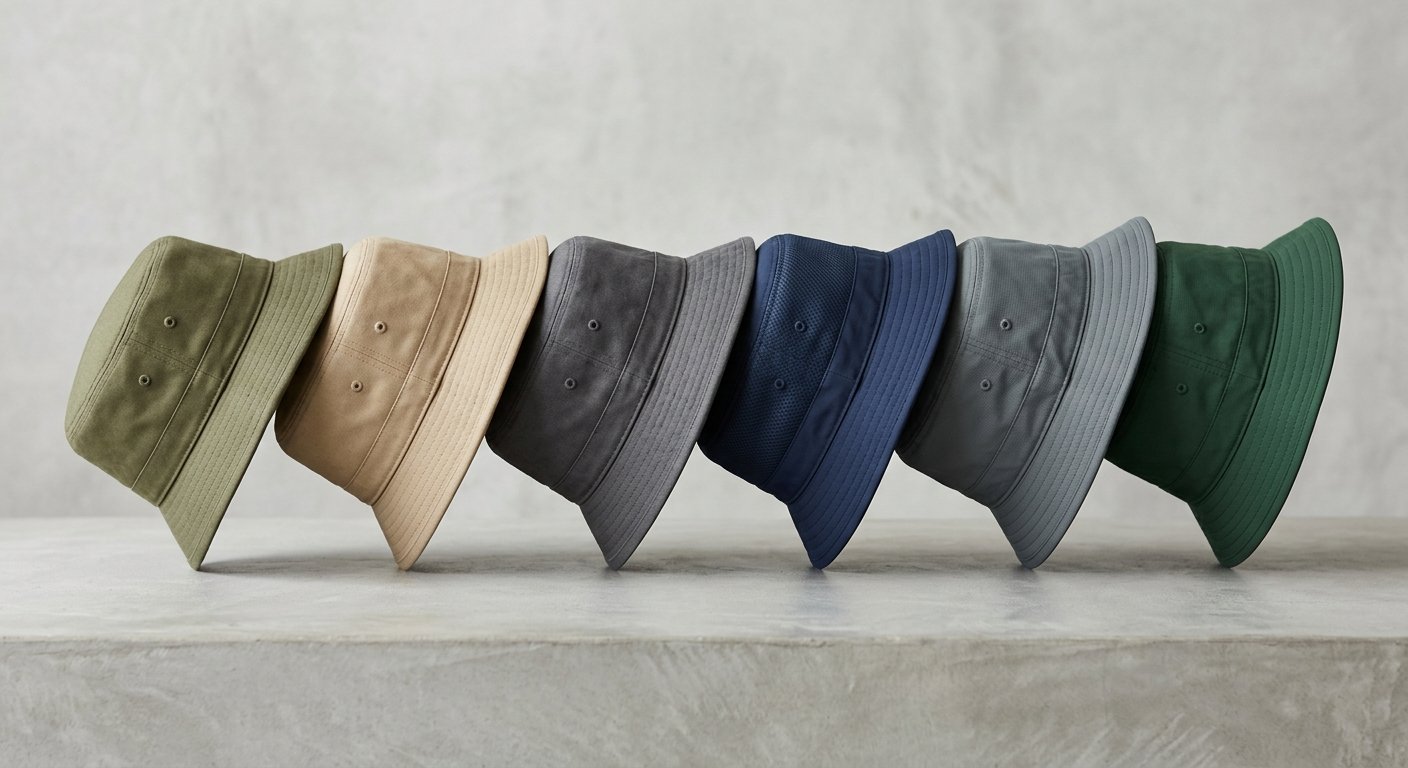
Importing bucket hats in 2026 requires careful tariff classification, supplier verification, and quality-control planning. US duty measures can change during a buying cycle, so wholesale buyers should confirm the current HTS classification and applicable trade remedies with a licensed customs broker before approving landed-cost calculations.
Import Bucket Hats 2026: Tariff, Bulk, Audit for Wholesale Buyers
This guide covers importing bucket hats in 2026 comprehensively. Topics include navigating Section 122 and Section 301 tariffs, mastering HTS Chapter 65 classification, and verifying GRS and OEKO-TEX certifications. Wholesale buyers will learn factory vetting protocols, AQL quality control standards, customs documentation requirements, and cost-effective shipping strategies for bulk orders.
The 2026 US Tariff Landscape for Bucket Hat Imports

On February 24, 2026, the United States introduced a temporary 10% import surcharge under Section 122. The White House proclamation described a 150-day period unless the measure was changed earlier. Because this is a temporary policy, buyers should verify its current status before confirming a purchase order or landed-cost model. Chinese-origin goods may also be subject to separate Section 301 duties when the specific HTS subheading appears on the applicable tariff list. See the White House proclamation and current USTR Section 301 materials.
There is no single duty rate for every cotton bucket hat. The correct rate depends on the full HTS subheading, material construction, origin, and any trade-remedy measures in force on the entry date. Ask the broker to document the selected classification and each applicable duty layer instead of relying on a generic percentage from a supplier or tariff calculator.
How Tariff Layers Compound on a Typical Bucket Hat Order
Additional duties are generally assessed against the relevant US customs value; they should not be presented as sequential percentage compounding. Under CBP transaction-value guidance, international freight and insurance are excluded when they are separately identified. Buyers should build the landed-cost model from the broker-confirmed customs value, HTS duty rate, applicable additional duties, merchandise processing fees, harbor fees where relevant, brokerage, and domestic delivery. Country-of-origin changes must reflect a genuine production route, not simple transshipment.
HTS Chapter 65 Classification: Getting Your Bucket Hat Code Right
Correct HTS classification is a core compliance step for any bulk bucket hat importer. Textile headgear commonly falls within heading 6505, while hats made by plaiting or assembling strips may fall within heading 6504. The full statistical suffix and duty rate depend on the product’s material and construction. Confirm the current wording and rate in the official USITC Harmonized Tariff Schedule.
Material Determines Classification
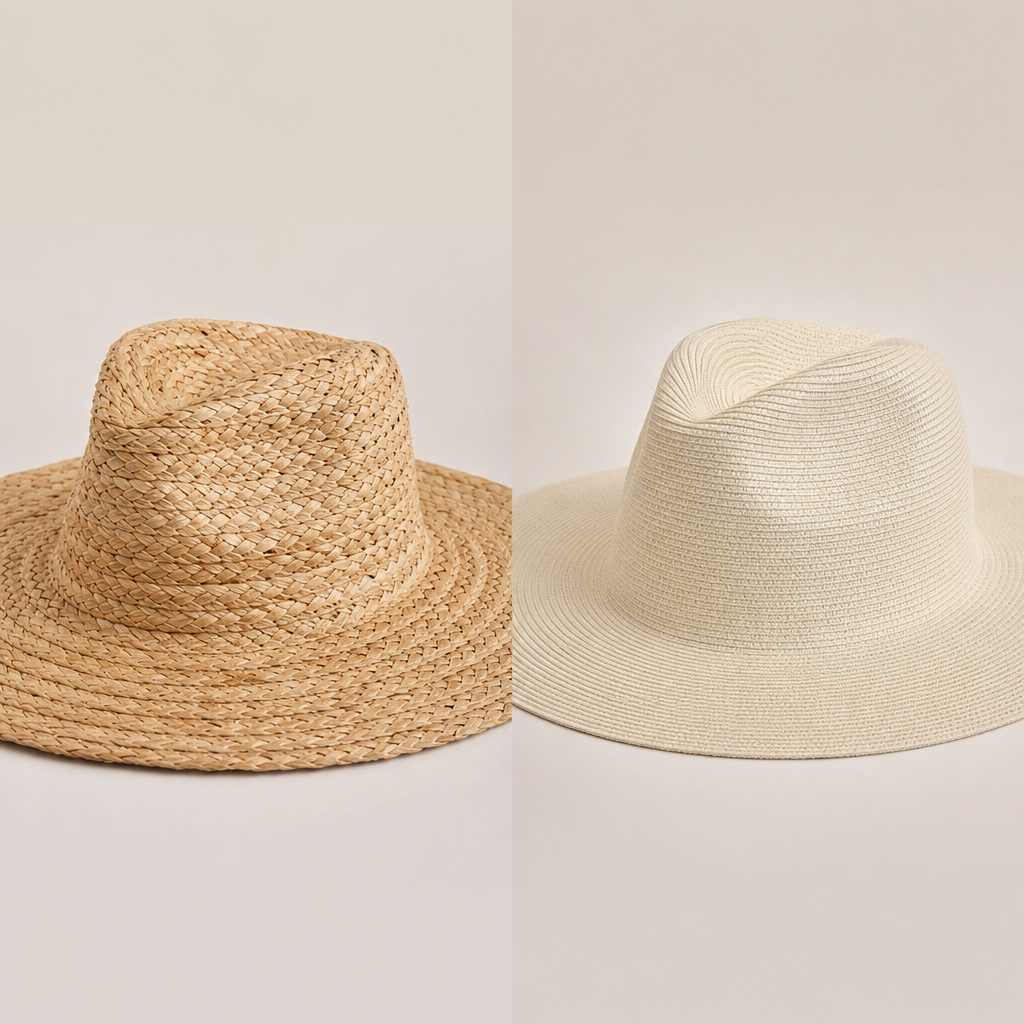
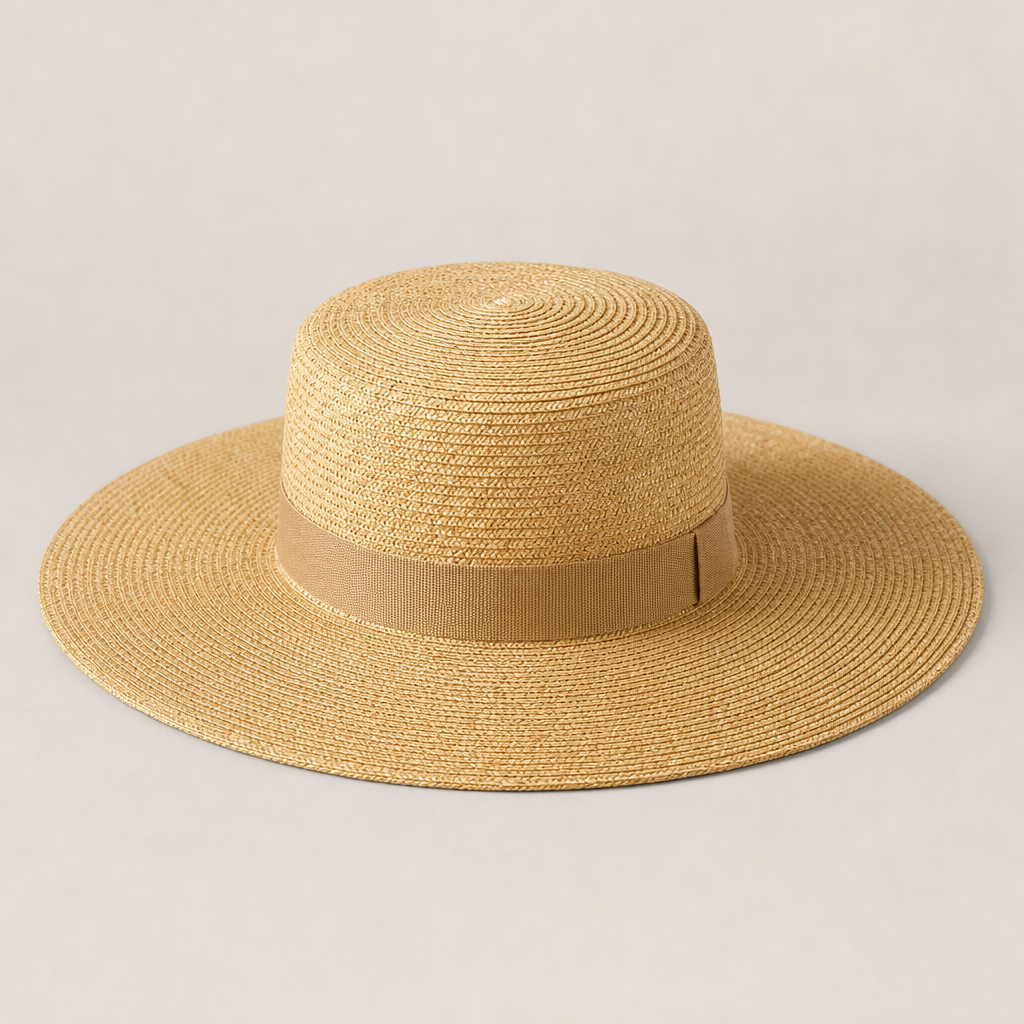
For example, a cotton twill bucket hat with embroidery is classified differently from a straw bucket hat (HTS 6504) or a wool felt bucket hat (HTS 6501). Furthermore, misclassification can trigger CBP audits and penalties. Fees reach up to 20% of underpaid duty. Shipment holds can delay inventory by weeks. Specifically, the rule of thumb: if the hat’s primary material by weight and surface area is a textile fabric, HTS 6505 applies. If it is plaited or assembled from strips (straw, raffia, paper), HTS 6504 governs.
For multi-material orders, classification may depend on the component that gives the hat its essential character. A nylon shell with a cotton lining, for example, should be reviewed from the actual specification rather than a product nickname. Importers can request a binding ruling through CBP CROSS/eRulings; CBP states that there is no charge for obtaining a binding ruling.
Sustainability Compliance: Certifications That Protect Your Supply Chain
Sustainability and chemical-compliance documents depend on the destination market, buyer program, material claim, and product use. GRS supports verified recycled-content claims, while OEKO-TEX STANDARD 100 provides evidence of testing for harmful substances. Neither document replaces the importer’s responsibility to identify the laws and buyer-specific requirements that apply to the order.
The Three Certifications Every Wholesale Buyer Should Require
GRS (Global Recycled Standard), managed by Textile Exchange, verifies recycled content and chain-of-custody requirements. Ask for the scope certificate and transaction documentation that apply to the actual material and supplier involved in the order.
OEKO-TEX Standard 100: Certifies testing for harmful substances across all components. This is the EU baseline for bucket hats in 2026. Issued by the independent OEKO-TEX Association, the certificate requires annual renewal with lab testing. OEKO-TEX certification must cover the specific factory and product class.
amfori BSCI is a social-audit framework used by many international buyers. Request the current audit report, audit date, site name, and corrective-action status instead of relying on a logo or general website claim.
Before placing an order, prepare a checklist covering classification, origin, material certificates, sample approval, inspection level, packing, and shipping documents. A customs broker and testing laboratory should review the items that create legal or product-compliance obligations.
How to Vet a Bucket Hat Manufacturer: The Factory Audit Framework

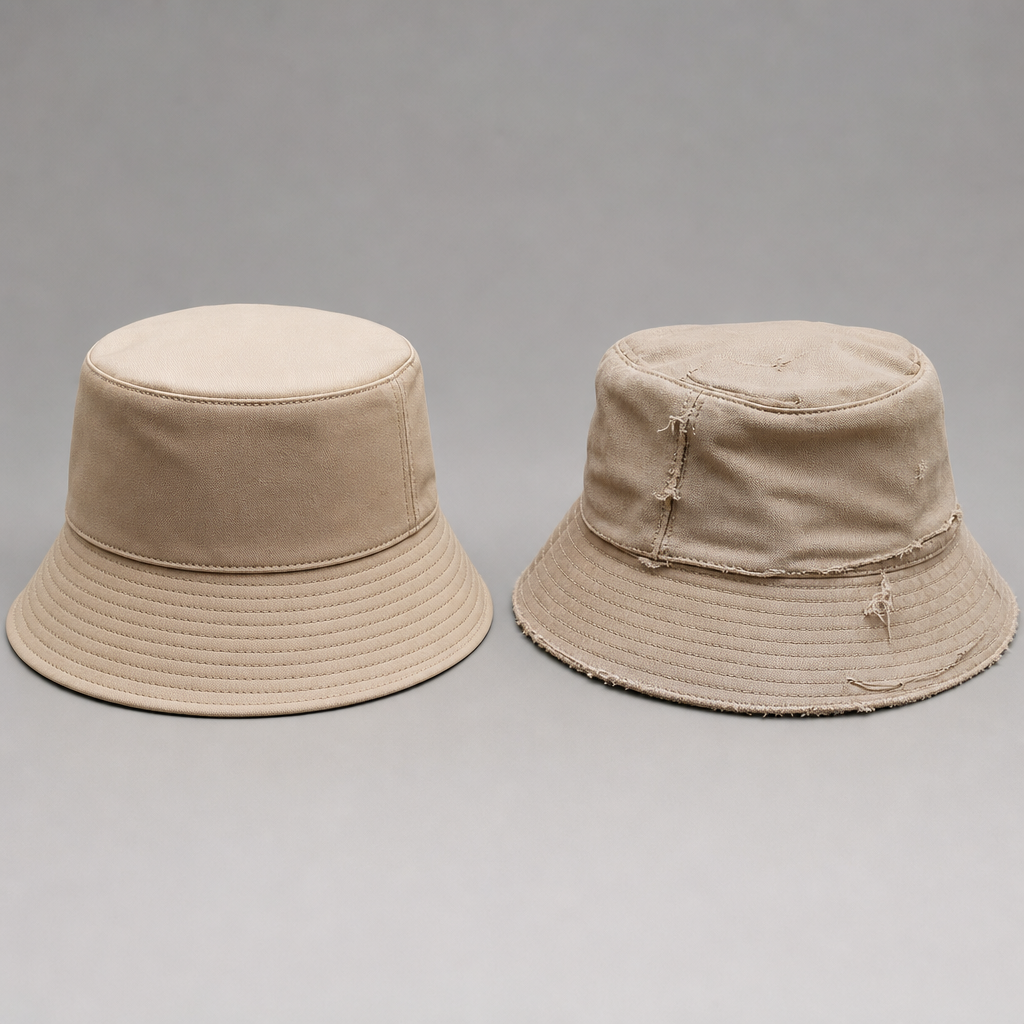
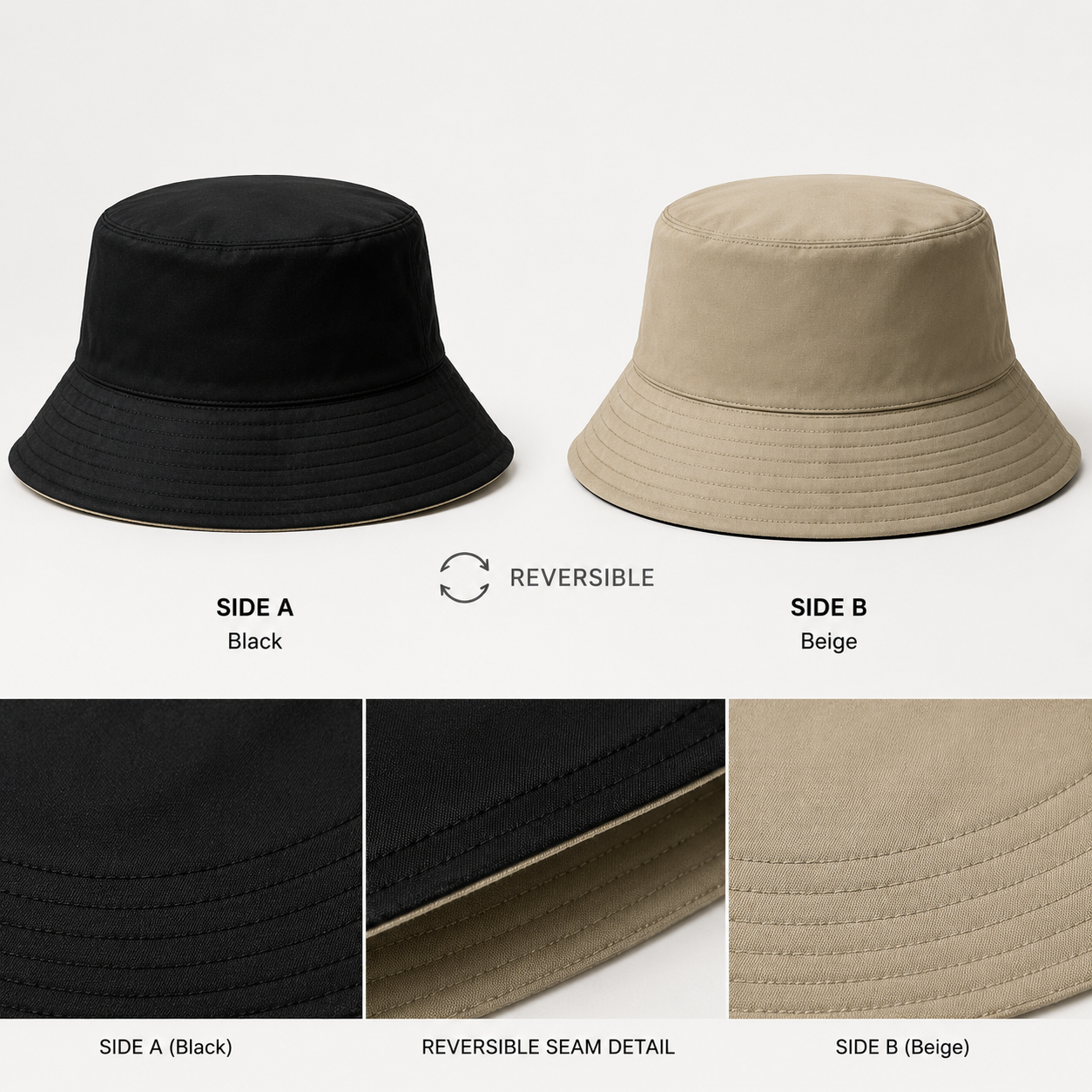
In practice, not all factories that claim to produce bucket hats actually specialize in them. When sourcing import bucket hats 2026, verify factory specialization. A factory that primarily makes baseball caps may struggle with the brim construction peculiar to bucket hats — the downward-sloping brim, uniform panel depth, and clean seam finishing on reversible styles. Before placing a bulk order, wholesale buyers should verify three things.
Production Specialization
Request the factory’s recent production breakdown by product category and ask to see current bucket-hat samples, brim-stitching capability, reversible construction examples, and in-process QC records. The useful evidence is not a headline capacity number; it is whether the factory can repeatedly control the construction required by your specification.
Sample-to-Bulk Consistency
Notably, the most common frustration among wholesale buyers is receiving bulk orders that differ from approved samples. Our factory vetting checklist recommends three samples from three different production batches. Do not rely on one golden sample. Verify before finalizing the contract. Consistency across batches is the real quality signal. Pay particular attention to brim curvature, crown height, and stitch density — these are the three variables most likely to drift between sample and bulk production.
Certification Verification
Always ask for certificate numbers and verify them through the issuing organization’s official database. Check that the company name, production site, product scope, and validity period match the proposed order. If a certificate belongs to a fabric mill rather than the sewing factory, record that distinction in the sourcing file.
Quality Control Standards for Bulk Bucket Hat Orders

First, AQL (Acceptable Quality Level) sampling is the industry-standard method for inspecting bulk textile orders. For import bucket hats quality control, use AQL 2.5 for major defects and AQL 4.0 for minor defects. Apply Level II sampling under ISO 2859-1.
AQL Sampling in Practice
For a 5,000-piece lot, the sample size and acceptance numbers depend on the inspection level and AQL selected in the applicable sampling table. Define major and minor defects before inspection, including seam failure, stains, embroidery position, brim shape, measurement tolerance, and packing damage. Do not introduce a custom rejection threshold or bend-cycle test unless it is written into the approved specification.
For a first order with a new factory, consider an inline inspection after enough units have been produced to reveal repeated process problems. A pre-shipment inspection remains the final gate once production and packing are substantially complete. The inspection timing, sample size, acceptance criteria, and defect definitions should be written into the purchase order before production starts.
Customs Documentation and Logistics Planning for Bucket Hat Imports
To begin with, import bucket hats logistics planning starts with complete customs entry. This requires: commercial invoice with FOB value, HTS code, and country of origin. A packing list at carton level is also needed. Include the bill of lading or airway bill and certification documents if applicable. For orders above $2,500, a customs bond is mandatory. Options include a single-entry bond at 0.5% or a continuous bond for frequent importers.
Shipping Mode and Lead Time Planning
Transit time and freight cost vary by origin port, destination, season, carrier, shipment volume, and customs conditions. Ask the freight forwarder for a current quote that separates main carriage, fuel and security surcharges, destination charges, customs clearance, duties, and final delivery. Keep sample or urgent-restock shipping separate from the bulk-order freight comparison.
Production lead time depends on fabric availability, decoration method, sample approval, order quantity, packing, and the factory’s confirmed schedule. Build the delivery plan from a written production timeline plus the freight forwarder’s current transit and customs estimate. For style choices that can change construction time, review our 2026 bucket hat trends guide.
Cost-Benefit Analysis: Factory Direct vs. Trading Company Sourcing
Wholesale buyers often choose between direct factory sourcing and a trading company. Direct sourcing can provide closer specification control, while a capable trading company may reduce coordination work across several suppliers. Compare the quoted scope, inspection responsibility, payment terms, communication route, and accountability for corrective action rather than assuming a fixed markup or savings percentage.
Nevertheless, factory direct sourcing delivers better value for orders above $20,000. This applies to custom specs like Pantone-matched fabrics, custom embroidery, and specialized packaging. The buyer must implement the quality control framework described above. For smaller orders or buyers without dedicated sourcing staff, a reputable trading company may be the more practical route. If you are evaluating brim options for your order, our wide brim bucket hat wholesale guide provides detailed sizing and fabric recommendations.
Successful import bucket hats 2026 operations require addressing common procurement questions from wholesale buyers.
Product Specifications
- Category Name: Chapeaux à godets
- Cotton Canvas: 250-300 GSM, durable for work/outdoor bucket hats
- Denim: 200-250 GSM, suitable for structured casual and promotional bucket hats
Frequently Asked Questions
Q: What is the total tariff rate for importing bucket hats from China in 2026?
A: There is no single rate for every bucket hat. Confirm the complete HTS subheading, customs value, country of origin, and any Section 122 or Section 301 measures in force on the entry date with a licensed customs broker.
Q: What certifications should I require from a bucket hat manufacturer?
A: Requirements depend on the destination market, material claim, buyer program, and product use. Verify the certificate scope, production site, validity period, and transaction documents through the issuing organization.
Q: What is the minimum order quantity for custom bucket hats?
A: MOQ depends on fabric sourcing, color count, decoration, trims, sizing, packing, and production setup. Send the complete specification and ask which variables must remain standard for a smaller first order.
Q: How do I ensure consistent quality across a bulk bucket hat order?
A: Approve a production-representative sample, define measurable defects and tolerances, and agree on the inspection level and AQL before production. Use inline and pre-shipment checks when the order risk justifies both stages.
Have more questions? Send your material, quantity, artwork, destination market, and target delivery date for a sourcing review.
Ready to review a wholesale order? Contact Hongyuecap with the target fabric, decoration, quantity, packing method, and delivery country. The team can then confirm sample requirements, MOQ, quality checkpoints, and a realistic production schedule for the specific project.